Do Betta Fish Eat Peace Lily Roots

Do betta fish eat peace lily roots? The short answer is yes, betta fish may nibble on peace lily roots, but they are not a primary food source. Peace lily roots are generally safe for betta fish and can even offer hiding spots and enrichment. However, understanding your betta’s root-chewing behavior helps you keep your aquarium balanced and your fish healthy.
Have you ever wondered, do betta fish eat peace lily roots? If you keep a betta fish in a planted tank, you might have noticed your fish nibbling on the roots of your peace lily. It can be a surprising sight, especially when you thought you had the perfect setup for your aquatic friend.
The truth is, betta fish are curious creatures. They explore their environment with their mouths. And peace lily roots happen to look and feel interesting to them. But does this mean your fish is hungry? Is it safe? Should you be worried?
In this guide, we will answer all your questions about betta fish eating peace lily roots. We will cover why they do it, whether it is harmful, and how you can manage this behavior. Whether you are a beginner or a seasoned fish keeper, this article has valuable insights for you.
Key Takeaways
- Betta fish may nibble peace lily roots: This is natural behavior and usually not a cause for concern.
- Peace lily roots are non-toxic: They are generally safe for betta fish and other freshwater species.
- Root chewing can signal hunger or boredom: Providing proper betta fish food reduces this behavior.
- Peace lilies improve water quality: They absorb nitrates, which benefits your aquarium environment.
- Monitor your fish closely: If root eating becomes excessive, check water parameters and diet.
- Keep roots trimmed: Overgrown roots can harbor bacteria and affect water quality.
📑 Table of Contents
Why Do Betta Fish Nibble on Peace Lily Roots?
Understanding why betta fish nibble on plant roots is the first step to addressing the behavior. There are several reasons your fish might be chewing on those roots, and most of them are completely normal.
Natural Curiosity and Exploration
Betta fish are naturally curious. They use their mouths to investigate objects in their surroundings. Peace lily roots dangling in the water look like interesting structures to explore. Your betta might bite or nibble simply to see what they feel like. This is similar to how a child might touch and taste objects while learning about the world.
Hunger or Inadequate Diet
If your betta fish is not getting enough food, it might turn to plant roots as a snack. Bettas are carnivorous by nature. They need protein-rich food to stay healthy. If you are not feeding them enough or offering a varied betta fish diet, they may look for alternative food sources. Peace lily roots do not offer much nutrition, but a hungry betta will try anything.
Boredom and Lack of Enrichment
Betta fish get bored too. A tank with little decoration or stimulation can lead to repetitive behaviors like root nibbling. Your fish might chew on the roots simply because there is nothing else to do. Adding more enrichment, such as caves or plants, can reduce this habit.
Playing with the Roots
Sometimes, bettas just like to play. The roots of a peace lily can move slightly in the water current. Your fish might see them as toys. This playful behavior is harmless and can even be entertaining to watch.
Are Peace Lily Roots Safe for Betta Fish?
The good news is that peace lily roots are generally safe for betta fish. Unlike some plants that release toxins into the water, peace lilies are considered non-toxic to freshwater fish. Many aquarium owners actually use peace lilies as a natural way to improve water quality.
The Peace Lily and Aquarium Water Quality
Peace lilies are known for their ability to absorb nitrates from the water. Nitrates are waste products that build up in fish tanks. High nitrate levels can harm your fish over time. By absorbing these compounds, peace lily roots help keep the water cleaner. This makes them a popular choice for planted aquarium setups.
Potential Risks to Watch For
While peace lily roots are safe, there are a few things to keep in mind. Overgrown roots can trap debris and decompose, which may lower water quality. Also, if your fish eats large chunks of root, it could cause digestive discomfort. Here are some tips to keep things safe:
- Trim roots regularly to prevent decay.
- Monitor water parameters with a test kit.
- Remove any dead or rotting root pieces promptly.
- Ensure your betta has a balanced diet so it does not rely on roots for nutrition.
Do Betta Fish Eat Other Plant Roots Too?
Betta fish do not limit their root-chewing to peace lilies alone. Many aquarium plants have roots that attract the attention of curious bettas. Understanding this broader pattern helps you choose the right plants for your tank.
Common Plants Bettas Nibble On
Several popular aquarium plants have roots that bettas might chew on. These include java moss, Anubias, and Amazon sword plants. The roots of these plants often dangle in the water column, making them easy targets for a curious betta. If you have noticed your fish chewing on multiple plants, it is likely a behavioral issue rather than a plant-specific problem.
For more details on betta fish and plant roots, check out our article on do betta fish eat the roots of plants. It covers the topic in great depth.
Which Plants Are Best for Betta Tanks?
When choosing plants for a betta tank, consider these options:
- Java moss: Soft, safe, and easy to grow.
- Anubias: Hardy and low-maintenance.
- Amazon sword: Provides good coverage and enrichment.
- Peace lily: Improves water quality and looks great.
- Java fern: Safe and grows well in low light.
All of these plants are non-toxic to betta fish and can coexist peacefully in your aquarium. Just remember that peace lily roots specifically offer the added benefit of nitrate absorption, making them a functional decoration.
How to Stop Your Betta from Eating Peace Lily Roots
If you want to reduce or stop your betta from chewing on peace lily roots, there are several strategies you can try. Most of these focus on addressing the root cause of the behavior.
Feed Your Betta Properly
The most effective way to reduce root nibbling is to ensure your fish is well-fed. Bettas need a protein-rich diet that includes high-quality pellets, frozen foods, and live foods. Feed your betta 2-3 times a day in small amounts. A well-fed betta is less likely to search for food on plant roots.
Increase Tank Enrichment
Add more decorations, caves, and plants to your tank. This gives your betta plenty of things to explore and interact with. A stimulating environment reduces boredom-related behaviors. You can also add a mirror temporarily to give your fish mental stimulation, though this should be done sparingly.
Trim the Roots
Keeping peace lily roots trimmed reduces the temptation for your betta. Short roots are less interesting to nibble on and also help maintain better water quality. Use clean scissors to trim any roots that have grown too long or are starting to decay.
Check Your Water Parameters
Poor water quality can stress your betta and lead to unusual behaviors. Test your water regularly for ammonia, nitrite, nitrate, and pH levels. A well-maintained tank with stable parameters keeps your fish healthy and less likely to engage in destructive behaviors.
Peace Lily Roots vs. Other Root Foods for Bettas
It helps to compare peace lily roots with other food and plant options available to betta fish. This comparison gives you a clearer picture of what your fish should and should not be eating.
| Item | Nutritional Value for Bettas | Safe? | Recommended? |
|---|---|---|---|
| Peace lily roots | Low; mostly fiber | Yes | Not as food, but safe for nibbling |
| Bloodworms | High protein | Yes | Yes, as a treat |
| Brine shrimp | High protein | Yes | Yes, as a staple |
| Betta pellets | Balanced nutrition | Yes | Yes, as a primary food |
| Peas (shelled) | Fiber and vitamins | Yes | Yes, in moderation |
| Lettuce | Low nutrition | Yes | Occasional only |
| Rice | Carbohydrates | Yes | Not recommended |
As you can see, peace lily roots do not offer much nutritional value to betta fish. They are safe for nibbling but should never replace a proper diet. For more information on what betta fish can and cannot eat, visit our guide on do betta fish eat special food.
Expert Tips for a Healthy Betta and Peace Lily Setup
Keeping both a betta fish and a peace lily in the same tank can be a rewarding experience. Here are some expert tips to ensure both thrive.
Choose the Right Container
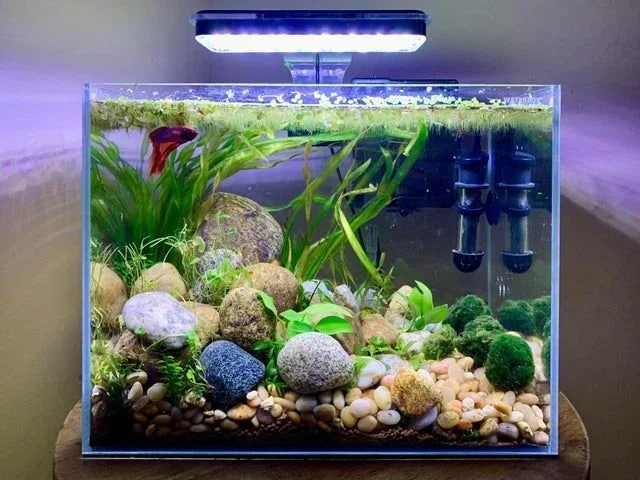
Peace lilies are often kept in the top of the tank with roots hanging down into the water. Make sure your tank is large enough for your betta to swim freely. A minimum of 5 gallons is recommended. The peace lily should sit securely at the top so roots can dangle without tangling your fish.
Monitor Root Growth
Peace lily roots can grow quite long in a fish tank. Regular trimming keeps them manageable and prevents them from becoming a breeding ground for bacteria. Trim any roots that turn brown or mushy, as these are signs of decay.
Observe Your Fish Daily
Spend a few minutes each day watching your betta. Notice its eating habits, energy levels, and interactions with the environment. Early detection of problems like fin rot or stress can save your fish’s life. If you notice excessive root eating paired with other symptoms, it may be time to adjust the tank setup or diet.
Keep the Water Clean
Peace lily roots help with water quality, but they do not replace regular maintenance. Perform weekly water changes of 20-30%. Use a gravel vacuum to remove debris from the substrate. Clean filter media monthly to keep the filtration system running smoothly.
For more tips on keeping your betta healthy and well-fed, check out our article on do betta fish eat regular fish food for guidance on proper nutrition.
Conclusion
So, do betta fish eat peace lily roots? Yes, they can and often do. But this behavior is usually harmless and stems from natural curiosity, boredom, or hunger. Peace lily roots are safe for your betta and can even benefit your aquarium by improving water quality. By providing a balanced diet, proper enrichment, and regular tank maintenance, you can keep your betta happy and your peace lily thriving.
Remember, a well-fed and stimulated betta is less likely to develop unwanted habits. Pay attention to your fish’s behavior, keep the water clean, and enjoy the beauty of a well-planted betta tank. Your fish will thank you for it.
If you want to learn more about betta fish and plant interactions, explore our other articles on betta fish diet and plant safety. Knowledge is the best tool for creating a healthy and happy home for your aquatic pets.
Frequently Asked Questions
Can betta fish eat peace lily roots and stay healthy?
Yes, betta fish can nibble on peace lily roots without any harm. The roots are non-toxic and safe for freshwater fish. However, roots do not provide significant nutrition, so they should not replace a proper diet of pellets, frozen foods, and live foods.
Why is my betta fish chewing on the peace lily roots constantly?
Constant root chewing usually signals hunger, boredom, or inadequate diet. Make sure you are feeding your betta enough protein-rich food and that the tank has plenty of enrichment. If the behavior persists, check water parameters for any imbalances that might be causing stress.
Are peace lily roots toxic to fish?
No, peace lily roots are not toxic to fish. They are considered safe for freshwater aquariums. In fact, peace lilies are popular in planted tanks because they absorb nitrates and help maintain cleaner water. Just be sure to trim any decaying roots regularly.
How often should I trim peace lily roots in a betta tank?
Trim peace lily roots every 2-4 weeks or whenever they grow too long. Remove any brown, mushy, or decaying pieces immediately. Regular trimming keeps the roots healthy, prevents bacterial growth, and reduces the temptation for your betta to chew on them excessively.
Can peace lilies and betta fish live together in the same tank?
Yes, peace lilies and betta fish can coexist beautifully. Peace lilies sit at the top of the tank with roots dangling into the water. They improve water quality and provide natural hiding spots for your betta. Just ensure the tank is at least 5 gallons and the plant is secured properly.
What should I feed my betta fish to stop it from eating plant roots?
A high-quality betta pellet should be the staple of your fish’s diet. Supplement with frozen or live foods like bloodworms, brine shrimp, and daphnia. A well-fed betta is far less likely to nibble on plant roots. Feed small amounts 2-3 times a day and remove any uneaten food promptly.