Can Koi Fish and Betta Fish Live Together
No, koi fish and betta fish cannot live together safely or humanely. Their fundamental needs are diametrically opposed: koi are large, coldwater pond fish requiring vast, cool spaces, while bettas are small, tropical, solitary fish needing warm, calm, smaller aquariums. Attempting to house them together would cause severe stress, injury, or death for one or both fish due to incompatible water conditions, drastic size differences, and conflicting social behaviors. The only responsible approach is to maintain completely separate, species-appropriate habitats.
It’s a question that often pops up in aquarium forums and pet store conversations: “Can koi fish and betta fish live together?” On the surface, it seems like a charming idea—pairing the majestic, pond-dwelling koi with the vibrant, personality-filled betta. But in reality, this combination is one of the most fundamentally flawed pairings in the fish-keeping world. It’s not just a bad idea; it’s a recipe for disaster that would compromise the health and well-being of both animals. As someone who has spent years studying fish behavior and habitat needs, I can tell you unequivocally that these two iconic species should never share the same water. Let’s break down exactly why, exploring every critical factor from water chemistry to innate behavior.
Key Takeaways
- Water Temperature Clash: Koi thrive in cold water (65-75°F/18-24°C), while bettas require warm, tropical water (78-80°F/25-27°C). A temperature suitable for one is lethal to the other.
- Extreme Size Disparity: Koi can grow over 2 feet long. Bettas max out around 3 inches. The betta would be at risk of being eaten or fatally injured by a curious or feeding koi.
- Temperament Incompatibility: Bettas are famously aggressive, territorial “fighting fish.” Koi are large, active, schooling fish that can be boisterous. Their behaviors would lead to constant conflict and stress.
- Habitat Requirements: Koi need massive, filtered outdoor ponds (minimum 500+ gallons). Bettas need heated, filtered indoor aquariums (minimum 5 gallons). There is no physical space that can properly accommodate both.
- Water Parameter Mismatch: Koi produce immense waste, requiring powerful filtration for high ammonia processing. Bettas need gentler water flow and pristine, stable parameters. The water conditions for a koi would quickly become toxic for a betta.
- Waste and Water Quality: A single koi’s biological waste load would overwhelm a betta tank, leading to toxic ammonia spikes that would kill the betta within days.
- No Safe Co-Housing Solution: There is no scenario, tank size, or filtration system that can bridge these gaps. The only ethical solution is dedicated, separate setups for each species.
📑 Table of Contents
The Great Divide: Environmental Needs
The very first and most insurmountable barrier between koi and bettas is their required environment. They come from entirely different worlds—one from the cool, expansive ponds and rivers of East Asia, the other from the warm, shallow, slow-moving rice paddies and ditches of Southeast Asia. Trying to merge these environments is like trying to keep a polar bear and a camel in the same habitat; it simply ignores the core biology of each animal.
Water Temperature: A Non-Negotiable Conflict
Temperature is the most immediate and lethal point of conflict. Koi (Cyprinus rubrofuscus) are coldwater fish. They are adapted to seasonal temperature fluctuations and thrive in water that ranges from a cool 65°F up to about 75°F (18-24°C). In winter, they can even survive near-freezing temperatures if the pond is deep enough. Their metabolism slows dramatically in cold water.
Betta fish (Betta splendens), conversely, are tropical fish. They originate from equatorial regions where water temperatures are consistently warm. They require a stable, heated aquarium between 78°F and 80°F (25-27°C). Dropping below 76°F for an extended period can suppress their immune system and lead to diseases like fin rot. Raising the temperature above 82°F can cause them distress and oxygen deprivation.
There is no overlapping “sweet spot.” A tank or pond kept at 70°F for koi would send a betta into a dangerous lethargic state. A tank kept at 79°F for a betta would be a severe thermal stressor for a koi, accelerating its metabolism, increasing its oxygen demand, and potentially leading to organ stress over time. You cannot compromise on this single factor, making shared housing impossible from the start.
Water Volume and Space Requirements
This is another chasm that cannot be bridged. Koi are large, active, and social fish that need immense space. A single adult koi requires a minimum of 250 gallons of water, but they are almost always kept in groups. A healthy, small school of koi needs a pond or tank of at least 500-1000+ gallons, with a depth of at least 3-4 feet to provide thermal stratification and predator protection. They are powerful swimmers that need room to cruise.
The betta, in stark contrast, is a relatively sedentary fish that uses the entire water column but does not require vast swimming distances. A single, properly filtered betta can thrive in a 5-gallon tank, though larger is always better. Even a 20-gallon “community” tank, which is substantial for many tropical fish, would be a tiny, stressful wading pool for a single koi. The koi would be unable to perform any natural behaviors, and its massive size would dominate and terrorize any other inhabitants.
Filtration and Water Flow
The filtration needs are dictated by the waste output, which is directly tied to size and diet. Koi are heavy, messy eaters with a high bioload. They produce copious amounts of solid and dissolved waste. A koi pond requires a powerful, multi-stage filtration system—often a combination of mechanical (to remove solids), biological (to process ammonia), and sometimes even UV sterilizers—to handle the load and keep water clear. Water flow is typically moderate to strong to aid in oxygenation and debris removal.
Betta fish, with their delicate, flowing fins and labyrinth organ (which allows them to breathe atmospheric air), prefer gentle to moderate water flow. Strong filtration currents can tire them out, damage their fins, and make it difficult for them to rest at the surface. Their bioload is very low for their size, so a gentle sponge filter or a low-flow hang-on-back filter is often sufficient for a single betta in a 5-10 gallon tank.
Installing filtration powerful enough for a koi in a betta tank would create a hurricane-like environment, stressing the betta to the point of illness. Conversely, a filter gentle enough for a betta would be utterly useless for a koi, leading to a rapid collapse of water quality in any shared system.
Size and Temperament: A Recipe for Conflict
Beyond the physical habitat, the innate behaviors and social structures of these fish are completely incompatible. This isn’t just about one being bigger; it’s about predator-prey dynamics, territoriality, and social needs that are in direct opposition.
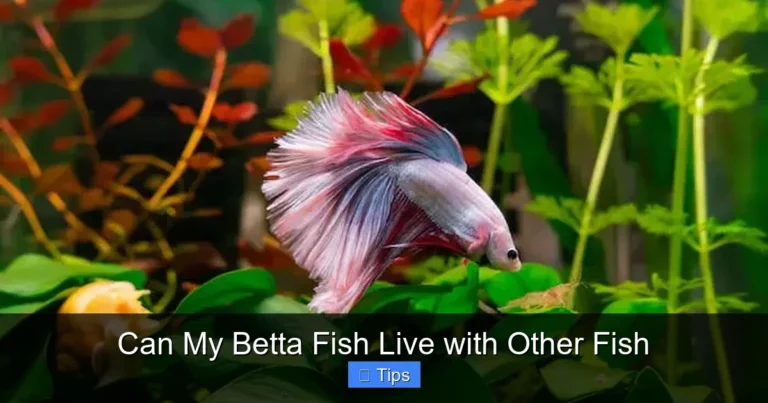
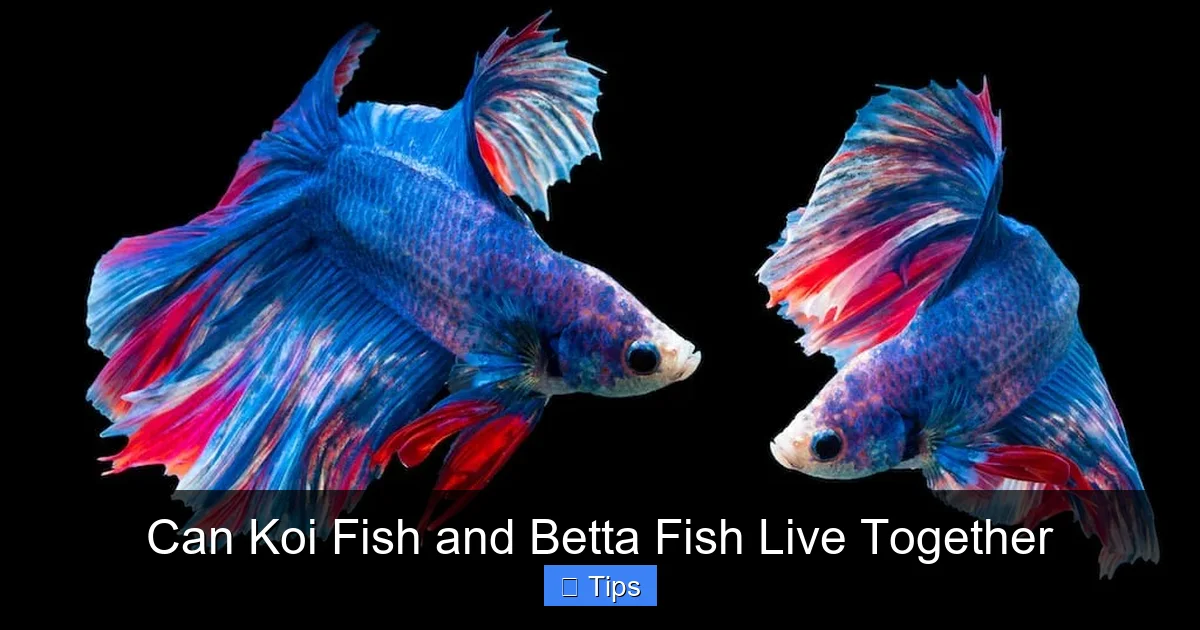
Visual guide about Can Koi Fish and Betta Fish Live Together
Image source: pickedbyfish.com
The Betta’s Aggressive Nature
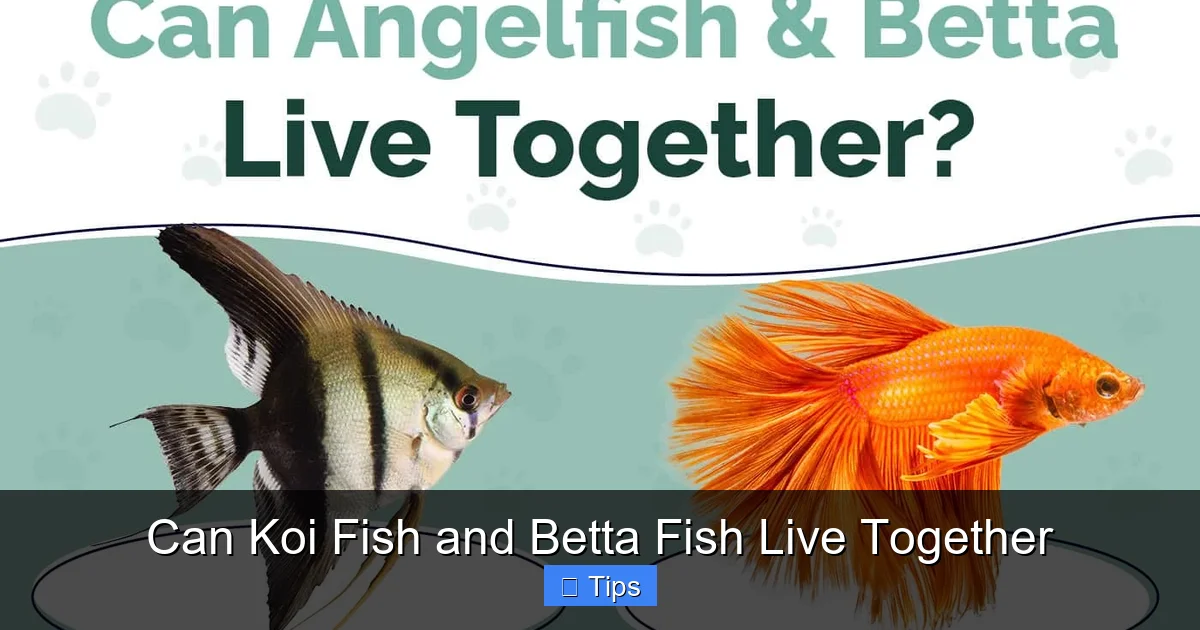
Betta fish, especially males, are famously territorial and aggressive. This is a result of centuries of selective breeding for fighting. In the wild, they defend small territories (a leaf pile or root system) from rival males. In captivity, this translates to flaring gills, attacking reflections, and harassing any fish they perceive as a threat or fancy rival—which often includes fish with long, flowing fins like fancy guppies or angelfish. A koi, regardless of its own temperament, is a massive, constantly moving object that will inevitably invade the betta’s perceived personal space. The betta will likely dart at and nip at the koi’s fins in a futile attempt to drive it away. This causes the betta immense stress and can lead to fin-nipping injuries, while doing nothing to deter the much larger koi.
The Koi’s Boisterous and Social Demeanor
Koi are, by nature, gregarious, active, and sometimes boisterous schooling fish. They are foragers, constantly rooting around the substrate for food, and they can be quite pushy at feeding time. Their size alone—often 2-3 feet long—means their every movement creates significant water displacement. A koi swimming past a resting betta would be like a bus driving past a pedestrian; the resulting wake and physical presence would be terrifying and stressful for the tiny betta. Furthermore, koi are known to be curious and may nip at anything that catches their eye, including a slow-moving, colorful betta. While not predatory in the sense of hunting fish for food, a koi’s investigative nip could easily be fatal to a betta.
The Size Difference: Predator vs. Prey Dynamic
This is the most visceral reason they cannot coexist. A full-grown koi can easily weigh 10-20 pounds or more. A betta weighs a fraction of an ounce. In the animal kingdom, such a drastic size difference almost always defines a predator-prey relationship, even if the larger animal isn’t a dedicated hunter. The koi’s mouth is large enough to engulf a betta entirely. While a well-fed koi might not see a betta as food, the risk is unacceptably high. Stress from the koi’s presence could cause the betta to dart erratically, potentially into the koi’s path. A single accidental gulp or a moment of koi curiosity could end the betta’s life instantly. There is no scenario where the betta is anything other than a vulnerable, tiny creature in a space dominated by a giant.
Tank and Pond Setup: An Impossible Compromise
Let’s imagine, for a moment, that we could find a temperature that both fish could tolerate (we can’t, but humor the thought). What would the physical setup look like? It would be an engineering nightmare that still wouldn’t work.
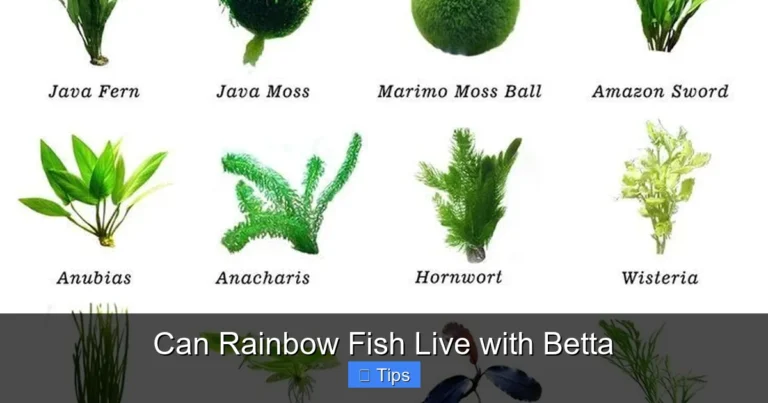
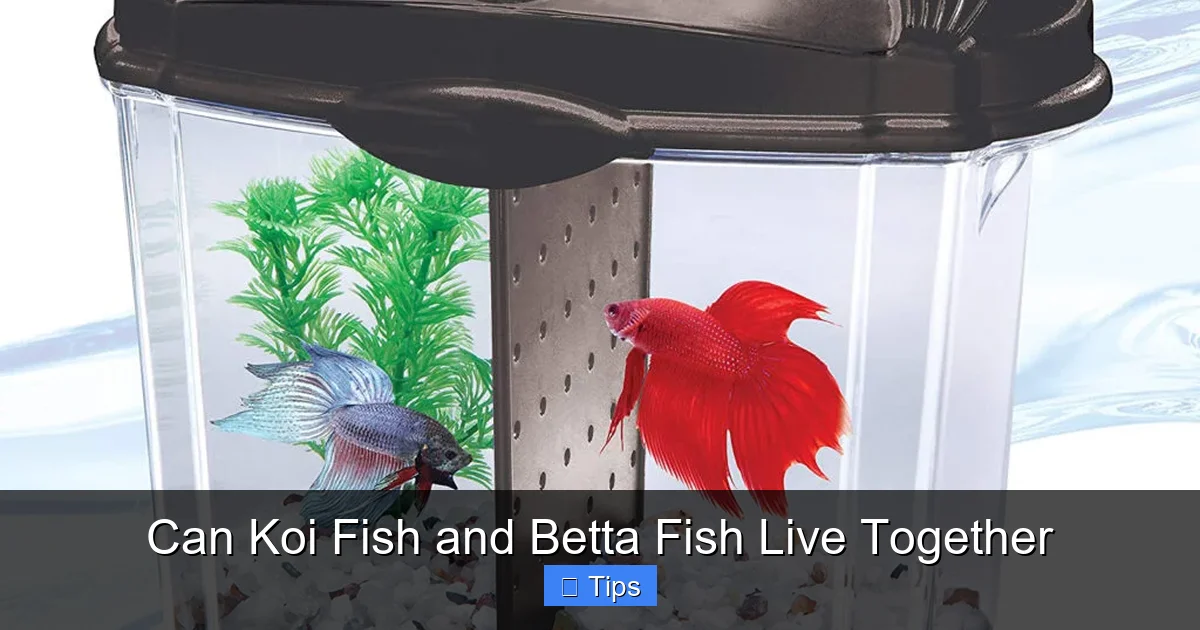
Visual guide about Can Koi Fish and Betta Fish Live Together
Image source: articles.hepper.com
The Koi’s Need for a Pond
Koi are, first and foremost, pond fish. Their requirements are rooted in outdoor systems. They need:
- Massive Volume: As stated, hundreds to thousands of gallons.
- Depth: To survive winter freezes, ponds must be deep enough (at least 3-4 feet in colder climates) so a layer of liquid water exists under the ice.
- Heavy-duty Filtration: To handle their massive waste output.
- Oxygenation: Often requiring air pumps or waterfalls.
- Sunlight: For algae growth and overall health, though with some shade.
An indoor tank for koi is a monumental undertaking, requiring a custom-built, reinforced aquarium with commercial-grade filtration and cooling systems. It is not a typical home aquarium setup.
The Betta’s Need for a Heated Aquarium
The betta’s world is the opposite:
- Small to Medium Volume: 5-10 gallons is the responsible minimum for a single male.
- Heating: A reliable aquarium heater is non-negotiable.
- Gentle Filtration: To avoid fin damage.
- Cover: To prevent jumping.
- Stable Parameters: Sensitive to rapid changes in water chemistry.
An indoor betta tank is a controlled, heated, intimate environment.
The Physical Impossibility of a Shared Vessel
To house a koi, you need a body of water the size of a small swimming pool. To house a betta, you need a vessel that fits on a sturdy table or desk. There is no overlap. A “tank” large enough for a koi (say, a 1000-gallon indoor pond) would be an impossibly expensive, space-consuming, and energy-intensive structure to heat to tropical temperatures. The energy cost alone would be astronomical. Furthermore, the sheer volume would make it impossible for the betta to find consistent food, as it would be scattered in a vast ocean. The betta would also be impossible to observe closely, defeating the purpose of keeping such an interactive fish. The koi, in a smaller “betta-sized” heated tank, would be a fish out of water—literally and figuratively—suffering from lack of space and improper temperature.
Health and Stress Risks: A Toxic Combination
Even if we suspended belief and imagined a temporary shared setup, the health consequences would be swift and severe for both fish.
Visual guide about Can Koi Fish and Betta Fish Live Together
Image source: housedpet.com
Chronic Stress and Immune Suppression
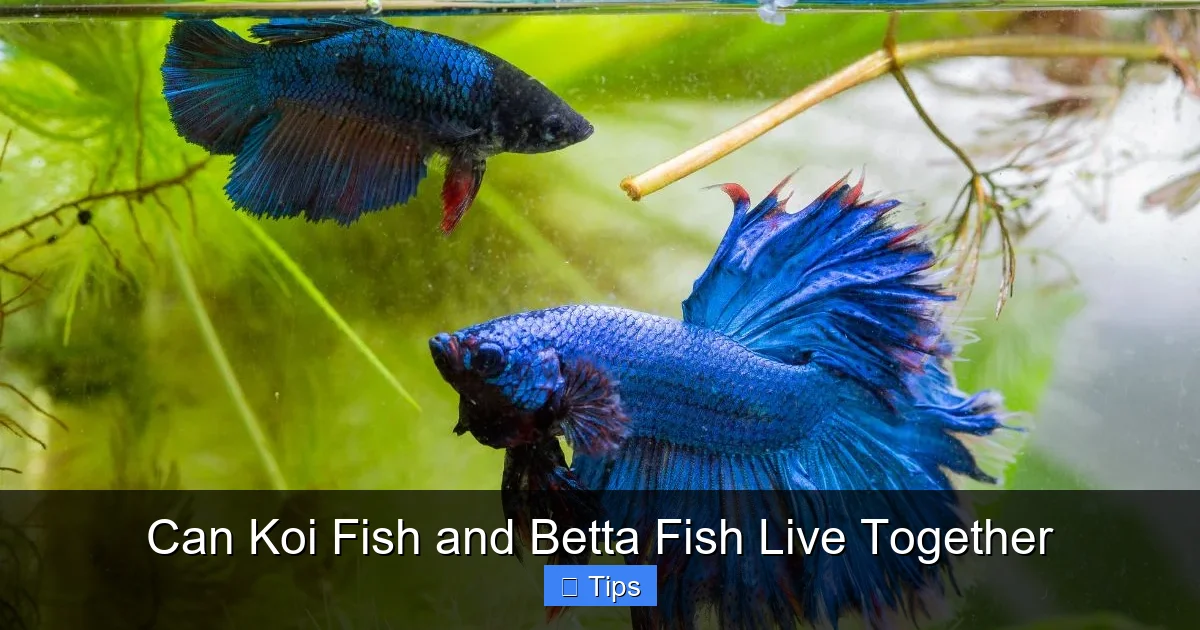
For the betta, the presence of a giant, constantly moving koi is a perpetual predator threat. This induces a chronic stress response, releasing cortisol. Prolonged stress suppresses the immune system, making the betta susceptible to a host of diseases like ich (white spot disease), velvet, fin rot, and bacterial infections. It would hide constantly, refuse to eat, and its colors would fade. Its lifespan would be drastically shortened.
For the koi, the opposite is true. The warm water it would be forced to live in is a metabolic stressor. Its immune system functions best in cooler water. In warm water, its oxygen requirements increase just as oxygen solubility in water decreases. This can lead to chronic oxygen deprivation and stress, also suppressing its immune system and making it prone to diseases like Koi Herpesvirus (KHV) or Spring Viraemia of Carp (SVC).
Water Quality Collapse
This is a technical but critical point. The nitrogen cycle is the biological process that converts toxic fish waste (ammonia) into less toxic nitrite and then nitrate. This cycle is carried out by beneficial bacteria that live on filter media and surfaces. The capacity of this bacterial colony is directly related to the tank’s size and surface area.
A koi’s waste production is enormous. A single adult koi can produce as much ammonia as dozens of small tropical fish. In a tank “sized” for a betta (say, 10 gallons), the koi’s daily ammonia output would utterly overwhelm the biological filtration within hours. Ammonia would spike to toxic levels, burning the gills of both fish. The betta, with its delicate gills and small size, would die first. The koi would soon follow from ammonia poisoning or the resulting severe stress. The idea of maintaining a stable cycle in such a mismatched system is fantasy.
Injury from Physical Interaction
As discussed, the risk of physical injury is high. A koi’s rough scale or a sudden turn could scrape or puncture the betta. A betta’s bite, while insignificant to the koi’s hide, could still cause a wound that leads to a secondary infection. During a koi’s frantic feeding dash, it could easily collide with and concuss the betta. These are not hypotheticals; they are likely outcomes in a forced cohabitation.
What Are the Alternatives? Creating Happy, Separate Homes
The good news is that both koi and bettas are fantastic fish to keep—they just need the right homes. The solution isn’t to mix them, but to provide excellent, species-specific care for each.
The Betta’s Ideal Home
For your betta, aim for a minimum 5-gallon heated and filtered aquarium. This is the baseline for a healthy, thriving betta. Provide:
- Heater: Maintain 78-80°F (25-27°C) with a reliable, adjustable heater.
- Gentle Filter: A sponge filter is ideal. If using a hang-on-back, baffle the flow with plants or decorations.
- Secure Lid: Bettas are expert jumpers.
- Hiding Spots: Live or silk plants, caves, and driftwood to provide security and break line of sight.
- Water Changes: Weekly 25-50% changes to maintain pristine water quality.
If you want a community tank for your betta, research very carefully. Suitable tank mates are generally small, peaceful, fast-swimming fish that won’t nip fins and can tolerate the warm water—like certain tetras (neon, ember), rasboras (harlequin), or corydoras catfish. Always introduce tank mates to a betta’s established tank, never the other way around, and have a backup plan. For comprehensive guidance on betta care and compatible species, dedicated resources like betta fish information hubs are invaluable.
The Koi’s Ideal Home
Koi belong in a properly constructed outdoor pond. This is non-negotiable for their welfare. Key elements include:
- Size: Minimum 500 gallons, with 1000+ being ideal for a small school.
- Depth: At least 3-4 feet in climates with freezing winters.
- Filtration: A robust system sized for the total bio-load, often combining a biological filter with a solids-handling filter like a bead filter.
- Aeration: Air pumps, waterfalls, or fountains to maintain high oxygen levels.
- Protection: Netting to deter herons and other predators.
- Plants: Both submerged (oxygenating) and marginal plants for filtration and shade.
Koi are social and should be kept in groups of at least 3-5. They are a long-term commitment, often living 20-30 years or more. Their pond becomes a living ecosystem, not just a tank.
The “What If” Scenarios: Why They All Fail
Let’s address the common hypotheticals:
- “But what about a massive, heated indoor koi pond with a betta in a separate heated quarantine tank inside it?” This is two separate systems. The betta’s tank is its home; the koi’s pond is its home. They are not living together. The betta’s tank water is not circulating into the koi pond. This is the only safe interpretation of “together,” but it’s not cohabitation.
- “What about a baby koi (koi fry) and a betta?” Koi fry grow rapidly. Even a small koi fry is a large mouth compared to a betta. The betta would likely see the fry as food and eat them, or the fry, if large enough, might harass the betta. It’s still a profound mismatch.
- “Can I keep them in separate compartments of the same tank?” No. Water parameters (temperature, chemistry) and flow would still need to be identical throughout the system. You cannot have one side at 70°F and the other at 79°F in a connected body of water. The divider would also not stop water flow, waste dispersal, or the koi’s visual presence, which would still stress the betta.
Conclusion: Respecting Their Differences
The question “Can koi fish and betta fish live together?” is ultimately a question about understanding and respecting the natural design of animals. Koi and bettas are not just different sizes; they are products of entirely different evolutionary paths, adapted to wildly distinct ecosystems. The koi is a heavyweight, coldwater cruiser of vast, open ponds. The betta is a tropical, territorial jewel of the shallow, warm, vegetated tropics.
Forcing them into the same water ignores these realities and guarantees suffering. The betta would live in a state of terrified stress, its health deteriorating rapidly. The koi would suffer from improper temperature and likely poor water quality in any system small enough to be considered for a betta. There is no compromise, no clever hack, no tank size that makes this a viable or ethical choice.
The joy of fishkeeping lies in creating a thriving slice of nature that meets your pet’s specific needs. For the betta, that’s a beautifully planted, warm, and calm nano-aquarium. For the koi, it’s a serene, spacious, filtered outdoor pond with the seasons changing overhead. Embrace these differences. Set up the proper habitat for the fish you choose, and you will be rewarded with years of vibrant health and fascinating behavior from each, in their own perfect world. Keep them separate, keep them happy.
Frequently Asked Questions
Can a betta fish kill a koi?
No, a betta is physically incapable of killing a healthy adult koi due to the vast size difference. However, the betta’s constant nipping and harassing can cause significant stress and minor injuries to the koi, potentially leading to secondary infections.
What if I only have a very large, heated indoor pond?
Even in a very large, heated indoor pond sized for koi (500+ gallons), the environment would still be wrong for a betta. The water volume would be too vast for the betta to find consistent food or feel secure, the filtration flow would likely be too strong, and the temperature would be wrong (too cool). It would be a poor and stressful life for the betta.
Are there any fish that can live with koi?
Koi are generally best kept in single-species ponds. They are large, messy, and can outcompete or intimidate most other fish. Very large, robust, coldwater fish like certain types of goldfish (comets, commons) or other carp species are the only potential, but still not ideal, companions due to similar needs and waste production.
What are the best tank mates for a betta fish?
The best tank mates for a betta are small, peaceful, fast-swimming schooling fish that occupy different areas of the tank. Good options include neon tetras, ember tetras, harlequin rasboras, and corydoras catfish. Always use a tank of at least 10 gallons for a community and introduce the betta last. Avoid fish with long fins or bright colors that may trigger the betta’s aggression.
Can koi and betta be in the same water system but separated by a solid barrier?
No. Water parameters (temperature, pH, ammonia levels) and flow will equalize across the barrier. The koi’s waste will quickly pollute the betta’s side, and the betta will still see and be stressed by the massive koi on the other side. A solid divider does not create two separate ecosystems; it creates one compromised system for both fish.
What is the single biggest reason they cannot live together?
The single biggest reason is the irreconcilable water temperature requirement. Koi need cold water (65-75°F) and bettas need warm water (78-80°F). There is no overlap. A temperature that is healthy for one is actively harmful or lethal to the other, making any shared environment fundamentally unsuitable for at least one of the species.