Do Betta Fish Eat Live Plants
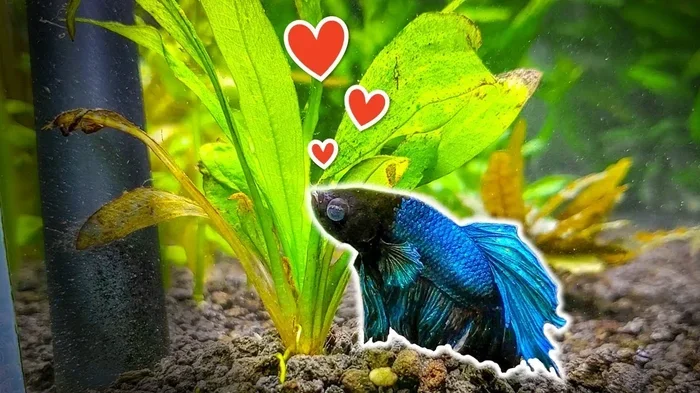
Do betta fish eat live plants? The short answer is yes, they sometimes do, but not all plants are at risk. Bettas are curious eaters that may nibble on certain live plants, especially when they are hungry or bored. Understanding your betta’s diet and choosing the right aquarium plants keeps both your fish and plants happy and healthy.
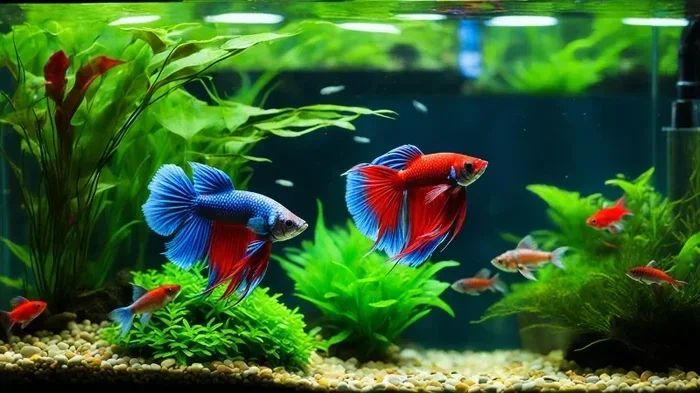
Do betta fish eat live plants? If you are a betta fish owner who loves the idea of a lush planted tank, this question probably keeps you up at night. You want a beautiful aquarium, but you also want your plants to survive. The truth is, bettas and live plants can coexist, but it takes some know-how. In this guide, we will walk you through everything you need to know about betta fish eating live plants, which plants are safe, and how to set up a thriving tank that looks amazing.
Betta fish are natural explorers. They are curious creatures that like to poke around, nibble, and investigate everything in their environment. This behavior is perfectly normal. However, it does mean that your live plants might not be completely safe. The good news is that with the right plant choices and a proper feeding routine, you can enjoy both beautiful greenery and a happy betta. Let us dive into the details.
Key Takeaways
- Bettas may nibble live plants: They are curious fish that sometimes eat plant matter, especially soft-leaved varieties.
- Not all plants are safe: Some live plants are safe for bettas, while others may be damaged or eaten entirely.
- Diet plays a big role: A well-fed betta is less likely to eat your live plants out of hunger or boredom.
- Java moss and Anubias are great choices: These hardy plants are typically safe and betta-resistant.
- Plant roots can attract bettas: Bettas often explore plant roots, which may lead to nibbling or uprooting.
- Tank setup matters: Proper planning prevents plant destruction and keeps your betta entertained.
📑 Table of Contents
- Do Betta Fish Eat Live Plants?
- Which Live Plants Are Safe for Betta Fish?
- How to Prevent Your Betta From Eating Live Plants
- Do Betta Fish Eat Aquatic Plants Regularly?
- Benefits of Live Plants in a Betta Tank
- Common Mistakes Fish Owners Make with Live Plants and Bettas
- Expert Tips for a Planted Betta Tank
- Final Thoughts
Do Betta Fish Eat Live Plants?
The answer is yes, sometimes. Betta fish do eat live plants, but it is not something they do all the time. Most bettas prefer a protein-rich diet, and they are naturally carnivorous. However, they will occasionally nibble on soft plant leaves, especially if they are bored or not getting enough to eat. This behavior is more common than most fish owners realize.
When a betta eats a live plant, it is usually not because the plant is its favorite food. Instead, it is often a sign of curiosity or a missing nutrient in their diet. Some bettas gently nibble on plant leaves as a way to explore their surroundings. Others may tear off small pieces of soft-leaved plants simply because they can.
Why Do Betta Fish Nibble on Plants?
There are several reasons why your betta might be chewing on your live plants. Understanding these reasons can help you prevent plant damage and keep your fish healthy.
- Boredom: Bettas are intelligent fish. If their tank is too simple, they may nibble on plants just to pass the time.
- Hunger: If you are not feeding your betta enough, it may turn to plants as a food source.
- Curiosity: Bettas explore their world by tasting and touching things. Plant leaves are no exception.
- Nutrient deficiency: A diet lacking certain nutrients can drive bettas to seek out plant matter.
- Natural instinct: In the wild, bettas eat small insects, larvae, and sometimes plant matter found in their habitat.
If you notice your betta consistently eating your plants, it is worth reviewing your feeding schedule and tank setup. A well-fed betta with plenty of enrichment is far less likely to snack on your greenery.
Which Live Plants Are Safe for Betta Fish?
Not all plants are created equal when it comes to living with bettas. Some plants are tough enough to survive even the most curious betta. Others are so delicate that a single nibble can destroy them. Choosing the right plants is essential for a peaceful planted tank.
Best Live Plants for Betta Tanks
Here are some live plants that are generally safe and can coexist well with betta fish:
- Java Moss: This plant is incredibly hardy and grows slowly. Bettas are less likely to eat java moss because it has a rough texture. Many betta owners use java moss as a floating plant or a carpet plant. Learn more about bettas and java moss here.
- Anubias: Anubias plants have thick, tough leaves that are difficult for bettas to tear. They come in many varieties and are perfect for mid-ground or background placement.
- Amazon Sword: This larger plant has broad, sturdy leaves. It grows well in betta tanks and provides excellent coverage.
- Java Fern: Java fern is another tough plant that bettas rarely bother. It attaches to rocks and driftwood, making it a versatile choice.
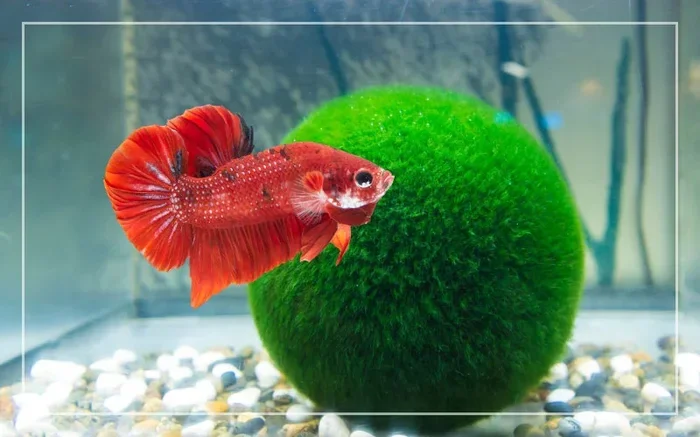
- Marimo Moss Balls: These are not actually plants but algae balls. They are safe, fun, and bettas love to play with them. Check out our guide on bettas and marimo balls.
Plants to Avoid in Betta Tanks
Some plants are not a good fit for betta tanks. These plants may be too delicate, too fast-growing, or simply too tempting for your betta to resist.
- Delicate floating plants: Plants with thin, soft leaves are easy targets for betta nibbling.
- Plants with edible roots: Some plants have roots that bettas find irresistible. If you are wondering about this, you might want to check our article on whether bettas eat plant roots.
- Very small or fragile plants: These can be destroyed quickly by an active betta.
How to Prevent Your Betta From Eating Live Plants
Prevention is always better than cure. If you want your live plants to thrive alongside your betta, there are several strategies you can use. These tips will help you maintain a beautiful planted tank without constantly worrying about plant damage.
Feed Your Betta Properly
The number one reason bettas eat plants is hunger or nutritional deficiency. Make sure you are feeding your betta a balanced diet. High-quality betta pellets should be the staple of their diet. You can also offer variety with live bloodworms or live brine shrimp a few times a week.
A well-fed betta is a happy betta. When their dietary needs are met, they are far less likely to snack on your plants out of hunger or boredom.
Choose the Right Plants
As mentioned above, selecting hardy plants is key. Avoid soft-leaved or delicate plants if your betta is known to be a nibbler. Instead, opt for tough plants like Anubias, Java Fern, or Java Moss. These plants can withstand some gentle exploration without being destroyed.
Add Enrichment to the Tank
Bettas get bored easily. If their tank lacks stimulation, they will find their own entertainment. Adding caves, driftwood, and plenty of plants can keep your betta engaged. Some owners even add betta hammocks or mirrors (temporarily) to give their fish something to explore.
Use Plant Anchors and Weights
If your betta keeps uprooting plants, try using plant weights, anchors, or planting them in pots. This makes it harder for your betta to dig them up and eat the roots or leaves.
Do Betta Fish Eat Aquatic Plants Regularly?
In most cases, bettas do not eat aquatic plants regularly. Their diet in the wild consists mainly of insects, larvae, small crustaceans, and other tiny creatures. Plant matter is a small part of their natural diet. However, in a home aquarium, bettas may eat plants more often simply because the plants are always there and easily accessible.
Some betta owners report that their fish eat plants more during certain seasons or when the water temperature drops. This behavior is similar to how bettas eat less in winter. If you notice increased plant nibbling, it could be related to changes in your betta’s environment or metabolism.
For more information on bettas and their eating habits, check out our article on whether bettas eat aquatic plants.
Benefits of Live Plants in a Betta Tank
Even though there is a risk of your betta eating your plants, live plants offer many benefits that make them worth the effort. Here are some of the top advantages of adding live plants to a betta tank:
- Improved water quality: Live plants absorb nitrates and other toxins, keeping the water cleaner for your betta.
- Natural hiding spots: Plants provide cover and hiding places that reduce stress in bettas.
- Oxygen production: Plants release oxygen into the water, which benefits your fish.
- Aesthetic appeal: A planted tank looks beautiful and creates a natural, calming environment.
- Algae control: Live plants compete with algae for nutrients, helping to keep algae growth under control.
- Enrichment: Plants give your betta something to explore and interact with, reducing boredom.
The benefits of live plants far outweigh the risks of occasional nibbling. With the right plant choices and a proper setup, you can enjoy a lush, green tank that both you and your betta will love.
Common Mistakes Fish Owners Make with Live Plants and Bettas
Even experienced fish owners sometimes make mistakes when combining live plants with bettas. Here are some common pitfalls to avoid:
- Choosing the wrong plants: Not all plants are suitable for betta tanks. Research each plant before adding it to your aquarium.
- Overfeeding: While underfeeding can lead to plant nibbling, overfeeding causes other health problems. Feed your betta small amounts once or twice a day.
- Ignoring water quality: Poor water quality stresses bettas and can lead to unhealthy eating habits. Test your water regularly.
- Placing plants too close to the filter: Strong currents can uproot plants and stress your betta. Position plants away from powerful filter outputs.
- Not trimming plants: Overgrown plants can crowd the tank and create dead zones where waste builds up. Regular trimming keeps your tank healthy.
Avoiding these mistakes will help you create a thriving environment for both your betta and your live plants.
Expert Tips for a Planted Betta Tank
Want to take your planted betta tank to the next level? Here are some expert tips from experienced aquarists:
- Start with easy plants: If you are new to planted tanks, begin with low-maintenance plants like java moss or Anubias. These plants are forgiving and hard to kill.
- Use a nutrient-rich substrate: A good substrate provides essential nutrients that help plants grow strong and healthy.
- Add CO2 if possible: CO2 injection can dramatically improve plant growth, but it is not strictly necessary for a basic betta tank.
- Monitor your betta’s behavior: Watch how your betta interacts with the plants. If it shows excessive interest in eating them, adjust your feeding routine or plant choices.
- Keep a consistent lighting schedule: Plants need light to grow. A timer set to 8-10 hours of light per day is ideal for most planted betta tanks.
Final Thoughts
So, do betta fish eat live plants? Yes, they can and sometimes do. But with the right approach, you can create a beautiful planted tank that both you and your betta will enjoy. Choose hardy, betta-friendly plants like Java Moss, Anubias, and Java Fern. Feed your betta a balanced diet to reduce the urge to nibble on plants. And add plenty of enrichment to keep your fish happy and stimulated.
Remember, a well-cared-for betta is less likely to eat your plants. Focus on giving your fish the best possible life, and your live plants will thrive alongside your colorful companion. Happy fishkeeping!
Frequently Asked Questions
Do all betta fish eat live plants?
Not all bettas eat live plants. Some bettas show no interest in plants at all, while others are curious nibblers. It depends on the individual fish, its diet, and the types of plants in the tank. Providing a balanced diet reduces the chance of plant nibbling.
Can betta fish eat plant roots?
Yes, bettas sometimes eat plant roots, especially if they are hungry or curious. Soft-rooted plants are more vulnerable. If you are concerned about root eating, consider planting your plants in pots or using root anchors to protect them.
What is the best live plant for a betta tank?
Java Moss and Anubias are widely considered the best live plants for betta tanks. They are hardy, difficult to eat, and thrive in the warm, low-light conditions that bettas prefer. Both plants also help improve water quality.
Will live plants harm my betta fish?
Generally, no. Most live plants are safe and beneficial for bettas. They improve water quality, provide hiding spots, and create a natural environment. Just make sure the plants you choose are non-toxic and suitable for freshwater aquariums.
How often should I feed my betta to prevent plant nibbling?
Feed your betta small amounts once or twice a day. A well-fed betta is less likely to nibble on plants. If you notice plant nibbling, try offering a varied diet with live or frozen foods like bloodworms or brine shrimp to satisfy their natural hunting instincts.
Can bettas live with fast-growing plants?
Yes, bettas can live with fast-growing plants, but be prepared for some nibbling. Fast-growing plants like hornwort can recover quickly from damage. However, if your betta is a heavy nibbler, you may want to stick with slower-growing, tougher plants like Anubias or Java Fern.
=== CONCLUSION ===
Do betta fish eat live plants? The answer is yes, but it is manageable with the right approach. By choosing hardy plants, feeding your betta properly, and enriching their tank environment, you can enjoy a stunning planted aquarium without constant worry. Your betta will thrive, and your plants will stay beautiful. Start with the tips in this guide and watch your betta tank come to life.