User Safety safe
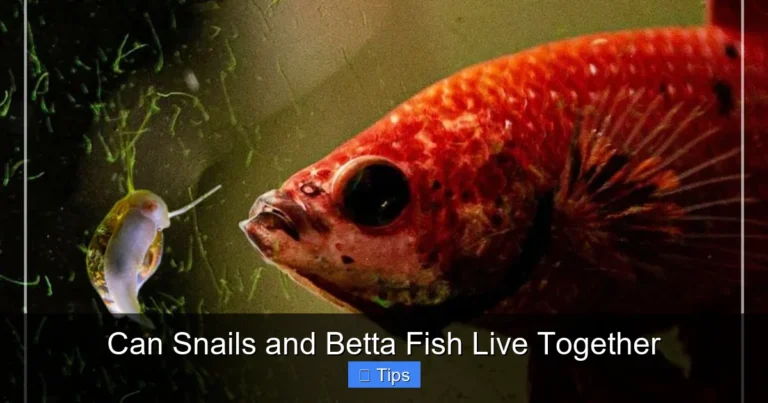
Can you put a sucker fish with a betta? Yes, but with careful planning. Betta fish demand spacious tanks and specific water conditions, while sucker fish prefer dense vegetation and grouped housing. These differing needs can cause tension if not managed properly. By understanding temperaments, setting appropriate habitats, and watching for behavioral shifts, you can create a safe environment where both species flourish harmoniously. This guide outlines the essential steps to achieve such a peaceful coexistence.
Can you put a sucker fish with a betta? Absolutely – but only under certain conditions. This guide breaks down everything you need to know about mixing these two popular freshwater species safely. We’ll explore compatibility, potential conflicts, and how to ensure your betta and sucker fish thrive together without stress. From water parameters to temperament differences, discover the key factors that determine whether this pair works in your home aquarium. Below, we dive deep into the specifics of managing this dynamic combination.
### Understanding Betta and Sucker Fish Basics
A betta splendor is unique among freshwater fish. Males develop those iconic flowing fins and display aggressive behaviors during breeding season. They typically inhabit smaller tanks, making them excellent candidates for community setups. Despite their reputation for fighting, many bettas coexist peacefully with different companions when given proper space. On the other hand, sucker fish belong to the family Corycephalidae and include species like the Amazon drunkenmaw and congo tetras. Unlike bettas, suckers usually live in larger groups called schools and prefer deeper, more planted environments. Their name comes from their ability to attach to surfaces using suctorial lips, which is helpful for finding food but requires specific tank conditions. Understanding these fundamental characteristics is the first step toward successful integration.
### Can You Put a Sucker Fish with a Betta? The Short Answer
Yes, you can place a sucker fish with a betta, but it requires careful consideration. The core issue isn’t whether the two species hate each other – it’s whether their biological needs align. Most experts recommend starting with caution and observing closely before permanent cohabitation. Think of your betta as a confident leader who needs plenty of room to breathe. In contrast, suckers are more social creatures that prefer crowded environments. If you cram too many suckers together with one dominant betta, aggression will inevitably arise. Proper planning changes that outcome dramatically. This direct answer sets the foundation for understanding why some combinations succeed while others struggle.
When considering compatibility, remember that both fish share common requirements like warm water temperatures and moderate lighting. However, their stressors differ significantly. A sudden change in water parameters or an unexpected visitor can trigger defensive responses from either species. Therefore, preparation goes beyond simply buying the fish – it involves designing an optimal habitat that supports each companion’s natural tendencies.
### Temperament and Behavior Differences
Recognize that betta aggression peaks during the early morning hours. Providing hiding spots helps reduce tension considerably. When a new sucker joins, give the resident betta time to assess the situation. Often, the fish simply ignore each other until the suitability becomes obvious through observation. Understanding these behavioral patterns is vital for preventing accidental injuries.
On the opposite end, sucker fish are generally docile and curious. They rarely show aggression toward larger predators but may nibble on fins if truly stressed. Their social nature makes them ideal for group settings, yet even within schools, hierarchy exists. If introduced incorrectly, this subtlety can mask underlying discomfort. Watching body language serves as an early warning system – flattened fins and rapid darting indicate fear, while relaxed posture signals acceptance.
### Setup and Environment Considerations
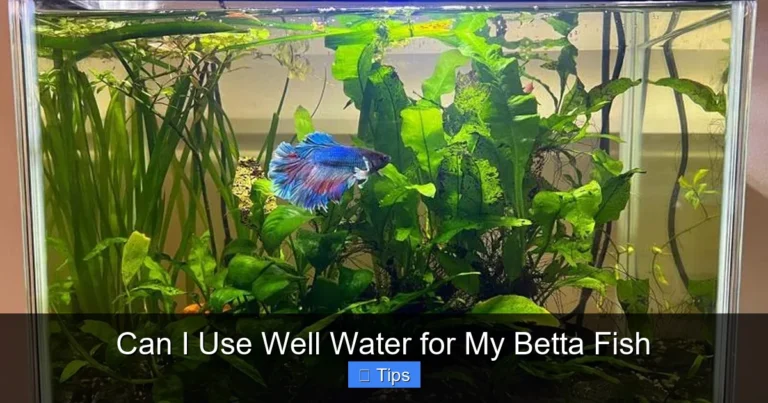
This section details physical tank requirements. A minimum of 20 gallons is advisable for a betta plus sucker duo. The water must support both species’ health – moderate flow, decent filtration, and stable parameters. Suckers often hide in plants, so lush growth benefits both groups simultaneously. Properly designed habitats reduce uncertainty for both fish, leading to fewer stress-induced outbreaks.
Temperature consistency matters enormously. Fluctuating heat stresses both species differently. A heater set to 76°F provides stability for the betta‘s fin development and suits most sucker varieties. Additionally, consider the nitrogen cycle maturity. Since sucker fish filter feed heavily, the substrate must allow sufficient aeration without trapping detritus. Regular maintenance routines protect the entire ecosystem, creating a sanctuary where diversity thrives.
| Habitat Factor | Betta Requirement | Sucker Requirement |
|—————-|——————-|———————|
| Tank Volume | 20+ gallons | 10-15 gallons |
| Temperature | 74-78°F | 72-80°F |
| Filtration | Moderate | Heavy plant-based |
### Signs Your Betta and Sucker Are Not Compatible
Watch for warning signals carefully. If your betta stops eating or shows lethargy after introduction, the bond is broken. Conversely, if the sucker displays persistent hiding or erratic swimming patterns, its environment may be unsuitable. These symptoms often stem from unmet needs rather than inherent incompatibility.
Learning these cues early prevents long-term suffering. Document daily observations and consult experienced aquarists if conflicts persist. Early intervention saves both fish emotional well-being and reduces the likelihood of permanent separation. Remember, patience is essential when establishing new relationships in the underwater world.
### Best Practices for Successful Coexistence
Follow these proven steps to foster harmony. Begin with gradual acclimation – float the sucker fish in the betta‘s tank for several hours before closing the lid. Monitor interactions daily for the first week to identify any emerging tensions. If initial meetings seem uneasy, maintain distance until trust builds naturally.
Never place a sucker directly inside the same corner as the betta immediately. Give them separate territories until confidence develops fully. Once stable, you can introduce them side-by-side in the center of the tank. Consistency in feeding schedules further reassures both species of routine security. Each meal should be divided evenly to prevent resource competition.
Regular maintenance ensures balanced living conditions. Perform weekly partial water changes and check equipment function diligently. Clean plant debris regularly to mimic natural feeding opportunities that benefit both predators and prey. These habits create a predictable environment where neither fish feels threatened by the other.
## FAQs
Question? Can I keep a sucker fish alone in a small tank with a betta?
Single sucker fish can survive in a compact tank alongside one betta, though the dominant fish may compete for limited resources. While possible, this arrangement increases stress risk compared to larger setups. Ideally, provide the betta with adequate territory while ensuring the sucker always has access to food without feeling overshadowed.
Question? What happens if a betta bull fights a female sucker?
Male bettas are territorial and will defend their space aggressively. Female suckers typically lack combat instincts but may be injured or expelled if challenged. Such confrontations often result in visible wounds or loss of territory, spreading potential infections. Always supervise initial introductions to prevent violent escalation.
Question? How often should I test water params for this combo?
Test water quality at least once a week. Check ammonia, nitrite, and nitrate levels consistently. Target values remain similar to general betta care – low ammonia (below 0.02 ppm), zero nitrites, and nitrates below 40 ppm. Stable parameters prevent undetected health crises that could destabilize the entire community.
Question? Are there specific types of sucker fish better for bettas?
Smaller, calmer species like the dwarf ramshorn or neon sucker tend to get along better. Avoid large aggressive suckers that may challenge the established betta‘s dominance. Match size preferences and temperamental dispositions for the highest chance of peaceful coexistence.
Question? Should I separate them entirely if they don’t get along?
If compatibility remains poor after thorough observation, separating the tanks temporarily is wise. Sometimes giving them weeks to adjust can improve outcomes significantly. Prolonged isolation allows both species to process separation independently before attempting reunification later.
Question? What signs indicate stress in either fish?
Stressed bettas flair gills continuously and lose vibrant coloration. Stressed suckers hide excessively or exhibit erratic swimming patterns. Look for reduced appetite, lethargy, or skin lesions across both individuals as reliable indicators of environmental distress.
Key Takeaways
- Point 1: Research temperament traits of both species before combining
- Point 2: Minimum tank capacity of 20 gallons recommended for stability
- Point 3: Start with gradual introduction to minimize stress
- Point 4: Consistent water testing maintains health for sensitive crossovers
- Point 5: Monitor behavior daily for early conflict detection
- Point 6: Prioritize the betta’s needs as they often drive group dynamics
Frequently Asked Questions
What is can you put a sucker fish with a betta?
can you put a sucker fish with a betta is an important topic with many practical applications.