Can You Put a Male Betta With Other Fish Together Safely

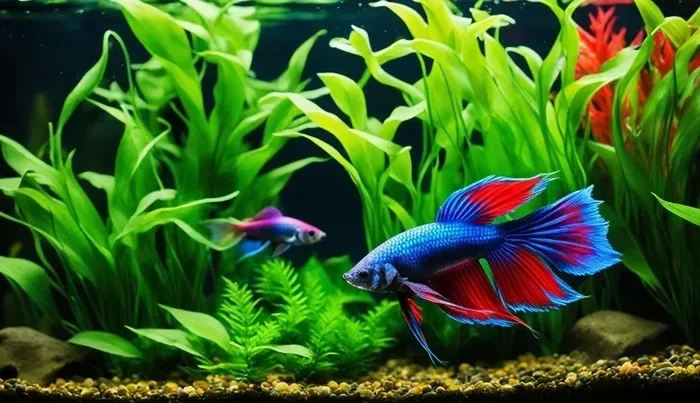
Can you put a male betta with other fish? Yes, but only in a spacious, warm, fully cycled tank with calm and compatible fish. A 10-gallon tank is the bare minimum for a mixed setup, while a 20-gallon long is often safer. You will learn which tankmates work, which ones to avoid, and how to add new fish with less stress.
Many people keep male bettas alone. That can be a good choice. A solo betta may be calm, safe, and easy to care for. A fish that lives alone is not always sad.
But some males do well with tankmates. If you have asked, can you put a male betta with other fish, the answer is a careful yes. The tank, the fish, and the plan all matter.
This guide shows you how to read your betta, pick peaceful fish, set up enough room, and add new tankmates slowly. You will also learn when a solo tank is the kindest choice.
Key Takeaways
- Short answer: A male betta can live with other fish, but success depends on his personality.
- Tank size: Use at least 10 gallons for a small community. A 20-gallon long is better.
- Best choices: Small schooling fish, nerite snails, and some bottom dwellers may work well.
- Fish to avoid: Skip fin nippers, goldfish, aggressive cichlids, and other male bettas.
- Safe setup: Provide warm water, a gentle filter, live plants, and plenty of hiding places.
- Slow introductions: Quarantine new fish and add them one group at a time.
- Have a backup plan: Keep a spare tank ready in case betta aggression starts.
📑 Table of Contents
Can You Put a Male Betta With Other Fish? The Honest Answer
Yes, sometimes. A male betta can live in a community tank, but no fish list can promise peace. Bettas are bold and very individual. One male may ignore fish. Another may guard every leaf, cave, and swim lane.
The aim is not to force a betta to share. The aim is to meet his needs and the needs of every tankmate. A guide to putting other fish with a male betta can help you compare options, but your fish sets the final limit.
Read your betta first
Before you buy, watch how your betta acts. Past behavior is the best clue.
- He has nipped fins or chased fish before.
- He flares at every moving shadow.
- He guards the whole tank.
- He hides when the room is busy.
- His tank is too small for extra fish.
If you see two or more signs, keep him alone. A calm solo home is far better than a tank with daily fights.
Give the tank enough room
A five-gallon tank can suit one betta. It is not a good community tank. For a male betta and a small group of fish, 10 gallons is the bare minimum. A 20-gallon long is much better because it has more floor space and swim room.
More water also helps keep waste diluted. Do not add extra fish to fix aggression. Crowding raises stress and makes water harder to keep safe.
Match basic water needs
Choose fish that like warm, calm freshwater. A temperature near 78°F works for many bettas and tropical tankmates. Keep ammonia and nitrite at zero. Keep nitrate low with a cycled filter and weekly water changes. A stable pH is better than a perfect pH that keeps shifting.
Best Tankmates for a Male Betta
Good male betta tankmates should be calm, small, and hard to mistake for a rival. They should also share the same water range. Give each species its proper group size. One tetra is not a school, and a lone bottom fish can feel exposed.
Small schooling fish
Small schooling fish can work when the tank is large enough. Keep at least six, though eight or more is often better. For more help, read about schooling fish with a betta before you choose a group.
| Tankmate | Group Size | Better Tank Size | Main Care Note |
|---|---|---|---|
| Ember tetra | 8 or more | 10 gallons minimum | Tiny with soft fins; keep in a group |
| Harlequin rasbora | 6 or more | 10 gallons minimum | Active fish that needs swim room |
| Neon or cardinal tetra | 6 or more | 20 gallons is better | Often does best in a larger school |
| Small corydoras | 6 or more | 20 gallons | Warm-water bottom dwellers; use soft sand |
| Kuhli loach | 5 or 6 or more | 20 gallons | Needs sand, hides, and a tight lid |
| Otocinclus | 6 or more | 20-gallon mature tank | Sensitive fish that needs algae and biofilm |
Neon tetras and rasboras need room to swim as a group. Corydoras and kuhli loaches are bottom dwellers, so they need a wide tank. Otocinclus need an established tank and are not a quick fix for algae.
Snails and shrimp
A nerite snail is often a safer pick than shrimp. It has a hard shell and stays small. Add one to a 10-gallon tank or larger. Learn more before adding a snail to a betta tank, since snails still make waste and need the right water.
Amano shrimp may work, but some bettas nip them. Cherry shrimp are small and may become a snack. Give any shrimp moss, caves, and other hiding places. No snail, fish, or shrimp can replace water changes.
Three practical stocking examples
Here are three sensible starter setups:
- A 20-gallon long with a male betta, eight ember tetras, one nerite snail, and live plants.
- A 20-gallon long with a male betta, seven harlequin rasboras, six small corydoras, and a gentle filter.
- A calm male in a 10-gallon tank with six ember tetras and one nerite snail. Stop there and watch his behavior.
These are examples, not fixed recipes. Fish size, filter strength, plants, and weekly water changes all affect the total waste load. Start light. You can always add less, but you cannot undo a fight.
Fish and Tank Pets to Avoid
Some fish are risky even when a shop calls them peaceful. Others need water that does not match a betta’s warm freshwater home.
Fin nippers and bold fish
- Tiger barbs and serpae tetras may nip fins.
- Dwarf gouramis and paradise fish can act like rival bettas.
- African cichlids are too rough and need different water.
- Goldfish need cooler water and make a lot of waste.
- Large or very fast fish can stress a slow betta.
A fish can be healthy and still be the wrong fit. Match both water needs and behavior.
Bright, flowing fish that may trigger betta aggression
Male guppies, Endler’s livebearers, fancy platys, and swordtails can also be risky. Their bright colors and flowing tails may trigger betta aggression. Some calm males ignore them, but the risk is higher in a small tank. If you try this mix, use a large tank and pick plain, short-finned fish instead.
Other bettas are not community tankmates
Two male bettas should never share a display tank. They may fight until one fish is badly hurt. A male and female should only meet for expert breeding, and only with a backup plan. They should not live together as normal tankmates. A female betta is not a cure for a lonely male.
When alone is the kinder choice
If your betta chases every fish, bites fins, or blocks all food, end the experiment. Move the fish at once. A solo betta with heat, clean water, plants, and toys is not sad. Peace is better than a perfect species list.
Set Up a Peaceful Male Betta Community Tank
Start with the right gear
Use the largest tank you can. A 20-gallon long is ideal for many community setups. A 10-gallon tank is the lowest size I would use with a calm male and a small school. Fit a tight lid because bettas and some loaches can jump.
- Use a heater set near 78°F.
- Choose a gentle sponge filter or baffled hang-on-back filter.
- Use soft sand for bottom fish.
- Pick smooth decor with no sharp edges.
Cycle the aquarium before adding fish
A cycled tank has helpful bacteria that break down waste. Use a liquid test kit. Ammonia and nitrite should read zero. Nitrate should stay low. Do a 25% to 30% water change each week, and always treat new water with a dechlorinator.
Keep the water temperature steady. Sudden shifts can stress fish and spark fights. Match the temperature and pH of the new water as closely as possible.
Build breaks and resting spots
Break up long sight lines with live plants and decor. Good plants include anubias, Java fern, water sprite, and floating plants. Bettas also like broad leaves near the top for rest. Add caves, driftwood, and dense planting, but leave open swim space. Make sure each hide has a clear exit so no fish can trap another.
Stock slowly and keep waste low
Add only one small group at first. Wait two to four weeks, then test the water again. Add another species only if ammonia and nitrite stay at zero. More fish mean more waste, more cleaning, and less room. Do not use a so-called cleaning fish to excuse an overstocked tank.
How to Add Other Fish Without a Fight
A slow plan gives every fish time to settle. It also gives you a chance to spot trouble before fins are torn.
- Quarantine new fish for two to four weeks. Watch for white spots, frayed fins, fast breathing, or odd behavior.
- Test the main tank. Add fish only after it is cycled and stable.
- In a new tank, add the school first. Let it settle for one or two weeks.
- Add the betta last when possible. This can make him less likely to claim the whole tank.
- Acclimate him slowly with the lights dim. Do not pour store water into your tank.
- Release him near plants, not beside a hide. Watch the first hour and then check often for several days.
A short acclimation box can help you watch his response. Use it for minutes, not as a permanent home.
Normal behavior or danger?
Some tension is normal at first. A brief flare, one short chase, or a quick retreat may settle down.
- Relentless chasing or ramming
- Torn fins, bites, or blood
- Clamped fins or pale color
- Hiding all day or not eating
- One fish trapped in a corner or at the surface
If you see danger, separate the fish at once. Keep a bare backup tank with a heater and cycled sponge filter ready. Dim the lights, then move the aggressor or the victim as needed. If the betta attacks all fish, return to a solo setup.
Quick Tips for a Calm Betta Tank
- Keep schooling fish in groups of six or more.
- Pick soft fins over long, bright fins.
- Use plants to break sight lines.
- Feed a varied diet, but do not use food to hide aggression.
- Test water each week during setup.
- Keep a lid on the tank.
Common Mistakes to Avoid
- Using a five-gallon tank for a community
- Buying one fish from a school species
- Adding every fish on the same day
- Skipping quarantine
- Expecting snails to clean the tank
- Waiting too long to separate fighters
Expert insight: have a backup plan
Plan for personality, not just species. Two bettas of the same breed can act in opposite ways. A backup tank is not a sign of failure. It is good fish care. It gives you a safe place to act before stress or injury gets worse.
Conclusion: Can You Put a Male Betta With Other Fish Safely?
So, can you put a male betta with other fish safely? Yes, when the betta has a calm nature and the tank is at least 10 gallons. A 20-gallon long, warm water, a gentle filter, live plants, and peaceful compatible fish give you the best odds.
Choose small schooling fish, a nerite snail, or suitable bottom dwellers for a larger tank. Avoid fin nippers, goldfish, and other bettas. Add fish slowly, test the water, and watch behavior. If peace does not hold, a happy solo betta is always a good result.
Frequently Asked Questions
Can a male betta live with tetras?
Yes, a calm male betta may live with small tetras such as ember tetras. Neon and cardinal tetras usually do better in a 20-gallon tank with a proper school.
Can a male betta live with guppies?
It is possible, but the risk is higher. Bright colors and long tails may trigger betta aggression, so plain, short-finned fish in a large tank are safer.
Is a 5-gallon tank big enough for a male betta and other fish?
No. A 5-gallon tank is best for one male betta. Use at least 10 gallons for a small community, and use 20 gallons when possible.
What bottom feeder can live with a male betta?
Small corydoras and kuhli loaches may work in a 20-gallon tank with soft sand. Otocinclus need a mature tank, while a nerite snail can suit a smaller setup.
Can two male bettas live together?
No. Two male bettas should not share a tank because they may fight and cause serious harm. A male and female should also not live together except during expert breeding.
How do I introduce new fish to a male betta tank?
Quarantine new fish first, then confirm that the main tank is cycled. Add the school before the betta when possible, acclimate slowly, and watch closely for chasing or fin damage.