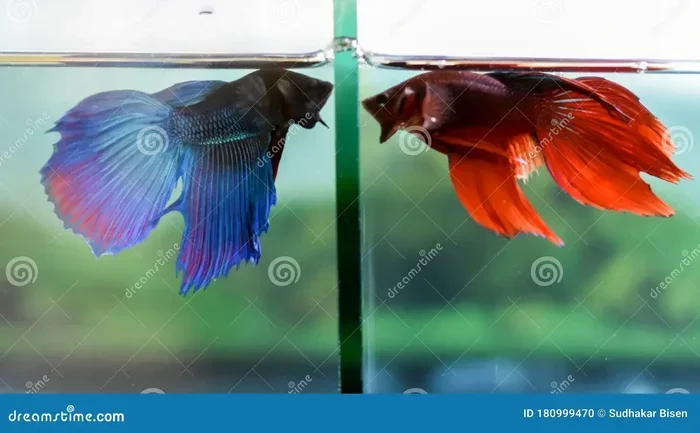
Can You Keep Two Betta Fish in the Same Tank
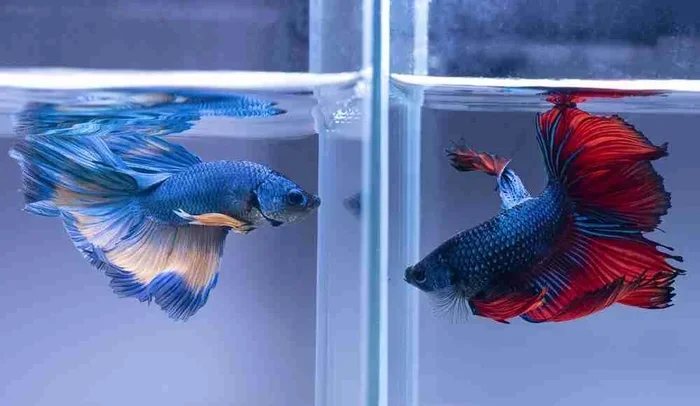
Can You Keep Two Betta Fish in the Same Tank? Finding out whether you can house multiple bettas requires understanding their social nature, tank size, and compatibility. This guide explores the key factors, common mistakes, and expert tips to help you create a peaceful environment for your fiery scaleless companions. Whether you’re a beginner or an experienced keeper, we’ve covered all the essentials to ensure your bettas thrive together.
## Introduction
Keeping multiple betta fish in one tank is a popular choice among aquarium enthusiasts worldwide. These elegant, long-finned fish bring vibrant color and flowing beauty to any living room. However, many new owners wonder whether it is possible to house more than one betta without causing chaos. The short answer is yes, but success depends on several critical factors. Understanding betta social dynamics, tank capacity, and proper maintenance is essential for preventing fights and ensuring long-term happiness. This guide will walk you through every detail you need to make the decision right.
Before diving into specifics, let’s clarify why keeping two bettas together matters. Betta fish are actually solitary hunters that prefer being alone. When you introduce a second fish, the dynamic shifts quickly. Some bettas are naturally calm and get along well with others. Others are territorial and will fight aggressively over territory, especially when resources like food or shade are limited. By learning how to set up the perfect environment and recognize warning signs early, you can enjoy a thriving community rather than a battleground. We’ll cover the basics, troubleshooting steps, and expert recommendations so you feel confident choosing between a single tank versus two separate ones.
## Understanding Betta Social Behavior and Compatibility
Betta fish belong to the genus Betta, also known as Siamese fighting fish. Despite their delicate appearance, these creatures are surprisingly competitive. Their natural habitat typically consists of slow-moving waters where individuals claim territories near plants or rocks. In the wild, a single male defends his domain fiercely, often using its elaborate labial fan to intimidate rivals. When humans place two bettas in the same space, that instinct doesn’t disappear—it just becomes concentrated in a confined area.
Here’s what you should know about betta personality types:
- Aggressive males: Many males are bold and confrontational. They may chase other fish when threatened and display bright colors to signal dominance.
- Shy submissives: Some bettas prefer to hide and avoid confrontation. They often retreat to corners and only come out during feeding times.
- Female bettas: Females are generally less aggressive and can live peacefully alongside males, though they still require careful handling.
- Pair potential: Research shows that same-sex pairs tend to coexist most harmoniously compared to opposite-gender combinations.
When considering adding a second betta, ask yourself: Does my first fish show signs of aggression toward other tank mates? Does it exhibit excessive energy or constant fin clamping? If the answer to either question is “yes,” you might want to reconsider co-housing until the situation stabilizes.
## Tank Size and Water Quality Requirements for Dual-Betta Setups
One of the most critical factors in determining whether two bettas can share a tank is water volume. Betta fish are relatively large swimmers who need ample space to swim freely and establish their own territories. While some sources suggest 10 gallons per fish, experts recommend at least 20 gallons for a pair to prevent resource competition and reduce stress. A smaller tank increases the chance of constant chasing and fighting because there isn’t enough room for each fish to patrol its own zone.
Beyond size, water quality plays a massive role in maintaining harmony. Betta fish are sensitive to poor water conditions, which can trigger defensive aggression. Here’s what you need to prioritize:
### Minimum Tank Capacity
| Number of Bettas | Recommended Min. Size |
|——————|———————–|
| 1 | 5–7 gallons |
| 2 | 15–20 gallons |
### Essential Water Parameters
- Temperature: Maintain a steady 74–80°F (23–27°C) year-round. Fluctuations beyond ±2 degrees can cause anxiety and fighting.
- pH Level: Keep it between 6.8 and 7.6. Lower pH can stress bettas and lead to red gill patches.
- Ammonia/Nitrite: Always test regularly. Zero levels are non-negotiable for healthy coexistence.
- Nitrate: Aim below 20 ppm. High nitrates promote algae growth and overall poor water quality.
A well-maintained filter helps circulate oxygen efficiently. Betta fish breathe at the surface, so a filter with good power output ensures fresh air reaches every corner. Adding live plants or artificial structures gives them places to hide and reduces direct eye contact that often sparks territorial disputes.
## Setting Up the Perfect Dual-Betta Tank: Step-by-Step Guide
Creating a happy home for two bettas involves more than just finding a large container. Let’s break down the process into manageable steps so you can execute it successfully.
### Choose the Right Container
Select a glass or acrylic tank that fits your lifestyle and aesthetic preferences. Glass offers clarity—watching your bettas interact is truly rewarding—but it can crack easily if dropped. Acrylic is durable and lighter yet equally transparent. Whatever you choose, ensure it has a tight lid to minimize evaporation and prevent unwanted escapes.
### Install Filtration and Decoration
Good filtration is non-negotiable. Opt for a sponge filter or hang-on-back filter that provides gentle water movement. Avoid strong currents that could stir up debris or scare the fish. Arrange decorations to mimic the natural environment bettas would find in a pond. Live plants such as java fern or leaf troughs give them shelter and visual interest. Hidden caves made from PVC pipes offer secure retreats where a nervous beta can retreat when necessary.
### Prepare the Water Gradually
Begin with soft, dechlorinated tap water or a mix of filtered and spring water. Slowly acclimate both fish to the new environment using a drip method—adding water from the source slowly while watching for bubbles or distress signals. Monitor ammonia and nitrate levels daily for the first week.
### Feed Thoughtfully
Two fed fish mean double the feeding responsibility. Offer high-quality flake or gel food specifically designed for bettas twice a day. Overfeeding can pollute the water rapidly, leading to more aggression. Split portions into smaller meals to keep activity levels balanced and reduce competition at the food bowl.
## Signs Your Bettas Are Not Getting Along: What to Watch For
Even with proper setup, conflicts can arise. Recognizing early warning signs is crucial for preventing serious injury. Most displays of aggression manifest physically, but subtle behavioral changes can reveal stress before violence occurs.
### Physical Indicators
- Flaring fins: When a beta turns its body sideways, fans its fins wide open. This is a threat display meant to intimidate rivals.
- Fin clamping: One fish grips another’s tail tightly, pulling it close to its body. This can cause cuts and infections.
- Chasing patterns: Constant lunches and dodges indicate territorial dispute intensity.
- Loss of appetite: A fish that stops eating after introducing a new companion may be too stressed to hunt.
If you notice these behaviors persistently, apart from normal fishiness, it’s time to intervene. Separating the aggressor from the victim usually resolves immediate issues. However, chronic friction suggests deeper problems like insufficient hiding spaces or inadequate food distribution. In severe cases, you might need to relocate one fish entirely to a separate tank.
## Expert Insights and Common Mistakes to Avoid
Aquarium professionals share valuable wisdom when it comes to multi-betta setups. Here’s what experts emphasize based on years of experience dealing with these challenging pets.
### Pro Tips from Betta Specialists
- Start with only one fish: Introducing a second betta should never happen overnight. Give each individual weeks to adjust fully before adding the next.
- Separate genders when uncertain: If you’re unsure about pairing, keep them single-species. You can always add partners later after observing temperament.
- Observe quietly: Spend days watching your bettas before buying additional fish. Look for subtle interactions you might miss while busy changing water.
- Avoid overcrowding: Even though 20 gallons seems spacious, crowding happens fast when multiple fish compete for the same surfaces.
### Common Mistakes Beginners Make
Many new keepers think larger tanks automatically solve all problems. While bigger volumes do reduce stress, ignoring other variables like lighting and feeding habits can backfire. Also, using cheap décor that lacks hiding spots forces bettas into constant confrontation. Another frequent error is overwintering without adjusting parameters—the cold months can trigger dormant aggression spikes.
By avoiding these pitfalls and sticking to evidence-based practices, you’ll dramatically improve your chances of a peaceful dual-betta arrangement.
## Conclusion
Bringing two bettas into one tank is absolutely achievable if you understand their natural needs and provide thoughtful housing solutions. The key lies in sizing the tank appropriately, offering abundant hiding spots, and monitoring behavior closely from day one. Remember that patience is a virtue—give your fish time to adapt before expecting perfect harmony. With the right approach, you’ll witness these stunning fish forming unique bonds and creating a vibrant, calming aquatic world. Now go ahead and start planning your perfect betta haven!
—
Key Takeaways
- Size matters: A minimum of 20 gallons is recommended for two bettas to reduce competition.
- Same-sex pairs work best: Keeping males together often leads to fighting; females are better matches.
- Proper filtration and hideouts are vital: Well-oxygenated water and plenty of hiding spots prevent aggression.
- Watch for conflict signs: Flaring tails, fin clamping, and aggressive swimming indicate trouble.
- Maintain stable water parameters: Consistent temperature and pH levels stop stress before it starts.
- Start small and monitor closely: If your pairs get along, expand gradually; otherwise, consider separate tanks.
Frequently Asked Questions
Question? Can two betta fish live together if they are different breeds?
Yes, different betta breeds can cohabitate happily as long as they have sufficient space and hiding spots. Popular crossbreeds like the Dwarf and Single Tail varieties work excellently in pairs. Just ensure the enclosure is at least 15 gallons and provides ample decoration to reduce direct eye contact.
Question? How much space does a single betta need?
A single betta thrives in a minimum of 5–7 gallons of well-maintained water. While they can survive in smaller containers temporarily, adequate volume prevents stress and promotes healthier growth.
Question? Will bettas fight when fed separately?
Starvation rarely causes fighting unless the fish are already anxious or possess conflicting personalities. However, uneven feeding can lead to tension, so distribute portions equally regardless of preference.
Question? Is it possible to breed two bettas together in one tank?
Breeding pairs work perfectly fine in a single tank once they bond. Males will guard females and protect the eggs, but you must supervise closely to avoid accidental injuries during spawning.
Question? What signs indicate bettas aren’t getting along?
Look for flared fins, fin clamping, loss of appetite, and excessive aggression. Immediate separation is required if these signs appear consistently.
Question? Should I use salt or medication when bettas fight?
No chemical additives should be used unless advised by a vet. Fighting fish release stress hormones that harm their immune systems. Isolating the fighters and allowing time for healing is the safest path forward.