Can Snails Go with Betta Fish

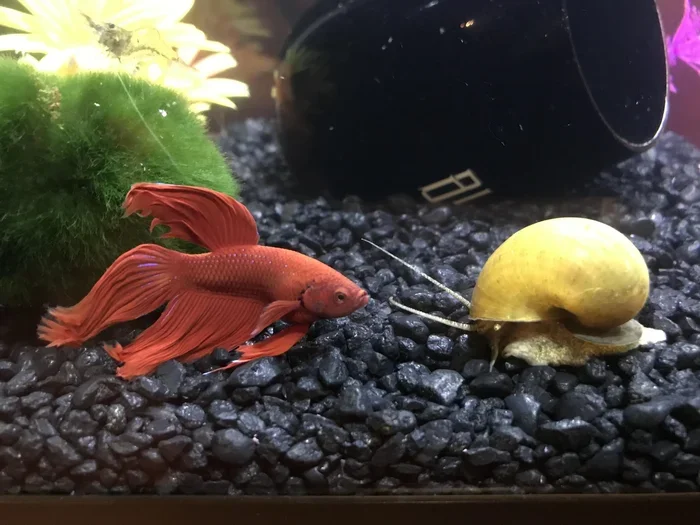
Yes, many snails can safely live with betta fish and make excellent tankmates. They help clean the aquarium by eating algae and leftover food, adding activity without bothering the betta. Choosing the right snail species—like nerite, mystery, or ramshorn snails—and providing a properly sized, planted tank are key to success. While most bettas ignore snails, some may nip at long antennae, so observation is crucial. With proper care, a snail can be a beneficial and fascinating addition to your betta’s world.
Key Takeaways
- Compatibility is generally high: Most common aquarium snails are peaceful and too large for a betta to eat, making them ideal, low-risk tankmates.
- Snails provide essential cleanup: They are natural scavengers that consume algae, decaying plant matter, and uneaten food, improving water quality.
- Species selection matters: Choose snails with smooth shells and shorter tentacles (e.g., Nerite, Mystery, Ramshorn) to minimize the chance of triggering a betta’s curiosity or aggression.
- Tank setup is critical: A securely lid, adequate space (5+ gallons), and live plants create a stable environment where both snails and betta can thrive.
- Monitor water parameters: Snails are sensitive to copper and poor water quality. Stable parameters and regular water changes benefit both species.
- Bettas have individual personalities: Some bettas will completely ignore snails, while others may peck at them. Always observe initial interactions closely.
- Prevent overpopulation: Many snails reproduce quickly. Managing food sources and choosing single-sex or non-reproductive species (like Nerites) helps control numbers.
📑 Table of Contents
Can Snails Go with Betta Fish? The Short Answer
If you’ve ever stared into your betta fish’s beautifully decorated tank and thought, “It’s a little too… clean,” or “It feels a bit empty in there,” you’re not alone. Betta fish, with their vibrant fins and charismatic personalities, are often kept as solo stars. But many aquarists wonder about adding a cleanup crew or a bit of underwater biodiversity. The question “can snails go with betta fish?” is one of the most common and important for betta keepers looking to expand their aquatic ecosystem.
The overwhelming and wonderful answer is yes. In the vast majority of cases, snails are not only compatible with betta fish—they are highly recommended. They serve a practical purpose as part of your tank’s maintenance team and add a fascinating, slow-moving dynamic to the aquarium. However, the success of this pairing isn’t a simple yes or no. It depends entirely on making the right choices regarding snail species, tank setup, and understanding your specific betta’s temperament. This guide will walk you through every detail, transforming your “maybe” into a confident, “absolutely.”
Understanding Your Betta: The Temperamental Siamese Fighting Fish
Before we even talk about snails, we must center the conversation on the star of the show: your betta (Betta splendens). Their reputation is well-earned. Male bettas are notoriously territorial and can be aggressive toward other fish with similar, flowing fins. But this aggression is often misdirected. A betta’s reaction to a tankmate is a complex mix of instinct, personality, and environment. To predict if a snail will be a welcome guest or a target, you need to think like a betta.
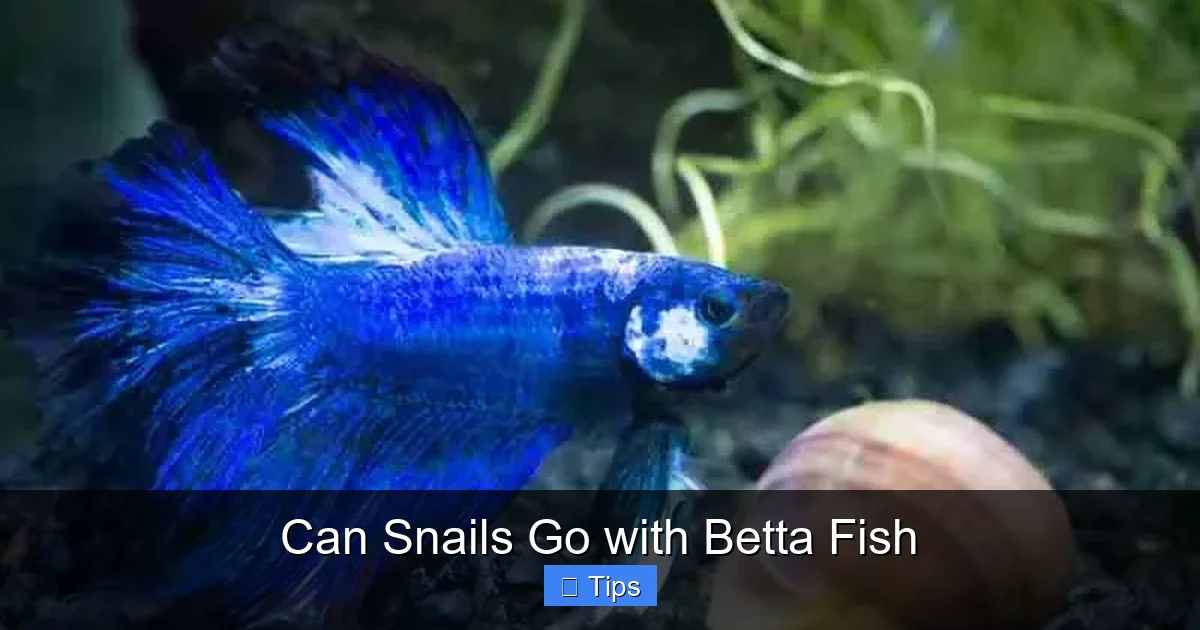
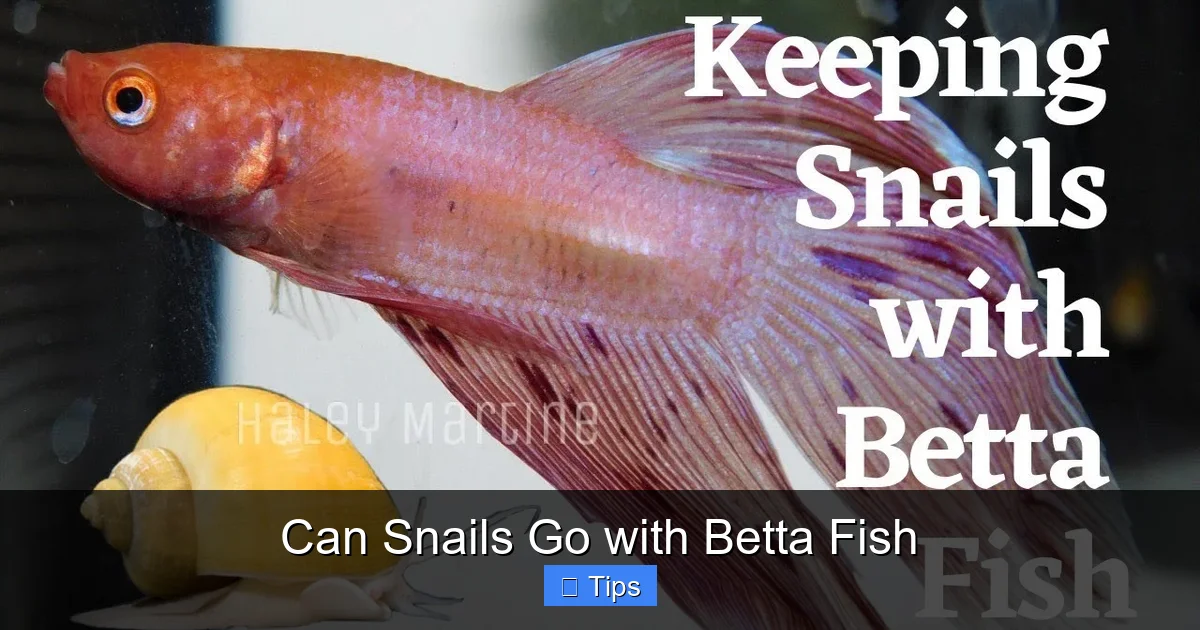
Visual guide about Can Snails Go with Betta Fish
Image source: fishkeepingwisdom.com
The Betta’s World: Instinct vs. Personality
A betta in the wild lives in shallow, slow-moving rice paddies and puddles. Its primary threats are other male bettas and predators. From this perspective, anything that moves erratically, has bright colors, or resembles a rival betta (long, flowing fins) can trigger aggression. A snail, by contrast, is the antithesis of this. It moves slowly, has a hard shell (not fins), and is generally drab in color (with a few lovely exceptions). This makes snails biologically unlikely to be seen as a threat or a rival.
However, individual personality is huge. Some bettas are laid-back “lap dogs” who barely react to a shadow. Others are vigilant “guards” who flare at their own reflection. The key is observation. When you first introduce a snail, watch your betta for 15-20 minutes. Does it flare? Does it chase it? Or does it give a curious glance and then go back to lounging under a leaf? Most often, the reaction will be mild curiosity at best. The betta might investigate the new moving object, give it a gentle nudge with its nose, and then lose interest. This is normal and not cause for alarm.
Factors Influencing Betta Aggression Toward Snails
- Tank Size: A cramped 2-gallon tank is a pressure cooker. A betta with no space to establish its own territory is more likely to be irritable and reactive. A 5-gallon tank (the absolute minimum for a betta with tankmates) provides crucial personal space.
- Hiding Spots: A tank with plants, caves, and driftwood gives the betta places to claim and retreat to. It also gives the snail immediate places to hide if the betta is initially curious. A bare tank creates stress for both.
- Betta’s Health & Mood: A sick, stressed, or recently moved betta is more likely to be grumpy. Introduce tankmates only when your betta is healthy, eating well, and has settled into its home for at least a week.
The Perfect Pair: Top Snail Species for Betta Tanks
Not all snails are created equal in the eyes of a betta (or in terms of aquarium practicality). We need snails that are hardy, have low bioload (so they don’t overload the filter), and possess features that don’t trigger a betta’s chase instinct. Here are the top-tier, betta-safe snails, each with its own strengths.
Visual guide about Can Snails Go with Betta Fish
Image source: i.ytimg.com
1. Nerite Snails: The Algae-Eating Specialists
Nerite snails are arguably the best all-around choice for a betta tank. They come in stunning varieties—zebra, tiger, olive, horned—with beautiful patterned shells. Their primary superpower is their relentless appetite for algae. They will scrape clean glass, leaves, and hardscape without eating live plants.
Why they’re perfect for bettas: They have very short, stubby tentacles (the little “horns” on their head) that are not enticing to a betta. They are also completely freshwater and will not reproduce in your tank, as their larvae require brackish water to develop. This means no surprise snail population explosions. They are hardy, active during the day, and generally ignore fish completely.
Consideration: They can be a bit more expensive than other snails and, since they don’t breed in freshwater, you’ll need to buy new ones if one passes away.
2. Mystery Snails (Apple Snails): The Active Cleanup Crew
Mystery snails are the classic, large, colorful aquarium snail. They are active, curious, and often climb the glass or plants. They are omnivores, meaning they will eat algae, decaying matter, and will also accept blanched vegetables (zucchini, spinach) and high-quality algae wafers.
Why they’re great with bettas: Their size (often 2 inches in diameter) makes them impossible for a betta to eat. Their tentacles are longer than nerites but are still relatively inconspicuous. They are peaceful and mostly keep to themselves. Their varied colors—gold, blue, ivory, black—can add a lovely pop of color.
Consideration: They have a higher bioload than nerites, meaning they produce more waste. Your filter must be adequate for the tank size. They also occasionally lay clusters of eggs above the waterline; these will not hatch in freshwater but can be messy if you don’t remove them.
3. Ramshorn Snails: The Efficient Scavengers
Ramshorn snails are small to medium-sized snails with a distinctive, flat, coiled shell that resembles a ram’s horn. They are excellent scavengers, quickly finding and eating leftover food and detritus. They are prolific breeders in freshwater, which is a double-edged sword.
Why they can work: They are incredibly hardy and inexpensive. Their small size and fast, random movement often make them less of a “target” for a betta than a slower, larger snail. They are excellent at cleaning hard-to-reach places.
Major Consideration: They reproduce rapidly. A single ramshorn can lead to a population boom if you overfeed. For a betta tank, it’s best to start with 1-2 and be very strict with feeding. Many betta owners prefer to avoid them due to the infestation risk, but in a controlled, well-fed tank, they can be fine.
Snails to Generally Avoid with Bettas
- Assassin Snails: As their name suggests, they are predatory and will eat other snails. They are not needed in a betta tank and could cause unnecessary stress if they hunt your other snails.
- Apple Snails (Giant): The huge, invasive species (often sold as “Giant African Land Snails” by mistake) are not suitable for aquariums and have enormous bioloads.
- Any snail with extremely long, delicate tentacles: Some specialized snails have very prominent eyestalks. These can look like wriggling worms to a betta and may provoke nipping. Stick to the species listed above.
Setting Up the Ideal Betta & Snail Tank Environment
You cannot just drop a snail into a bare, cold bowl with a betta and expect harmony. The environment is 50% of the equation. A proper setup reduces stress for both creatures and gives the snail the tools it needs to thrive and do its job.
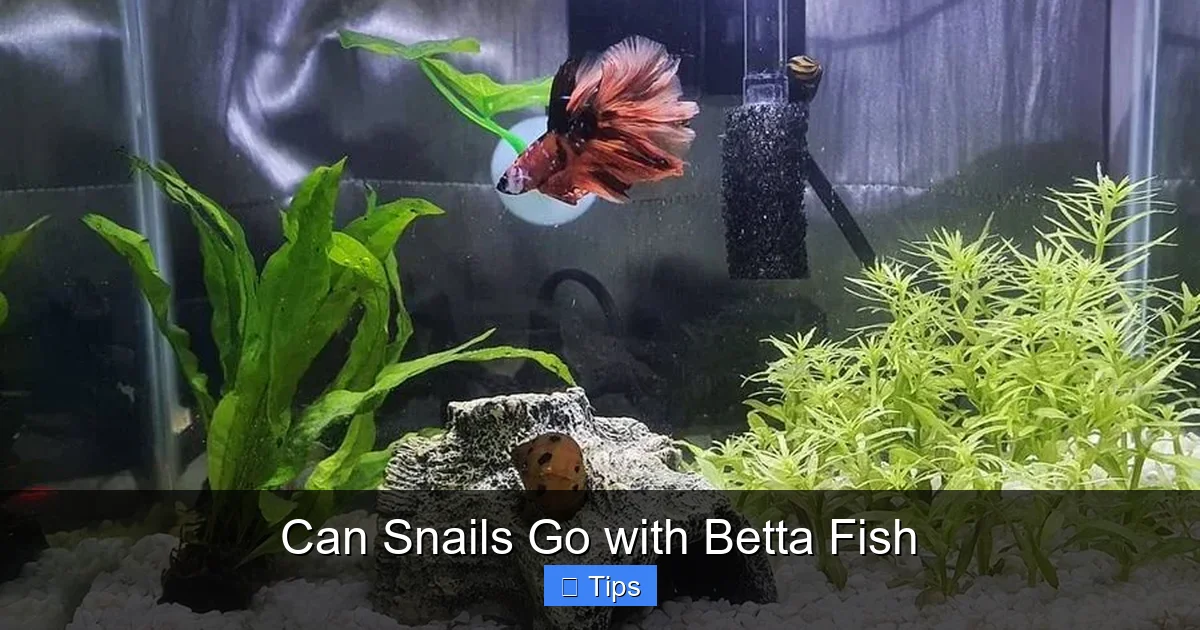
Visual guide about Can Snails Go with Betta Fish
Image source: ouraquariumlife.com
Tank Size and Water Parameters: The Non-Negotiables
The absolute minimum tank size for a betta with any tankmate, including snails, is 5 gallons. This is not a suggestion; it is the baseline. A 10-gallon tank is significantly better and provides much more stability and space. In this volume, the betta has its own domain, and the snail has room to roam without constantly crossing the betta’s “personal bubble.”
Water parameters for bettas and common snails are remarkably similar and forgiving:
- Temperature: 76-80°F (24-27°C). Bettas are tropical, and snails are too. Avoid temperatures below 74°F, which can slow a snail’s metabolism dramatically.
- pH: 7.0-7.5 is ideal for both. Bettas can tolerate slightly lower (6.5), and snails slightly higher, but aim for neutral to slightly alkaline.
- Ammonia & Nitrite: Must be 0 ppm. Snails are extremely sensitive to these toxins. A fully cycled tank is essential.
- Nitrate: Keep below 20 ppm. Regular water changes (25-30% weekly) are crucial for both betta health and snail shell health (high nitrates can erode shells).
Critical Warning: Never use copper-based medications or algae controls in a tank with snails. Copper is toxic to invertebrates and will kill them. Always check medication labels for invertebrates or “invert safe.”
The Importance of a Secure Lid and Live Plants
This is a two-part safety measure. First, bettas are jumpers. A tight-fitting lid is mandatory to prevent a tragic escape. Second, most common snails are also notorious escape artists, especially if water parameters are off or they are searching for food. A secure lid keeps both inhabitants safely inside.
Live plants are the single best addition you can make to a betta-snail tank. For the betta, they provide security, reduce stress, and mimic a natural habitat. For the snail, they are a source of grazing (biofilm, algae), shelter, and climbing structures. Easy, low-light plants like Anubias, Java Fern, and Marimo Moss Balls are perfect. They require little care and create a beautiful, natural aquascape. Floating plants like Salvinia or Duckweed are also fantastic, providing surface cover that bettas love and snacking spots for snails.
Filtration and Flow: Gentle is Best
Bettas originate from still waters and have long, flowing fins. A strong filter current will stress them out, tiring them as they struggle to stay in one place. It can also blow a small snail around the tank. Choose a filter with an adjustable flow rate, and set it to the lowest effective setting. Sponge filters are an excellent, gentle option for betta tanks and provide additional surface area for beneficial bacteria. Ensure your filter intake is covered with a sponge or pre-filter to prevent a curious snail (or a betta’s fin) from being sucked in.
Introducing Your Snail: A Step-by-Step Guide
Acclimation is just as important for a snail as it is for a fish. A sudden change in water temperature or chemistry can shock the snail, causing it to close up and potentially die.
- Float the Bag: Float the sealed bag containing the snail in your tank for 15-20 minutes to equalize temperature.
- Drip Acclimation (Recommended): This is the gold standard. Using airline tubing, set up a slow drip (2-4 drips per second) from your tank into the snail bag. After 30-45 minutes, the water in the bag will have been mostly replaced with your tank water. Gently net the snail and place it in the tank. Do not dump the bag water in, as it may contain contaminants from the store.
- The Drop Method (Quick Alternative): If you’re confident in your water parameters matching the store’s, you can simply net the snail and place it directly in the tank after floating. This is riskier but often works with hardy species like nerites from reputable stores.
Post-Introduction Observation: Place the snail near a plant or the glass where your betta can see it. Watch for 15-30 minutes. As discussed, mild curiosity (the betta approaching, flaring slightly, touching with its nose) is normal. Active chasing, biting, or the betta cornering the snail is a red flag. If this happens, you may need to separate them using a tank divider or rehome the snail. Most often, the betta will lose interest within an hour, and the snail will begin exploring, often at night when bettas are less active.
Common Concerns and Problem Solving
Even in the best setups, questions arise. Let’s address the most frequent worries of betta owners with snails.
“Will my betta eat my snail?”
For the snails recommended here—Nerite, Mystery, Ramshorn—the answer is almost certainly no. They are too large, too hard-shelled, and not fish-like enough to be considered food. A betta might peck at a snail’s tentacle out of curiosity, but it will quickly learn it’s not edible. A very small, juvenile mystery snail might be investigated, but it will grow rapidly out of any danger zone. The real risk is not predation but stress from persistent harassment, which is why choosing the right snail and tank setup is vital.
“My snail’s shell is cracking/white/rough! What’s wrong?”
Shell damage or deterioration is a sign of poor water quality or mineral deficiency. First, test your water. High nitrates or low pH/carbonate hardness (KH) can dissolve shells. Perform immediate water changes. Second, ensure your snail has access to calcium. Crushed coral in the filter or a cuttlebone (placed in a mesh bag) can supplement minerals. A balanced diet (algae wafers, blanched veggies) also provides nutrients. A cracked shell can be a death sentence for a snail, as it leaves it vulnerable to infection.
“I have a snail population explosion! How do I stop it?”
This is almost always a case of overfeeding. Snails reproduce based on available food (algae, leftover food). The solution is two-fold: 1) Feed your betta only what it eats in 2-3 minutes, once or twice a day. Remove any uneaten food immediately. 2) Manually remove snails. You can trap them with a piece of lettuce or cucumber at night, then remove the veggie with the snails attached. You can also use a snail trap or simply pick them out. For long-term prevention, switch to non-reproductive snails like Nerites, or consider adding a snail-eating loach (like a Yo-Yo Loach) to a larger, fully cycled tank—but this adds significant complexity and is not for a standard betta tank.
“Do snails need special food?”
In a well-planted tank with some algae, snails will find most of their own food (biofilm, algae). However, to thrive and have strong shells, they need supplemental nutrition. Provide 1-2 algae wafers (like those from Repashy or Hikari) 2-3 times a week. You can also offer blanched vegetables: a small piece of zucchini, spinach, or cucumber (tied to a rock or veggie clip). Remove any uneaten veggies after 24 hours to prevent fouling the water. Mystery snails will also accept a small piece of boiled egg yolk or a high-quality pellet that sinks.
Frequently Asked Questions
Can I put a snail in a betta tank without a filter?
No. While bettas can survive in unfiltered bowls with frequent water changes, adding a snail makes a filter essential. Snails produce waste, and without biological filtration, ammonia will spike quickly, poisoning both the betta and the snail. A gentle sponge filter is the ideal solution for a small betta-snail tank.
Do snails clean betta fish waste?
Not directly. Snails are scavengers and herbivores; they eat algae, decaying plant matter, and uneaten food. They do not seek out or consume fish feces. However, by cleaning up leftover food that would otherwise decompose and create ammonia, they indirectly help maintain water quality, which reduces the overall waste load in the tank.
How many snails can I put with my betta?
Less is more. Start with one snail. Observe the interaction for at least a week. In a 5-gallon tank, one nerite or mystery snail is plenty. In a 10-gallon tank, you could cautiously try 2-3 small snails, but always monitor for overpopulation and ensure your filter can handle the extra bioload. Overstocking with snails leads to rapid reproduction and poor water quality.
What if my betta flares at the snail constantly?
Constant flaring and chasing indicate the betta perceives the snail as a threat or intruder. First, ensure the tank is large enough (5+ gallons) and heavily planted with hiding spots. Sometimes, adding the snail at night when the betta is sleeping can help. If the aggression persists after a few days and the snail is stressed (constantly hiding), you may need to separate them using a tank divider or rehome the snail. Not all bettas are compatible with any tankmate.
Do snails need a heater?
Yes, if your betta needs a heater, your snails do too. Bettas require a stable tropical temperature of 76-80°F (24-27°C). Most common aquarium snails are from similar warm climates and thrive at these temperatures. A cold, unheated tank will slow a snail’s metabolism to a crawl, causing it to stop eating, become lethargic, and eventually die.
Can snails live in a betta tank with other fish?
Yes, snails are excellent members of a peaceful community tank. Their compatibility with betta fish makes them suitable for most peaceful communities (tetras, rasboras, corydoras). The same rules apply: avoid aggressive or large fish that might eat them. Snails are truly the universal peacekeepers of the freshwater aquarium world.