Can Mollies Live with Betta Fish
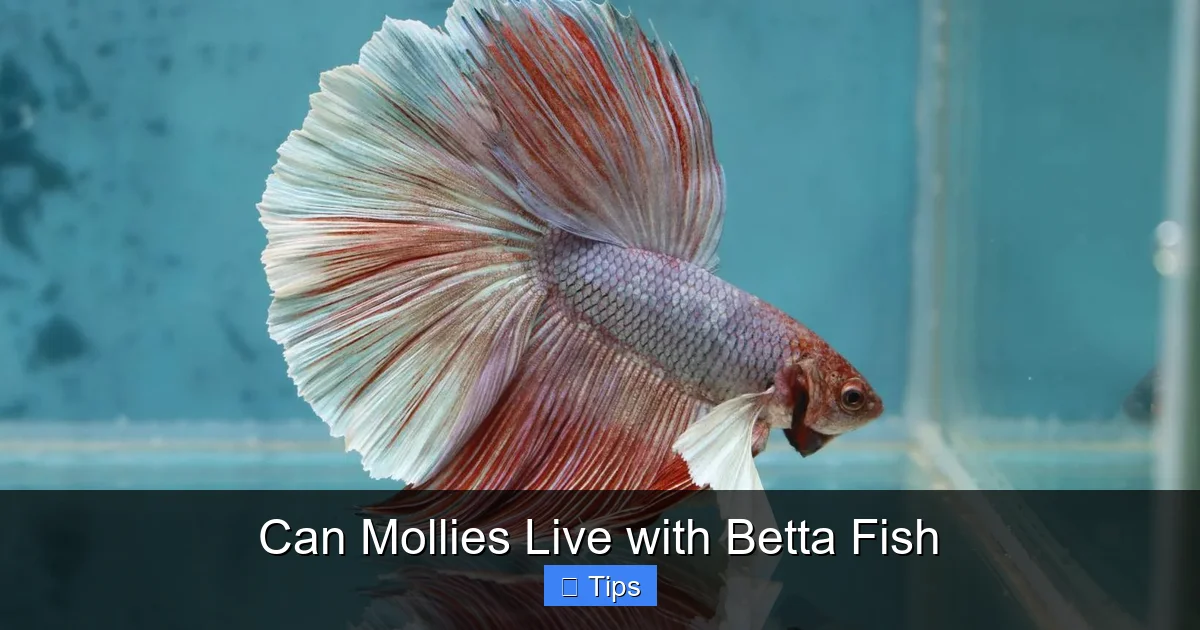
Yes, mollies and betta fish can often live together peacefully, but it’s not a guaranteed match. Success depends entirely on careful planning: a large enough tank (minimum 20 gallons), keeping mollies in a proper group of 5-6+, and selecting a less aggressive betta. The key is providing ample space and hiding spots to reduce fin-nipping and territorial disputes. Without these critical conditions, a peaceful community tank is unlikely.
Key Takeaways
- Tank Size is Non-Negotiable: A minimum of 20 gallons is required, with 30+ gallons strongly recommended to provide enough territory and dilute aggression.
- Mollies Must Be in a Proper School: Keep at least 5-6 mollies together. A single molly will be stressed and targeted, while a proper group feels secure and focuses on itself.
- Betta Temperament is Key: Choose a betta that shows less initial aggression. Avoid “plakat” (short fin) bettas, which are often more feisty, and observe behavior in the store cup.
- aquascape for Visual Barriers: Use dense plants, driftwood, and rock formations to break lines of sight. This prevents the betta from seeing the mollies as constant rivals across an open space.
- Mollies Help with Algae, Not Stress: While mollies are active algae eaters, they do not “calm” a betta. A stressed betta will not be soothed by tank mates; proper environment is the only solution.
- Water Parameters Must Align: Both species prefer warm (78-82°F), moderately hard water. Mollies are more tolerant of higher salinity, but consistency is vital for the betta.
- Always Have a Backup Plan: Have a separate hospital tank ready. If aggression occurs, you must be prepared to remove the betta or the mollies immediately.
📑 Table of Contents
- The Great Aquarium Debate: Mollies and Betta Fish
- The Foundation: Tank Size and Environment Are Everything
- The Molly Mandate: Why Group Size is Non-Negotiable
- Selecting Your Betta: Personality Matters More Than Pretty Fins
- The Introduction Protocol: A Slow Dance, Not a Blind Date
- Red Flags and Emergency Protocols: When Peace Fails
- Conclusion: A Rewarding Challenge for the Prepared Aquarist
The Great Aquarium Debate: Mollies and Betta Fish
So, you’ve got a beautiful, flowing betta fish with its dramatic fins, and you’re thinking about adding some active, silvery mollies to the tank to bring more life to the scene. It’s a tempting idea—the contrast between the betta’s regal, slow grace and the molly’s constant, playful energy is visually stunning. But before you net that second fish, let’s have a real talk about community aquariums. The short answer is: yes, mollies and bettas can live together, but it’s a conditional “yes,” more like a “yes, but only if you follow a very specific set of rules.” Think of it less as a casual roommate situation and more like a carefully managed diplomatic treaty between two very different nations. One wrong move—a too-small tank, a lonely molly, a particularly grumpy betta—and that treaty collapses, often with nipped fins and stressed-out fish.
The core of the issue lies in the betta’s nature. The Siamese fighting fish was bred for centuries for aggression. That flamboyant display you see? It’s a territorial warning. Mollies, on the other hand, are hardy, live-bearing shoaling fish from the Poecilia family. They’re active, social, and can be a bit nippy themselves, especially if kept in insufficient numbers. The goal is to create an environment where the betta’s territorial instincts are satisfied by a vast territory, and the mollies’ shoaling instincts are met by a large enough group that they feel safe and ignore the betta. It’s a delicate balance, but when achieved, it can be one of the most rewarding community tank setups for intermediate aquarists.
The Foundation: Tank Size and Environment Are Everything
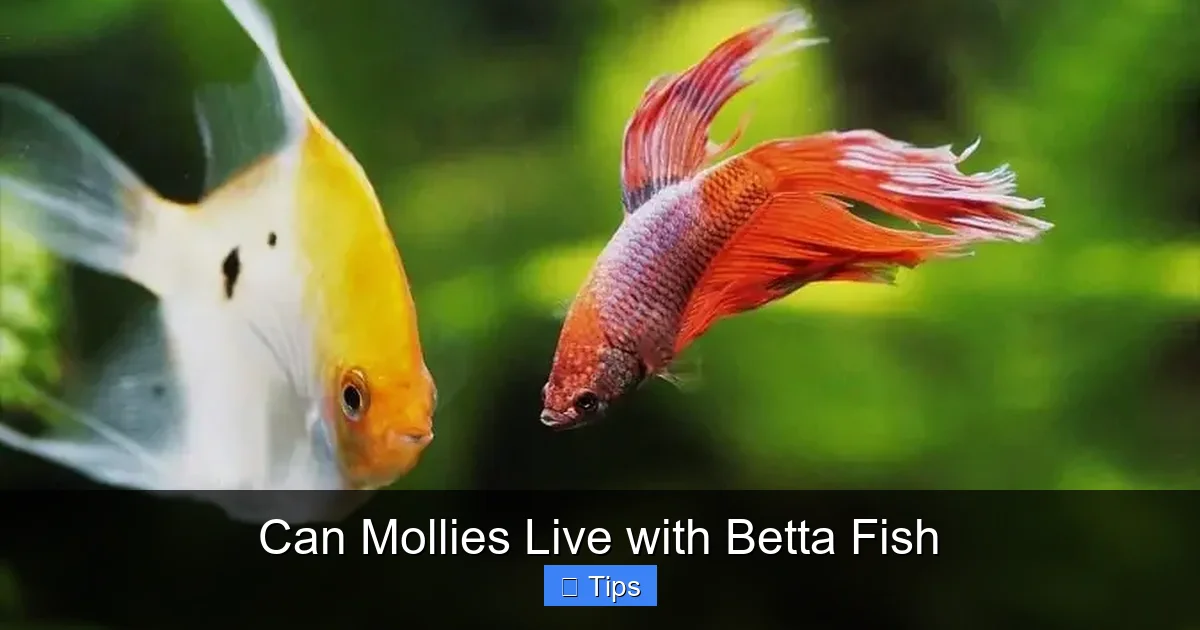
Let’s start with the most critical, non-negotiable rule: tank size. If your betta is in a 5-gallon bowl or a standard 10-gallon starter kit, stop right there. You cannot add any other fish, especially not active mollies. The betta needs space to establish a territory without feeling constantly encroached upon. The mollies need space to shoal, dart, and explore without repeatedly swimming into the betta’s “personal bubble.” The absolute minimum tank size for this pair is 20 gallons. However, I strongly, emphatically recommend starting with a 30-gallon long or breeder tank if you have the space and budget. The extra length provides a much larger footprint, which is more important than height for these fish. A long tank allows you to create distinct zones—a betta’s quiet end with plants and a molly’s active swimming zone—reducing direct confrontations.
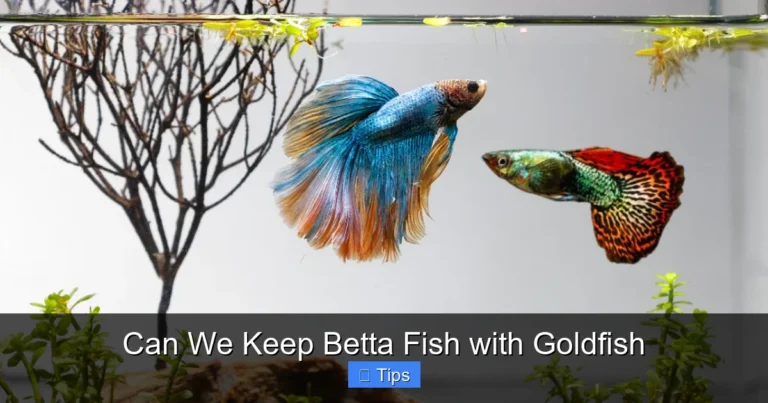
Visual guide about Can Mollies Live with Betta Fish
Image source: bettafishnest.com
Aquascaping: Your Secret Weapon for Peace
How you decorate that 30-gallon tank is your primary tool for preventing conflict. The goal is to break lines of sight. A betta that can see a molly darting across the entire length of the tank 24/7 will perceive it as a constant threat or rival. You need visual barriers. Dense planting is your best friend. Use tall, leafy plants like Amazon swords, Java fern, or Cryptocorynes to create underwater forests. Floating plants like water lettuce or frogbit are fantastic for creating a canopy at the surface, which bettas love and which obscures the view from above. Add driftwood and smooth river rocks to create caves, overhangs, and labyrinthine structures. The idea is to make the tank feel much larger than it is by providing endless nooks and crannies. A betta can claim a nice patch of plants near the top, while the mollies cruise the open mid-water areas, only occasionally coming into view. This constant “hide and seek” with visuals reduces stress for everyone.
The Molly Mandate: Why Group Size is Non-Negotiable
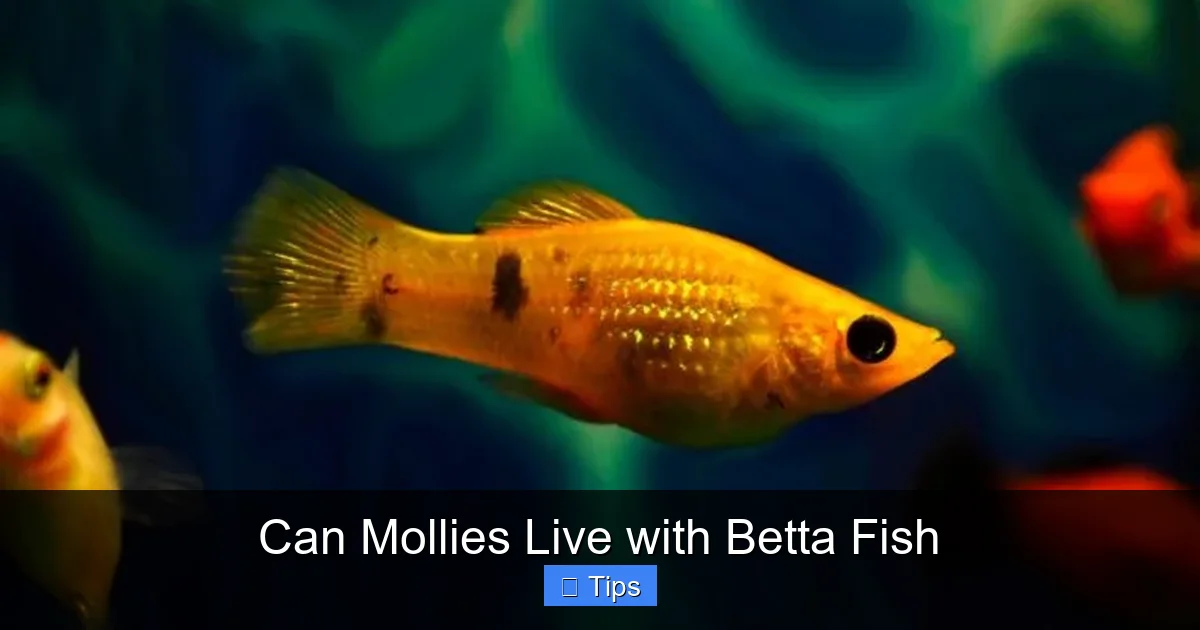
This is the second pillar of success and one where many well-meaning aquarists fail. Mollies are shoaling fish. In the wild, they live in large groups for safety. A single molly in a tank is a stressed, vulnerable molly. Stress weakens its immune system and alters its behavior. A lonely molly may become skittish, hide constantly, or—counterintuitively—become nippy as it becomes anxious. It has no “group” to focus its social energy on. Furthermore, a single molly is a bright, moving target that will inevitably catch the betta’s eye, triggering its chase instinct. You must keep at least 5-6 mollies, with 6 being the true sweet spot for a stable social hierarchy. With this number, the mollies will form their own little society. They’ll swim together, forage together, and pay far less individual attention to the betta. The betta, in turn, sees a “shimmering cloud” of fish rather than a single,挑衅 entity. From an aesthetic standpoint, a proper school of mollies—with their shiny scales and active movement—is simply more beautiful and natural-looking than a lone fish. The extra bioload from a small school is easily handled by the large tank and robust filtration system you should already have in place.
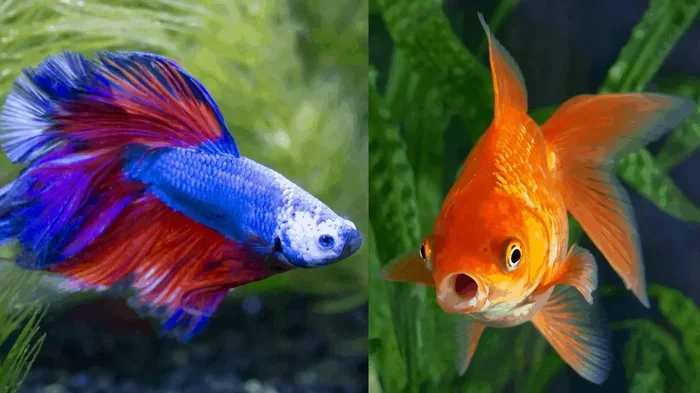
Visual guide about Can Mollies Live with Betta Fish
Image source: housedpet.com
Selecting Your Betta: Personality Matters More Than Pretty Fins
Not all bettas are created equal. Just like people, they have distinct personalities, and some are far more suited to community life than others. When you’re at the fish store, don’t just pick the one with the biggest, most colorful fins. For a community tank with active fish like mollies, you want a betta with a calmer disposition. Here’s your shopping checklist:
Visual guide about Can Mollies Live with Betta Fish
Image source: housedpet.com
- Avoid Plakats (Short-Fins): These are the descendants of the original fighting strains. They are almost always more aggressive, faster, and more likely to chase and nip at long-finned tank mates. The flowing fins of a veil-tail or half-moon are a target, but paradoxically, these show strains are often (not always) slightly less hyper-aggressive than the athletic plakats.
- Look for “Lazy” Behavior: In the store cup, observe the betta. The ideal candidate is one that is floating calmly near the top, maybe flaring briefly at its own reflection but then losing interest. Avoid the fish that is constantly zipping around the cup, flaring aggressively at every movement, or trying to bite through the plastic.
- Consider Age: A younger betta (3-4 months) is often more adaptable and can be “trained” to accept tank mates. An older betta that has lived alone its whole life is far less likely to accept new neighbors.
- Color is Irrelevant: A bright red betta is not inherently more aggressive than a pale blue one. Focus 100% on observed behavior.
Once you bring your chosen betta home, quarantine it for at least 2-4 weeks in a separate tank. This is crucial to ensure it is not carrying any diseases that could wipe out your established molly school. During quarantine, you can also start to assess its true personality in a more spacious, decorated environment before introducing it to the main display tank.
The Introduction Protocol: A Slow Dance, Not a Blind Date
You have your 30-gallon, heavily planted tank. You have your healthy school of 6+ mollies, who have been living happily together for weeks. You have your quarantined, temperament-tested betta. Now comes the most critical phase: the introduction. Rushing this is the fastest way to disaster. You must follow a careful process to allow the betta to claim its territory without immediate, violent confrontation.
Step 1: The Tank Swap (Optional but Highly Recommended)
Before the betta ever sees the mollies, move the entire molly school to a separate, cycled hospital tank for 24-48 hours. This allows the betta to be introduced to a “clean” tank that it can explore and claim as its own without the immediate stress of seeing other fish. During this time, rearrange some of the plants and hardscape in the main tank. This further resets the “territory map” so the betta isn’t defending an old, established boundary. After 24 hours, acclimate the betta to the main tank using the drip method. Let it settle for a full day, hiding in the plants. It will explore and start to claim its space.
Step 2: The Barrier Introduction
After the betta has had 24 hours alone in the main tank, it’s time for the mollies to return. But don’t just net them in! Use a tank divider or a large breeder box placed inside the main tank. Place the mollies on one side and let the betta see them, but not interact physically, for 24-48 hours. Watch the betta’s reaction. Does it flare its gills and follow the mollies intently along the barrier? That’s normal curiosity and territorial posturing. Does it constantly ram the divider? That’s a red flag for extreme aggression. If the betta is relatively calm after a day, you can proceed.
Step 3: The First Unsupervised Meeting
Remove the divider or breeder box. For the first few hours, stay near the tank, observing. Some chasing and flaring is normal as the betta establishes its dominance. The key is to watch for relentless, high-speed chasing that doesn’t stop, or the betta cornering a molly. If that happens, you need to intervene immediately—have the divider ready to put back in, or be prepared to remove the betta to its quarantine tank for another 24 hours before trying again. If after a few hours the chasing subsides and the fish go about their business, you’ve likely succeeded. Monitor closely for the next 48 hours, especially during feeding times when competition can spark aggression.
Red Flags and Emergency Protocols: When Peace Fails
Even with perfect setup and a calm betta, sometimes the combination just doesn’t work. You must be a vigilant observer. Here are the definitive signs that the arrangement is failing and requires immediate action:
- Relentless Chasing: The betta spends more than 50% of its day in active, high-speed pursuit of one or more mollies.
- Torn or Ragged Fins: On either the betta or the mollies. Betta fins are particularly vulnerable.
- Hiding 24/7: If the mollies are permanently clamped, hiding in the back corner, and not coming out to eat, they are terrified.
- Loss of Appetite: Either fish refusing food is a major stress indicator.
- Color Fading: Stress causes Bettas to lose their vibrant colors. Mollies may also appear pale.
Your emergency plan must be in place BEFORE you add the fish. Have a cycled, filtered hospital tank (10 gallons is fine) ready and waiting. If you see the red flags, you have two choices: 1) Remove the Betta: The betta goes back to its solitary life in the hospital tank (which can become its permanent home). The mollies thrive in the large tank. 2) Remove the Mollies: If the betta is the established resident and is hyper-aggressive, you may need to rehome the mollies. This is often the harder path, as you have to find a new home for a school of fish. Never hope the problem will solve itself. It won’t; the stress will only worsen, leading to disease and death.
Conclusion: A Rewarding Challenge for the Prepared Aquarist
So, can mollies live with betta fish? The answer remains a qualified, hopeful yes. It is not a beginner’s project, nor is it a casual “just throw them together” endeavor. It is a specific, planned community aquarium that rewards the dedicated hobbyist with a dynamic, beautiful tank. The sight of a majestic betta resting among broad leaves, with a shimmering, energetic school of mollies cruising the open water below, is a testament to your skill in replicating a balanced ecosystem. You have provided the space, the social structure, and the environmental complexity that allows two very different species to coexist. You’ve moved beyond the simplistic view of the betta as a solitary, aggressive monster and recognized it as a complex animal that can be a peaceful community member under the right conditions. If you commit to the large tank, the proper molly school, the careful selection, and the slow introduction, you are setting yourself up for one of the most satisfying successes in the freshwater aquarium hobby. If you cannot commit to those conditions, then a beautiful, solitary betta in a well-decorated, properly sized tank is a perfectly wonderful and ethical choice. The welfare of the fish always comes first.
Frequently Asked Questions
What is the absolute minimum tank size for a betta and molly?
The absolute minimum is 20 gallons, but this is a bare minimum that leaves little room for error. A 30-gallon long tank is the strongly recommended starting point to provide adequate territory and swimming space for both species.
Can I keep just one molly with my betta?
No. A single molly will be severely stressed, making it an easy target for the betta and prone to disease. Mollies must be kept in a proper school of at least 5-6 to feel secure and exhibit natural, less provocative behavior.
What if my betta starts chasing the mollies after a few weeks?
This can happen if the betta’s personality is more aggressive than initially observed. You must have a backup hospital tank ready. Remove the betta immediately to a separate tank. The mollies will be much happier and healthier in the community tank without the constant stress.
Do mollies help calm down an aggressive betta?
No. This is a myth. A stressed or genetically aggressive betta will not be “calmed” by tank mates. In fact, the presence of other fish often increases a territorial betta’s stress and aggression. Only a large, complex environment can manage a betta’s natural instincts.
Should I get male or female mollies?
For a betta tank, it’s generally easier and less stressful to keep a female-only school of mollies. Male mollies can be more boisterous and occasionally nippy, especially during breeding chases. Females are slightly less active and have a more streamlined shape, which may be less enticing for a betta to chase. All-male groups can also lead to constant, minor harassment.
My betta has beautiful long fins. Is that a problem with active mollies?
It can be. Long-finned bettas (like veiltails) are slower and their flowing fins are tempting targets for curious fish. While a well-set-up tank with a peaceful betta can work, you must be extra vigilant. A calmer, older long-finned betta is a better candidate than a young, energetic one. Always have a backup plan for the betta if its fins get nipped.