Do Betta Fish Give Live Birth

No, betta fish do not give live birth. They are egg-laying fish that reproduce by releasing eggs, which the male then fertilizes and places in a bubble nest. Understanding how bettas actually breed helps you care for them better and avoid common misconceptions about betta fish reproduction.
Have you ever wondered, do betta fish give live birth? It is a question many new fish owners ask. The short answer is no. Betta fish do not give live birth. They lay eggs. But the full story is fascinating and way more interesting than most people think.
If you own a betta fish or are thinking about getting one, understanding how they reproduce matters. It helps you provide better care. It also helps you spot signs of breeding behavior. Many people confuse bettas with livebearing fish like guppies. That confusion leads to a lot of myths. Let us clear them all up.
In this guide, we will walk through everything you need to know about betta fish reproduction. We will cover how bettas breed, what a bubble nest looks like, and how to care for betta fry if you ever breed them. Whether you are a beginner or a seasoned hobbyist, there is something here for you.
Key Takeaways
- Betta fish lay eggs, not live young: They are egg-layers, not livebearers. The male fertilizes the eggs externally.
- Bubble nests are key to breeding: Male bettas build bubble nests on the water surface to house fertilized eggs.
- Male and female roles differ: The female releases eggs, and the male collects and cares for them.
- Betta fry need special care: Baby bettas require warm, clean water and tiny food like infusoria or baby brine shrimp.
- Misconceptions are common: Many people confuse betta fish with livebearing fish like guppies, leading to false assumptions.
- Proper water conditions matter: Temperature, pH, and cleanliness all play a role in successful betta breeding.
- Learn more about betta care: Check out our guides on betta fish eggs vs live birth and how betta fish give birth for more details.
📑 Table of Contents
Do Betta Fish Give Live Birth? The Truth
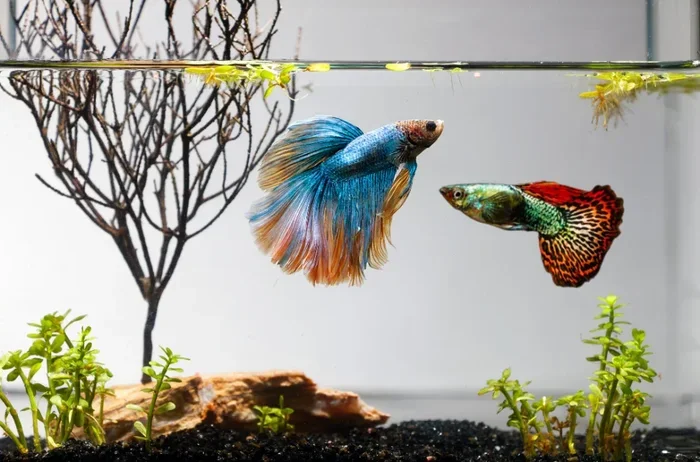
The simple truth is that betta fish do not give live birth. They are egg-laying fish. This means the female betta releases eggs into the water, and the male fertilizes them outside of her body. This is very different from livebearing fish like guppies or mollies, which carry babies inside their bodies until they are born.
Many people assume all fish give live birth. That is not true. There are two main types of fish reproduction:
- Egg-laying fish: The female releases eggs, and the male fertilizes them externally. Betta fish fall into this category.
- Livebearing fish: The female carries developing babies inside her body and gives birth to live young. Guppies and swordtails do this.
Betta fish belong to the egg-laying group. This is an important distinction. Knowing this helps you understand their behavior, their tank needs, and what to expect if you ever plan to breed them.
Some people also search for do betta fish have live babies or do betta fish have live birth. These are all variations of the same question. The answer remains the same: bettas lay eggs. Always remember that.
How Betta Fish Reproduce
Betta fish reproduction is a unique process. It involves courtship, egg release, fertilization, and careful parental care. The male betta plays the biggest role in raising the babies. Let us break it down step by step.
The Courtship Dance
Before any eggs are involved, the male and female betta go through a courtship ritual. The male flares his fins and shows off his bright colors. He tries to impress the female. This display can last several hours. It is actually quite beautiful to watch.
The female will show interest by darkening in color and developing vertical stripes on her body. These stripes are called breeding bars. They signal that she is ready to mate. If the female is not interested, she may become aggressive. Always watch for signs of stress during this phase.
Egg Release and Fertilization
Once the female is ready, she releases eggs into the water. The male wraps his body around hers to collect the eggs. He fertilizes them at the same time. This process may repeat several times over a few hours. The male carefully gathers each batch of eggs.
After fertilization, the male places the eggs into the bubble nest he built earlier. A bubble nest is a cluster of air bubbles stuck together at the water surface. It looks like a messy foam. But it serves a very important purpose: it keeps the eggs safe and moist.
The Role of the Male Betta
The male betta is the primary caregiver during this stage. He guards the bubble nest and the eggs inside it. He will chase the female away once the eggs are collected. This is important because the female might eat the eggs if given the chance.
The male stays with the eggs for about 24 to 48 hours. He keeps the nest intact and repairs it if bubbles pop. He also picks up any eggs that fall and places them back in the nest. It is a lot of work for a little fish.
For more details on this process, check out our guide on how betta fish give birth.
What Happens After the Eggs Hatch
Once the eggs hatch, tiny betta fry emerge. These baby fish are incredibly small and fragile. They are not yet free swimmers. They still have a yolk sac attached to their bodies, which provides them with nutrients for the first day or two.
Caring for Betta Fry
Raising betta fry requires patience and attention. Here are some key tips:
- Keep the water warm: Maintain a temperature around 80 to 82 degrees Fahrenheit.
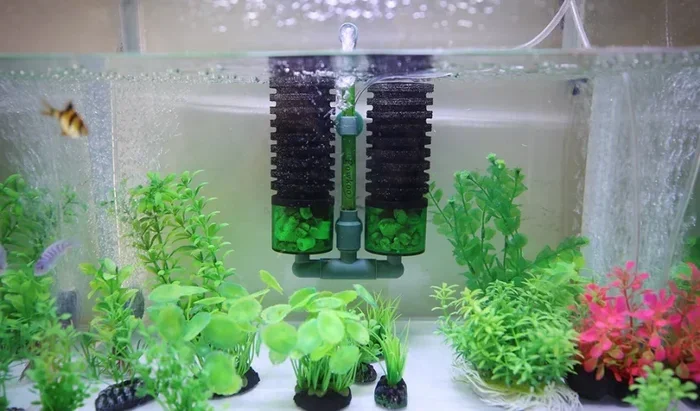
- Use a sponge filter: This keeps the water clean without sucking up tiny fry.
- Feed them properly: Newly hatched brine shrimp and infusoria are perfect first foods.
- Change water carefully: Small, frequent water changes prevent toxins from building up.
- Separate the male: Once the fry are free-swimming, remove the male to prevent him from eating them.
Betta fry grow quickly. Within a few weeks, they start to develop color and fins. It takes about three to four months for them to look like miniature adult bettas.
Do Betta Fish Eat Live Food?
Yes! Betta fish are carnivores. They thrive on a diet of live food. In the wild, they eat insects, larvae, and small crustaceans. In captivity, you can feed them live brine shrimp, bloodworms, and daphnia. For more on this, see our article on do betta fish eat live food.
Feeding live food is especially important for betta fry. It gives them the protein they need to grow strong and healthy. Frozen or freeze-dried versions also work well if live food is not available.
Common Misconceptions About Betta Fish Birth
There are many myths surrounding how betta fish reproduce. Let us address the most common ones.
Myth: Betta Fish Carry Babies Inside Them
This is the biggest myth. Some people think female bettas carry eggs inside their bodies like pregnant guppies. That is not true. Betta eggs develop inside the female, but she releases them into the water before they hatch. The male then takes over. There is no pregnancy in the way most people imagine.
Myth: All Betta Fish Can Breed Easily
Not all bettas are good breeders. Health, age, and water conditions all matter. A stressed or sick betta may not breed at all. Breeding also requires a separate tank with the right setup. It is not something that happens by accident in a community tank.
Myth: Betta Fry Look Like Tiny Adults Immediately
Betta fry are almost transparent when they first hatch. They have no color and very small fins. They grow and develop color over several weeks. It is a gradual process that requires consistent care.
For more on this topic, read our piece on do betta fish lay eggs or have live birth to clear up any remaining confusion.
How to Tell if Your Betta Fish Is Ready to Breed
If you are interested in breeding bettas, you need to know the signs. Both male and female bettas show specific behaviors when they are ready.
Signs in the Female Betta
- Vertical stripes appear on her body (breeding bars)
- Her body becomes slightly rounder
- She becomes more receptive to the male’s advances
- She may release eggs when placed near the male
Signs in the Male Betta
- He builds a bubble nest at the water surface
- He flares his fins frequently
- His colors become more vivid
- He becomes more territorial and active
Not every male betta will build a bubble nest on command. Some build them spontaneously, while others need the presence of a female. Both behaviors are normal.
Quick Tips for Betta Fish Breeding
Planning to breed your bettas? Here are some quick tips to keep in mind:
- Set up a separate breeding tank. A 10-gallon tank works well. Keep the water warm and slightly acidic.
- Condition the fish with live food. Feed both male and female high-quality live or frozen food for one to two weeks before introducing them.
- Introduce the female first. Let her get used to the breeding tank before adding the male.
- Watch for aggression. Remove the female immediately if the male becomes too aggressive.
- Remove the male after breeding. Once the fry are free-swimming, the male may eat them.
- Maintain clean water. Frequent small water changes keep the fry healthy and thriving.
For more information on betta fish care and lifespan, visit our guide on how long do betta fish live.
Final Thoughts
So, do betta fish give live birth? No, they do not. They lay eggs, and the male betta takes care of them from start to finish. Understanding this process helps you be a better fish owner. It also helps you appreciate the incredible way bettas bring new life into the world.
Whether you are breeding bettas for fun or just curious about their biology, the process is truly remarkable. From the bubble nest to the tiny fry, every stage has its own magic. Take your time, do your research, and enjoy the journey.
Remember that proper care makes all the difference. Keep the water clean, feed your fish well, and always watch for signs of stress. Your bettas will reward you with healthy, vibrant lives. And who knows, maybe one day you will witness the beauty of a betta breeding ritual firsthand.
Frequently Asked Questions
Do betta fish give live birth or lay eggs?
Betta fish lay eggs. They are egg-laying fish, not livebearers. The female releases eggs into the water, and the male fertilizes them externally. The male then places the fertilized eggs into a bubble nest he built at the water surface.
How does a betta fish give birth?
Betta fish do not give birth in the traditional sense. The female releases eggs, which the male fertilizes. The male collects the eggs and places them in a bubble nest. The eggs hatch inside the nest after about 24 to 48 hours.
Can you tell if a betta fish is pregnant?
Not in the way you would with a livebearing fish. Female bettas do not carry live young inside them. However, you may notice a rounder belly and vertical breeding bars on her body when she is ready to release eggs.
How many eggs does a betta fish lay at once?
A female betta can lay anywhere from 30 to 100 eggs per spawning session. Some healthy females may lay even more. The male collects and places each egg carefully into the bubble nest.
What do betta fry eat after they hatch?
Betta fry eat very small foods. Newly hatched brine shrimp, infusoria, and finely crushed flake food are great options. Feed them small amounts several times a day to support their rapid growth.
Do betta fish die after giving birth?
No, betta fish do not die after laying eggs. Unlike some other fish species, bettas survive the breeding process. The male may care for the eggs and fry for a few days, but both parents can live healthy lives afterward.