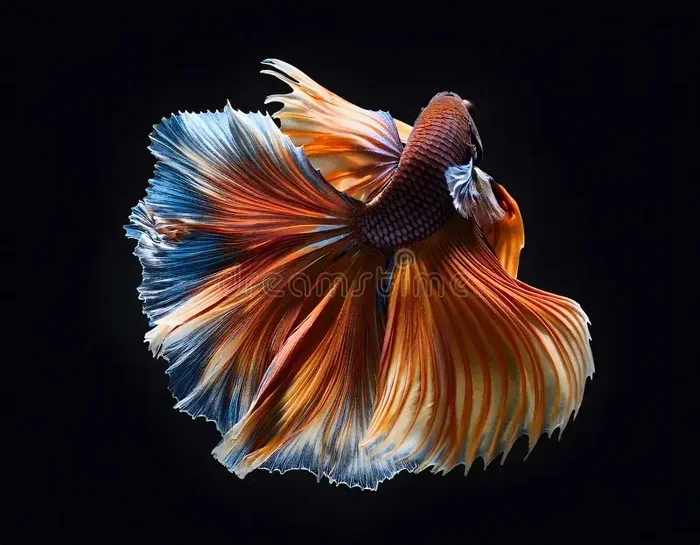
Do Betta Fish Have Noses
Yes, betta fish do have noses — and they use them far more than you might think. Their betta fish nose is a small but powerful sensory tool that helps them detect food, avoid danger, and navigate their environment. Understanding how betta fish smell works can help you keep your fish healthy and happy.
Have you ever looked closely at your betta fish and wondered, do betta fish have noses? It is a fair question. These colorful fish have small features on their face that might look like nothing more than tiny holes. But don’t let their size fool you. A betta fish’s nose plays a bigger role in its daily life than most fish owners realize.
In this guide, we will explore everything about betta fish noses. You will learn what they look like, how they work, and why they matter for your fish’s health. Whether you are a beginner or a seasoned betta keeper, this article will give you useful insights.
Key Takeaways
- Betta fish have visible nostrils called nares that allow them to detect chemicals in the water.
- Betta fish use their sense of smell to find food, recognize their surroundings, and detect threats.
- A betta fish’s nose does not help them breathe — their labyrinth organ handles air intake.
- Poor water quality can impair a betta fish’s sense of smell and lead to stress and illness.
- Betta fish noses are sensitive to chemicals in the water, including ammonia and chlorine.
- Regular water changes and a clean tank support healthy olfactory function in betta fish.
- Betta fish can distinguish between different scents, which plays a role in their daily behavior and feeding habits.
📑 Table of Contents
What Do Betta Fish Noses Look Like?
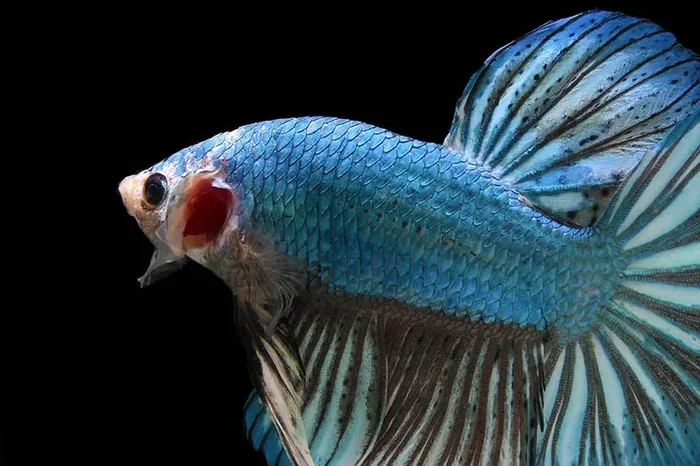
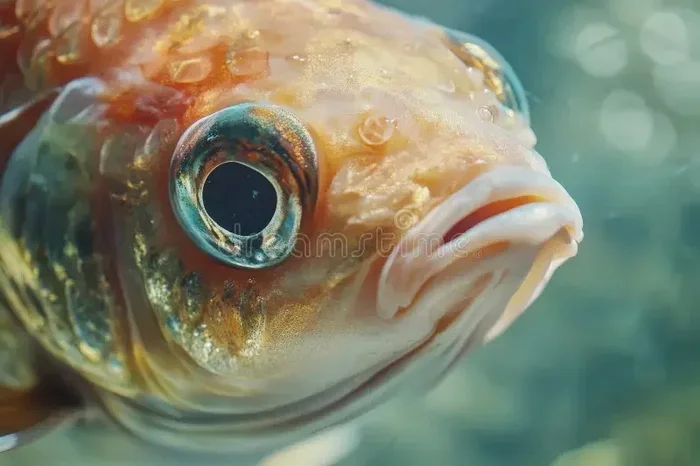
When you look at a betta fish, you will notice two small openings on either side of its head. These are the betta fish nostrils, also known as nares. They sit just above the fish’s mouth and are easy to spot if you look closely.
Unlike human noses, betta fish nostrils do not connect to a breathing system. They serve one main purpose: detecting smells in the water. Each nostril leads to a small chamber inside the fish’s head where sensory cells process chemical signals. This is how a betta fish nose works on a basic level.
The nostrils themselves are very small. Most fish owners only notice them when they are cleaning the tank or observing their fish up close. They are not used for breathing or taking in air. That job belongs to the betta fish labyrinth organ, which allows bettas to breathe atmospheric air. So the nose is purely for sensing, not for respiration.
Do Betta Fish Have Nostrils on Both Sides?
Yes, betta fish have a pair of nares on each side of their head. This means they have four nostril openings total — two on the left and two on the right. This setup helps them detect where a smell is coming from. By comparing the chemical signals entering each nostril, a betta fish can figure out the direction of a scent. This is similar to how humans use two ears to locate a sound.
Having nostrils on both sides gives betta fish a stereo sense of smell. This is a huge advantage in their natural habitat, where detecting predators or food quickly can mean the difference between life and death.
How Do Betta Fish Use Their Noses?
Now that you know what betta fish noses look like, let us talk about what they do with them. A betta fish’s sense of smell is essential to its survival. In the wild, bettas rely heavily on their olfactory system to navigate their environment.
Here are the main ways betta fish use their noses:
- Finding food: Betta fish can detect the scent of food particles in the water. This helps them locate flakes, pellets, or live food even in murky conditions.
- Detecting predators: A betta fish can sense chemical signals released by nearby predators. This early warning system helps them stay safe.
- Recognizing their surroundings: Bettas use smell to familiarize themselves with their tank environment. They remember the scent of their territory.
- Social interaction: Believe it or not, betta fish can use their noses to detect other fish. This plays a role in betta fish behavior and social dynamics.
- Breeding cues: During breeding, male bettas use their sense of smell to detect when a female is ready to mate.
As you can see, a betta fish’s nose does a lot more than you might expect. It is not just a decorative feature — it is a vital survival tool.
The Science Behind Betta Fish Smell
Inside a betta fish’s head, the nares lead to olfactory sacs. These sacs contain specialized sensory cells called olfactory receptors. When water flows through the nostrils, these receptors detect dissolved chemicals. The signals are then sent to the betta fish brain, where they are interpreted as specific scents.
This process happens constantly. Even when a betta fish is resting, water is flowing through its nares. The fish does not need to actively sniff — the movement of water does the work for it. This passive sensing system is highly efficient and allows betta fish to stay aware of their surroundings at all times.
It is worth noting that betta fish do not breathe through their noses. Unlike mammals, fish do not use their olfactory system for respiration. The betta fish lungs or gills handle gas exchange. The nose is purely for detecting chemical information in the water.
Can Betta Fish Smell in Water?
The short answer is yes. Betta fish can smell chemicals dissolved in water. This ability is called olfaction, and it is one of the most important senses a fish has. Water carries scent molecules much differently than air does, but betta fish are well adapted to this environment.
When you drop food into your tank, the betta fish can smell it before it even reaches the bottom. They pick up on the amino acids and proteins dissolving in the water. This is why bettas often swim toward the surface the moment you approach the tank — they have already smelled that food is coming.
Betta fish smell also plays a role in stress detection. If there are aggressive fish nearby, the chemicals released by those fish can alert your betta. This is why tank placement and community tank choices matter so much for betta health.
How Water Quality Affects Their Sense of Smell
Here is something many fish owners do not think about: water quality directly affects how well a betta fish can smell. If the water is dirty or full of pollutants, the chemical signals become confusing or overwhelming. This can stress your fish and dull its sense of smell over time.
Factors that impact a betta fish’s olfactory health include:
- High ammonia levels: Ammonia irritates the delicate tissues inside the nares and can damage olfactory receptors.
- Chlorine and chloramine: These chemicals in tap water can burn a betta’s nostrils and impair smell.
- Excess organic waste: Decaying matter releases chemicals that mask natural scents in the water.
- pH imbalances: Extreme pH levels can affect how chemical signals are processed by olfactory cells.
This is one of the main reasons regular water changes are so important. Clean water allows a betta fish to use its nose effectively. If you want your betta to thrive, maintaining good water quality is one of the best things you can do.
Do Betta Fish Have Nostrils? Understanding Nares
Let us take a closer look at the physical structure of a betta fish nose. The nostrils, or nares, are small tube-like openings on the sides of the fish’s head. Each nare has a flap of skin that controls water flow. This flap acts like a valve, allowing water to enter and exit the nostril in a controlled way.
Inside each nare, there is a small cavity lined with olfactory epithelium. This is the tissue that contains the sensory cells responsible for detecting smells. The design is simple but effective. Water enters through the front of the nare, passes over the sensory cells, and exits through the back.
Unlike human nostrils, betta fish nares do not connect to the throat or lungs. There is no airway involved. The entire system is dedicated to smell. This is a key difference between how mammals and fish process scent.
If you compare betta fish anatomy to other fish species, you will find that the basic nose structure is quite similar. Most freshwater fish have nares that work in the same way. Bettas are not unique in this regard, but their use of smell is particularly well developed given their labyrinth organ and surface-feeding habits.
Do Betta Fish Smell Better Than Other Fish?
Betta fish have a reasonably strong sense of smell compared to many other freshwater species. Their olfactory system is well suited to the warm, slow-moving waters they naturally inhabit. In the wild, bettas often live in rice paddies, shallow ponds, and slow streams where visibility is low. In these environments, smell becomes even more important than sight.
However, bettas are not the best smellers in the fish world. Some species, like catfish, have far more sensitive olfactory systems. Still, for a betta fish, the sense of smell is more than adequate for finding food, avoiding danger, and navigating daily life.
Why Your Betta Fish’s Nose Matters for Health
You might be wondering why a fish’s nose deserves so much attention. The truth is, a healthy betta fish nose is a sign of overall well-being. When a betta’s olfactory system is working properly, it can respond to its environment with confidence. When something goes wrong with the nose, it can affect the fish’s behavior and health.
Here are some signs that your betta’s nose and olfactory system are functioning well:
- Responsive feeding behavior: Your betta comes to the surface quickly when you approach with food.
- Active exploration: A healthy betta investigates its tank and responds to new scents.
- Normal gill movement: While the nose does not handle breathing, overall health is reflected in gill function too.
- Clear nostrils: The nares should be free of debris, mucus, or discoloration.
If you notice your betta fish not responding to food or appearing disoriented, it could be a sign of olfactory issues. Common causes include poor water quality, bacterial infections, or physical damage to the nares. In most cases, improving water parameters and providing a clean environment will resolve the problem.
Common Nose and Smell-Related Issues in Betta Fish
Betta fish can experience problems with their noses just like any other part of their body. Here are a few issues to watch for:
- Nare blockages: Debris in the tank can clog the nostrils, making it harder for the fish to smell. This is rare but can happen in tanks with a lot of floating particles.
- Chemical irritation: Exposure to chlorine or ammonia can inflame the tissues inside the nares. Always treat tap water before adding it to the tank.
- Bacterial infections: In rare cases, bacteria can infect the olfactory epithelium. This may cause swelling or discharge around the nostrils.
- Stress-related smell loss: Chronic stress can reduce a betta’s sensitivity to scent. This often happens in overcrowded or poorly maintained tanks.
Most of these issues are preventable with good tank maintenance. Regular water changes, proper filtration, and a stress-free environment go a long way in keeping your betta’s nose healthy.
Fun Facts About Betta Fish Noses
Betta fish noses are full of surprises. Here are some fun facts that every betta owner should know:
- Betta fish can smell food from a distance. Even in a large tank, your betta can detect food particles carried by the current.
- They use smell to recognize their owner. Over time, bettas can associate your scent with feeding time. This is why they often swim to the front of the tank when you approach.
- Betta fish noses do not get stuffy. Unlike humans, fish nares do not accumulate mucus in the same way. The continuous flow of water keeps them clear.
- A betta’s sense of smell is linked to its memory. Studies have shown that fish can remember scents for extended periods. This connects to the fact that betta fish have short-term memory that is better than many people realize.
- Some bettas prefer scented foods. Foods with strong natural scents, like bloodworms or brine shrimp, are more appealing to bettas because their noses can detect the proteins more easily.
These facts show just how important a betta fish’s nose really is. It is not just a small hole on the side of its head — it is a complex sensory system that shapes how the fish experiences the world.
Quick Tips for Protecting Your Betta Fish’s Nose
Keeping your betta’s nose healthy is simple. Follow these quick tips:
- Always treat tap water with a conditioner before adding it to the tank. This removes chlorine and chloramine that can irritate the nostrils.
- Perform regular water changes — aim for 25-30% weekly to keep chemical levels stable.
- Avoid overfeeding, which can increase organic waste and cloud the water.
- Keep the tank filter running to remove debris that could clog the nares.
- Do not add strong chemicals or fragrances near the tank. Even airborne substances can dissolve in the water and affect your betta’s sense of smell.
- Monitor ammonia and nitrite levels regularly using a liquid test kit. These chemicals are harmful to olfactory tissues.
By following these simple steps, you can ensure your betta fish’s nose stays sharp and healthy for years to come.
Conclusion
So, do betta fish have noses? Absolutely. And as we have explored, those small nostrils do a lot of heavy lifting. From finding food to detecting danger, a betta fish’s sense of smell is a vital part of its daily life. The betta fish nose may be small, but it is mighty.
Taking care of your betta’s olfactory health starts with clean water and a well-maintained tank. When you keep the water quality high, you support every system in your betta’s body — including its nose. Next time you watch your betta swimming through its tank, remember that it is constantly using its sense of smell to understand the world around it.
A healthy betta is a happy betta. And a happy betta makes for a rewarding pet ownership experience. Keep those nares clean, the water fresh, and your fish will thrive.
Frequently Asked Questions
Do betta fish use their noses to breathe?
No, betta fish do not breathe through their noses. Their nostrils are used only for detecting smells in the water. Betta fish breathe using their gills and their labyrinth organ, which allows them to take in air from the surface.
Can a betta fish lose its sense of smell?
Yes, poor water quality, chemical exposure, or infections can temporarily impair a betta fish’s sense of smell. In most cases, improving water conditions restores normal olfactory function. Keeping ammonia and chlorine levels at zero is essential for nasal health.
How can I tell if my betta fish’s nose is healthy?
A healthy betta fish has clear, unobstructed nostrils with no visible discharge or swelling. The fish should respond quickly to food and show active exploration behavior. If you notice redness, mucus, or swelling around the nares, check your water parameters and consider a water change.
Do betta fish have a good sense of smell compared to other fish?
Betta fish have a reasonably strong sense of smell for a freshwater fish. While they are not as sensitive as some species like catfish, their olfactory system is well adapted to their natural habitat of warm, shallow waters with low visibility.
What should I do if my betta fish seems unable to smell food?
First, test your water for ammonia, nitrite, and chlorine levels. Poor water quality is the most common cause of smell impairment. Perform a water change and treat the water with a conditioner. If the issue persists, check for signs of infection or blockage around the nostrils.
Are betta fish noses connected to their brain?
Yes, the olfactory signals detected by the nares are sent directly to the betta fish brain for processing. This connection allows the fish to interpret scents and respond accordingly. It is a fast and efficient system that helps bettas react quickly to their environment.
=== INTERNAL LINKS ===
Learn more about how betta fish use their noses to navigate their world.
Want to understand how your betta processes all the sensory information from its nose? Check out how a betta fish’s brain works to interpret smells and signals.
Since betta fish interact with water constantly through their sensory systems, you might also want to read about how betta fish breathe using their lungs or gills to understand the full picture of betta anatomy.