Can U Eat Betta Fish

While betta fish are technically edible, eating them is highly discouraged due to significant ethical, legal, and health risks. These ornamental fish are bred as pets, not for consumption, and often carry contaminants or parasites. Explore why alternative protein sources are safer and more sustainable.
Hey there! Ever found yourself staring at your betta fish, that gorgeous, flowing creature gliding through its tank, and a totally random thought pops up: Can u eat betta fish? Yeah, it’s a bizarre question, but you’re not alone. Curiosity about the edibility of pets or exotic animals is a real thing—maybe you’re in a survival scenario, exploring cultural practices, or just have a wildly inquisitive mind. Whatever the reason, you’ve come to the right place. We’re diving deep (pun intended) into everything you need to know about eating betta fish. From their history and cultural roots to legal red flags, health hazards, and ethical debates, we’ll cover it all. By the end, you’ll understand why this isn’t just a weird idea—it’s generally a bad one—and what you should eat instead.
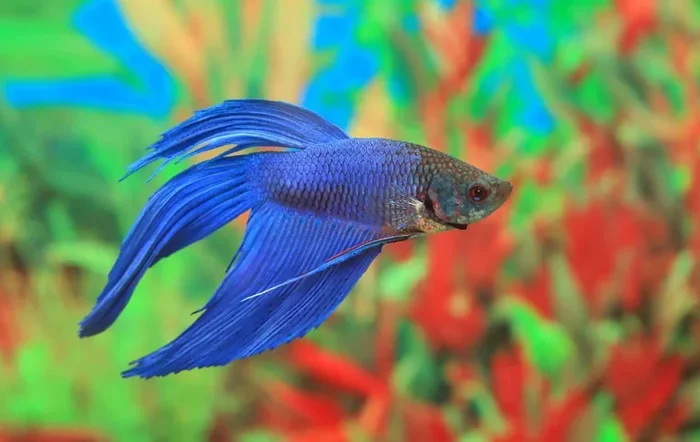
First, let’s set the stage. Betta fish, also known as Siamese fighting fish, are one of the most popular aquarium pets worldwide. Their vibrant colors, dramatic fins, and feisty personalities make them favorites. But they’re tiny—usually just 2-3 inches long—and packed into a petite body is a lot of bone and very little meat. So, the short answer to can u eat betta fish is: yes, technically, you could swallow one. But the real answer is a loud, clear no for reasons we’ll unpack. Stick with me as we explore the messy, complicated world of betta fish consumption. It’s more than just a yes-or-no question; it’s about culture, law, health, and ethics.
Key Takeaways
- Betta fish are not traditional food fish: They are bred for ornamentation, not as a food source, making them impractical and risky to eat.
- Legal status often prohibits consumption: In many regions, bettas are classified as pets or ornamental fish, not food, with regulations against their slaughter for eating.
- High risk of parasites and bacteria: Pet bettas live in controlled environments with potential pathogens; improper handling or cooking can lead to serious illness.
- Ethical concerns about eating sentient pets: Bettas are recognized as sentient beings capable of pain, raising animal welfare issues for consumption.
- Nutritional value is minimal: Their small size yields negligible meat, offering little protein or nutrients compared to standard food fish.
- Cultural exceptions exist but are rare: In limited Southeast Asian contexts, small wild-caught bettas might be eaten, but this is not common or recommended.
- Numerous better alternatives available: Sustainable seafood, legumes, and poultry provide safer, more ethical, and nutritious options.
📑 Table of Contents
The Betta Fish: Pet Phenomenon and Food Curiosity
To understand why someone would even ask can u eat betta fish, we need to look at what bettas are and where they come from. These fish aren’t just random aquarium dwellers; they have a storied past and a unique biology that makes them both fascinating pets and, in very specific contexts, potential food sources.
Origins and Natural Habitat
Betta fish (Betta splendens) hail from the shallow waters of Thailand, Cambodia, Vietnam, and Malaysia—think rice paddies, slow-moving streams, and floodplains. In the wild, they’re not the flamboyant creatures you see in stores. Wild bettas are usually greenish-brown with short fins, built for survival in oxygen-poor environments. They’re labyrinth fish, meaning they can breathe air from the surface, a trait that lets them endure murky, stagnant water. This adaptability is why they’ve thrived in captivity, but it also means they’re hardy survivors—a quality that might make someone think, Hey, could I eat this if I had to?
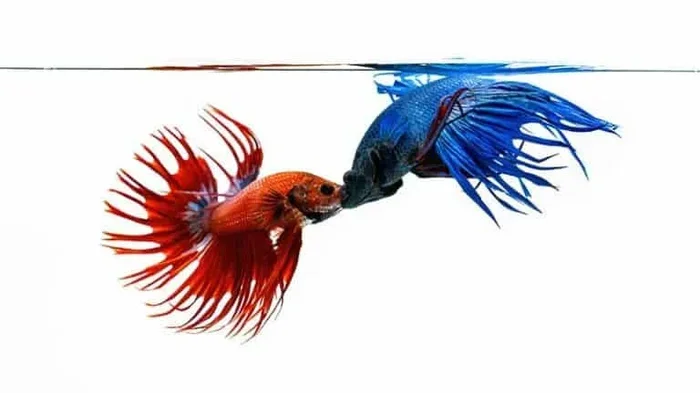
In their native Southeast Asia, bettas have been around for centuries. They were originally discovered in the 19th century and named after an ancient warrior tribe, the “Betta,” due to their aggressive fighting nature. Males were even pitted against each other in gambling matches, much like cockfighting. This fighting history is key: it’s why they’re so territorial and why they’re often kept alone in tanks. But that aggression doesn’t translate to a meaty dinner. Wild bettas are small, lean, and built for darting after insects, not for packing on pounds.
Why Bettas Are Beloved Pets
Fast forward to today, and bettas are a global pet phenomenon. They’re cheap, readily available, and don’t need much space—or so many think. You see them in tiny cups at pet stores, which is actually a cruel practice. In reality, bettas need proper tanks with heaters and filters to thrive. Their popularity stems from their low maintenance (misconception) and stunning appearance. breeds like Halfmoons, Plakats, and Crowntails have been selectively bred for maximum finnage and color.
But here’s the twist: their status as beloved companions directly conflicts with the idea of eating them. In Western cultures, bettas are viewed as decorative, almost like living art. They’re given names, and owners invest in elaborate setups. The thought of frying one up feels taboo, akin to eating a dog or cat. That emotional connection is a huge barrier to can u eat betta fish being a realistic option for most people. Yet, in other parts of the world, the line between pet and food is blurrier for small animals.
Cultural and Historical Context of Eating Bettas
So, have people actually eaten betta fish historically? The answer is yes, but with major caveats. It’s not like bettas are a staple food like salmon or chicken. Their role as food is niche, regional, and often tied to poverty or tradition rather than preference.
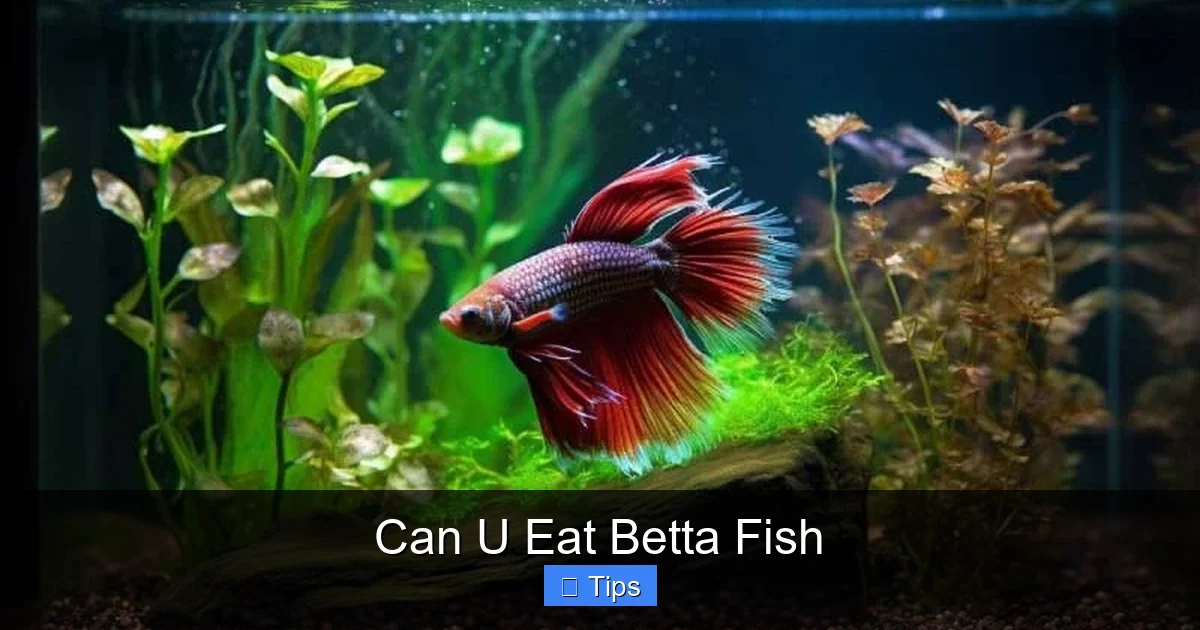
Visual guide about Can U Eat Betta Fish
Image source: bettafishnest.com
Southeast Asian Traditions
In Thailand, Cambodia, and parts of Vietnam, small freshwater fish are a common part of the diet, especially in rural areas. Dishes like pla ra (fermented fish) or simple fried fish with rice are everyday meals. Bettas, being small and abundant in local waterways, might occasionally end up in the pot. But they’re rarely targeted specifically; they’re more likely caught alongside other tiny fish like minnows or rice fish.
When consumed, these wild bettas are usually cleaned, gutted, and either deep-fried until crispy or added to soups and curries. The entire fish is often eaten—bones and all—since they’re so small. The taste? Probably mild, slightly muddy, or fishy, depending on the water quality. But here’s the key: these are wild-caught, not the captive-bred pets you’d buy at a store. Wild bettas are leaner and may have a different diet (insects, larvae), which could affect flavor. Still, they’re not considered a delicacy; they’re a source of protein when other options are scarce.
Survival Situations and Necessity
This brings us to the survivalist angle. If you’re stranded in a Thai jungle with nothing but a net and a betta-filled pond, could you eat one? Technically, yes. In true survival scenarios, any non-poisonous animal is fair game. Bettas are slow-moving and easy to catch with hands or a makeshift net. Their air-breathing ability means they survive in poor conditions, but that also doesn’t make them tasty or nutritious.
However, even in survival mode, you’d prioritize larger, more rewarding fish like catfish or carp. Betta meat yield is pathetic—you’d get maybe a bite of flesh per fish. You’d spend more energy catching and preparing them than you’d gain from eating them. So, while they’re edible in a pinch, they’re not a practical survival food. The calories burned catching and cooking them would outweigh the calories consumed. Not exactly a winning strategy.
Modern Perspectives
Today, eating betta fish is extremely rare, even in their native regions. With commercial fisheries and aquaculture, people have access to better, larger fish. The bettas you see in stores are almost exclusively bred for the pet trade, not for food. They’re raised in crowded conditions, often with antibiotics and chemicals to prevent disease—which makes them even less suitable for eating. In fact, in Thailand, there’s a growing movement to protect bettas as cultural icons and pets, not food. So, the cultural context is shifting: bettas are moving from “possible snack” to “cherished pet” globally.
Nutritional Profile: What’s in a Betta?
Okay, let’s say you ignore the cultural and ethical sides and just want the facts: Can u eat betta fish from a nutritional standpoint? What would you get from a tiny, 2-inch fish?

Visual guide about Can U Eat Betta Fish
Image source: rusticaly.com
Protein and Fat Content
Like most fish, bettas are high in protein and low in fat. A single betta might weigh 0.1-0.2 ounces (3-5 grams) after cleaning. The edible meat yield is maybe 30-40% of that—so roughly 1-2 grams of protein per fish. For reference, a standard serving of fish is about 3-4 ounces (85-113 grams), providing 20-25 grams of protein. You’d need to eat 20-30 betta fish to match that. That’s not happening. So nutritionally, they’re inefficient. You’d be better off eating a can of tuna or a handful of nuts.
Fat content in bettas is minimal because they’re not fatty fish like salmon. They have some omega-3 fatty acids from their natural diet of insects and larvae, but again, the quantity is trivial. You’d get more omega-3 from a tablespoon of flaxseeds. So, from a pure nutrient density perspective, bettas are a poor choice.
Vitamins and Minerals
Fish are known for vitamin D, B12, selenium, and iodine. Bettas, being small, have these in trace amounts. Wild bettas might have more minerals from their natural habitat, but pet bettas are often fed pellets or brine shrimp, which may not provide a broad mineral profile. There’s no significant advantage here. You’d get far more vitamin D from sunlight or fortified foods, and B12 from eggs or dairy.
The Size Problem
This is the biggest nutritional hurdle: size. Bettas are simply too small to be a meaningful food source. Even if you caught 100, the effort to clean, scale, and cook them would be immense for a meager amount of food. Compare that to catching one tilapia or buying a pound of shrimp. The betta is a nutritional footnote, not a meal. So, if you’re considering can u eat betta fish for sustenance, the answer is a hard no—they won’t fill you up or provide balanced nutrition.
Legal and Ethical Considerations
Now we get into the murky waters. Even if you could catch or buy a betta to eat, you might be breaking laws or ethical norms. This section is crucial because it’s where most people hit a wall.
Visual guide about Can U Eat Betta Fish
Image source: animalslog.com
Pet vs. Food: Legal Classifications
In many countries, betta fish are classified as ornamental or pet fish, not as food fish. This means they’re regulated differently. For example, in the United States, the FDA doesn’t approve bettas for human consumption. They’re not inspected or raised under food safety standards. Selling them as food would likely violate consumer protection laws. Some states have specific ordinances about slaughtering pets for food, especially if it’s considered animal cruelty.
In the European Union, bettas fall under pet trade regulations, not aquaculture for food. Importing them for consumption would be illegal. In Thailand, while wild bettas might be caught and eaten, captive-bred bettas for the pet export industry are not intended for food. So, legally, eating a store-bought betta is a gray area at best and illegal in many places. You could face fines or charges for animal cruelty or violating health codes.
Animal Welfare and Sentience
Ethically, this is a big one. Scientific consensus recognizes that fish, including bettas, are sentient. They feel pain, stress, and fear. Bettas are known to recognize their owners, show curiosity, and even experience boredom. Keeping them as pets creates a bond; eating them would be a profound betrayal of that relationship. For many, it’s akin to eating a dog or cat—culturally unacceptable and morally troubling.
Even if you don’t form an emotional attachment, welfare during slaughter matters. Betta fish are small and delicate. Proper stunning and killing methods (like percussive stunning or pithing) are difficult on such a tiny animal, meaning they could suffer immensely. In industrial settings, they wouldn’t be processed humanely because they’re not food fish. So, from an animal rights perspective, can u eat betta fish should be answered with a no on grounds of unnecessary suffering.
Cultural Sensitivity vs. Personal Choice
What about cultures where small fish are eaten? It’s important to respect traditions, but that doesn’t mean you should adopt them without understanding. In Southeast Asia, eating small fish like bettas is often a matter of economic necessity, not preference. As societies develop, these practices decline. Importing or forcing such practices where they don’t belong is cultural appropriation. If you’re not from that culture, eating bettas as a “novelty” is disrespectful and trivializes the hardships that originally drove the practice. Personal curiosity doesn’t override cultural sensitivity.
Health Risks and Safety Concerns
Let’s assume you’ve decided to try it anyway. What could go wrong? A lot, actually. Health risks are a major reason to avoid eating betta fish.
Parasites and Bacteria
Betta fish, like all fish, can harbor parasites such as flukes, tapeworms, and nematodes. In the wild, they’re exposed to parasites from their prey (insects, larvae). In captivity, poor water quality can lead to bacterial infections like Aeromonas or Pseudomonas. These pathogens can transfer to humans if the fish is eaten raw or undercooked. Even cooking might not eliminate all parasites if the fish isn’t heated to a safe internal temperature (145°F/63°C). Given their small size, it’s hard to ensure even cooking, leaving potential hotspots for bacteria.
Additionally, pet bettas are often treated with antibiotics and chemicals to treat diseases like fin rot or velvet. These medications can leave residues in the fish’s body. Consuming them could contribute to antibiotic resistance or allergic reactions. There’s no withdrawal period for pet fish, so you have no idea what’s in their system.
Water Quality and Contaminants
Bettas are frequently kept in poor conditions—small bowls with unchanging water. This leads to high ammonia and nitrite levels, which the fish absorbs. Ammonia is toxic and can cause metabolic issues in humans if ingested in significant amounts. While cooking might break down some toxins, heavy metals like copper (from tap water or medications) can accumulate in fish tissue. Copper toxicity is no joke; it can cause gastrointestinal distress, liver damage, and neurological problems.
Wild bettas from polluted waterways face similar issues with industrial runoff, pesticides, and heavy metals. Eating them could expose you to mercury, lead, or other contaminants. Since bettas are low on the food chain, they don’t bioaccumulate toxins like large predatory fish, but they’re still vulnerable to local pollution.
Proper Preparation (If Consumed)
If you’re in a situation where you must eat a betta (extreme survival), proper preparation is critical to reduce risks. First, ensure the fish is from a clean, unpolluted source—ideally wild-caught in pristine water, not a pet store. Gut it immediately to remove intestines where parasites linger. Scale it (though betta scales are tiny), and remove all internal organs. Cook it thoroughly: fry, bake, or boil for at least 5-7 minutes until the flesh is opaque and flakes easily. Do not eat raw. But again, this is a last resort, not a recommendation.
Practicality and Better Choices
Beyond legality, ethics, and health, let’s talk practicality. Is eating betta fish even a sensible idea? Spoiler: it’s not.
Why Bettas Are Impractical as Food
We’ve touched on size, but let’s crunch numbers. A typical betta fish yields about 0.5 grams of edible meat after cleaning. That’s less than a raisin. To get a 3-ounce serving (like a snack portion), you’d need about 170 bettas. Imagine catching, killing, cleaning, and cooking 170 tiny fish. The time and energy expenditure would be enormous. You’d burn more calories than you’d consume. In a survival scenario, it’s a net loss. In a normal kitchen, it’s just silly.
Then there’s cost. A betta fish from a pet store costs $3-$10. That’s $510-$1700 for a single serving of protein. You could buy a pound of chicken for $2 or a can of beans for $1. Economically, it’s insane. So, practicality fails on every metric: size, effort, cost.
Ethical and Sustainable Protein Sources
If you’re looking for protein, there are countless better options. For sustainability, consider small, fast-reproducing fish like sardines, mackerel, or anchovies. They’re abundant, low in contaminants, and rich in omega-3s. Plant-based proteins like lentils, chickpeas, and tofu are cheap, ethical, and environmentally friendly. Eggs and poultry are also efficient. If you’re concerned about animal welfare, choose certified humane or plant-based products. These alternatives are legal, safe, nutritious, and won’t make you question your life choices.
What to Do If You’re in a Survival Situation
Okay, real talk: if you’re lost in the Thai wilderness with only a net, should you eat a betta? Only if it’s the only option and you’re desperate. But prioritize larger fish, frogs, or edible plants. Set up a trap or fishing line for bigger catches. Bettas should be a absolute last resort, and even then, cook them thoroughly. But let’s be honest—if you’re that stranded, your bigger problems are shelter, water, and rescue. Focus on those first.
Conclusion: The Verdict on Eating Betta Fish
So, after all that, what’s the final word on can u eat betta fish? Technically, yes—they’re not poisonous. But in reality, it’s a terrible idea for almost everyone. Legally, you’re likely violating pet or food safety laws. Ethically, you’re consuming a sentient animal kept as a companion, which raises serious welfare concerns. Health-wise, you risk parasites, bacteria, and contaminants from poor water quality or medications. Nutritionally, they’re a joke—way too small to matter. Practically, they’re expensive, time-consuming, and inefficient. Culturally, eating them is rare and declining, often tied to poverty rather than choice.
If you’re curious about exotic foods, there are plenty of safe, legal, and ethical options out there—think unusual fruits, sustainable seafood, or traditional dishes from cultures that raise animals specifically for food. Don’t turn to pets. Betta fish belong in tanks, not on plates. They bring beauty and tranquility to our homes; let’s appreciate them for that. If you’re in a true survival scenario, focus on finding larger, more rewarding food sources. And if you’re just wondering out of curiosity, now you know: don’t do it. There are so many better ways to get your nutrients and satisfy your culinary adventurousness without causing harm or breaking laws. Stick to the grocery store, not the aquarium shop, for your next meal.
Frequently Asked Questions
Are betta fish safe to eat?
No, betta fish are generally not safe to eat due to high risks of parasites, bacteria, and chemical contaminants from pet store conditions or polluted waters. Even thorough cooking may not eliminate all hazards.
Is it legal to eat betta fish?
In most places, it’s illegal or a legal gray area because bettas are classified as ornamental pets, not food fish. Slaughtering them for consumption may violate animal cruelty or health codes.
What do betta fish taste like?
If eaten, bettas likely have a mild, muddy, or fishy taste similar to other small freshwater fish, but their small size and bony structure make them unpleasant and not worth the effort.
Can eating betta fish make you sick?
Yes, eating betta fish can cause illness from parasites like flukes or bacteria such as Aeromonas, especially if undercooked. Chemical residues from antibiotics or poor water quality also pose health risks.
How are betta fish prepared in cultures that eat them?
In rare Southeast Asian contexts, wild bettas might be cleaned, gutted, and deep-fried until crispy or added to soups. The entire small fish is often eaten, but this is not common today.
What should I eat instead of betta fish?
Choose sustainable seafood like sardines or mackerel, plant-based proteins like lentils and tofu, or poultry and eggs. These options are nutritious, ethical, legal, and far more practical.