How do you save a betta fish from dying with simple steps

If you notice your betta acting strange, acting fast can save its life. This guide explains how do you save a betta fish from dying by checking water quality, spotting illness early, and giving proper care. You will learn simple steps to stabilize your tank and support recovery. With the right actions, many bettas bounce back quickly. Stay calm, follow these tips, and give your fish the best chance to thrive.
Key Takeaways
- Act quickly: Early intervention greatly improves survival chances when your betta shows distress.
- Test water first: Poor water quality is the most common cause of betta illness and death.
- Maintain stable temperature: Keep the tank between 78 and 80 degrees Fahrenheit to support healing.
- Observe closely: Look for clamped fins, lethargy, loss of appetite, or unusual spots as warning signs.
- Use gentle treatments: Start with simple fixes like water changes and salt before stronger medications.
- Avoid overfeeding: Excess food pollutes the tank and stresses your fish further.
- Consult a vet or expert: Persistent symptoms may require professional guidance or targeted medication.
📑 Table of Contents
- How do you save a betta fish from dying: A clear starting point
- Check water quality first, because clean water saves lives
- Stabilize temperature and environment to support recovery
- Spot early signs of illness and act fast
- Use safe, simple treatments before stronger medications
- Feed carefully and support healing with good nutrition
- Know when to get extra help and prevent future problems
- Key Takeaways
- Key Takeaways
- Conclusion
How do you save a betta fish from dying: A clear starting point
Seeing your betta fish act weak or strange can feel scary. You want to help right away. The good news is that many bettas recover when you catch problems early. How do you save a betta fish from dying starts with calm observation and quick action. You do not need fancy tools to begin. You just need to check the basics and make steady improvements.
Bettas are tough little fish, but they also show stress fast. A small change in water or temperature can affect them quickly. That is why a simple routine helps a lot. When you know what to look for, you can respond before things get worse. This guide walks you through practical steps you can take today.
We will cover water quality, temperature, signs of illness, safe treatments, and daily care habits. You will also learn when to seek extra help. Keep reading, and you will feel more confident about protecting your pet.
Check water quality first, because clean water saves lives
Most betta problems begin with water that is not quite right. Even if the water looks clear, it may still hold harmful compounds. Ammonia and nitrites can build up fast in small tanks. These substances burn gills and stress the fish. When you ask how do you save a betta fish from dying, the first answer is usually to fix the water.
Test the tank water right away
Use a simple liquid test kit or reliable test strips. Check ammonia, nitrite, nitrate, and pH. Ammonia and nitrite should be at zero. Nitrate should stay low, ideally under 20 ppm. pH should stay stable, usually near neutral for bettas. If numbers look off, do not panic. You can correct many issues with careful water changes.
Perform a gentle water change
Replace about 25 to 50 percent of the water with fresh, treated water. Use a water conditioner to remove chlorine and chloramine. Match the new water to the tank temperature as closely as possible. This reduces shock and helps your betta breathe easier. If the tank is very dirty, repeat small changes over the next few days instead of one large swap.
Clean the filter and substrate carefully
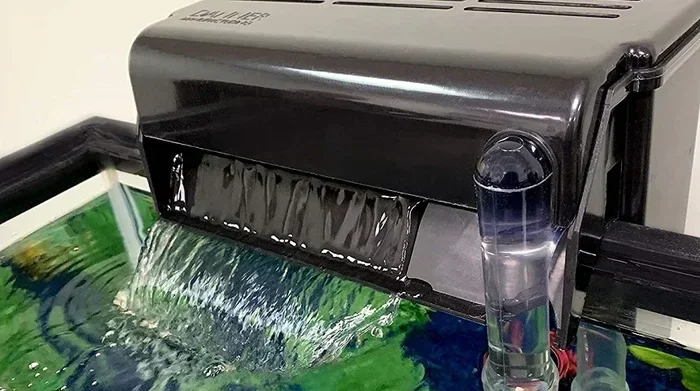
A filter helps keep water stable, but it can clog over time. Rinse filter media in old tank water, not tap water. This protects helpful bacteria that break down waste. Vacuum the substrate gently to remove leftover food and debris. If you want to understand filtration better, learn Do Betta Fish Have To Be In A Filtered Tank and Can You Use A Filter In A Betta Fish Tank for practical setup tips.
Stabilize temperature and environment to support recovery
Bettas come from warm water, and temperature swings can weaken them quickly. A chilled fish may become sluggish and lose its appetite. A sudden heat spike can also cause stress. Keeping the water steady is a major part of how do you save a betta fish from dying. Stable conditions give the fish a chance to heal.
Use a heater and monitor with a thermometer
Set a reliable heater to keep the tank between 78 and 80 degrees Fahrenheit. Place a separate thermometer in the tank so you can verify the real temperature. Heater dials are not always accurate. A small difference matters when your fish is already stressed. If the water is too cool, raise it slowly over a few hours rather than all at once.
Reduce stressors in the tank
Loud noise, constant movement, and bright lights can bother a weak betta. Move the tank to a quiet spot if possible. Keep lighting on a regular schedule. Provide a simple hiding place, like a smooth plant or a small cave. If your betta seems upset by changes, you may want to read Do Betta Fish Get Mad When You Change Their Decorations to understand how surroundings affect behavior.
Make sure the tank size fits your fish
A cramped space can make water quality worse and limit swimming. Bettas do better with enough room to move and breathe. If your setup is very small, consider upgrading when your fish is stable. For guidance on space needs, see Do Betta Fish Like A Lot Of Space. A better environment supports long-term health and lowers stress.
Spot early signs of illness and act fast
Bettas often show warning signs before a serious crisis. Catching these clues early is a key part of how do you save a betta fish from dying. Watch your fish daily. Small changes in behavior or appearance can tell you a lot. The sooner you notice trouble, the sooner you can help.
Look for common warning signs
Watch for these changes:
- Clamped fins: Fins stay close to the body instead of spreading normally.
- Lethargy: Your betta rests on the bottom or hides more than usual.
- Loss of appetite: Food goes untouched during regular feeding times.
- White spots, fuzz, or patches: Unusual marks may suggest infection or parasites.
- Rapid breathing or gasping: The fish may struggle near the surface or near the filter outflow.
- Bloating or swelling: The body may look stretched or uneven.
If you see one sign, stay calm and check the water. If you see several signs together, move faster. Some issues are mild and respond well to clean water and rest. Others need targeted care.
Isolate if needed and keep observations simple
If you keep other fish, consider moving the sick betta to a separate hospital tank. This helps prevent spread and makes treatment easier. Keep the hospital tank simple with a heater, gentle filtration, and clean water. Write down what you see each day. Notes help you track progress and decide whether a treatment is working.
Use safe, simple treatments before stronger medications
When a betta is weak, gentle care often works better than aggressive fixes. Strong medicines can add stress if used too soon. A careful approach to how do you save a betta fish from dying usually starts with the least invasive steps. If those help, you may not need more.
Start with clean water and rest
Many bettas improve after a few days in stable, clean water. Keep feeding light and remove uneaten food quickly. Make small water changes on a regular schedule. Give your fish time to recover without extra chemicals. Sometimes the best medicine is a calm environment and good water.
Try aquarium salt only when appropriate
Aquarium salt can help some bettas by supporting slime coat function and reducing certain stress issues. Use it carefully and only in tanks without live plants or sensitive invertebrates. Follow product directions and dissolve the salt before adding it. If you are unsure, ask an experienced fish keeper or vet before using salt.
Move to targeted medication if symptoms persist
If clear signs of infection, parasites, or fungus appear, you may need a specific treatment. Choose a product made for aquarium fish and follow the label exactly. Remove activated carbon if your filter uses it, since carbon can absorb medication. Keep the tank aerated and maintain stable temperature during treatment. For more context on betta biology and care, you may find Do Betta Fish Have A Heart and Do Betta Fish Have A Sense Of Smell helpful when learning how your fish responds to its environment.
Feed carefully and support healing with good nutrition
Food plays a bigger role than many people think. A weak betta still needs energy, but overfeeding can pollute the tank and make things worse. Balanced feeding is an important part of how do you save a betta fish from dying. The goal is gentle nutrition without extra waste.
Offer small, easy-to-digest meals
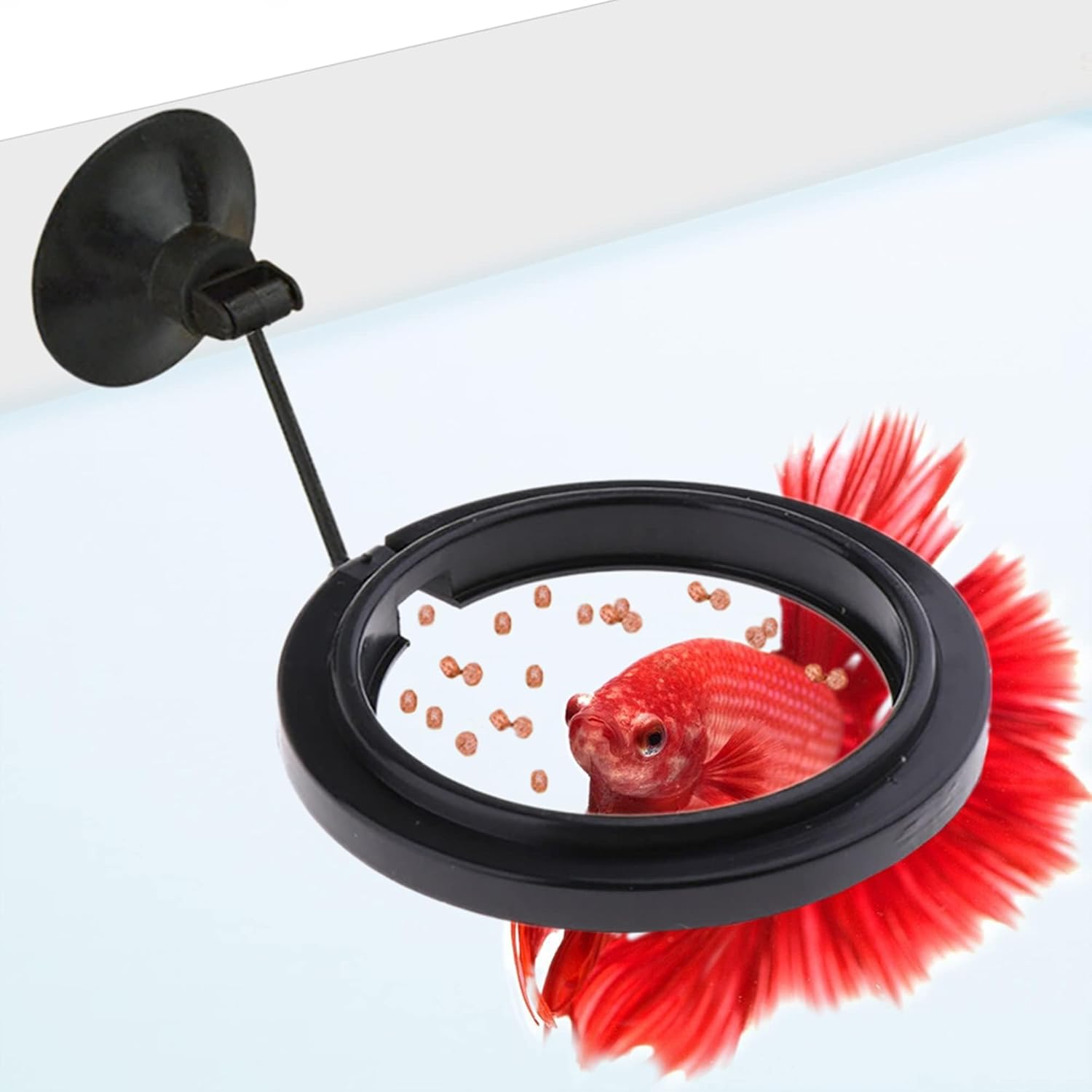
Feed a small amount once or twice a day, only what your betta can finish quickly. If your fish is very weak, try even less. Choose a quality betta pellet or frozen food that is easy to digest. If your betta refuses food, do not force it. Keep offering small amounts once the fish seems more alert.
Use treats sparingly
Some keepers like to offer a treat for variety or encouragement. Treats should stay occasional, especially during illness. Too much rich food can cause bloating or leftover waste. If you want to learn more about safe snack options, see Do Betta Fish Have Treats For A Snack. Simple, moderate feeding usually supports recovery better than heavy supplementation.
Avoid foods that can harm the tank
Do not feed bread or other human foods. These can swell in water, foul the tank, and offer little real nutrition. If you are curious why bread is a poor choice, read Could You Feed A Betta Fish Bread. Sticking to proper fish food keeps water cleaner and helps your betta stay stronger.
Know when to get extra help and prevent future problems
Sometimes home care is enough, and sometimes you need more support. Knowing the difference is part of how do you save a betta fish from dying. If your fish keeps getting worse despite clean water, stable temperature, and careful treatment, reach out for advice. A knowledgeable aquarium expert or aquatic veterinarian can help you choose the next step.
Watch the timeline and track progress
Give simple fixes a fair chance, but do not wait forever. If your betta is not improving after a couple of days to a week, reassess the situation. Check test results again. Review temperature, filter flow, and feeding. If symptoms escalate, such as severe swelling, open sores, or trouble breathing, seek help sooner.
Build a routine that prevents crisis
Prevention is easier than emergency care. A steady routine keeps your betta healthier and reduces surprises. Use this quick checklist:
- Test water regularly and after any major change.
- Keep temperature stable with a reliable heater and thermometer.
- Perform consistent water changes based on tank size and bioload.
- Feed small portions and remove leftovers.
- Clean the filter gently without destroying beneficial bacteria.
- Watch your betta daily for small changes in behavior or appearance.
- Avoid sudden decor changes or rough handling.
If you are curious about handling, you can read Can You Touch A Pet Betta Fish and Can You Put Your Hand Inside A Betta Fish Bowl to understand how interaction affects stress levels. Less stress usually means a stronger fish.
Keep learning about betta care
Bettas are fascinating pets with specific needs. The more you understand them, the better you can protect them. If you ever wonder about age, background, or general biology, explore Can You Tell How Old A Betta Fish Is and Do Betta Fish Come From. Learning these basics helps you make smarter care choices and notice problems earlier.
Key Takeaways
Key Takeaways
- Start with water: Clean, stable water is the foundation of betta recovery.
- Keep temperature steady: Warm, consistent water helps your fish breathe and heal.
- Watch daily: Small changes in behavior or appearance often appear before a crisis.
- Go gentle first: Water changes, rest, and careful feeding often help before stronger treatments.
- Track what happens: Simple notes help you see whether care is working.
- Ask for help when needed: Persistent or severe symptoms may need expert guidance.
- Prevent future issues: A steady routine lowers stress and keeps your betta healthier long term.
Conclusion
When your betta looks unwell, fast and calm action makes a real difference. How do you save a betta fish from dying comes down to checking water, stabilizing temperature, spotting signs early, and using gentle care before moving to stronger treatments. Most bettas do best when you keep things simple, steady, and clean. Small daily habits protect your fish more than occasional big fixes.
Remember to test the water, reduce stress, feed lightly, and observe closely. If your betta does not improve, do not wait too long to get advice. With patience and consistent care, many fish can recover and return to a healthier routine. Your attention matters, and it can give your betta a much better chance to bounce back.
Frequently Asked Questions
What should I do first if my betta fish looks weak?
Start by testing the water and checking the temperature. Clean water and stable warmth are the fastest ways to reduce stress and support recovery.
How do I know if poor water is hurting my betta?
Common clues include lethargy, clamped fins, gasping, and loss of appetite. If ammonia or nitrite is present, improve filtration and perform careful water changes right away.
Can a betta recover from illness without medication?
Yes, many mild issues improve with clean water, stable temperature, and reduced stress. If symptoms continue or worsen, a targeted treatment may be needed.
Should I stop feeding a sick betta fish?
Do not force food, but offer very small portions if your fish is alert enough to eat. Remove uneaten food quickly so the water stays clean.
When should I separate a sick betta from other fish?
Move the fish to a separate tank if you see signs that could spread or if you need to use medication. A simple hospital setup makes treatment easier and safer.
How can I prevent my betta from getting sick again?
Keep a regular routine with water testing, gentle filter care, stable temperature, and small feedings. Watching your fish daily helps you catch problems early.