Can Triops Live with Betta Fish
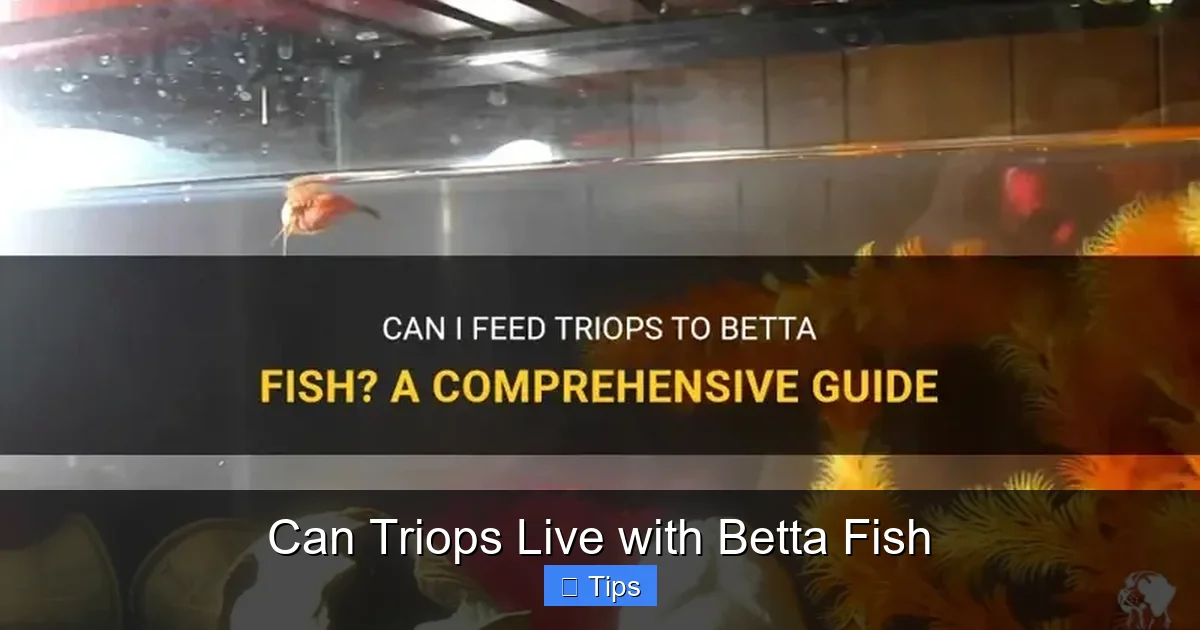
Generally, keeping Triops with Betta fish is not recommended and carries significant risks. Betta fish are naturally aggressive, territorial, and may see slow-moving Triops as food or an intruder. Triops, ancient and delicate crustaceans, have different water parameter needs and are highly vulnerable to a Betta’s boisterous behavior. While a very large, heavily planted tank with constant supervision might offer a slim chance, the likelihood of the Betta harassing, injuring, or eating the Triops is high. For the safety and well-being of both creatures, it is far safer to house them in separate, species-appropriate environments.
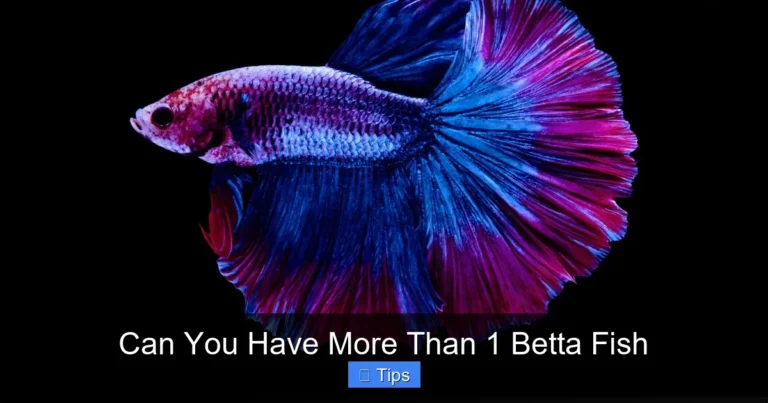
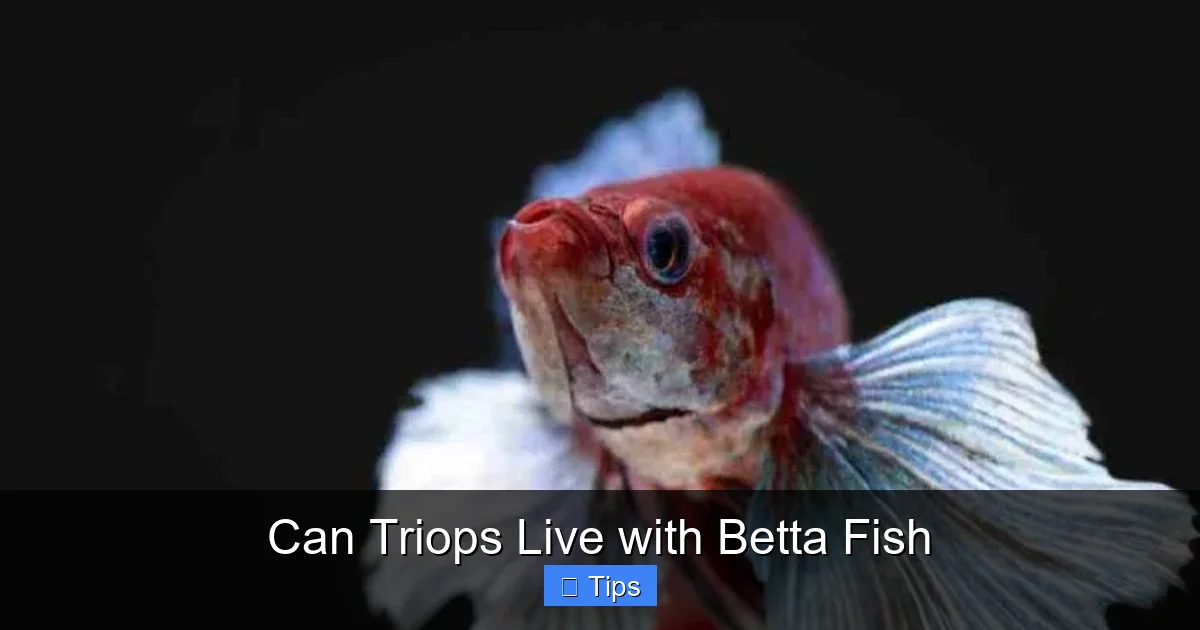
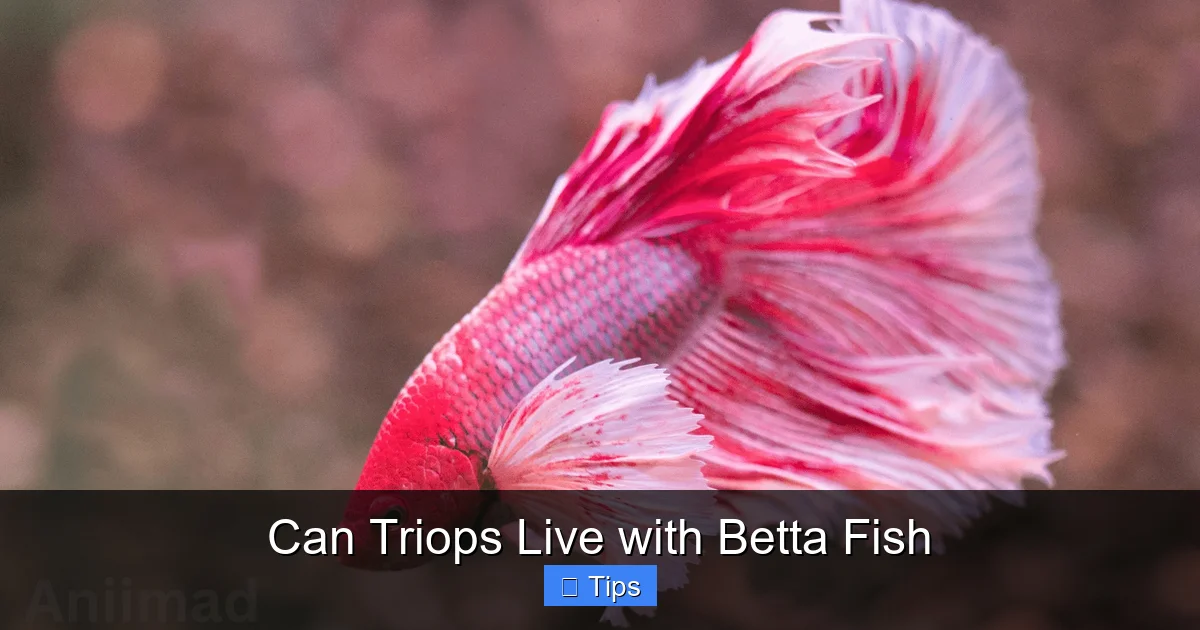
So, you’ve got a beautiful, flowing Betta fish, perhaps a majestic halfmoon with fins like silk, and you’re fascinated by the prehistoric, tadpole-like dance of Triops in their own little tank. The idea of combining these two captivating creatures into one aquatic community is understandably tempting. It would be a living piece of art, blending the vibrant, pet-like personality of a Betta with the ancient, alien simplicity of a Triops. But before you pour that Triops into your Betta’s domain, it’s crucial to ask: can triops live with betta fish safely and humanely? The short, most honest answer is that it’s an extremely high-risk endeavor with a very low success rate. Let’s dive deep into the biology, behavior, and practical realities to understand why this combination is generally a recipe for disaster, and what you can do instead.
Key Takeaways
- Betta aggression is the primary barrier: Male Bettas, in particular, are fiercely territorial and will often flare at, chase, and attack any slow-moving creature entering their space, including harmless Triops.
- Triops are fragile and vulnerable: These ancient crustaceans have soft bodies and are not equipped to evade a determined Betta. Stress from harassment can quickly lead to injury or death.
- Fundamental water parameter mismatches exist: Bettas prefer warmer, still water (78-80°F), while Triops thrive in slightly cooler water with more movement and different mineral content (GH/KH), making a stable middle ground difficult.
- Tank size and complexity are critical but often insufficient: Even a 20-gallon tank may not provide enough space and visual barriers to prevent a Betta from targeting Triops. Dense planting and décor are essential but not a guarantee.
- Feeding dynamics create competition and danger: Triops are messy scavengers that can foul water quality, while Bettas are surface feeders. The Betta may also eat Triops food, and Triops may not get enough to eat before the Betta claims it all.
- Safer, more suitable tank mates abound: Both species have numerous compatible, low-risk tank mate options. For Bettas, consider peaceful schooling fish like neon tetras (in a large tank). For Triops, a species-only tank or other robust, cold-water shrimp/snails are ideal.
- Observation is non-negotiable and constant: If attempting cohabitation, you must watch for signs of stress (Triops hiding, clamped fins, missing limbs) or Betta aggression (chasing, fin-nipping) immediately and be prepared to separate them at a moment’s notice.
📑 Table of Contents
- The Betta Fish: A Grumpy, Gorgeous Guardian
- Triops: Prehistoric, Peaceful, and Perilously Slow
- The Compatibility Chasm: Why Cohabitation Is So Problematic
- If You Insist: A Guide to the (Extremely) High-Risk “Trial”
- Monitoring and the Inevitable “Plan B”
- Safer, More Suitable Alternatives for Both Species
- Conclusion: A Bridge Too Far
The Betta Fish: A Grumpy, Gorgeous Guardian
To understand the profound incompatibility, we must first become experts on the Betta fish (Betta splendens). This fish, with its jaw-dropping colors and flowing fins, is not just a pretty face. It is a product of centuries of selective breeding for aggression, originally for fighting. This history is etched into its very DNA.
The Terrible Temperament of the Siamese Fighting Fish
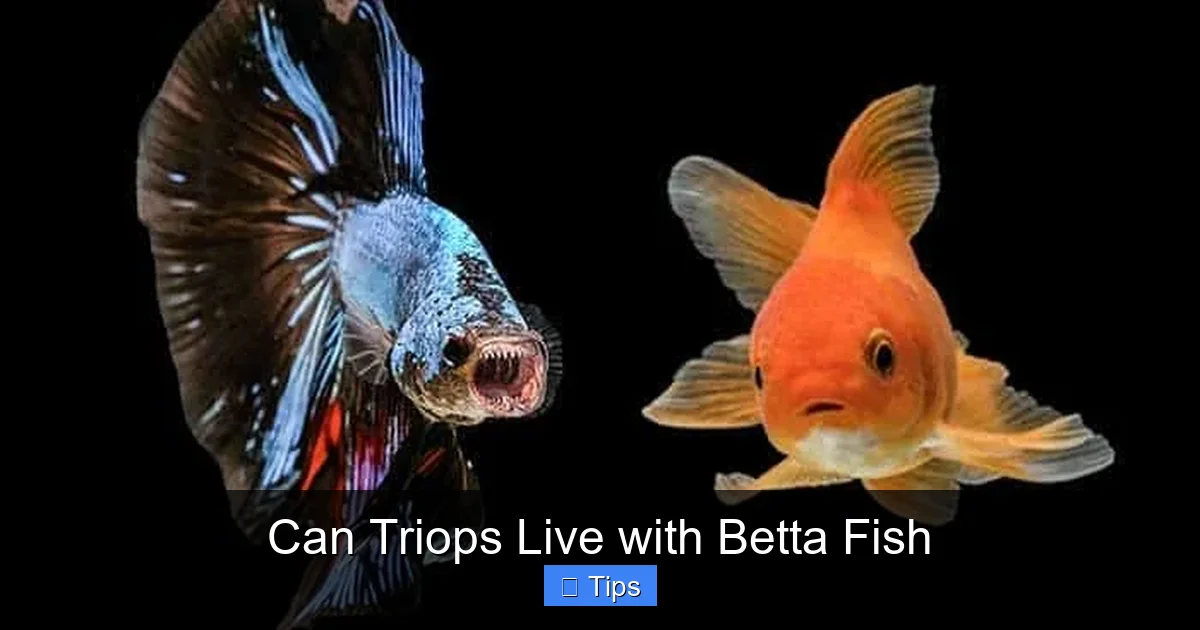
The Betta’s most defining trait is its territorial nature. A male Betta, the common choice for aquariums, establishes a clear domain within its tank. It will patrol this space vigilantly, flaring its gills and fins at any perceived intruder—be it its own reflection, a new decoration, or a slow-moving tank mate. This isn’t mere posturing; it can escalate to relentless chasing, biting, and fin-nipping. Females can also be territorial, though typically less aggressively than males. This behavior is not a sign of a “mean” fish; it is a natural, instinctual response. Any creature that enters this zone and does not swiftly retreat is seen as a challenge or a threat.
Environmental and Behavioral Needs
Bettas are labyrinth fish, meaning they breathe atmospheric air from the surface. This makes them prone to jumping and necessitates calm water with easy access to the air-water interface. They thrive in warm, stable water between 78-80°F (25.5-26.5°C). They prefer a low-current environment, as strong flow tires them and can damage their delicate fins. In terms of personality, Bettas are often curious and interactive with their human caregivers, but this does not extend to other species. Their idea of a tank mate is one that is either invisible (like a snail with a tight shell) or utterly non-threatening and fast enough to evade their territorial patrols.
Triops: Prehistoric, Peaceful, and Perilously Slow
On the other side of this potential matchup is the Triops, specifically Triops longicaudatus or Triops cancriformis. These are not fish; they are branchiopod crustaceans, essentially living fossils that have existed for over 300 million years. Their appearance is simple: a shield-like carapace, two long caudal tails, and numerous legs that ripple as they move through the water. Their behavior is equally simple: they are constant foragers, stirring up substrate, eating anything they can find—detritus, algae, dead plant matter, and provided foods.
Visual guide about Can Triops Live with Betta Fish
Image source: fisharticle.com
The Delicate Nature of a Living Fossil
Triops are, in a word, fragile. Their exoskeleton is relatively soft compared to that of crabs or shrimp. Their legs and tail are delicate. They are not built for speed or evasion. Their primary defense against predators in the wild is burying themselves in the sediment or, in the case of some species, producing drought-resistant eggs to wait out bad conditions. In the confines of a glass tank, they have zero escape mechanism from a persistent, faster predator. A single nip from a Betta’s beak can cause a fatal wound or lead to a debilitating infection.
Water Parameter Preferences: A World Apart
This is where the incompatibility becomes biological. Triops originate from temporary freshwater pools and ponds. They are remarkably hardy but within a specific range that often clashes with Betta needs. Triops prefer cooler water, optimally between 68-77°F (20-25°C). While they can tolerate higher temps, it shortens their already brief lifespan (often 1-3 months). They also prefer more water movement, which helps oxygenate the water and mimics their natural habitat’s breezes. Crucially, they need harder water with a higher GH (general hardness) and KH (carbonate hardness) to successfully molt their exoskeletons. Bettas, while adaptable, prefer slightly softer, more acidic, and absolutely still water. Trying to find a stable “middle ground” stresses both creatures, weakening their immune systems and making them more susceptible to disease.
The Compatibility Chasm: Why Cohabitation Is So Problematic
Now, let’s put these two profiles side-by-side. It’s a classic mismatch of predator and prey, even if the predator doesn’t intend to eat the prey. The Betta is the active, territorial, surface-oriented guard. The Triops is the passive, bottom-dwelling, slow-moving forager. Their paths are destined to cross at the mid-level and bottom of the tank, which is exactly where a Betta will patrol.
Visual guide about Can Triops Live with Betta Fish
Image source: aniimad.com
The Betta’s Perspective: A Slow, Odd Intruder
From the Betta’s viewpoint, a Triops is an unpredictable, slow-moving object that doesn’t behave like a typical plant or rock. It undulates. It has long tails that might look like rival fins. It stirs up the substrate in the Betta’s territory. This is a triple threat: it’s a visual irritant, a behavioral disturbance, and a potential food source. The Betta’s instinct will be to investigate, flare, and ultimately try to drive this strange creature away. Because the Triops cannot flee quickly, the interaction is one-sided and stressful for the crustacean.
The Triops’s Perspective: A terrifying, fast-moving predator
For the Triops, the Betta is a large, fast, brightly colored monster that suddenly appears from above and the sides. Triops have simple eyes that detect movement. The darting, flaring Betta is a constant source of terror. This chronic stress is devastating. A stressed Triops may cease foraging, stop molting properly, become lethargic, and eventually die. Its natural reaction to freeze or bury itself is useless against a Betta that will wait at the substrate level.
The Water Quality Dilemma
Triops are famously messy eaters. They create a cloud of detritus as they sift through sand or fine gravel. This decaying matter, if not filtered out efficiently, will lead to ammonia spikes. Bettas are sensitive to poor water quality, especially to ammonia and nitrite. A tank housing both will require exceptionally powerful filtration and very frequent water changes to stay ahead of the bioload, which adds another layer of maintenance stress for the aquarist and the fish.
If You Insist: A Guide to the (Extremely) High-Risk “Trial”
Despite the overwhelming evidence against it, some dedicated hobbyists may still wish to attempt a carefully managed introduction. If you proceed, you must do so with the understanding that you are taking a significant gamble with the Triops’s life. This is not a recommended community setup; it is an experiment in extreme caution.
Visual guide about Can Triops Live with Betta Fish
Image source: fishkeepingacademy.com
Tank Size and Setup: Bigger is Non-Negotiable
The absolute minimum tank size for this attempt is a 20-gallon long (30 inches in length). A 29-gallon or larger is strongly preferred. The goal is to provide so much space that the Betta’s territory is diluted. The tank must be heavily, densely planted with live plants (like Java fern, Anubias, Cryptocoryne) and include a forest of artificial plants. The idea is to create a visual barrier maze so the Betta cannot see the Triops constantly. Use soft, fine sand or smooth, inert gravel as substrate. Include plenty of hiding spots for the Triops: large pieces of driftwood, ceramic pots, and PVC pipes. The water flow must be gentle, baffled by plants.
The Introduction Protocol: A Gradual, Observed Process
Never simply drop the Triops into the Betta’s established tank. First, ensure the Betta is well-fed and not already exhibiting signs of stress or aggression in its tank. Use a clear, breeding box or a large, seasoned quarantine tank with the same water parameters placed inside the main tank. Allow the Triops to acclimate in this隔离 box for 24-48 hours, where the Betta can see it but not reach it. Observe the Betta’s reaction intently. Does it flare constantly and try to get into the box? If so, the aggression level is too high—abort the mission. If the Betta largely ignores it after initial curiosity, you might consider a supervised release during feeding time, when the Betta is distracted. Have a net ready to scoop the Triops back into safety at the first sign of chasing. This is not a “set it and forget it” scenario; it requires daily, dedicated observation.
Feeding Strategies to Minimize Conflict
Feed the Betta its usual high-quality pellets or frozen foods first, at the surface. Once it is occupied, sprinkle Triops-specific foods (algae wafers, powdered shrimp food, blanched zucchini) near the bottom, ideally near a Triops hideout. You may need to use a feeding dish or target feed the Triops with tweezers. The goal is to prevent the Betta from associating the Triops’s foraging area with an easy meal.
Monitoring and the Inevitable “Plan B”
If you proceed with the trial, your life now revolves around monitoring. Watch for these critical red flags:
- For the Triops: Constant hiding, not coming out to eat, missing or torn limbs, lethargy, floating upside down.
- For the Betta: Relentless patrolling of the bottom, flaring directed at the Triops’s location, chasing even when not feeding.
At the first persistent sign of stress or aggression, you must immediately separate them. Have a fully cycled, heated (for the Betta) or cooled (for the Triops) hospital tank ready. The Triops’s tank should be a simple, filtered, species-only setup. The moment the Betta’s behavior changes, the experiment is over. Remember, a Triops’s lifespan is short. A few days of chronic stress can equate to weeks of a peaceful life in its own tank.
Safer, More Suitable Alternatives for Both Species
Given the profound risks, the wisest and most humane choice is to provide each creature with the ideal, stress-free home it deserves. The good news is that both have fantastic, low-risk options.
The Perfect Tank Mates for Your Betta
Your Betta deserves companions that won’t trigger its aggression and can thrive in its warm, still water. Excellent choices include:
- Schooling Fish: A proper school of 6+ neon tetras, ember tetras, or harlequin rasboras in a 20-gallon tank or larger. Their speed, numbers, and occupation of the mid-level distract from the Betta’s territory.
- Bottom Dwellers: Larger, robust Corydoras catfish (like bronze corys) or Kuhli loaches. They occupy a different stratum and have armor-like skin.
- Invertebrates: Large, smooth-shelled snails (mystery snails, nerite snails) are often ignored. Ghost shrimp or Amano shrimp can work but carry a risk of being eaten, especially by larger Bettas.
The Ideal Home for Your Triops
Triops are fascinating and educational on their own. A 5-10 gallon tank dedicated to a small group (they are social!) is perfect. Use a deep sand bed for burrowing. Provide a gentle sponge filter. Feed them a varied diet of algae wafers, fish food flakes, and vegetable matter. You can even create a fascinating “Triops nursery” by letting their eggs hatch in a separate container. They are a window into prehistoric life, and they thrive best when not living in fear. For other tank mates in a cold-water Triops setup, consider:
- Other Triops: They do best in groups of their own kind.
- Freshwater Snails: Ramshorn, bladder, and mystery snails (if temperature allows) are excellent, peaceful cleaners that share similar water needs.
- Daphnia or Moina: These tiny crustaceans can be added as a live food culture and may reproduce in the tank.
Conclusion: A Bridge Too Far
The question can triops live with betta fish is ultimately a question of ethics and practicality versus curiosity. While the image is enchanting, the biological and behavioral realities create an almost insurmountable wall of risk. The Betta’s territorial aggression is a constant, unpredictable threat to the slow, defenseless Triops. Their differing needs for water temperature, flow, and chemistry mean one will always be slightly stressed. The meticulous, high-maintenance “trial” setup requires an aquarist with the time, space, and obsessive attention to detail to even attempt it—and even then, success is fleeting.
True aquarium keeping is about creating stable, peaceful ecosystems where all inhabitants can thrive without fear. It is about respecting the natural instincts and vulnerabilities of the creatures in our care. By housing your Betta with appropriate, active tank mates and your Triops in a species-specific, cool-water paradise, you provide both with the dignified life they deserve. You get to enjoy two spectacular, thriving displays instead of one stressful, high-risk gamble. Choose the path of harmony and safety. Your fish—and your peace of mind—will thank you for it.
Frequently Asked Questions
Will a Betta fish definitely kill a Triops?
Not definitely, but the probability is extremely high. Even a “calm” Betta may flare at or harass a slow-moving Triops out of territorial instinct, causing fatal stress or injury. The risk is simply too great to consider it a safe pairing.
What is the absolute minimum tank size if I want to try?
If you are proceeding with full awareness of the risks, the absolute minimum is a 20-gallon long tank (30 inches in length). This provides enough space for visual barriers and territory separation. A 29-gallon or larger is strongly recommended for any realistic chance of success.
How long could a Triops potentially survive with a Betta?
It’s unpredictable. It could be a matter of days if the Betta is highly aggressive, or it might last several weeks if the Betta is unusually passive and the tank is perfectly set up. However, chronic stress from the Betta’s presence will almost certainly shorten the Triops’s natural 1-3 month lifespan.
What are the first signs that the cohabitation is failing?
For the Triops: constant hiding, refusing to eat, lethargy, or visible damage like torn limbs. For the Betta: relentless patrolling of the bottom, flaring directed at the Triops’s location, and persistent chasing behavior. At the first sign of these, immediate separation is required.
Are there any invertebrates that can live with a Betta?
Yes, but with caveats. Large, smooth-shelled snails like mystery snails or nerite snails are often ignored. Ghost shrimp or Amano shrimp have a higher risk of being eaten, especially by larger or more aggressive Bettas. The Betta’s individual personality is the ultimate deciding factor.
Can a Triops harm a Betta fish?
It is highly unlikely. Triops are passive scavengers with no predatory instincts or mouthparts capable of harming a Betta. The danger is entirely one-way: from the Betta to the Triops. The Triops’s only “harm” to the Betta would be potential minor water quality degradation if not properly managed.