Can You Use Sink Water for Betta Fish and Keep Them Safe
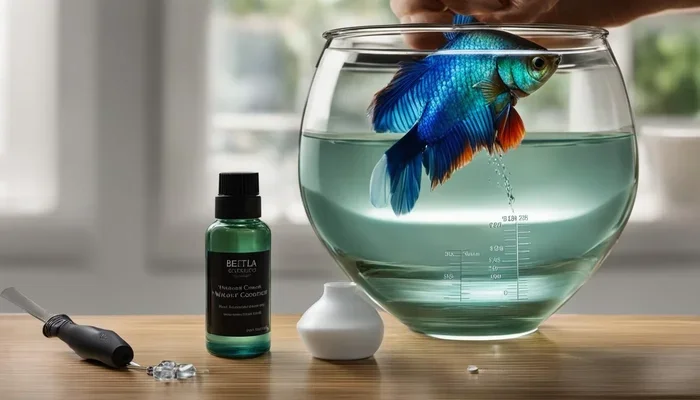
Can you use sink water for betta fish? Only if it is clean tap water treated with a proper water conditioner. Test it, match the tank temperature, and never use water that touched soap, food, or cleaners.
Can You Use Sink Water for Betta Fish and Keep Them Safe
When people ask about sink water, they may mean water from the faucet or water already sitting in the sink. The answer changes based on what the water touched. Clean tap water can work for a betta tank. Water from the sink basin usually should not.
Bettas need clean, stable freshwater. Even a small amount of soap or cleaner can cause stress or harm. Here is how to prepare safe water, test it, and make water changes without putting your fish at risk.
Key Takeaways
- Clear water is not always safe: Sink water may contain soap, bacteria, food residue, or cleaning chemicals.
- Conditioner is essential: Treat tap water with a betta-safe conditioner before adding it to the tank.
- Test the water: Check ammonia, nitrite, nitrate, pH, and temperature before adding the water.
- Match the tank temperature: New water should be close to 78–80°F and within 1–2°F of the tank.
- Never replace all the water: Large changes can remove helpful bacteria and upset your betta.
- Watch for stress: Clamped fins, gasping, flashing, or loss of color may mean the water is harmful.
📑 Table of Contents
- Can You Use Sink Water for Betta Fish? The Short Answer
- How to Prepare Sink or Tap Water for a Betta Tank
- What Your Water Test Results Mean
- How to Make a Safe Water Change
- Common Mistakes That Put Bettas at Risk
- Warning Signs That the Water Made Your Betta Sick
- Expert Insights: What Safe Betta Water Needs
- Conclusion: Is Sink Water Safe for Bettas?
Can You Use Sink Water for Betta Fish? The Short Answer
Can you use sink water for betta fish? Yes, but only under strict conditions. The best choice is cold water from the tap placed into a clean container. Never use water that has been sitting in the sink, especially if the basin had soap, food, plants, or cleaning products in it.
Water from a faucet can be suitable for aquarium use. However, water collected from a kitchen or bathroom sink may carry germs, dirt, oils, or traces of chemicals. A sink is not a clean water storage container.
Safe sink-style water must meet these rules:
- It must come from the clean tap.
- It must go into a clean aquarium bucket or container.
- It must be treated with the right conditioner.
- It must test free of ammonia and nitrite.
- It must match the tank temperature.
- It must never touch soap, cleaners, food, or dirty sink surfaces.
If the water has touched the sink, the safest answer is no. Use tap water poured into a clean bucket instead.
How to Prepare Sink or Tap Water for a Betta Tank
Start With Clean, Cold Tap Water
Turn on the cold-water tap. Pour the water into a clean bucket used only for the aquarium. Do not use a bucket that held chemicals, paint, plants, or pet food.
Avoid water from the hot tap. It may have a higher metal content and can pass through more parts of the plumbing. Cold tap water is the better starting point.
Treat the Water Correctly
Tap water often contains chlorine or chloramine. Chlorine can burn a betta’s gills and skin. Chloramine is harder to remove because it combines chlorine with another compound.
Use a proper tap water conditioner. Add the amount listed on the label for your water volume. Do not guess. Too little may not treat the water fully, while extra doses can cause problems.
Conditioner removes or neutralizes common tap-water hazards. It does not remove soap, disinfectant, medicine, or every possible contaminant. If the water touched anything unsafe, do not use it.
Match the Tank Temperature
Bettas are tropical fish. They do best in water around 78–80°F. New water should be within 1–2°F of the tank water.
Use an aquarium thermometer to check both waters. If the new water is too cold or hot, the betta may go into shock. Make small temperature changes over time rather than making a sudden shift.
Test the Water Before Adding It
When using tap water for a betta tank, test it before a water change. A home test kit is simple and far cheaper than treating a sick fish.
Check for:
- Ammonia: It must read 0 ppm.
- Nitrite: It must read 0 ppm.
- Nitrate: Lower is better, ideally under 20–40 ppm.
- pH: Most Bettas do well near a stable pH of 7.0–8.0.
- Temperature: Keep it near 78–80°F.
What Your Water Test Results Mean
A cycled aquarium contains helpful bacteria. These bacteria turn toxic ammonia into nitrite and then into less harmful nitrate. If your tank is not cycled, ammonia and nitrite can rise fast. That can injure or kill a betta.
| Test | Safe Target | Why It Matters |
|---|---|---|
| Ammonia | 0 ppm | Even small amounts can burn gills and damage organs. |
| Nitrite | 0 ppm | High levels reduce the blood’s ability to carry oxygen. |
| Nitrate | Under 20–40 ppm | Lower levels reduce long-term stress. |
| pH | About 7.0–8.0 and stable | Sudden pH changes can stress a betta. |
| Temperature | 78–80°F | Bettas need warm, steady water. |
pH stability matters more than one perfect number. A slow shift from 7.2 to 7.5 is usually safer than a sudden move from 6.5 to 8.0. Avoid strong pH additives unless you know why they are needed.
If your tank is new, do not add a betta until it is fully cycled. A fishless cycle is safer. It lets beneficial bacteria grow before the fish enters the tank.
How to Make a Safe Water Change
Water changes remove nitrate, waste, and leftover food. They also help keep water chemistry stable. In an established tank, a weekly change of about 25–30% is a good starting point.
- Remove the betta if needed. Use a clean aquarium net and tank water. Never use a household cup.
- Remove 25–30% of the tank water. Use a gravel vacuum to lift waste from the substrate.
- Prepare equal tank water. Treat it and bring it to the same temperature.
- Add water slowly. Pour it along the glass or use a plate to soften the flow.
- Check the tank again. Make sure ammonia and nitrite remain at 0 ppm.
Do not replace 100% of the water. The tank soil, plants, and filter hold helpful bacteria. Removing all the water can break down the biological filter and cause a harmful ammonia spike.
If your betta has a filter, clean it only in removed tank water. Never rinse it under tap water. Tap water can harm the beneficial bacteria living inside.
Quick Tips for Better Water Changes
- Keep a dedicated aquarium bucket near the tank.
- Write down each test result and water change.
- Change water in small steps if your tap water has a different pH.
- Do not feed the fish for a day before a large change.
- Keep spare conditioner on hand for emergencies.
Common Mistakes That Put Bettas at Risk
Using Water From the Sink Basin
A sink may hold soap, toothpaste, pet shampoo, food, or tiny bits of dirt. Even a small residue can harm fish. Water should never run across the sink basin before entering the tank.
Assuming Clear Water Is Safe
Chlorine, chloramine, and some chemicals have no strong smell or color. Clear water can still be unsafe. Always test and treat it.
Using Distilled or Reverse Osmosis Water Alone
Distilled and reverse osmosis water remove many minerals. Bettas need some dissolved minerals for healthy body function. These waters must be remineralized before aquarium use. Do not fill a tank with them straight from the jug or filter.
Changing Too Much Water at Once
A large water change can shift temperature, pH, and hardness all at once. This may cause betta stress. Smaller, regular changes are safer.
Adding Salt Without a Reason
Regular table salt is not a water conditioner. It does not remove chlorine or chloramine. Use salt only when a trusted guide or aquatic vet says it is needed.
Cleaning the Tank Too Thoroughly
A clean tank is not the same as a sterile tank. Bettas benefit from safe biofilm and helpful bacteria. Clean only what is needed, and leave the filter intact.
Warning Signs That the Water Made Your Betta Sick
Water problems can cause stress very quickly. Watch for these signs:
- Clamped fins
- Gasping at the surface
- Flashing or rubbing against objects
- Loss of bright color
- Lethargy or hiding
- Red or swollen gills
- Loss of appetite
- Sores or unusual mucus
If you see these signs, test the water at once. Check ammonia, nitrite, nitrate, pH, and temperature. If a value is unsafe, make a careful partial change with conditioned water. Match the temperature and add the new water slowly.
If your betta is gasping, very weak, or worsening, contact an aquatic vet. Do not use random medicine until you know the cause. Poor water quality can look like a disease, and medicine may make the problem worse.
Expert Insights: What Safe Betta Water Needs
Experienced keepers focus on stability. They do not chase one perfect test result. They watch trends over time.
Safe aquarium water should be clean, conditioned, warm, and biologically stable. The filter should process waste, and regular water changes should keep nitrate low. A balanced tank gives a betta a much better chance to stay active and healthy.
If your tap water is very hard or has a high pH, do not panic. Many Bettas can thrive in suitable hard water. The key is to avoid sudden changes and keep ammonia and nitrite at zero.
Conclusion: Is Sink Water Safe for Bettas?
Can you use sink water for betta fish? Clean tap water can be safe after conditioning and testing. Water from the sink basin is not a good choice because it may carry soap, dirt, food, or chemicals.
Use cold tap water, a clean bucket, the right conditioner, and a reliable test kit. Match the temperature, make small water changes, and keep the tank cycled. These simple steps will help your betta stay safe, calm, and healthy.
Frequently Asked Questions
Can I put sink water directly into a betta tank?
No. Water from the sink basin may contain soap, dirt, food, or cleaning residue. Use cold tap water poured into a clean bucket, then treat and test it first.
Is faucet water the same as sink water?
Not always. Water coming straight from the faucet can be safe for Bettas after conditioning. Water that touches the sink may pick up contaminants and should be avoided.
Do I need water conditioner for sink water?
Yes, if the water comes from a normal tap supply. Chlorine or chloramine may be present, so use a betta-safe conditioner at the proper dose. Conditioner cannot make dirty or chemically contaminated water safe.
How long can tap water sit before I use it?
You do not need to let ordinary tap water sit for days. A proper conditioner neutralizes chlorine and chloramine quickly. Follow the product label and use the water according to its directions.
Can I use distilled water for my betta fish?
Not by itself. Distilled water lacks the minerals Bettas need. It must be mixed with minerals or remineralized before it is safe for an aquarium.
What should I do if my betta seems sick after a water change?
Test the water right away and check ammonia, nitrite, nitrate, pH, and temperature. Make a slow, partial change with correctly conditioned water if a result is unsafe. Contact an aquatic vet if your betta is weak, gasping, or getting worse.