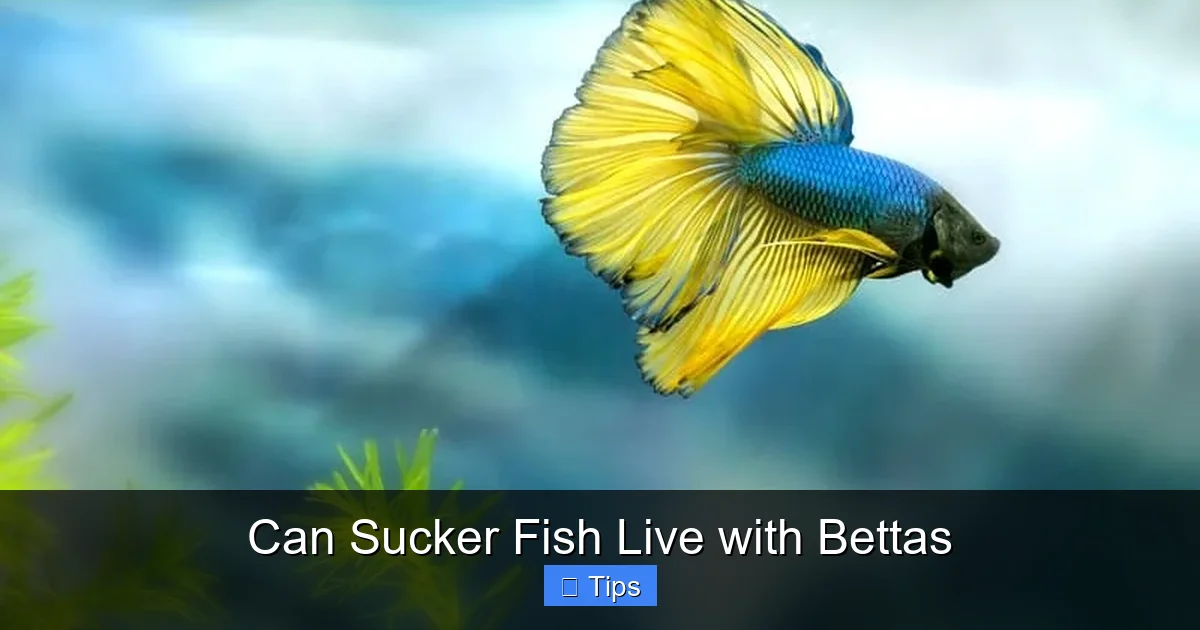
Can Sucker Fish Live with Bettas
Yes, some sucker fish can live with bettas, but success depends entirely on the specific species of sucker fish, the betta’s individual temperament, and the tank environment. Common plecos like Bristlenose or Clown Plecos, and Otocinclus catfish, are the safest bets due to their small size, peaceful nature, and different activity patterns. A large, heavily planted tank with ample hiding spots and pristine water is non-negotiable. Always have a backup plan, as a betta’s aggression can be unpredictable, and cohabitation is never guaranteed.
So, you’ve got a beautiful, flowing betta in a tank, and you’re thinking about adding one of those fascinating algae-munching “sucker fish” to help with cleanup. It seems like a perfect match: a top-dwelling showstopper paired with a bottom-dwelling janitor. But before you grab that common pleco from the store, let’s have a real talk about betta and sucker fish compatibility. The short answer is: sometimes, but it’s a big, fat, conditional “maybe.” Many well-meaning aquarists have learned the hard way that pairing these two is a nuanced art, not a simple rule. This guide will walk you through everything you need to know to make an informed, safe decision for your aquatic pets.
First, let’s clarify terms. “Sucker fish” is a casual nickname often applied to several species of armored catfish, primarily from the family Loricariidae. The most famous are plecostomus (or plecos). However, this group includes giants like the Common Pleco (which can reach 2 feet!) and tiny, delicate species like Otocinclus. When we talk about “living with a betta,” we are almost exclusively referring to the smaller, more peaceful loricariids. Bettas (Betta splendens) are the flashy, labyrinth-breathing fish from shallow, slow-moving waters in Thailand. They are famously territorial, especially towards other fish with long fins or bright colors that they perceive as rivals. Their compatibility hinges on managing their space and their personality.
Key Takeaways
- Not all “sucker fish” are created equal: Avoid large, common plecos (like the sailfin or Liposarcus species) as they quickly outgrow tanks and can be rough on bettas. Focus on small, peaceful species like Bristlenose Plecos, Clown Plecos, or Otocinclus.
- Tank size is the #1 rule: A minimum of 20 gallons is strongly recommended for a betta-sucker fish pair. More space reduces territorial disputes and allows for proper water parameter stability.
- Hiding places are essential: Provide caves, driftwood, dense plants (real or silk), and PVC tubes. The sucker fish must have secure, betta-inaccessible retreats to feel safe and reduce stress.
- Water quality must be impeccable: Both bettas and sucker fish are sensitive to poor water conditions. A powerful filter is needed for the bioload, but water flow should be adjustable to suit the betta.
- The betta’s personality is the wild card: A naturally docile, older betta has a better chance than a young, highly aggressive one. Observe your betta’s behavior with other tankmates before introducing a sucker fish.
- Introduction must be done carefully: Use a divider or quarantine tank for a few weeks. The sucker fish should be added to a fully cycled, decorated tank first, then the betta introduced later to establish the sucker’s territory.
- Always have a contingency plan: Be prepared to separate them immediately if aggression occurs. Have a second cycled tank ready to house either the betta or the sucker fish permanently.
📑 Table of Contents
- Understanding Betta Temperament: It’s Not Just About Flaring
- Suitable Sucker Fish Species: Not All Algae Eaters Are Equal
- Tank Setup and Environmental Needs: The Foundation of Peace
- The Introduction Process: Patience is a Virtue
- Monitoring and Long-Term Maintenance: It’s a Marathon
- When Compatibility Fails: Alternatives and Solutions
Understanding Betta Temperament: It’s Not Just About Flaring
To predict if a betta will tolerate a tankmate, you must understand the betta’s world. Bettas are solitary, surface-dwelling predators. In the wild, they claim a small territory of plants and debris, chasing away any intruder that looks like a competing male betta—think long, flowing fins and bold colors. In captivity, this instinct doesn’t vanish. A betta’s aggression isn’t always constant; it can be triggered by reflections, sudden movements, or the presence of another fish in “its” space.
The Spectrum of Betta Personalities
Just like people, bettas have distinct personalities. Some are laid-back “community citizens” who ignore most tankmates. Others are outright “warlords” who will flare at and attack anything that moves, including their own reflection. Your success with a sucker fish depends heavily on where your betta falls on this spectrum. A young, vibrant male is more likely to be assertive than an older, calmer one. Before even considering a tankmate, spend a week observing your betta in a species-only tank. Does it flare at you when you approach? Does it constantly patrol and chase a toy or decoration? This is your baseline. A highly reactive betta is a poor candidate for any tankmate, let alone one that will be on the bottom.
Suitable Sucker Fish Species: Not All Algae Eaters Are Equal
This is the most critical section. Choosing the wrong “sucker fish” is the #1 reason these pairings fail. Forget the cheap “Common Pleco” or “Sailfin Pleco” you see at big box stores. These are juvenile versions of massive, messy, and often aggressive fish that will quickly outgrow your tank, produce enormous amounts of waste, and may even suck the slime coat off your betta. We need small, peaceful, and primarily nocturnal species.
Visual guide about Can Sucker Fish Live with Bettas
Image source: fishasked.com
Bristlenose Plecostomus (Ancistrus sp.)
Often called the “best pleco for beginners” and the top recommendation for betta tanks. Bristlenose plecos are small, typically reaching only 4-5 inches. They are peaceful, nocturnal, and come in various color morphs (brown, albino, lemon, etc.). Their distinctive “bristles” (tentacles on the nose of mature males) make them cute. They primarily eat driftwood and algae wafers, not your betta. Their armored plates and bottom-dwelling nature make them less likely to be seen as a threat. They do need driftwood in the tank for proper digestion.
Clown Plecostomus (Panaque nigrolineatus)
Another excellent, smaller loricariid choice. They max out around 3.5-4 inches and are known for their striking, mottled black-and-white patterning. Like Bristlenoses, they are peaceful and spend their days clinging to driftwood or tank walls. They also require a diet rich in driftwood. Their unique appearance means they are less likely to trigger a betta’s aggression, as they don’t resemble another betta at all.
Otocinclus Catfish (“Otto Cats”)
These are the tiniest and most delicate of the bunch, usually only 1-2 inches long. They are pure algae grazers, forming small schools that busily clean glass, plant leaves, and decorations. Because they are so small and move in groups, they are often completely ignored by bettas. However, they are very sensitive to water quality and can be tricky to acclimate. They must be kept in groups of at least 6 to feel secure and thrive. If you can maintain pristine water and provide soft, planted environments, Otos can be a fantastic, low-impact addition.
The “Avoid” List
Common/Sailfin Plecos: Grow huge (12-24 inches), are messy, and can be aggressive. Rhino Plecos: Similar issues, large and boisterous. Any large, aggressive loricariid: If it looks like it could hold its own against a betta, it’s too big and risky. The goal is a peaceful, small scavenger, not a potential combatant.
Tank Setup and Environmental Needs: The Foundation of Peace
You cannot throw a betta and a sucker fish into a 5-gallon bowl and hope for the best. The tank itself must be designed to cater to both species’ needs and minimize conflict. Think of it as building two separate apartments within one building.
Visual guide about Can Sucker Fish Live with Bettas
Image source: petshun.com
Size and Dimensions Matter
As stated, 20 gallons is the absolute minimum starting point for a single betta and one small pleco. A 29-gallon or larger is significantly better. More horizontal swimming space is more important than height. A long tank provides more distinct territories—the betta claims the top half, the sucker fish the bottom. This physical separation is key to reducing confrontations.
Creating a Bettas-Only Zone and a Sucker Fish Sanctuary
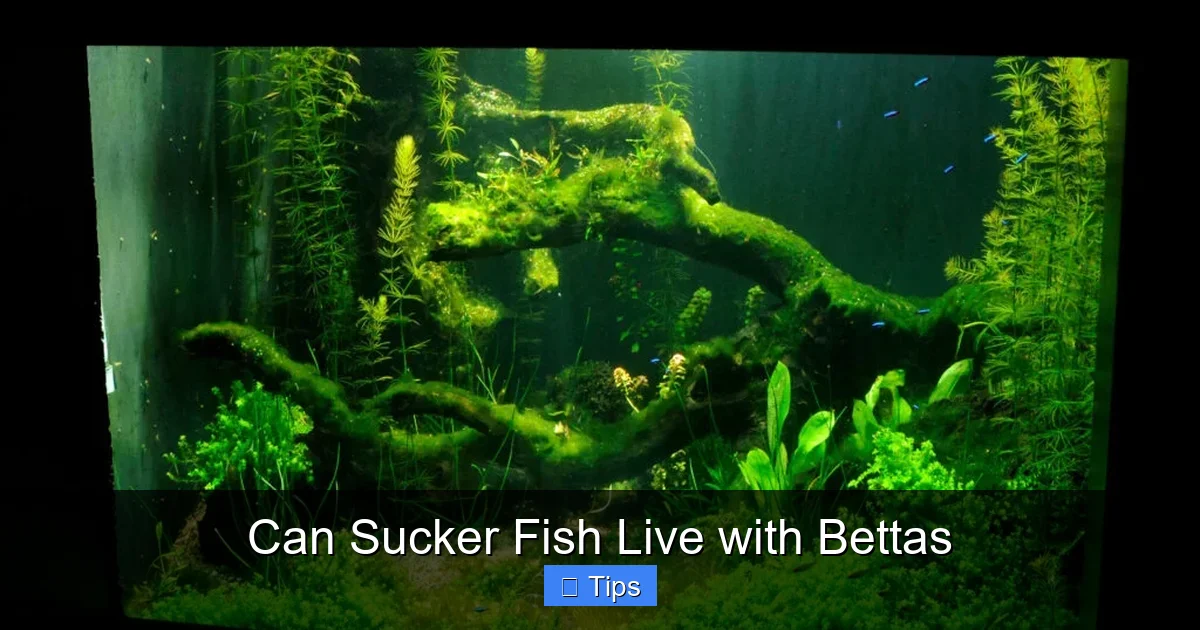
Your aquascape must have two distinct layers. For the betta: provide a floating betta log or hammock, tall plants (like Amazon swords or artificial silk plants) that reach the surface, and open swimming space in the upper third. For the sucker fish: the bottom must be a fortress. Include multiple caves (clay pots, store-bought caves, large pieces of slate), dense clusters of low-growing plants (Java fern, Anubias on driftwood), and, crucially, several pieces of driftwood. The driftwood is not just decor; for Bristlenose and Clown Plecos, it’s a primary food source and a constant source of security. Ensure these hiding spots are large enough that the sucker fish can completely vanish from view.
Filtration and Water Parameters
Both species need clean water. Bettas are from stagnant waters but are sensitive to ammonia/nitrite. Sucker fish are waste-producing machines. You need a filter rated for at least twice your tank’s volume. A canister filter or a large hang-on-back (HOB) filter with adjustable flow is ideal. You must be able to reduce the current so the betta, with its large fins, isn’t constantly battled by the flow. Use spray bars or sponge pre-filters to diffuse the output. Water parameters should be stable: temperature 76-80°F (24-27°C), pH 6.5-7.5, and ammonia/nitrite at 0 ppm. Regular water changes (25-50% weekly) are non-negotiable.
The Introduction Process: Patience is a Virtue
How you introduce these fish is as important as the tank setup. Never just drop them together. A slow, staged process gives you the best chance of success.
Visual guide about Can Sucker Fish Live with Bettas
Image source: japanesefightingfish.org
Step 1: The Sucker Fish Moves In First
This is a crucial psychological trick. Set up and fully cycle your large, decorated tank. Add the sucker fish (Bristlenose, Clown Pleco, or school of Otos) first and let it live there alone for 2-4 weeks. During this time, it will claim all the caves and driftwood as its territory. It will learn that this is its safe space. You can feed it algae wafers or blanched veggies (zucchini, cucumber) on the bottom.
Step 2: The Betta’s Acclimation
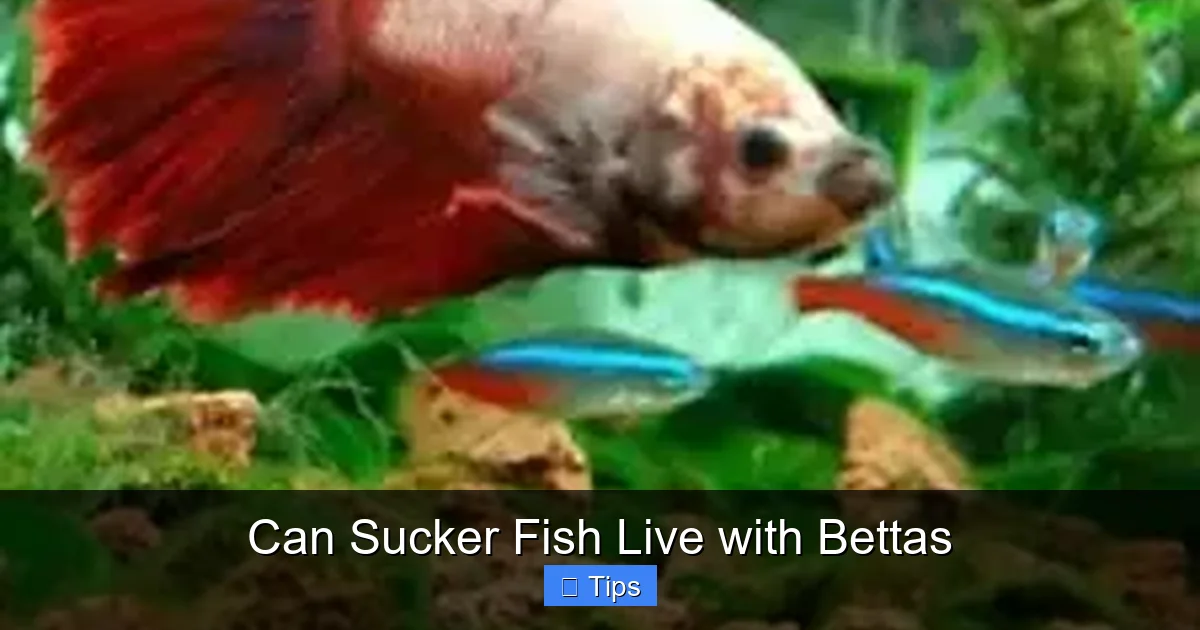
After the sucker fish is established, you can introduce the betta. Use the standard drip acclimation method to equalize water parameters. Once acclimated, use a tank divider or a clear acrylic breeder box to place the betta inside the main tank for 24-48 hours. This allows them to see each other without physical contact. Observe the betta’s reaction. Is it flaring aggressively at the divider? Is it mostly ignoring the other fish? If it’s in a constant, violent flare, this is a major red flag and you should reconsider the pairing.
Step 3: The Final Release
If the betta’s reaction is mild (occasional flaring, mostly ignoring), you can cautiously release it. Do this at night or when the lights are dim, as both fish are less active. Turn off the tank lights for a few hours. Immediately watch for any chasing. The betta may do a quick patrol of the tank, flaring at the new resident. This can be normal. The key is whether it escalates into a relentless chase that prevents the sucker fish from eating or resting. Have a net ready to re-divide the tank if needed.
Monitoring and Long-Term Maintenance: It’s a Marathon
The first week is the most critical observation period. Even if things seem calm initially, you must watch closely for subtle signs of stress or bullying.
What to Watch For
- The Betta: Is it spending all its time patrolling the bottom, flaring at the pleco’s cave? Is it refusing to eat? Excessive hiding by a normally active betta can indicate stress.
- The Sucker Fish: Is it able to come out and graze during the day (or night for plecos)? Is it constantly hiding, clamped fins, or scraping against objects (a sign of stress or parasites)? Is it being chased away from food?
Remember, a pleco that is always hidden and never eats is a stressed pleco, and a stressed fish is a sick fish. You must intervene if the betta is preventing the sucker fish from accessing food or resting places.
Feeding Two Different Diets
This is a logistical challenge. Bettas are carnivores needing high-protein pellets or frozen foods. Sucker fish are primarily herbivores/wood-eaters needing algae wafers, veggies, and driftwood. You must feed separately. Use a feeding ring or target the betta’s food at the surface. For the pleco, drop an algae wafer near its cave at night (when the betta is less active). For Otos, ensure there is sufficient natural algae or supplement with powdered algae paste. Never rely on the pleco to “clean the tank” for the betta’s leftovers—it won’t eat betta food and will starve.
When Compatibility Fails: Alternatives and Solutions
Despite your best efforts, the pairing might not work. And that’s okay. Your priority is the health and safety of both animals. Have a Plan B before you even start.
Recognizing Failure
Signs it’s not working: The betta relentlessly chases the pleco, the pleco is visibly injured (missing barbels, torn fins), the pleco is emaciated and never leaves its cave, or the betta becomes listless and stressed from constant territorial defense. If you see these, separation is immediate and mandatory.
Your Options
Option 1: Rehome one fish. This is the most common outcome. You may need to find a new home for either the betta or the sucker fish. Be honest about why you’re rehoming.
Option 2: Use a permanent divider. A solid, sealed divider in a long tank can create two separate biospheres. This allows you to keep both fish in the same room, sharing filter and heater infrastructure, but with zero contact. This is a great solution if you have the tank length.
Option 3: Upgrade to a massive, species-only biotope. If you’re set on keeping both, consider a 40+ gallon “betta sorority” (multiple female bettas) or a large, heavily planted community tank with many other peaceful fish to diffuse the betta’s focus. A single betta in a 55-gallon heavily planted tank with a Bristlenose might be fine, where the same setup in a 10-gallon would be a disaster.
Better Betta Tankmate Alternatives: If your goal is simply a peaceful cleanup crew or community, consider shrimp (Amano, Ghost), snails (Nerite, Mystery), or schooling fish like harlequin rasboras or Kuhli loaches in a larger, properly cycled tank. These often present less of a territorial challenge than a bottom-dwelling catfish.
Conclusion: So, can sucker fish live with bettas? The honest answer is: carefully selected species (Bristlenose Pleco, Clown Pleco, Otocinclus) in a generously sized, meticulously decorated tank with a compatible, non-aggressive betta, yes. But it’s a high-maintenance, high-risk endeavor that requires more research, a larger budget, and constant vigilance than most beginner setups. For every successful story, there’s another where the pleco was bullied or the betta was stressed. Your primary job as a fishkeeper is to observe and adapt. Start with the largest, most heavily planted tank you can manage, choose the smallest, most peaceful sucker fish, and introduce them with military-grade caution. If at any point the balance tips toward stress, be prepared to separate them. The reward of a harmonious betta and pleco tank is a stunning, active display. But the risk is real, and responsible fishkeeping means always putting the animals’ welfare first, even if it means keeping them solo.
Frequently Asked Questions
Can a Bristlenose Pleco live with a betta fish?
Yes, a Bristlenose Pleco is considered the safest and most suitable pleco species for a betta tank due to its small adult size (4-5 inches), peaceful nature, and nocturnal habits. However, success still requires a 20+ gallon tank with ample hiding places and a betta with a calm temperament.
What about a Common Pleco or Sailfin Pleco with a betta?
Absolutely not. Common and Sailfin Plecos are sold as small juveniles but grow rapidly to 12-24 inches. They are messy, produce excessive waste, can be aggressive, and will quickly outgrow any tank suitable for a betta. They are one of the worst choices for betta companionship.
Is a 10-gallon tank big enough for a betta and an Otocinclus?
No, a 10-gallon tank is too small for this combination. While Otos are tiny, they need to be kept in schools of 6+ and are very sensitive to water quality. The bioload and space requirements make a 20-gallon long the absolute minimum, with a 29-gallon+ being far more appropriate for long-term stability and stress reduction.
How do I know if my betta is being too aggressive toward the sucker fish?
Look for constant, relentless chasing that prevents the sucker fish from eating or resting. Also watch for the sucker fish being visibly stressed: clamped fins, excessive hiding, rapid breathing, or physical damage like torn fins. If the betta patrols the entire bottom zone all day, flaring at every shadow, that’s a sign of unacceptable territorial aggression.
Can I feed my pleco betta pellets or leftover betta food?
No. Bettas are carnivores; plecos are primarily herbivores/wood-eaters. Betta food lacks the necessary fiber and nutrients for a pleco’s digestive system and can cause health issues like constipation and swim bladder disease. You must provide a proper diet of algae wafers, blanched vegetables (zucchini, cucumber), and driftwood for the pleco.
What is the single most important factor for a betta and sucker fish to get along?
While species selection is critical, the single most important factor is tank size and layout. A large tank (20+ gallons) with a clear physical separation between the betta’s upper territory and the pleco’s bottom fortress, full of caves and driftwood, provides the space and security needed to minimize encounters and give the pleco a true escape from the betta’s line of sight.