Can Sucker Fish Live with Bettas
Yes, sucker fish can often live with bettas, but success depends entirely on careful species selection, proper tank setup, and the individual betta’s temperament. Not all sucker fish are suitable—peaceful, small species like Otocinclus or Bristlenose Plecos are your best bets. A spacious, heavily planted tank with ample hiding places is non-negotiable to reduce stress and territorial disputes. Always introduce the sucker fish first and monitor interactions closely for the first few days. While a harmonious tank is possible, be prepared to separate them if your betta shows persistent aggression.
Key Takeaways
- Betta temperament is the #1 factor: A peaceful betta is a prerequisite. Aggressive or flaring bettas are poor candidates for tank mates.
- Choose the right “sucker fish”: Avoid plecos that grow huge (like Common Plecos). Target small, peaceful algae-eaters like Otocinclus or Bristlenose Plecos.
- Tank size and layout are critical: A minimum of 20 gallons is recommended, with dense planting, driftwood, and caves to break lines of sight and provide refuge.
- Introduction order matters: Always add the sucker fish to an established, cycled tank first, allowing it to claim territory before the betta is introduced.
- Water parameters must suit both: Bettas prefer warmer water (78-80°F). Ensure your chosen sucker fish tolerates these stable, warm temperatures.
- Never use sucker fish as “clean-up crew”: They are not a solution for a dirty tank. Both species require excellent filtration and regular maintenance.
- Be ready to separate: Have a backup plan (a second tank or divider) in case of incompatibility. Do not force a cohabitation that causes stress.
📑 Table of Contents
- Understanding the Betta: The “Grumpy” Roommate
- What Exactly IS a “Sucker Fish”? Demystifying the Algae-Eaters
- The Ideal Tank Setup: Building a Peaceful Coexistence
- The Introduction Process: Patience is a Virtue
- Monitoring and Long-Term Care: It’s a Marathon, Not a Sprint
- What If It Doesn’t Work? Alternatives and Last Resorts
Understanding the Betta: The “Grumpy” Roommate
So, you have a beautiful, flowing-finned betta (Betta splendens) and you’re dreaming of a bustling, natural-looking community tank. The idea of adding a quirky, algae-munching “sucker fish” is tempting. But before you grab the first pleco at the pet store, we need to talk about the betta’s legendary reputation. Bettas, especially males, are labyrinth fish with a fierce territorial streak, a legacy of centuries of selective breeding for fighting. They are, by nature, solitary and often possessive of their space, particularly the water’s surface where they gulp air. Think of your betta not as a friendly neighbor, but as a grumpy, artistic hermit who tolerates visitors only under very specific conditions. Their aggression isn’t malicious; it’s instinctual. A tank mate must be utterly non-threatening, fast enough to evade a sudden lunge, and occupy a completely different niche in the aquarium to avoid being seen as competition for food or space.
The Betta’s Personal Space Bubble
This “personal space bubble” is key. Bettas claim the entire water column but are most defensive of the top layer and any prominent plants, decorations, or floating logs they perch on. A tank mate that darts in and out of the mid to lower levels, minding its own business, has a better chance. Furthermore, a betta’s mood is influenced by its environment. A cramped, bare tank with no escape routes will make even a normally docile betta irritable and more likely to chase. Conversely, a spacious, complex environment with visual barriers can soften even a moderately feisty betta’s edges by reducing the constant visual stimulus of the “intruder.”
What Exactly IS a “Sucker Fish”? Demystifying the Algae-Eaters
The term “sucker fish” is a catch-all used in the aquarium hobby, primarily referring to fish from the Loricariidae family—the plecostomus and their many relatives. They are famous for their distinctive suckermouths, adapted for scraping algae and biofilm off surfaces. However, this group is incredibly diverse, ranging from tiny, peaceful dwarfs to massive, boisterous giants. The critical mistake many beginners make is assuming all “plecos” or “sucker fish” are the same. They are not. The suitability for a betta tank hinges entirely on the specific species’ adult size, temperament, and preferred water conditions. We must move beyond the vague label and focus on individual species profiles.
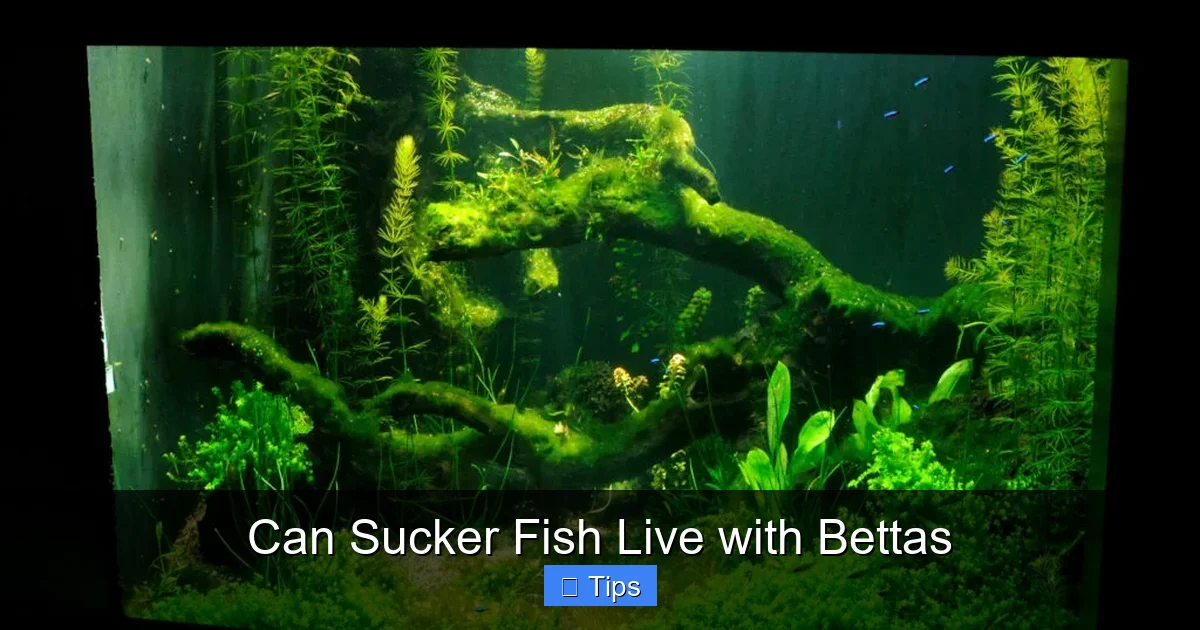
Visual guide about Can Sucker Fish Live with Bettas
Image source: fishasked.com
The Pleco Spectrum: From Tiny Companions to Tank-Busters
At one extreme, you have the Common Pleco (Hypostomus plecostomus), which is often sold as a small “algae cleaner” but routinely outgrows 12-18 inches, producing massive waste and requiring a 150+ gallon tank. It is far too large, boisterous, and messy for any betta setup. At the other extreme are the “dwarf” plecos, which are the only ones we will consider for a betta community. These include:
- Otocinclus Catfish (Otocinclus spp.): The quintessential “micro-sucker.” These tiny, gregarious fish (1-2 inches) are almost entirely herbivorous, spending their days in gentle schools grazing on diatoms and soft algae on leaves and glass. They are exceptionally peaceful, fast, and occupy a very different niche, making them a top contender.
- Bristlenose Pleco (Ancistrus spp.): The most popular “pleco” for a reason. Males grow to about 5 inches, females slightly smaller. They are sturdy, charismatic with their facial bristles (tentacles), and relatively calm. They need meatier foods (blanched veggies, algae wafers) and plenty of driftwood to digest. Their size is manageable for a 20+ gallon tank with a betta.
- Other Small Plecos: Species like the Rubber Pleco (Paralithoxus spp.) or Clown Pleco (Panaqolus maccus) are also possibilities, but research is vital as sizes and temperaments can vary.
Important Note: “Siamese Algae Eater” (Crossocheilus oblongus) is not a true sucker fish and is generally a poor choice for bettas due to its active, semi-aggressive nature and large adult size.
The Ideal Tank Setup: Building a Peaceful Coexistence
You cannot simply drop a sucker fish into your standard 5-gallon betta bowl and hope for the best. That setup is barely adequate for the betta alone. A successful multi-species tank is engineered from the start to minimize conflict. This means investing in a larger tank and a deliberate aquascape.
Visual guide about Can Sucker Fish Live with Bettas
Image source: petshun.com
Tank Size: Bigger is Infinitely Better
The absolute minimum for a betta with a compatible sucker fish is 20 gallons (long or standard). A 29-gallon or larger is significantly better. Why? Space dilutes aggression. In a larger volume, a betta cannot patrol every inch instantly. It provides more horizontal swimming space for the betta and, crucially, more bottom and mid-level territory for the sucker fish to claim without constantly crossing the betta’s path. A 20-gallon tank also allows for more robust filtration (see below) and a more complex environment.
Aquascaping for Peace: Hiding Places are Non-Negotiable
The goal is to create a labyrinth of hiding spots and visual barriers. A betta cannot chase what it cannot see.
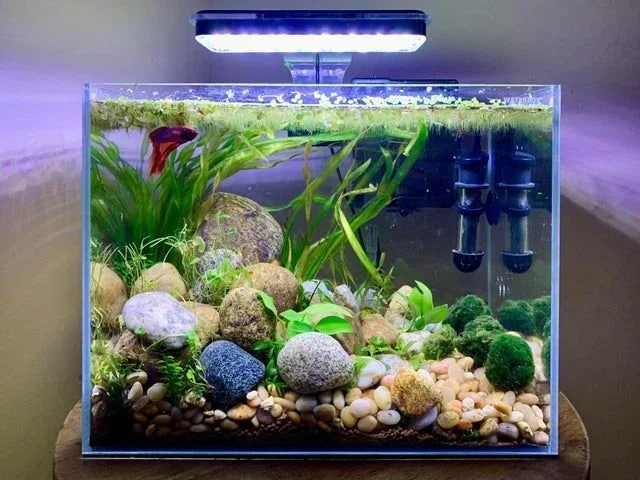
- Live Plants: Dense planting is your best friend. Use tall background plants like Amazon Swords or Vallisneria, mid-ground plants like Cryptocorynes, and fine foreground plants like Dwarf Hairgrass or Monte Carlo. Floating plants (Salvinia, Frogbit) are excellent for breaking up the surface and providing a sense of security, but ensure there’s still a clear air pocket for your betta to breathe.
- Driftwood & Rocks: Create caves, overhangs, and tunnels using aquarium-safe driftwood (Mopani, Malaysian) and slate or lava rock. A Bristlenose Pleco will adore a piece of driftwood to rasp on.
- Pots and Ornaments: Ceramic pots (with holes plugged), PVC pipes, and commercial caves provide instant, reliable hideouts. Place them strategically along the back and sides.
Substrate: A soft, sandy substrate is ideal for delicate-finned bettas and for any catfish that sift. Fine gravel is also acceptable.
Filtration and Water Quality
Plecos, even small ones, are waste producers. A strong, efficient filter is essential to maintain pristine water quality for both species. A Hang-On-Back (HOB) or canister filter rated for your tank size is recommended. Use a spray bar or adjust the outflow to create a gentle current, as bettas prefer calm waters. Never rely on a sucker fish to clean your tank. You must perform regular water changes (25-50% weekly) and gravel vacuuming to remove detritus that the plecos might stir up but not consume.
The Introduction Process: Patience is a Virtue
How you introduce these fish can make or break the entire endeavor. Rushing this process is a common cause of failure. The established rule is: the more territorial fish (the betta) should be added last.
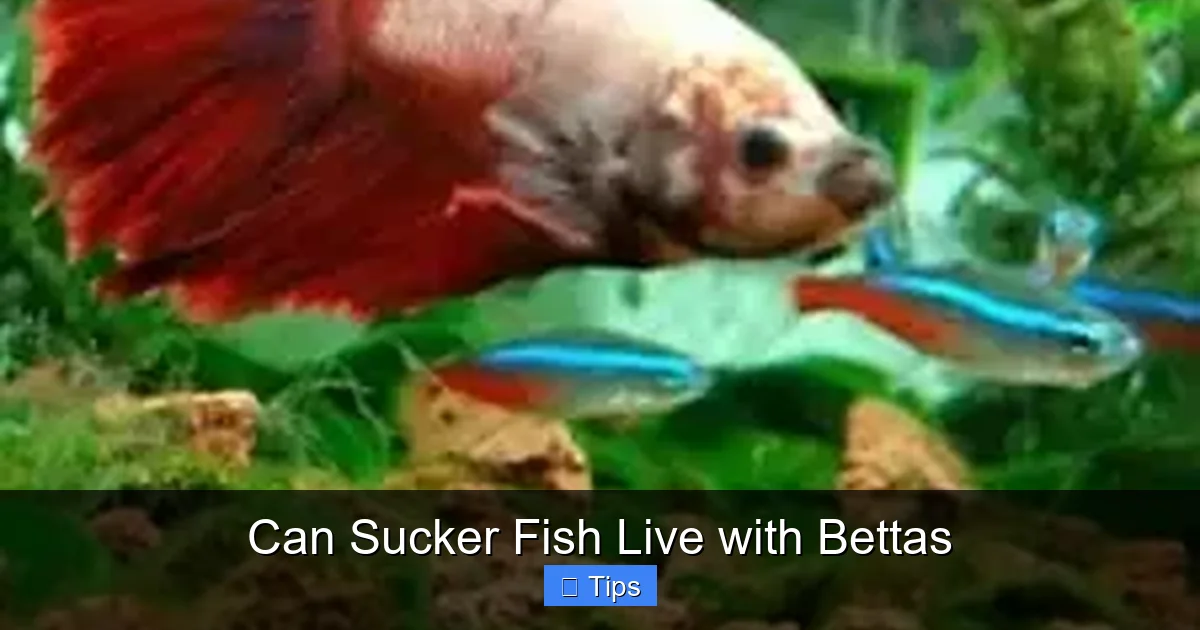
Visual guide about Can Sucker Fish Live with Bettas
Image source: japanesefightingfish.org
Step 1: The Sucker Fish Establishes First
Set up and fully cycle your spacious, planted tank (this takes 4-6 weeks). Introduce your chosen, healthy sucker fish (ideally a small group of 3-4 Otos or a single Bristlenose) first. Allow them at least 2-3 weeks to explore, claim their favorite caves or driftwood logs, and feel secure in their environment. They will establish territories on the bottom and sides.
Step 2: Acclimating the Betta
When you bring home your betta, use the drip acclimation method to slowly adjust it to your tank’s water parameters. Once acclimated, do not release it directly into the main display. Instead, use a tank divider or a breeder box placed inside the main tank. This allows the betta to see its new tank mates through a barrier, reducing the shock of a sudden encounter. Let it settle for 24-48 hours. During this time, observe both sides. Is the betta flaring aggressively at the barrier? Is the pleco hiding or going about its business?
Step 3: The First Meeting
After the divider period, if the betta seems relatively calm (not constantly flaring or ramming the barrier), you can attempt a supervised release. Do this at feeding time to distract both parties. Have a net ready. Watch intently for 15-20 minutes. Normal curiosity from the betta (following, mild flaring at a distance) can be okay. Immediate, relentless chasing, biting, or the sucker fish hiding and not moving for hours is a red flag. If serious aggression occurs, use the net to return the betta to the divider and try again the next day. If it persists for several days, the pairing is likely incompatible.
Monitoring and Long-Term Care: It’s a Marathon, Not a Sprint
Assuming the initial introduction goes smoothly, your work is not done. Successful cohabitation requires ongoing observation and maintenance.
Daily and Weekly Observations
Make it a habit to watch your tank for 5-10 minutes each day. Look for:
- The Betta: Is it patrolling its territory normally? Are its fins pristine? Is it eating well? Does it spend all day flaring at a specific corner where a pleco lives? Chronic stress signs include faded colors, torn fins, lethargy, and constant hiding.
- The Sucker Fish: Is it actively grazing? A healthy Otocinclus will be a busy little vacuum cleaner. A Bristlenose should be seen occasionally on driftwood or glass. Is it hiding 24/7? That’s a sign of stress from the betta’s presence.
- Physical Condition: Check both fish for signs of injury (missing scales, torn fins) after any initial skirmishes.
Feeding Two Very Different Mouths
Bettas are carnivores. They need a high-quality pellet or frozen food (brine shrimp, daphnia). Sucker fish are primarily herbivores/omnivores. They need algae wafers, blanched zucchini/cucumber/squash, and, for Bristlenoses, plenty of driftwood. Feed your betta first. Scatter its food at the surface. Then, once the betta is distracted, drop an algae wafer or veggie slice near the bottom for the pleco. This prevents the betta from seeing the pleco’s food as competition and trying to eat it (or chase the pleco away from it). Otos are less of an issue as they graze constantly on natural biofilm.
Growth and Space Considerations
That adorable 1-inch Bristlenose will grow. That small school of Otos will thrive and multiply if conditions are perfect. You must plan for this adult size from day one. A 20-gallon tank that feels spacious for a 3-inch Bristlenose will feel cramped for a 5-inch one. Be prepared to upgrade the tank if necessary as your sucker fish grows, which may also give your betta more space to itself.
What If It Doesn’t Work? Alternatives and Last Resorts
Despite your best efforts, some bettas are simply too aggressive to tolerate any tank mate. This is not a failure; it’s respecting your betta’s nature. Forcing cohabitation leads to chronic stress, injury, and death for one or both fish.
Recognizing Incompatibility
Signs it’s not working: The betta stalks the pleco relentlessly, even when not feeding. The pleco is emaciated because it’s too scared to come out and eat. The pleco has physical injuries. The betta’s fins are constantly shredded. The stress causes persistent water parameter swings because neither fish is thriving.
Separating Peacefully
If you see these signs, act quickly. The kindest thing is to separate them. You have two main options:
- The Backup Tank: A 10-gallon long tank is a perfect, permanent home for a single Bristlenose or a small school of Otos. It’s a manageable size and allows you to replicate their preferred bottom-dwelling habitat.
- Tank Divider: A solid acrylic or mesh divider (with sealed edges) can split a 20+ gallon tank into two separate, filtered compartments. This allows you to keep both fish in the same room with the same water source, but they cannot interact.
Never release a pet fish into the wild. It is illegal and ecologically disastrous.
Alternative “Tank Mates” to Consider (Or Avoid)
If sucker fish prove incompatible, you might consider other very fast, short-finned, non-colorful fish like a small school of neon tetras or harlequin rasboras in a much larger, heavily planted tank (30+ gallons). However, this is a separate topic with its own risks. For a betta in a smaller tank (10-15 gallons), the safest and most ethical choice is often to keep it as a solitary king or queen of its own domain.
Frequently Asked Questions
Can all bettas live with sucker fish?
No. The betta’s individual personality is the most important factor. Some bettas are naturally docile and will ignore peaceful sucker fish, while others are hyper-aggressive and will chase any moving object. You must know your specific betta’s temperament before attempting any community setup.
What is the absolute best sucker fish for a betta?
The Otocinclus catfish is widely considered the top choice. They are tiny, schooling fish that are almost entirely algae grazers, very fast, and occupy a completely different niche. Their small size and peaceful nature make them the least likely to trigger a betta’s aggression.
Is a 10-gallon tank big enough for a betta and a Bristlenose Pleco?
It is the absolute bare minimum and not recommended. While it might work temporarily with a very peaceful betta and a juvenile pleco, the adult Bristlenose needs more swimming space and territory. A 20-gallon long tank is the strongly advised starting point to provide enough room for both fish to thrive without constant stress.
Will my betta eat the sucker fish’s food?
Yes, bettas are opportunistic and will likely try to eat algae wafers or veggie pieces meant for the pleco. This is why strategic feeding is key: feed the betta its high-protein food first at the surface, then distract it with a treat or let it eat before sinking the pleco’s food to the bottom.
My betta is flaring at the new sucker fish. What should I do?
Constant flaring is a sign of high stress and aggression. If it’s the first 24-48 hours, monitor closely but do not intervene immediately unless a physical fight ensues. If the flaring and chasing persist for more than 2-3 days with no sign of the pleco being able to eat or rest, you must separate them using a divider or a backup tank. Do not hope they will “get used to each other.”
Do sucker fish clean the tank so I don’t have to?
Absolutely not. This is a dangerous myth. While they will graze on some algae, they do not remove fish waste, uneaten food, or decaying matter from the substrate. In fact, they produce a significant amount of waste themselves. A tank with a pleco often requires more frequent water changes and maintenance, not less. They are pets, not janitors.