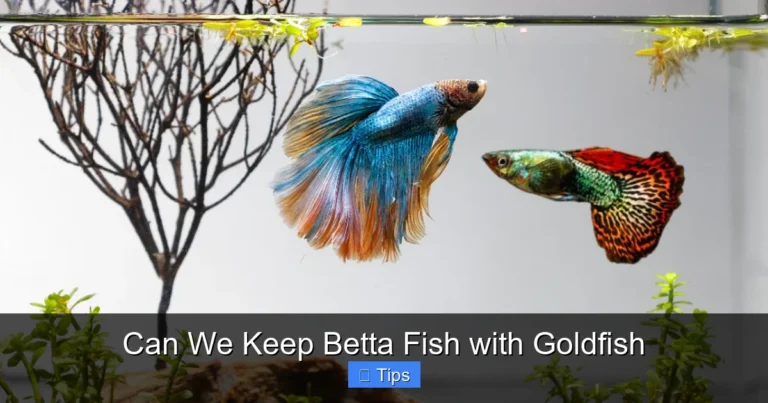
Can You Skip a Day Feeding Betta Fish The Safe Answer

Yes, you can skip a day feeding betta fish safely, and it actually benefits their digestion. Healthy adult bettas can fast for 24-48 hours without harm. However, skipping meals requires monitoring for stress signs and maintaining pristine water quality. This guide covers safe fasting practices, vacation feeding solutions, and when missed meals become dangerous for your fish.
Many betta fish owners wonder about skipping a day feeding betta fish. Life gets busy. Vacations happen. Sometimes you simply forget. The good news is that healthy adult bettas can handle occasional missed meals. In fact, a day without food can actually help their digestive system.
However, skipping feedings requires knowledge and caution. Not all bettas react the same way. Young fish, sick fish, and stressed fish need regular nutrition. Understanding your specific fish’s needs makes all the difference.
This guide covers everything you need to know about fasting your betta safely. You will learn how long they can go without food, what signs to watch for, and how to handle vacations without risking your fish’s health.
Key Takeaways
- Safe Fasting: Healthy adult betta fish can safely skip one or two days of food without negative effects.
- Digestive Benefits: Periodic fasting helps prevent constipation and bloating in bettas.
- Watch for Warning Signs: Loss of color, lethargy, or erratic swimming indicates problems beyond hunger.
- Vacation Solutions: Automatic feeders or vacation blocks work better than skipping multiple days.
- Water Quality Matters: Uneaten food decays faster than you think, polluting the tank during fasting periods.
- Juvenile Fish Differ: Baby and young bettas need daily feeding and cannot skip meals safely.
- Consistency Counts: Regular feeding schedules reduce stress and predictability for your fish.
📑 Table of Contents
- The Truth About Skipping Feedings
- Safe Fasting Practices for Betta Fish
- Signs Your Betta Fish Is Hungry or Overfed
- Vacation Feeding Solutions
- Creating a Healthy Feeding Routine
- When Skipping Meals Becomes Dangerous
- Common Mistakes to Avoid
- Expert Insights on Betta Nutrition
- Quick Tips for Safe Fasting
- Comparing Feeding Approaches
- Long-Term Benefits of Proper Fasting
- Conclusion
The Truth About Skipping Feedings
Bettas have small stomachs but big appetites. In the wild, they eat multiple small meals daily. Captive fish rely on you for nutrition. Missing one meal rarely causes harm. Missing several days creates serious risks.
Why Betta Fish Need Regular Meals
Betta fish are tropical creatures with fast metabolisms. They process food quickly and need consistent energy. Unlike large predators that eat infrequently, bettas thrive on small, frequent meals. Their bodies expect regular fuel input.
A balanced betta fish diet includes protein-rich pellets, frozen bloodworms, and occasional treats. When you skip meals, you disrupt this nutritional flow. Your fish burns stored energy instead of fresh nutrients.
Most owners feed their bettas twice daily. This mimics natural eating patterns. Each meal should be small, about the size of their eye. Overfeeding causes more problems than underfeeding. Your fish needs variety, not just quantity.
What Happens When You Skip a Day
When you skip one feeding day, several things occur. First, your fish burns stored fat for energy. This is normal and healthy. Second, the digestive tract gets a rest. Food remnants pass through completely. Third, waste production decreases.
Many experienced aquarists recommend one fasting day per week. This practice prevents constipation and reduces tank pollution. Your filter works less hard. Water stays cleaner longer. Your fish’s metabolism resets.
However, individual factors matter. A stressed betta might react poorly to missed food. A fish recovering from illness needs consistent nutrition. Always consider your fish’s current condition before skipping meals.
Safe Fasting Practices for Betta Fish
Fasting your betta requires preparation and observation. You cannot simply skip meals without monitoring results. Follow these guidelines to ensure safety.
How Long Can Betta Fish Go Without Food
Healthy adult bettas survive 10-14 days without food. But surviving differs from thriving. After three days, stress hormones increase. After one week, muscle wasting begins. The safe limit for occasional fasting is two days maximum.
Young bettas under six months need daily feeding. Their growth requires constant nutrition. Skip meals only for fully mature fish. Check your fish’s age and size before implementing fasting.
Water temperature affects metabolism too. Warm water speeds digestion. Cold water slows it down. Bettas in cooler tanks tolerate fasting better but risk illness if too cold. Maintain 78-80°F for optimal health.
The Weekend Fasting Method
Many owners use the weekend fasting method. You feed Monday through Friday. Saturday becomes the fasting day. Sunday resumes normal feeding. This creates a predictable routine your fish learns.
This method works well for busy schedules. Your fish adapts to the rhythm. Digestion improves. Waste output decreases. Tank maintenance becomes easier.
Start with one fasting day weekly. Monitor your fish closely. If you see lethargy or color loss, resume daily feeding. Healthy bettas display vibrant colors and active swimming even during fast days.
Signs Your Betta Fish Is Hungry or Overfed
Recognizing hunger and overfeeding signs prevents mistakes. Your fish communicates through behavior and appearance. Learn these signals to adjust feeding accordingly.
Recognizing Hunger Behaviors
Hungry bettas display specific behaviors. They beg at the glass surface. They become aggressive during feeding time. Their bodies appear slender from above. Fins may clamped against the body.
However, begging does not always mean hunger. Bettas learn to associate you with food. They perform even when not hungry. Wait five minutes after offering food. If they refuse, they are not truly hungry.
Rapid eating suggests previous underfeeding. Your fish gulps food frantically. This behavior indicates nutritional stress. Adjust portions gradually rather than overcorrecting.
Warning Signs of Overfeeding
Overfeeding causes more harm than missing one meal. Watch for bloated abdomens. Food particles remain uneaten. Waste appears excessive. Water clouds quickly after feeding.
Constipation shows as straining or long stringy feces. Your fish may swim sideways or rest on the bottom. These symptoms require immediate fasting and dietary adjustment.
If you overfeed, skip the next meal. Perform a partial water change. Remove uneaten food with a siphon. Your fish will be fine missing one feeding after overeating.
Vacation Feeding Solutions
Vacations create feeding dilemmas. Friends might overfeed. Automatic feeders cost money. What should you do?
Automatic Feeders
Automatic feeders dispense precise portions. They run on batteries or electricity. You program feeding times and amounts. Most models work for one to two weeks.
Test the feeder before leaving. Fill it with your usual pellets. Place it near the tank. Check that food releases properly. Some bettas ignore automatic feeders initially.
Ask a friend to check the feeder daily. They should verify food dispenses correctly. Fresh batteries prevent malfunctions. This solution works best for trips under ten days.
Vacation Blocks and Slow Feeders
Vacation food blocks dissolve slowly. They provide nutrition for up to two weeks. However, bettas often ignore them. The texture differs from regular food.
Slow feeder toys release food gradually. Your fish works for meals. This stimulates natural foraging behavior. However, these work better for community tanks than single betta setups.
The safest vacation option is asking a trusted friend. Provide clear feeding instructions. Leave measured portions. Show them where extra food lives. Most bettas do fine with one missed day, but longer trips require planning.
Creating a Healthy Feeding Routine
Consistency matters more than perfection. Your betta thrives on predictable schedules. Build routines that support long-term health.
Best Foods for Betta Fish
High-quality pellets form the diet foundation. Look for brands with fish meal as the first ingredient. Avoid fillers like corn and wheat. Protein content should exceed 30%.
Variety prevents nutritional gaps. Add frozen bloodworms twice weekly. Include brine shrimp for enrichment. Mosquito larvae provide natural nutrients. Freeze-dried options work when fresh isn’t available.
Never feed betta-specific flakes exclusively. They lack protein density. Bettas are carnivores, not omnivores like goldfish. Choose foods designed for tropical carnivorous fish.
Portion Control Guidelines
Feed small amounts twice daily. Each portion should equal about three pellets. Your fish eats within two minutes. Remove uneaten food immediately.
Young fish need three to four small meals daily. Growing bodies require constant fuel. Reduce portions as fish mature. Adult bettas need less food than juveniles.
Adjust portions based on temperature and activity. Warm water increases metabolism. Active fish burn more calories. Cold water slows digestion. Reduce feeding in cooler conditions.
When Skipping Meals Becomes Dangerous
Occasional fasting benefits healthy fish. Chronic skipping creates problems. Recognize when missed meals threaten health.
Recognizing Serious Health Issues
Prolonged fasting causes visible deterioration. Your fish loses body condition. Colors fade significantly. Fin edges appear ragged. Eyes sink into sockets.
Behavior changes accompany physical decline. Your fish hides constantly. Swimming becomes erratic. Gills move rapidly. These symptoms require immediate feeding and possibly veterinary care.
Existing conditions worsen without food. Ich, fin rot, and fungal infections resist treatment in malnourished fish. Your betta fish health depends on proper nutrition during illness recovery.
Emergency Care Steps
If your fish shows starvation signs, act quickly. Offer small amounts of high-quality food. Soak pellets before feeding to prevent bloating. Consider frozen foods for easy digestion.
Check water parameters immediately. Ammonia spikes from decayed food or lack of filtration. Perform a 25% water change. Ensure temperature stays stable at 78-80°F.
If your fish refuses food for three days, investigate causes. Check for swim bladder disorder. Look for mouth injuries. Test water quality. Contact a fish veterinarian if symptoms persist.
Common Mistakes to Avoid
Even well-meaning owners make feeding errors. Avoid these pitfalls to keep your betta healthy.
Overcompensating After Fasting
Many owners double portions after missed feedings. This shocks the digestive system. Your fish cannot process excess food quickly. Bloating and constipation result.
Resume normal portions after fasting. Your fish will not starve from one missed meal. Patience prevents digestive emergencies. Trust the fasting process.
Ignoring Water Quality
Fasting reduces waste but does not eliminate it. Old food decays in the substrate. Filters clog with debris. Ammonia builds despite reduced feeding.
Test water daily during fasting periods. Perform partial changes if needed. Clean the substrate gently. Your fish stays healthier in pristine water regardless of feeding schedule.
Assuming All Bettas Are Equal
Individual fish have different needs. Some metabolisms run faster. Some carry more fat reserves. Age, size, and activity level affect fasting tolerance.
Observe your specific fish. Adjust practices based on personal response. What works for one betta might harm another. Customize care to your individual pet.
Expert Insights on Betta Nutrition
Veterinarians and experienced aquarists agree on fasting benefits. Dr. Richmond Loh, a fish veterinarian, recommends one fasting day weekly for healthy adult fish. This practice mimics natural feeding patterns.
Wild bettas eat opportunistically. They consume small prey throughout the day. Captive feeding schedules differ. Fasting bridges the gap between artificial and natural rhythms.
Remember that betta fish digestion differs from mammals. Their simple stomachs process food quickly. Regular fasting prevents blockages. Your fish benefits from occasional meal breaks.
Quick Tips for Safe Fasting
- Always ensure water quality remains pristine during fasting periods.
- Feed high-quality food before and after fasting days.
- Never fast juvenile bettas under six months old.
- Monitor for stress signs like hiding or color loss.
- Use fasting as a weekly practice, not a daily habit.
- Keep a feeding log to track patterns and responses.
- Consult a veterinarian if fasting causes persistent behavior changes.
Comparing Feeding Approaches
| Approach | Frequency | Best For | Risk Level |
|---|---|---|---|
| Daily Feeding | 1-2 times daily | Juveniles, sick fish | Low |
| Weekend Fasting | Daily except Saturday | Healthy adults | Very Low |
| Vacation Skip | Miss 1-2 days | Short trips | Low |
| Extended Fasting | 3+ days | Medical only | High |
The safest approach combines daily feeding with weekly fasting. This pattern supports digestion while ensuring nutrition. Adjust based on your fish’s age and health status.
Long-Term Benefits of Proper Fasting
Regular fasting extends betta lifespan. Reduced waste output improves water quality. Digestive systems function more efficiently. Fish display brighter colors and increased activity.
Studies show fasting fish have better insulin sensitivity. Their bodies process nutrients more effectively. This metabolic health prevents common betta diseases.
Your fish learns to trust your schedule. Predictable routines reduce stress. Stress weakens immune systems. Proper fasting creates a healthier environment overall.
Conclusion
Skipping one day feeding betta fish remains safe for healthy adults. Your fish benefits from occasional digestive rest. However, fasting requires attention and responsibility. Monitor your fish closely during fast periods.
Create consistent routines that support long-term health. Balance nutrition with periodic fasting. Your betta thrives on predictability and quality care.
Remember that every fish differs. Observe your individual pet’s needs. Adjust practices based on behavior and appearance. When in doubt, feed small amounts rather than skipping entirely.
Your betta fish depends on you for survival. Make informed decisions about feeding schedules. The safe answer involves knowledge, observation, and care. Your fish will reward you with vibrant health and beautiful displays for years to come.
Frequently Asked Questions
Can I skip feeding my betta fish for 3 days?
Healthy adult bettas survive 3 days without food, but this pushes safe limits. Only do this for emergencies, not routine practice. Monitor your fish closely for stress signs. Young fish and sick fish cannot handle 3-day fasts safely.
What happens if I forget to feed my betta for one day?
Nothing harmful happens if you miss one feeding. Your fish burns stored energy safely. Many experts recommend weekly fasting for digestive health. Resume normal feeding the next day without worry.
Can I leave automatic feeders for 2 weeks?
Automatic feeders work for 1-2 weeks maximum. Test them before leaving. Ask someone to check daily. Most bettas do better with human feeding checks than machines. Consider pet sitting for trips over 10 days.
How do I know if my betta is hungry?
Hungry bettas beg at the glass and show slender bodies. However, they also beg when expecting food. Wait 5 minutes after offering food. If refused, your fish is not truly hungry. Check body condition from above.
Should I fast my betta before water changes?
Fasting before water changes reduces waste and mess. Skip feeding 4-6 hours before maintenance. This prevents food disturbance during cleaning. Resume feeding after water parameters stabilize.
Can overfeeding kill my betta faster than underfeeding?
Yes, overfeeding causes more deaths than underfeeding. Excess food rots and poisons water. Bloating and constipation kill many bettas. Feed small portions and remove leftovers. One missed meal is safer than one overfeeding session.