Do Betta Fish Jump Out of the Water
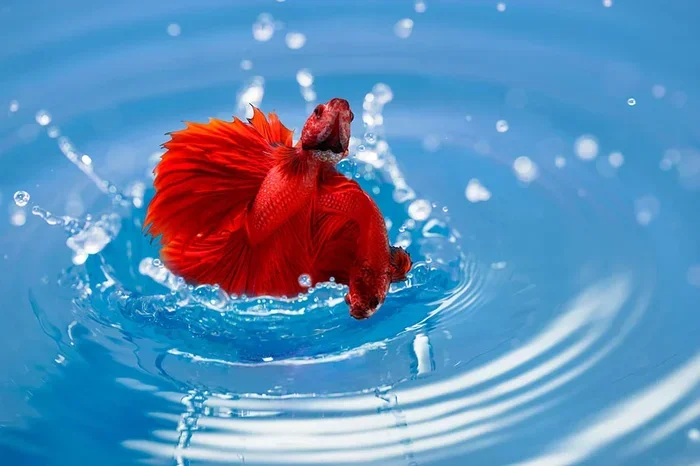
Yes, betta fish do jump out of the water, and it is more common than most fish owners think. Understanding why betta fish jump out of the water helps you protect your pet and keep it safe. This guide covers the real reasons behind this behavior and gives you simple, actionable steps to prevent it.
Do betta fish jump out of the water? The short answer is yes, absolutely. Betta fish are known for their vibrant colors and flowing fins, but they also have a surprising ability to leap out of their tanks. Many fish owners come home to find their betta sitting on the floor next to an open tank. It is a scary moment, but it happens more often than you might think.
Why do betta fish jump out of the water? The reasons range from poor water conditions to natural curiosity. Some bettas jump to explore their surroundings. Others do it because the water quality in their tank has declined. Understanding the reasons behind this behavior is the first step to stopping it. In this article, we will cover everything you need to know about betta fish jumping behavior, from the causes to the solutions.
Whether you are a new betta owner or have had fish for years, this guide will give you practical tips to keep your betta safe inside the tank. Let us dive right in.
Key Takeaways
- Betta fish can and do jump out of the water: It is a natural behavior driven by several factors.
- Poor water quality and low water levels are the top triggers for jumping behavior in bettas.
- A tight-fitting tank lid is the single most effective way to prevent escapes.
- Betta fish can survive out of water for a short time, but it is dangerous and should be avoided.
- Stress and boredom in the tank can increase the chance of your betta jumping.
- Quick water changes and proper tank setup go a long way in keeping your betta calm and inside the tank.
📑 Table of Contents
Do Betta Fish Jump Out of the Water — Understanding the Behavior
Betta fish jumping out of the water is not random. There is almost always a reason behind it. These fish are more active than many people realize, and their jumping ability is built into their natural instincts. In the wild, bettas live in shallow rice paddies, streams, and stagnant ponds in Southeast Asia. These environments often have low water levels, which means a sudden rain event or disturbance can cause them to leap to safety.
Jumping is a survival mechanism for betta fish. In the wild, they may jump to find a new water source or to escape a threatening situation. Even in a home aquarium, this instinct remains strong. The key is understanding what triggers it in a captive environment.
Is Jumping Normal for Betta Fish?
Yes, jumping is a normal behavior for betta fish. It does not always mean something is wrong. However, frequent jumping can signal a problem with the tank setup or water conditions. A betta that jumps once in a while is probably just exploring. A betta that jumps repeatedly may be trying to tell you something is off.
If you notice your betta fish jumping out of the water often, pay close attention. Look at the water quality, the tank temperature, and the overall environment. Small changes can make a big difference in keeping your fish calm and secure.
What Triggers a Betta Fish to Jump?
Several factors can trigger a betta to jump. Here are the most common ones:
- Low water levels: When the water is too low, bettas can easily reach the surface and launch themselves out.
- Poor water quality: Dirty water with high ammonia or nitrate levels stresses bettas and can cause erratic behavior.
- Sudden movements or loud noises: Betta fish are sensitive to vibrations and sudden changes in their environment.
- High water temperature: Warm water holds less oxygen, which can make bettas more active and jumpy.
- Boredom or lack of stimulation: An empty tank with no plants or hiding spots can lead to stress jumping.
Why Do Betta Fish Jump Out of the Water?
The why behind betta jumping is important to understand. It is not just about the fish being mischievous. There are specific reasons rooted in their biology and environment. Let us break them down one by one.
Poor Water Quality
This is the number one reason bettas jump out of their tanks. When ammonia and nitrite levels rise, the water becomes toxic. Betta fish react to this stress in different ways. Some become lethargic. Others become hyperactive and start jumping out of the tank in an attempt to escape the poor conditions. Regular water changes and proper filtration are essential to keeping water quality high.
A good rule of thumb is to test your water at least once a week. Use a reliable aquarium test kit to check ammonia, nitrite, nitrate, and pH levels. If any of these are out of range, take action immediately. Clean water keeps bettas healthy and less likely to jump.
Low Water Levels
Betta fish need enough water to feel secure. When the water level is too low, the fish can easily reach the top of the tank and jump out. A tank that is too shallow gives your betta too much space between the water surface and the lid. Always keep the water level at least 80% full in your betta tank.
A tank with at least 5 gallons of water is ideal for a single betta. This gives the fish enough room to swim and reduces the chance of jumping over the rim. If you use a smaller bowl or vase, the risk of escape is much higher.
Stress and Boredom
Betta fish are intelligent creatures. They need mental stimulation to stay healthy. A bare tank with no plants, no hiding spots, and no decorations can lead to boredom and stress. A stressed betta is more likely to exhibit jumping behavior.
Adding live or silk plants, caves, and gentle decorations can help. These items give your betta places to explore and hide, which reduces stress. You can also try floating plants, which bettas love. They provide shade and a sense of security near the surface.
Can Betta Fish Survive After Jumping Out?
This is one of the most common questions betta owners ask. The answer is complicated. Betta fish can survive out of water for a short time because they have a special organ called the labyrinth organ. This organ allows them to breathe atmospheric air, which is why bettas are often kept in small bowls without filters.
However, surviving and thriving are two different things. A betta that jumps out of the water is at risk of dehydration, injury, and death if not returned to the water quickly. The longer the fish stays out, the worse the chances become.
How Long Can a Betta Fish Survive Out of Water?
On average, a betta fish can survive out of water for a few minutes to a few hours, depending on the humidity and temperature. In a humid environment, they may last longer because their gills and skin stay moist. In a dry environment, they can dry out very quickly.
If your betta does jump out, act fast. Gently place the fish back in the water as soon as possible. Check for any injuries, such as cuts or damaged fins. Monitor the fish closely for the next 24 hours for signs of stress or illness. Quick action can save your betta’s life.
How to Prevent Your Betta Fish from Jumping Out
Prevention is always better than cure. There are several simple steps you can take to keep your betta safely inside the tank. These tips are easy to follow and make a huge difference.
Use a Tank Lid
The most effective way to prevent jumping is to use a tight-fitting tank lid. A mesh lid or a glass hood works great. Make sure there are no gaps large enough for your betta to squeeze through. Betta fish are small and flexible, so even tiny openings can be an escape route.
If you do not want to use a full lid, you can use a mesh screen cover. These are affordable and allow for good airflow while keeping your fish safely inside. A lid also helps maintain humidity near the water surface, which bettas prefer.
Maintain Proper Water Levels
Keep the water level high enough that your betta cannot easily reach the top. A good water level is about one to two inches below the rim of the tank. This gives your betta enough room to swim and breathe at the surface without being able to launch itself out.
Also, be careful when you do water changes. Filling the tank too quickly can create surface ripples that may startle your betta into jumping. Pour the water in slowly and gently.
Reduce Stress Factors
A stress-free environment is a jump-free environment. Here are some ways to reduce stress for your betta:
- Keep the tank in a quiet area away from loud noises and high-traffic zones.
- Maintain a consistent temperature between 76 and 82 degrees Fahrenheit.
- Provide hiding spots with plants and decorations.
- Avoid aggressive tankmates that may chase or harass your betta.
- Feed a balanced diet with high-quality betta pellets and occasional treats.
Common Mistakes Bettas Owners Make
Many fish owners unknowingly create conditions that encourage jumping. Here are some mistakes to avoid.
Ignoring the Jumping Behavior
Some owners think jumping is no big deal. They assume the fish will just settle back in. But every time a betta jumps out, it risks injury or death. Ignoring the behavior means missing a chance to fix the underlying problem. Take every escape attempt seriously and investigate the cause.
Using the Wrong Tank Setup
Keeping a betta in a tiny bowl with no lid is a recipe for disaster. Bowls look cute, but they do not give your fish enough space or security. A proper betta tank should be at least 5 gallons, have a filter, a heater, and a lid. This setup mimics the betta’s natural habitat and keeps the fish healthy and calm.
Another common mistake is placing the tank near a window with direct sunlight. This can cause temperature swings and algae blooms, both of which stress bettas. Choose a spot with indirect light and stable temperatures for the best results.
Final Thoughts on Betta Fish Jumping
Do betta fish jump out of the water? Yes, they do, and now you know exactly why. Whether it is due to poor water quality, low water levels, stress, or natural instinct, understanding the cause is the key to prevention. A happy, healthy betta in a well-maintained tank is far less likely to jump.
Take the steps outlined in this guide seriously. Use a tank lid, keep the water clean, maintain proper water levels, and reduce stress factors. These simple actions will protect your betta and give you peace of mind. Your fish deserves a safe and comfortable home, and you now have the knowledge to provide one.
If you want to learn more about betta fish behavior, check out our article on why do betta fish jump out of the water for even deeper insights. You can also read about can betta fish survive out of water to understand what happens if your betta does escape. For more on preventing escapes, visit our guide on why do betta fish jump out of the tank for tank-specific tips.
Keep your betta safe, keep the water clean, and enjoy the beauty of your fish for years to come.
Frequently Asked Questions
Why do betta fish jump out of the water at night?
Betta fish may jump at night because they are more active during low-light conditions. They may also be reacting to shadows or movements near the tank. A tight-fitting lid prevents nighttime escapes and keeps your betta safe while it rests.
Can a betta fish jump out of a tank without a lid?
Yes, betta fish can easily jump out of an open tank. Without a lid, there is nothing stopping them from leaping out, especially if the water level is high or the tank is small. Always use a cover to protect your fish.
Is it normal for a betta fish to jump frequently?
Occasional jumping is normal, but frequent jumping is a sign that something needs attention. Check the water quality, temperature, and stress levels in the tank. A clean, well-set-up tank will reduce jumping behavior significantly.
What should I do if my betta fish jumps out of the tank?
Act quickly and gently place the fish back in the water. Check for injuries and monitor the fish for the next 24 hours. Make sure the tank has a lid to prevent future escapes. Quick response can save your betta’s life.
Does tank size affect betta jumping behavior?
Yes, smaller tanks increase the risk of jumping because the water level is closer to the rim. A tank of at least 5 gallons gives your betta more space and makes it harder for the fish to reach the top and jump out.
Will a betta fish jump out of the tank if it is stressed?
Stress is a major trigger for jumping behavior. Poor water conditions, aggressive tankmates, and lack of hiding spots can all cause stress. Addressing these issues will help keep your betta calm and inside the tank.