Can Snails Be with Betta Fish
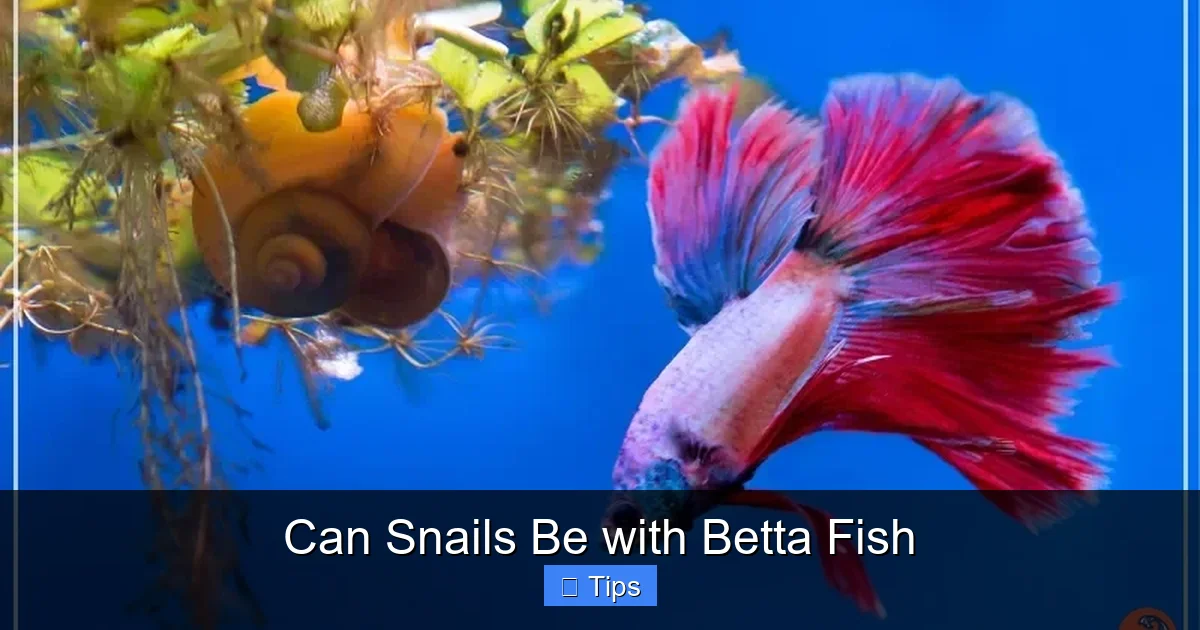
Yes, many snails can safely coexist with betta fish when chosen and introduced carefully. Betta fish are often curious and may nip at slow-moving creatures, but certain robust, fast-reproducing, or heavily-shelled snail species make excellent tank mates. The key is selecting the right snail type, providing a spacious, well-planted tank with plenty of hiding spots, and closely monitoring initial interactions. With proper planning, snails not only survive but thrive alongside bettas, helping to clean algae and uneaten food while adding fascinating movement to the aquarium.
Key Takeaways
- Compatibility is species-specific: Not all snails are safe. Choose robust, fast-moving, or heavy-shelled varieties like Nerite, Mystery, or Ramshorn snails, and avoid slow, soft-bodied pest snails.
- Tank size and setup are critical: A minimum 5-gallon tank is essential, heavily planted with soft substrate, driftwood, and rock caves to break line of sight and provide snail refuge.
- The betta’s personality dictates success: A docile, less aggressive betta is more likely to accept a snail. Observe your betta’s behavior toward tank mates before introducing a snail.
- Snails are low-maintenance cleaners: They scavenge algae, biofilm, and uneaten food, improving water quality and reducing your maintenance workload without competing for betta food.
- Introduction must be gradual and observed: Use a breeder box or divider for the first 24-48 hours. Watch for relentless chasing or nipping; if it occurs, rehome the snail.
- Population control is your responsibility: Snails like Ramshorns reproduce quickly. You must manually remove egg clutches or control feeding to prevent overpopulation in a betta tank.
- Water parameters must suit both: Bettas prefer warm (76-82°F), still water. Most common snails tolerate this range but require stable parameters and calcium for healthy shell growth.
📑 Table of Contents
- Can Snails Be with Betta Fish? Unlocking the Secrets to a Peaceful Community Tank
- Understanding Your Betta’s Temperament: The Foundation of Compatibility
- Ideal Snail Candidates: Your Best Bets for Betta Tank Mates
- Tank Setup & Water Parameters: Creating a Sanctuary for Both
- The Introduction Process: A Slow, Supervised Merge
- Common Challenges and Their Solutions
- The Symbiotic Benefits: Why It’s Worth the Effort
- Conclusion: A Harmonious Home is Possible
Can Snails Be with Betta Fish? Unlocking the Secrets to a Peaceful Community Tank
The image of a solitary betta fish, or Siamese fighting fish, in a small, ornate bowl is iconic but deeply flawed. These intelligent, curious creatures with their spectacular fins actually thrive in well-planted, spacious community aquariums. One of the most common and frequently asked questions by new betta keepers is: Can snails be with betta fish? The short answer is a qualified yes, but the path to a harmonious tank requires understanding, careful selection, and strategic setup. This guide will walk you through every detail, transforming your betta’s solitary world into a vibrant, balanced ecosystem.
Bettas, by nature, are territorial. In the wild, they defend small patches of vegetation against rivals. This instinct doesn’t vanish in captivity. A betta will often flare (flaring its gills and fins to appear larger) at its own reflection or any new, slow-moving creature entering its perceived domain. Snails, moving at a glacial pace on the glass, are prime targets for this curiosity and potential aggression. However, not all snails are created equal in the eyes of a betta. Some are built like little armored tanks, others are lightning-fast, and some are simply too boring for a betta to bother with. Success hinges on matching the right snail to your specific betta’s temperament and providing an environment where both can thrive without stress.
Understanding Your Betta’s Temperament: The Foundation of Compatibility
Before you even consider a snail, you must become a student of your betta. Is your betta a placid “crowntail” who peacefully observes the world, or a fiery “halfmoon” that darts at any shadow? The betta’s individual personality is the single most important factor in determining if a snail will be a companion or a target.
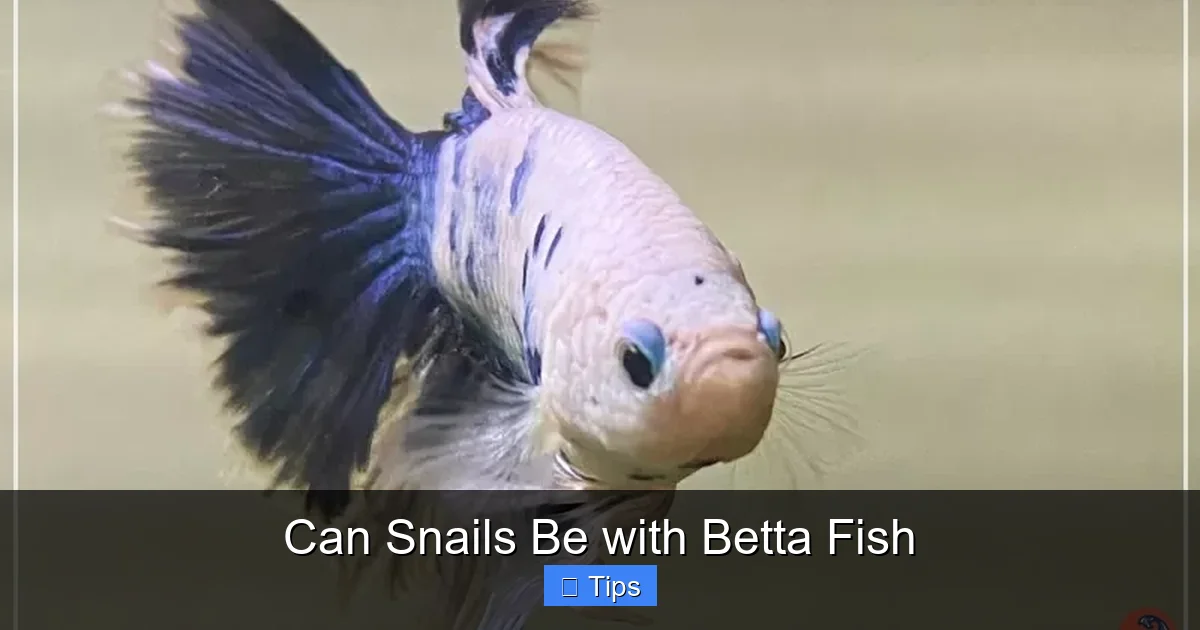
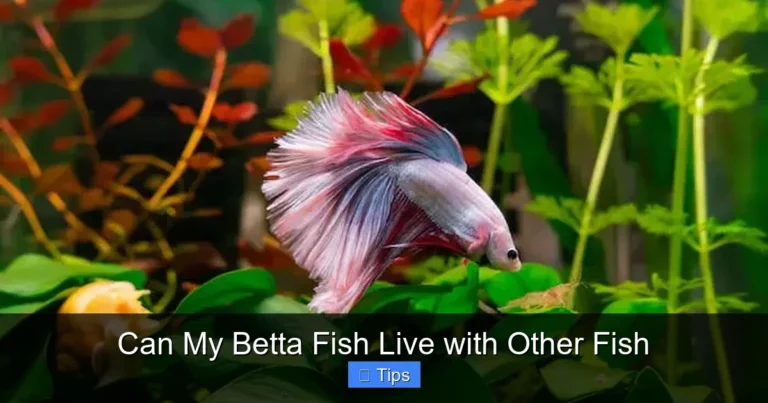
Visual guide about Can Snails Be with Betta Fish
Image source: aquariumnexus.com
Reading Betta Body Language
Learn to decode your betta’s signals. A relaxed betta will swim calmly, with fins slightly open. It may even approach a new object with curious inspection. A stressed or aggressive betta will flare its gills and fins dramatically, chase other fish rapidly, and may even bite at decorations. If your betta constantly flares at its reflection or any movement outside the tank, it has a high aggression drive. Such a betta is a poor candidate for any tank mate, including snails. Conversely, a betta that mind its own business is a much better prospect.
The Role of Tank Size in Moderation
A cramped environment amplifies territorial behavior. A betta in a 1-gallon bowl has no escape from its own reflection, let alone a new tank mate. The absolute minimum tank size for a betta is 5 gallons, but for a community including snails, 10 gallons is the true starting point. More space dilutes the betta’s focus, provides more visual barriers, and allows the snail to establish its own grazing routes away from the betta’s favorite resting spots. In a larger tank, the betta is less likely to perceive the snail as an intruder in its core territory.
Ideal Snail Candidates: Your Best Bets for Betta Tank Mates
Not all snails are equal. Here are the top-tier snail species that have proven successful in betta tanks, along with the reasons why they often survive the betta’s scrutiny.
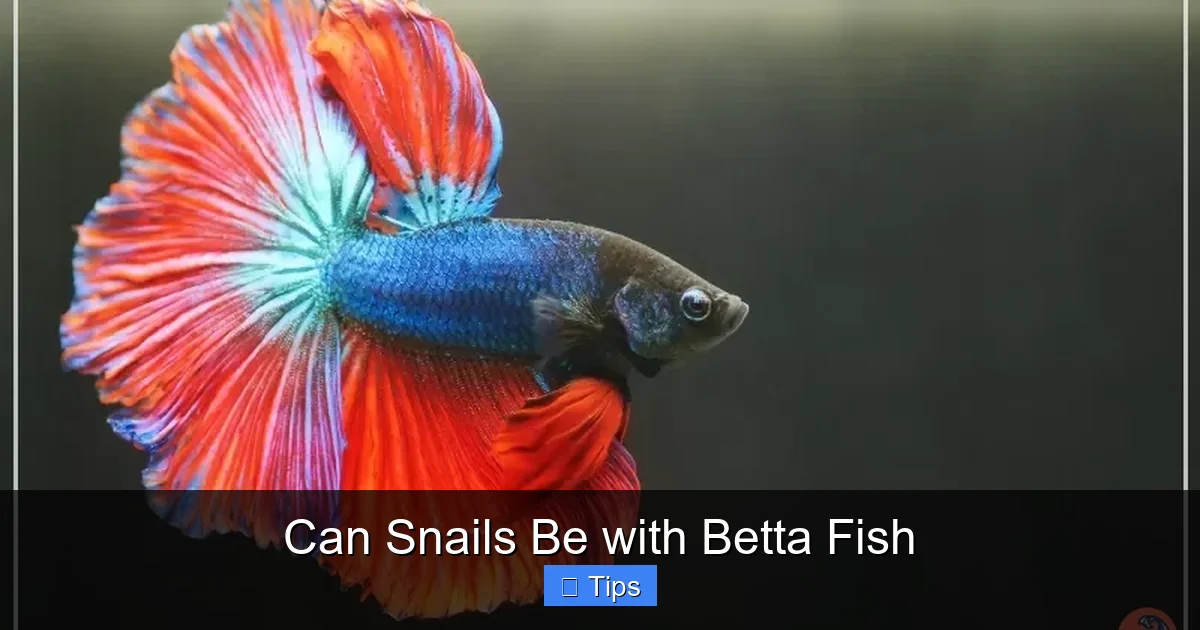
Visual guide about Can Snails Be with Betta Fish
Image source: aquariumnexus.com
Nerite Snails: The Unreproducible Algae Eaters
Nerite snails are arguably the gold standard for betta tanks. They come in stunning varieties like the Zebra, Tiger, and Olive Nerite. Their key advantages are that they cannot reproduce in freshwater (they require brackish water to lay viable eggs), so you will never have a population explosion. They are also excellent, dedicated algae grazers, scraping clean glass, rocks, and leaves without harming live plants. Their shells are relatively smooth and hard, and they are surprisingly agile for snails, often outmaneuvering a curious betta’s nip. Their only downside is that they may not eat standard fish food, so you might need to supplement with algae wafers if your tank has minimal algae growth.
Mystery Snails (Apple Snails): The Gentle Giants
Mystery snails (a type of Apple snail) are large, charismatic, and very popular. They have a heavy, rounded shell that is difficult for a betta to crush. They are peaceful scavengers that will consume leftover food, decaying plant matter, and even some algae. They are active, often climbing the glass or exploring decorations. A key consideration: they are prolific breeders in freshwater if a male and female are present. A single snail is safe from overpopulation. They also require calcium in their diet for strong shell growth, which can be provided via cuttlebone or calcium-rich vegetables like blanched zucchini. Their size and activity make them interesting to watch without necessarily triggering a betta’s chase instinct.
Ramshorn Snails: The Hardy, Fast-Reproducing Clean-Up Crew
Ramshorn snails are small, with a distinctive coiled shell resembling a ram’s horn. They are incredibly hardy and reproduce quickly through live birth. This is a double-edged sword. On one hand, they are fantastic at cleaning up detritus and algae. On the other, their population can explode if you overfeed. For this reason, they are best introduced to a heavily-planted tank with a cleanup crew already (like a few shrimp), where they fill a niche without taking over. Their small size and rapid, erratic movement can make them harder for a betta to catch. However, a very aggressive betta may still pick at them. Start with just 2-3 and monitor the population closely.
What to AVOID: High-Risk Snails
Some snails are poor choices. Pest snails like pond snails or bladder snails are small, soft-bodied, and reproduce astronomically fast. They are an easy target for a betta and will likely be eaten, contributing to a messy tank from uneaten bodies. Slow, large snails like the Giant African Land Snail (which is not aquatic) are obviously unsuitable. Also, avoid any snail with a very delicate, thin shell that a betta could potentially crack with a persistent nip. The goal is to introduce a snail that is either too tough, too fast, or too boring for your betta to see as food or a threat.
Tank Setup & Water Parameters: Creating a Sanctuary for Both
Your aquarium’s physical environment is the stage for this potential friendship. A poorly designed tank sets the stage for conflict, while a well-architected one encourages coexistence.
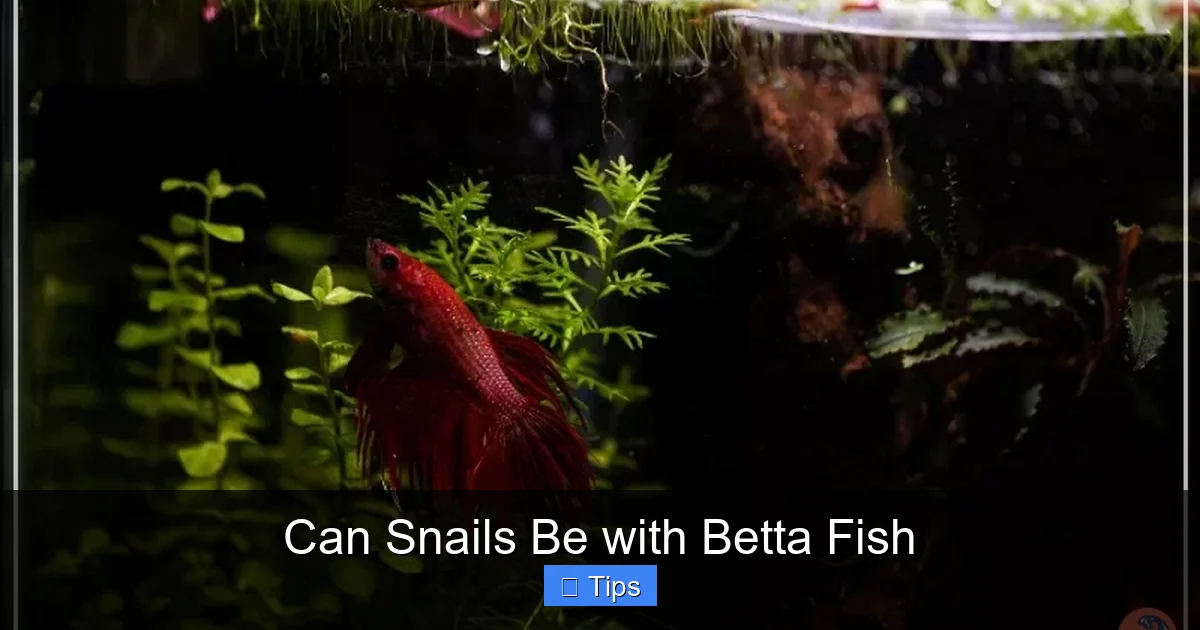
Visual guide about Can Snails Be with Betta Fish
Image source: aquariumnexus.com
The Absolute Minimum: Space and Sight Lines
As stated, aim for 10+ gallons. Use this space to create visual barriers. A dense forest of live plants (like Amazon swords, Java fern, Anubias, and floating plants like frogbit or dwarf water lettuce) is your best tool. Plants break up the open water, preventing the betta from seeing the snail as a constant, single target. The snail needs places to graze and hide. Driftwood, smooth river rocks, and ceramic caves provide essential shelter. A soft, fine-grained substrate (sand or smooth gravel) is best for snails that may forage on the bottom, preventing damage to their delicate foot as they move.
Water Chemistry: A Delicate Balance
Bettas are tropical fish from warm, still waters in Thailand. Their ideal temperature is 76-82°F (24-28°C). Most common aquarium snails are tropical and tolerate this range perfectly. Stability is more important than an exact number. The pH should be neutral to slightly acidic (6.5-7.5). The critical factor for snails is calcium availability. In soft, acidic water, snail shells can erode and become thin and pitted. You can supplement calcium by adding a clean piece of cuttlebone (from the pet store) to the filter or tank, crushing it slightly. Occasionally offering a blanched piece of zucchini, spinach, or kale (secured with a clip) provides both food and calcium. Test your water regularly with a liquid test kit to ensure ammonia and nitrite are at 0ppm and nitrates are kept low (<20ppm) through weekly water changes.
Filtration and Flow
Bettas hate strong current; it tires them out and makes it hard to reach the surface for air. A gentle filter is a must. Sponge filters are ideal for betta and snail tanks—they provide excellent biological filtration with almost no current. If using a hang-on-back or canister filter, baffle the outflow with a sponge or direct it towards the tank wall. Snails are not strong swimmers and can be sucked into filter intakes. Always use a sponge pre-filter on any intake tube to protect your snail (and shrimp) friends.
The Introduction Process: A Slow, Supervised Merge
Dumping a snail into the tank with your betta is a recipe for disaster. The introduction must be a controlled, multi-step process.
Step 1: The Quarantine and Acclimation
Quarantine any new snail in a separate hospital tank for 2-4 weeks. This is not to prevent disease transmission to the betta (snails rarely carry fish diseases) but to ensure the snail is healthy and not carrying snail eggs from another tank. A sick or dying snail will foul your main tank water. Acclimate the snail to your main tank’s temperature and pH using the drip method, just as you would with fish.
Step 2: The Barrier Method (Highly Recommended)
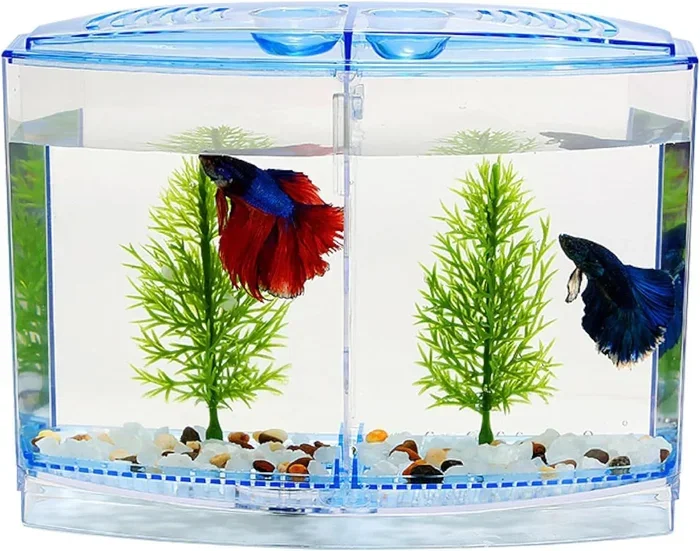
Use a breeder box, a spare tank, or a DIY divider (like a piece of acrylic with sealed edges) to place the snail in the same water system but physically separated from the betta for 24-48 hours. This allows the betta to see and smell the snail without being able to attack it. It also lets the snail explore and begin grazing. Observe the betta’s reaction through the barrier. Is it merely curious, or does it relentlessly flare and try to get to the snail? The latter is a major red flag.
Step 3: The Supervised Release
If the barrier period is calm, it’s time for the full introduction. Place the snail on a plant leaf or decoration near the center of the tank, away from the betta’s primary resting spot (often a leaf near the surface). Sit and watch for at least 30 minutes. Your betta will likely investigate. It may flare, nudge the snail with its nose, or even try to peck at it. This is normal investigative behavior. The key is to see if the snail retracts and the betta quickly loses interest. Intervene immediately if the betta relentlessly chases the snail for more than a minute or two, nipping at its shell. Have a net ready to remove the snail back to the quarantine tank. You may need to try again in a week or two, or accept that this particular betta is not snail-compatible.
Common Challenges and Their Solutions
Even with perfect planning, you may encounter hurdles. Here’s how to troubleshoot.
The Betta Won’t Stop Chasing
This is the most common issue. First, ensure your tank is large enough and has enough visual barriers. Add more plants, especially tall ones that reach the surface. Rearrange the entire aquascape before re-introducing the snail, as this resets territorial boundaries. You can also try introducing the snail at night when the betta is less active. If chasing persists after multiple attempts in a properly sized and decorated tank, your betta’s individual aggression level is too high. It is kinder to rehome the snail to a peaceful community tank.
Snail Population Explosion
This is almost always a result of overfeeding. Any excess food that sinks to the bottom feeds the snails and their offspring. Feed your betta only what it can consume in 2-3 minutes, once or twice a day. Remove any uneaten pellets immediately. For prolific snails like Ramshorns or Bladder snails, you will need to manually remove egg clutches (gelatinous blobs on glass or plants) and occasionally remove some adult snails to keep numbers in check. Remember, a few snails are beneficial; hundreds are a sign of excess nutrients.
Snail Shell Damage or Erosion
Pitted, cracked, or eroded shells indicate poor water quality or a lack of calcium. First, test your water for ammonia, nitrite, and nitrates. Perform a 25% water change with dechlorinated water matching the tank temperature. Second, supplement calcium. Add a piece of cuttlebone to the tank (it will slowly dissolve) or offer calcium-rich veggies. Ensure your general hardness (GH) is not too low. A GH of 4-8 dGH is good for both bettas and snails.
The Symbiotic Benefits: Why It’s Worth the Effort
When the balance is achieved, the betta-snail relationship is a beautiful example of a symbiotic ecosystem. The snail provides invaluable services: it is a constant, living cleanup crew, grazing on algae that would otherwise cloud your glass, consuming biofilm, and scavenging any food particles your messy betta drops. This reduces the bioload and your weekly maintenance. The snail adds a different dimension of movement and life to the tank—watching a Mystery snail methodically cruise the glass or a Nerite snail methodically scrape a leaf is mesmerizing. For the betta, a non-threatening snail can become a harmless, moving part of the landscape, potentially reducing boredom and stress. The tank becomes a more complete, natural-looking, and low-maintenance miniature world.
Conclusion: A Harmonious Home is Possible
So, can snails be with betta fish? Absolutely. The journey to a successful betta and snail community is a lesson in responsible fishkeeping. It starts with knowing your betta’s personality, continues with selecting a robust, appropriate snail species like a Nerite or Mystery snail, and is cemented by providing a spacious, planted, and structurally complex environment. The careful, patient introduction process is non-negotiable. By following these guidelines, you move beyond the myth of the solitary betta and create a thriving, balanced aquarium. You provide your betta with a richer environment and gain a fascinating, helpful new inhabitant. It’s a win-win that celebrates the beauty and complexity of aquatic life, one well-planted tank at a time.
Frequently Asked Questions
Will my betta definitely try to eat a snail?
Not definitely, but it’s very likely to investigate and may nip. A betta’s curiosity often manifests as nipping. Whether it persists in trying to eat the snail depends on the snail’s shell hardness and the betta’s aggression level. A persistent, hard-shelled snail like a Nerite will usually be left alone after initial investigation.
What is the single best snail for a betta tank?
Many experts recommend the Nerite snail as the best first choice. They are excellent algae eaters, have a hard, smooth shell, are relatively agile, and most importantly, they cannot reproduce in freshwater, eliminating the risk of a population explosion.
Do snails actually help clean a betta tank?
Yes, significantly. Snails are natural scavengers. They will consume algae growing on glass and decorations, eat leftover food pellets that would otherwise decay and pollute the water, and graze on biofilm. They are a fantastic, natural part of the cleanup crew.
Can snails breed out of control in my betta’s tank?
It depends entirely on the species. Nerite snails will not reproduce in pure freshwater. Mystery snails will if you have a male and female. Ramshorn and Bladder snails reproduce very quickly. To prevent overpopulation, choose a non-reproducing species, or if you have reproducing ones, strictly control feeding and manually remove egg clutches and excess snails.
My snail keeps trying to escape the tank. Is it unhappy?
Snails, especially Apple and Mystery snails, are notorious climbers and may attempt to escape if the water parameters are poor (high ammonia/nitrate) or if they are searching for food or calcium. It’s rarely a direct sign of conflict with the betta. Ensure your lid is secure (most snails cannot jump but can climb), and double-check water quality and calcium levels.
What if my betta is relentlessly aggressive toward the snail?
If, after a proper introduction and in a suitably large, planted tank, your betta is relentlessly chasing and nipping the snail, you must remove the snail for its own safety. This indicates your betta’s individual aggression level is too high for a snail tank mate. Rehome the snail to a peaceful community tank and focus on providing your betta with other forms of enrichment like floating plants, logs, and safe decorations.