Can Shrimp Go with Betta Fish
Yes, shrimp can sometimes live with betta fish, but it depends entirely on the betta’s individual temperament and careful tank management. Success requires selecting large, fast shrimp species like Amano or Ghost shrimp, providing a heavily planted tank with ample hiding spots, and a gradual introduction process. There are no guarantees, as some bettas are too aggressive, so constant observation is essential for a harmonious community tank.
So, you have a beautiful, solitary betta fish—that glorious, flowing spectacle of a fish often called the Siamese fighting fish. Its personality is already shining through, maybe it flares at its reflection or follows your finger. Now you’re looking at that empty space in your aquarium and wondering: Can shrimp go with betta fish? The allure is clear. A few tiny, scuttling cleaners adding movement and life to the bottom of the tank. It seems like a perfect match. But we all know the betta’s reputation. That beautiful mask hides a territorial, sometimes aggressive spirit. The honest answer is: sometimes. It’s not a simple yes or no. It’s a conditional yes, heavily dependent on your specific betta’s temperament, your tank setup, and your choice of shrimp. This guide will walk you through every single factor that determines whether your betta will tolerate tank mates or see them as a snack. We’ll cover which shrimp have a fighting chance, how to build a tank that encourages peace, and the step-by-step process for a successful introduction. Think of this not as a green light, but as a detailed blueprint for testing the waters safely.
Key Takeaways
- The betta’s personality is the #1 factor: A peaceful, curious betta has a higher chance of success than a chronically flaring, aggressive one. Know your fish.
- Not all shrimp are equal: Stick to large, fast, or algae-eating species like Amano, Ghost, or Bamboo shrimp. Avoid small, colorful shrimp like Cherries.
- Tank setup is non-negotiable: A minimum 10-gallon tank with dense planting (live or silk), driftwood, and rock caves is critical to provide shrimp with escape routes.
- Introduction must be slow: Add shrimp only after the betta is settled, ideally using a divider or quarantine tank first to observe reactions without immediate predation.
- Feeding requires strategy: Target feed the betta to prevent it from seeing shrimp as food competition. Use sinking foods for shrimp in the evening when the betta is less active.
- Disappearance is common initially: Don’t panic if a shrimp vanishes; it’s likely hiding for days or weeks. A missing shrimp after a long period may indicate predation.
- Water parameters must match: Both bettas and most freshwater shrimp require stable, warm water (76-80°F) and good water quality. Shrimp are sensitive to ammonia and nitrites.
📑 Table of Contents
- Understanding the Betta: More Than Just a “Fighter”
- Choosing the Right Shrimp: Species That Stand a Chance
- Tank Setup: Creating a Shrimp Sanctuary Within a Betta’s Kingdom
- The Introduction Process: Patience is Not Optional
- Feeding and Coexistence: Preventing a Food Fight
- Common Challenges and Problem-Solving
- The Final Verdict: Is It Worth It?
Understanding the Betta: More Than Just a “Fighter”
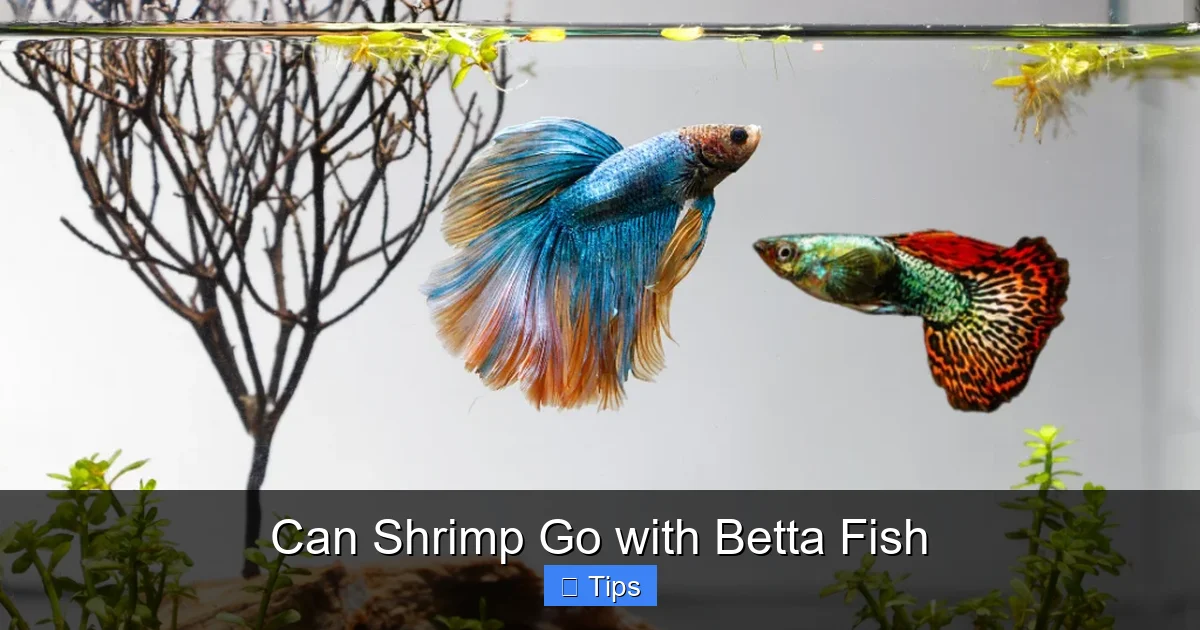
Before we even talk about shrimp, we must talk about the betta. The common name “Siamese fighting fish” tells only half the story. Yes, males are famously territorial against other males. But their behavior toward other species is where it gets nuanced. A betta’s aggression is not a constant, on-off switch. It’s a spectrum influenced by genetics, individual personality, environment, and even mood. Some bettas are placid, almost lazy. Others will relentlessly harass anything with fins that moves. Your first and most important job is to become a betta behavior expert. You need to watch your fish not just for a few minutes, but to understand its baseline state.
The Siamese Fighting Fish Legacy
Centuries of selective breeding for combat have hardwired bettas to be defensive of their space. In the wild, they are lazy predators, ambushing insects from under leaves. They don’t constantly chase; they conserve energy. In a tank, this can translate to a fish that mostly lounges but will suddenly explode into a flare—gills flared, fins extended, body tense—if it perceives a threat. This threat could be a reflection, a sudden movement, or a new, unfamiliar creature like a shrimp. This instinct to flare is the core challenge. A shrimp, especially a small, brightly colored one, can look like a strange, tiny invader. The betta’s curiosity might turn to investigation, then to nipping, then to full predation. Understanding this legacy is key to managing it.
Individual Personalities Matter Most
You could have two bettas from the same breeder, raised in identical conditions, and one will ignore a shrimp while the other hunts it relentlessly. How do you assess your betta? Look for these signs:
- The Flaring Frequency: Does it flare at you when you approach the glass? At its own reflection? Constant flaring suggests a high-strung, easily provoked fish. This is a red flag for tank mates.
- The Activity Level: A betta that is constantly patrolling every inch of the tank is more likely to investigate and harass a shrimp than one that has a favorite leaf or cave and rests there often.
- Reaction to Movement: Put a clean, new decoration (like a small terracotta pot) in the tank. Does your betta immediately investigate it with gentle nibbles? Or does it attack it violently? The former suggests curiosity; the latter suggests a predatory impulse.
If your betta seems relaxed, flares only occasionally, and mostly minds its own business, you have a candidate for a shrimp tank mate. If it’s a known “demon betta” that chases your finger, you should seriously reconsider. No shrimp is safe from that level of focused aggression.
Choosing the Right Shrimp: Species That Stand a Chance
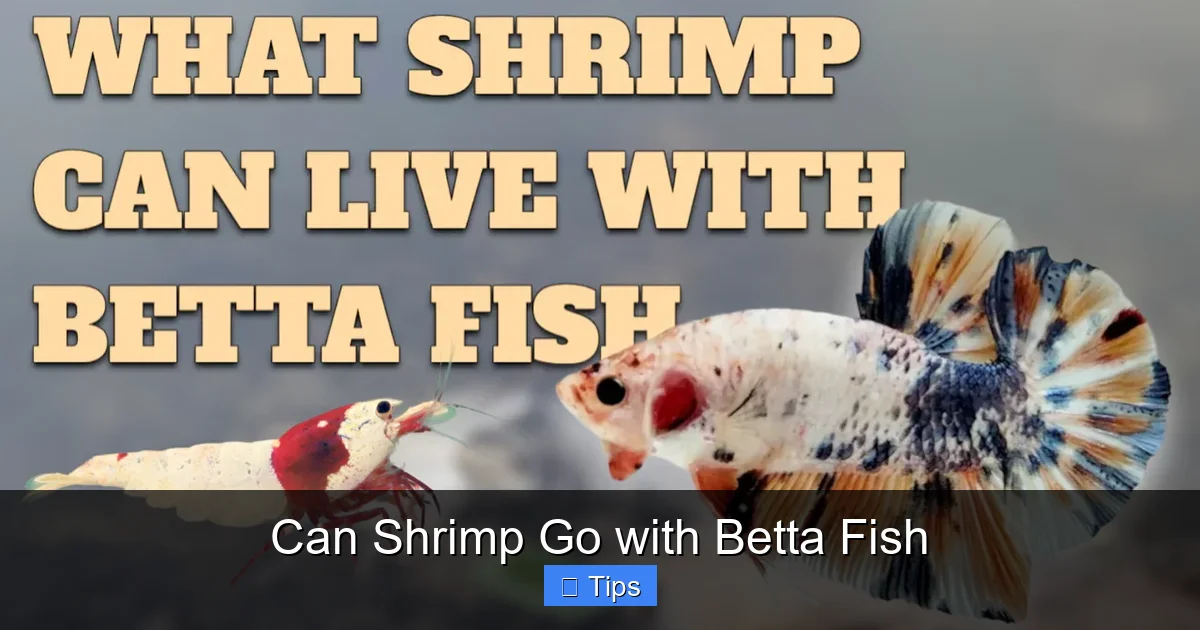
Assuming your betta has a decent temperament, your next decision is critical: which shrimp? This is where many beginners fail. They see a beautiful, tiny Red Cherry Shrimp and think, “What a cute addition!” They are often wrong. The best shrimp for a betta tank share common traits: they are large (relative to the betta’s mouth), fast, non-colorful (or camouflage), or behaviorally different (like being algae-eaters that occupy a different niche). Let’s break down the winners and the losers.
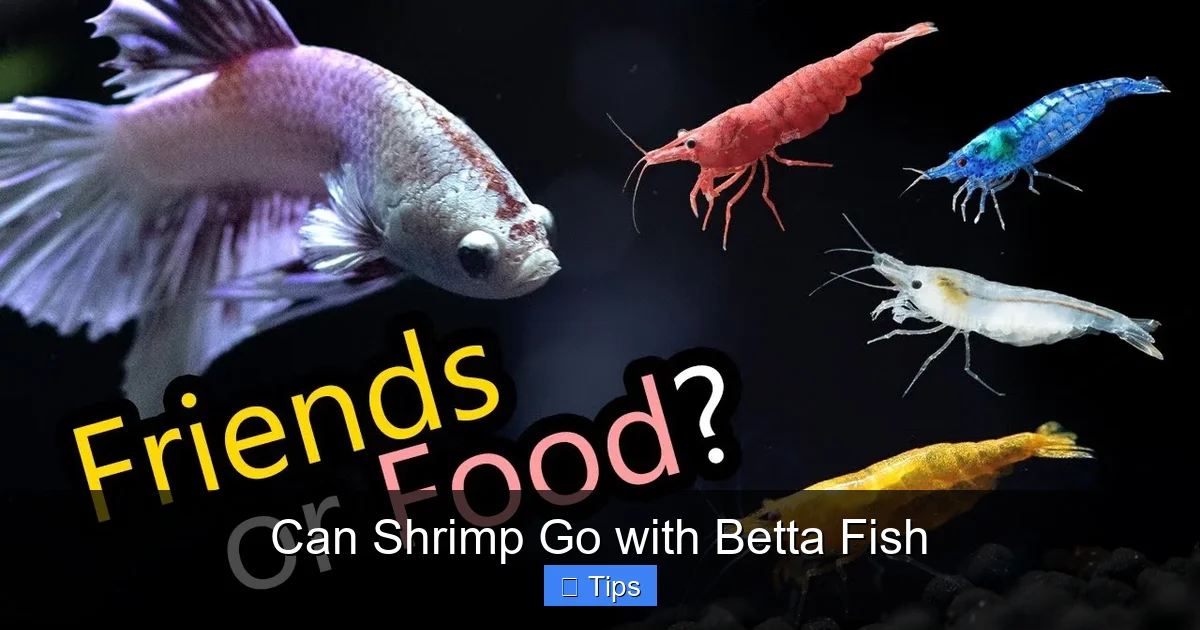
Visual guide about Can Shrimp Go with Betta Fish
Image source: japanesefightingfish.org
Top Recommendations: Your Best Bets
- Amano Shrimp (Caridina multidentata): The gold standard. These are large (2-3 inches), fast, and mostly translucent with brown stripes. They are primarily algae eaters, so they’ll be busy scraping the tank walls and decorations, not parading in open water. Their size means a betta can’t easily swallow them, and their speed allows them to dart away if curious. They are also hardy and tolerate a range of water conditions. This is the #1 recommended shrimp for a betta community.
- Ghost Shrimp (Palaemonetes spp.): Another excellent choice. As the name suggests, they are nearly invisible. Their transparency is their greatest defense. They are also fast, active scavengers. A betta might see one occasionally but will often lose track of it. They are very inexpensive, so losing one or two is not a huge financial blow, making them great for a “test run.”
- Bamboo Shrimp (Atyopsis moluccensis): These are filter-feeders, not foragers. They have fan-like arms they use to catch particles in the water current. They are large (3-4 inches) and spend much of their time on driftwood or rocks, holding their fans out. Their behavior is completely alien to a betta. The betta sees a stationary, large rock with fans, not prey. They require excellent water flow to feed, so tank setup is a consideration.
- Japanese Marsh Shrimp (Caridina japonica): Similar in size and hardiness to Amanos, but with a more striking pattern. They are also active algae grazers. Good alternatives if Amanos are unavailable.
Shrimp to Avoid: High-Risk Choices
- Red Cherry Shrimp, Neocaridina davidi: The most common mistake. These are small (1 inch), vibrantly red, and slow-moving. To a betta, they look like delicious, moving candy. Even a peaceful betta may nip at them out of curiosity, and the stress can kill them. Only the largest, most placid bettas in heavily planted tanks might allow a colony to establish, but it’s a gamble.
- Small Freshwater Shrimp (e.g., Bee Shrimp, Crystal Red Shrimp): These are even smaller and more delicate than Cherries. They are also sensitive to water parameters. The combination of being a tiny, bright target and fragile makes them a poor choice. They are for dedicated, species-only tanks.
- Any Breeding or Berried (Pregnant) Shrimp: A shrimp carrying eggs is even slower and more vulnerable. Introducing a berried shrimp is asking for trouble. If you want a colony, let the shrimp breed and establish a population after you’ve confirmed the betta ignores them for months.
Tank Setup: Creating a Shrimp Sanctuary Within a Betta’s Kingdom
Your tank is the battlefield and the potential sanctuary. The goal is to design it so shrimp can easily avoid the betta. This means breaking up line of sight, providing endless hiding spots, and ensuring the betta’s territory is still respected. A bare, open tank is a death sentence for shrimp. A well-structured tank gives them a fighting chance.
Visual guide about Can Shrimp Go with Betta Fish
Image source: i.ytimg.com
Size and Space: The Bigger, The Better
Start with a minimum of 10 gallons. A 5-gallon tank is too cramped; there’s no room for both a betta’s territory and shrimp refuges. In a 10-gallon, you can create distinct zones. The betta might claim the top and middle levels near a floating plant or a broad leaf. The shrimp can own the bottom and mid-water zones among dense plant stems and hardscapes. More water volume also means more stable parameters, which is crucial for shrimp health. If you have a 20-gallon long or larger, your success rate increases significantly. The betta is less likely to patrol every single square inch obsessively.
Hiding Places and Visual Barriers: The Essential Toolkit
This is the most important part of your aquascape. You need to create a labyrinth. Think like a shrimp: where would you hide?
- Dense Planting: This is your primary tool. Use a mix of tall background plants (like Vallisneria, Amazon Swords), mid-ground plants (Bacopa, Ludwigia), and fine-leaved foreground plants (Dwarf Hairgrass, Monte Carlo). Floating plants are a game-changer (Salvinia, Duckweed, Frogbit). They break up the surface, diffuse light, and create a shaded, secure upper zone that bettas often like but shrimp can dart through. Live plants are ideal, but high-quality silk plants are a decent substitute. The goal is to have a tank where you can’t easily see from one end to the other.
- Hardscape: Piles of smooth river rocks, cholla wood, Malaysian driftwood, and ceramic caves create complex structures. Shrimp will cling to and hide under these. Ensure all hardscape has no sharp edges that could damage shrimp or the betta’s fins.
- Leaf Litter & Botanicals: A few dried Indian Almond leaves or Alder cones on the substrate not only provide tannins (beneficial for bettas) but also create a natural, shaded micro-habitat on the bottom where shrimp feel secure foraging.
The key principle is line-of-sight disruption. The betta should not be able to see a clear path from its favorite perch to every corner of the tank. If it can’t see the shrimp, it’s less likely to be triggered to chase.
Water Parameters: The Non-Negotiable Foundation
Both bettas and shrimp require clean, stable, warm water. A betta can tolerate slightly poorer water (though it shouldn’t), but shrimp are extremely sensitive to ammonia and nitrite. A fully cycled tank is absolutely mandatory.
- Temperature: 76-80°F (24-27°C) is ideal for both. Use a reliable heater. Cold water stresses both animals and can make a betta sluggish and more susceptible to disease.
- Ammonia & Nitrite: Must be 0 ppm. Nitrates should be below 20 ppm. A robust filtration system (sponge filter is excellent for shrimp, as it doesn’t suck them in) and regular water changes (25% weekly) are essential.
- pH & Hardness: Betta are adaptable (pH 6.5-7.5). Research your specific shrimp. Amanos and Ghosts are very adaptable. Bee/Crystal shrimp require softer, more acidic water (pH 6.0-6.5, low GH). Match the shrimp to your tap water if possible. For beginners, stick to adaptable species like Amanos.
The Introduction Process: Patience is Not Optional
You have a calm betta. You have a 10-gallon jungle of plants. You have a bag of Amano shrimp. Now what? Rushing this is the fastest way to failure. The process is about allowing the betta to get used to the shrimp’s presence without an immediate, visceral reaction.
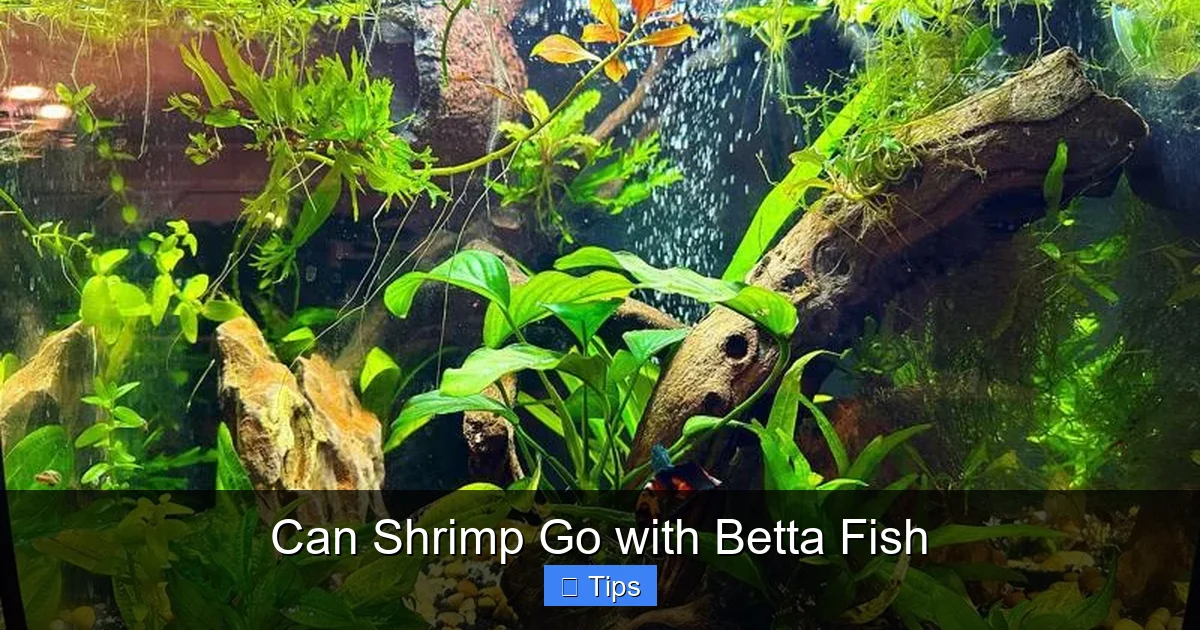
Visual guide about Can Shrimp Go with Betta Fish
Image source: ouraquariumlife.com
Timing is Everything
Do not add shrimp the same day you add the betta to a new tank. The betta needs at least 2-4 weeks to establish its territory in a fully cycled, planted tank. Its stress levels will be lower, and it will be less reactive to new arrivals. The tank should be stable and settled. The betta should be eating reliably and showing routine behavior.
Using a Divider or Quarantine Tank: The Safe Test
This is the professional’s trick. Get a cheap, clear acrylic or plastic divider (or even a fine mesh) that fits inside your tank. Place it so the tank is temporarily split. Put the betta on one side and the shrimp on the other. This allows them to see each other but not interact physically.
Observe for 24-48 hours. What does the betta do?
- Does it completely ignore the shrimp?
- Does it show mild curiosity (gentle following along the divider)?
- Does it flare, ram, and try to attack the divider?
If the reaction is mild curiosity, you can likely proceed. If it’s aggressive ramming, the divider method can sometimes backfire—the betta may become fixated. In that case, you may need to accept that tank mates aren’t an option. If the reaction is neutral, after a couple of days, you can remove the divider and monitor very closely for the first few hours.
Observation Period: The First 72 Hours
Once the divider is out (or if you introduced shrimp directly to a long-settled tank), you must watch. Have a chair next to the tank. For the first 24 hours, be present as much as possible. Look for:
- Stalking: The betta slowly, deliberately following a shrimp.
- Nipping: Quick darting motions at a shrimp.
- Flaring at shrimp: A clear sign of aggression.
If you see active stalking or nipping, you may need to remove the shrimp immediately to a hospital/quarantine tank to prevent stress death. One or two initial chases might be curiosity, but persistent pursuit is predation. If the betta mostly ignores them and the shrimp are actively exploring within an hour, that’s a very promising sign.
Feeding and Coexistence: Preventing a Food Fight
Even a peaceful betta can become food-aggressive if it perceives the shrimp as competition. Shrimp are also scavengers and will go after any food that sinks. You must manage feeding to prevent this dynamic from creating conflict.
Target Feeding the Betta
Never just dump food in and hope. Use feeding tweezers or a pipette to place betta pellets or frozen food directly in front of the betta. Do this once or twice a day. The goal is to associate you (and food) with a specific spot, and to ensure the betta is full. A well-fed betta is a less motivated hunter. If the betta is sated, it’s less likely to see a shrimp as a snack.
Feeding the Shrimp Strategically
Shrimp are mostly nocturnal or crepuscular (active at dawn/dusk). Feed them after the betta has eaten and is settling down. Use a small amount of high-quality shrimp food, algae wafers, or blanched vegetables (zucchini, spinach) attached to a clip or tucked into a plant or piece of wood. This gives them a dedicated food source away from the betta’s primary feeding zone. You might also see them cleaning up the betta’s missed pellets—this is fine and a sign of coexistence.
The “Shrimp Disappearance” Phenomenon
In the first week or two, you might count your shrimp and find one or two missing. Do not panic. This is almost always because the shrimp is in a deep, prolonged hide. Shrimp are experts at finding the tiniest crevice. They may not reappear for days or even a week. They are likely foraging at night. Only count a shrimp as truly gone if you see evidence of a molt (empty shell) but no live shrimp, or if you find a piece eaten by the betta. Patience is key. A sudden, total disappearance of all shrimp, however, is a clear sign your betta was not as peaceful as you thought.
Common Challenges and Problem-Solving
Even with perfect planning, you’ll face hurdles. Here’s how to troubleshoot the most common issues.
“My betta is stalking the shrimp constantly!”
This is the most frequent problem. It’s not always full-blown aggression yet, but it’s a dangerous precursor. Solutions:
- Increase hiding spots immediately. Add more dense plants or another piece of driftwood to break the line of sight between the betta’s favorite spot and the shrimp’s usual paths.
- Rearrange the tank. Move the betta’s favorite perch or plant to a different location. This resets territorial boundaries and can break a stalking pattern.
- Use a temporary divider again. Separate them for a week, then try reintroduction. Sometimes a “reset” helps.
- Consider a larger tank. If you’re in a 10-gallon, a 20-gallon gives the shrimp more room to escape.
If stalking persists for more than a week with no improvement, you must accept that the betta is too predatory. The shrimp’s stress will eventually kill them, even if not eaten outright.
“I think my betta ate a shrimp!”
Look for evidence: a piece of shrimp shell, a sudden drop in the shrimp count from, say, 5 to 4. If this happens once, it might have been a curious nip that went too far. If it happens repeatedly, your betta has decided shrimp are food. You have two choices:
- Remove the betta and rehome it to a species-only tank. (This is often the hardest but most ethical choice for the remaining shrimp).
- Remove all remaining shrimp immediately to save them. The experiment is over.
Do not keep adding new shrimp to a tank where one has already been eaten. It’s unfair to the shrimp and will only frustrate you.
Water Quality Issues (Especially After a Shrimp Molt)
A large shrimp molt can add a significant bio-load. If you see a cloudy tank or a spike in nitrates after several shrimp molt at once, increase your water change frequency temporarily. Also, dead shrimp decompose very quickly and can foul the water. Remove any dead shrimp immediately. A sudden water quality crash can stress both your betta and the remaining shrimp, making the betta more aggressive and the shrimp more vulnerable.
The Final Verdict: Is It Worth It?
So, can shrimp go with betta fish? Yes, but with a bucket of caveats. It is a low-to-medium risk endeavor that requires more effort and observation than a standard betta tank. The reward is a beautiful, dynamic nano-ecosystem. The risk is the loss of your shrimp investment and the potential stress on your betta.
Your path to success looks like this:
- Honest Assessment: Objectively evaluate your betta’s temperament. Be brutally honest. If it’s a known flarer, don’t try.
- Proper Equipment: Commit to a 10+ gallon, heavily planted tank with perfect water quality.
- Smart Selection: Buy large, hardy, non-colorful shrimp like Amanos or Ghosts.
- Slow Introduction: Use a divider and observe reactions meticulously.
- Patient Observation: Watch for weeks. Count shrimp at night with a red flashlight. Look for molts and activity.
If you follow these steps, you have a very good chance of creating a peaceful community. But always be prepared for the possibility that your betta is simply too much of a individualist. In that case, appreciate its beauty and personality as a solo king. There is no shame in choosing what’s safest for all your aquatic pets.
Frequently Asked Questions
What is the absolute safest shrimp to try with a betta?
Amano Shrimp are widely considered the safest due to their large size (2-3 inches), speed, and algae-eating nature that keeps them busy. Ghost Shrimp are a close second due to their transparency and low cost.
Can a betta kill a shrimp without eating it?
Absolutely. A betta may nip at a shrimp’s legs or antennae, causing fatal injury or severe stress that leads to death without consuming the body. A missing shrimp is often a sign of predation, but a shrimp found dead with missing limbs is also a clear sign of betta aggression.
How many shrimp should I start with?
Start with a small group of 3-5 shrimp. This gives them a better chance to establish a colony and have numbers for safety-in-sheer. Starting with just one makes it an easy, isolated target. With a group, they can scatter and hide more effectively.
My betta ignores the shrimp at first but now seems interested. What changed?
Betttas can become bored or their curiosity can grow over time. A new object (the shrimp) might be ignored initially but investigated days later. This is why the observation period must extend for several weeks. If curiosity turns to stalking, you may need to add more hiding spots or consider that the betta’s true nature is emerging.
Will shrimp clean my betta’s waste?
Shrimp are excellent scavengers and will consume uneaten betta pellets, dead plant matter, and detritus. This helps with tank cleanliness. However, they are not a substitute for proper filtration and water changes. They are a helpful cleanup crew, not the entire maintenance staff.
What should I do if my betta becomes aggressive toward the shrimp after months of peace?
This can happen if the betta’s environment changes (new decoration, different lighting) or as it matures. At the first sign of renewed aggression, re-assess the tank setup. Add more plants/hiding spots immediately. If aggression persists, you must separate them. The betta’s stress from hunting and the shrimp’s constant fear will lead to poor health for both. Rehome one of the species.