Can You Touch Betta Fish Safely and Understand Their Needs
Can you touch betta fish without harming them? This guide explains the risks, signs of stress, and safe handling techniques so you can interact with your betta responsibly while keeping their environment calm and healthy.
Betta fish are known for their vibrant colors and flowing fins, making them a favorite among aquarium hobbyists. Their striking appearance often tempts owners to reach into the tank and give them a gentle pat. However, before you decide to can you touch betta fish, it’s important to understand how touch affects their health and behavior. This article explores the biology behind betta sensitivity, outlines the risks of handling, and offers practical tips for safe interaction.
We’ll cover everything from stress indicators to alternative ways of bonding with your betta. By the end, you’ll know exactly when touching is appropriate, how to minimize harm, and what you can do instead to enjoy a rewarding relationship with your fish.
Key Takeaways
- Betta fish have delicate skin and a protective slime coat: Touching can remove this coat, leaving them vulnerable to infections and stress.
- Stress signals include clamped fins, fading color, and rapid gill movement: Recognize these signs to avoid overhandling.
- Wet, soap‑free hands are essential if you must touch: Rinse thoroughly and avoid lotions or chemicals that could harm the fish.
- Use a soft net or container for transfers instead of direct contact: This minimizes physical trauma and stress.
- Alternatives like hand‑feeding or mirror play let you bond without touching: Engage your betta safely while observing natural behaviors.
- Maintain pristine water quality and a proper tank setup: A healthy environment reduces the need for handling and supports overall wellbeing.
- Consult a vet or experienced aquarist for medical procedures: Professional guidance ensures safe handling when treatment is necessary.
📑 Table of Contents
Understanding Betta Fish Biology and Behavior
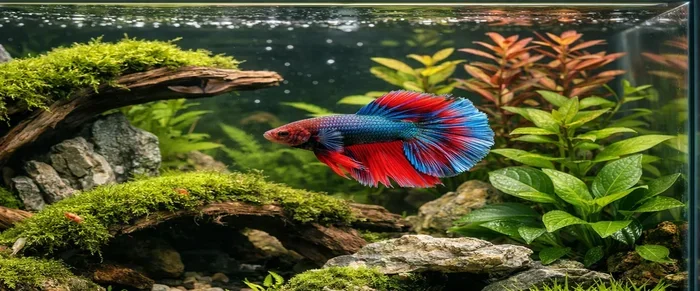
Betta fish, scientifically called Betta splendens, originate from the shallow waters of Southeast Asia. In the wild, they live in rice paddies, slow‑moving streams, and floodplains where they can dart among vegetation. Their natural environment has shaped several key traits that influence how they respond to touch.
Natural Habitat and Temperament
In their native habitats, bettas experience low water movement and plenty of hiding spots. They are territorial, especially males, and will flare their gills to assert dominance. This territorial nature means they are accustomed to defending their space rather than being handled by outsiders.
Because they rely on a thin layer of mucus—called the slime coat—to protect their skin from parasites and bacteria, any disruption to this layer can have serious consequences. The slime coat also helps regulate osmotic balance, keeping fluids inside the body stable.
Stress Indicators When Touched
When a betta feels threatened, it displays clear signs of stress. Watch for:
- Clamped fins held close to the body
- Fading or dulling of bright colors
- Rapid gill movement or gasping at the surface
- Erratic swimming or hiding
- Loss of appetite
If you notice any of these symptoms after attempting to touch your betta, it’s a strong signal that the interaction caused distress. Continued stress can weaken the immune system, making the fish prone to diseases like fin rot or ich.
Can You Touch Betta Fish Safely? The Risks and Benefits
The question can you touch betta fish often arises from curiosity or a desire to bond. While occasional, gentle contact may not cause immediate harm, repeated or improper handling poses several risks.
Physical Risks to the Fish
The most direct risk is damage to the slime coat. Even clean hands can carry microscopic abrasives that scrape away this protective barrier. Once compromised, bacteria and fungi can invade, leading to infections.
Additionally, bettas have delicate fins that can tear easily. A rough grab or a sudden snap of the tank lid can cause fin splits, which heal slowly and may become infected.
Risks to the Handler
While bettas are not venomous, they can carry bacteria such as Mycobacterium species, which cause fish‑handler’s disease in humans. Washing hands before and after tank work reduces this risk.
Some owners worry about toxicity. If you’ve wondered, Can Betta Fish Kill You If You Touch Them, the answer is virtually no—betts do not produce toxins harmful to humans. However, proper hygiene is still essential.
When Touching Might Be Necessary
There are situations where handling is unavoidable, such as:
- Moving the fish to a quarantine tank for treatment
- Performing a fin‑clip or medical procedure under veterinary guidance
- Removing debris stuck on the fish’s body
In these cases, following best practices can minimize harm.
Best Practices for Handling Betta Fish
If you must touch your betta, preparation and technique are key. The goal is to reduce stress, preserve the slime coat, and avoid physical injury.
Preparing Your Hands
Always wash your hands with plain water—no soap, lotions, or sanitizers. Residue from these products can be toxic to fish. Rinse thoroughly and keep your hands wet; dry hands increase friction and are more likely to damage the slime coat.
Some aquarists recommend using a dedicated pair of nitrile gloves that are rinsed in tank water before use. This adds a barrier while keeping the hands moist.
Using a Net or Container
Instead of grabbing the fish directly, guide it into a soft, fine‑mesh net. Hold the net steady and allow the betta to swim into it voluntarily. Once inside, you can lift the net gently.
For larger moves, a clean plastic container filled with tank water works well. Let the betta enter on its own, then lift the container slowly. This method avoids netting stress and provides a stable environment during transfer.
Minimizing Stress During Transfer
Keep the transfer time under 30 seconds whenever possible. Dim the tank lights or cover the tank with a dark cloth to reduce visual stimulation. Speak softly and avoid sudden movements.
After placing the betta in its new location, monitor it closely for signs of stress. Offer a small amount of food after a few minutes to encourage normal behavior.
Alternatives to Direct Touch: Observing and Interacting
Many betta owners find that they can enjoy a strong bond without ever touching the fish. These alternatives keep the slime coat intact while providing mental stimulation.
Feeding by Hand (Without Touching)
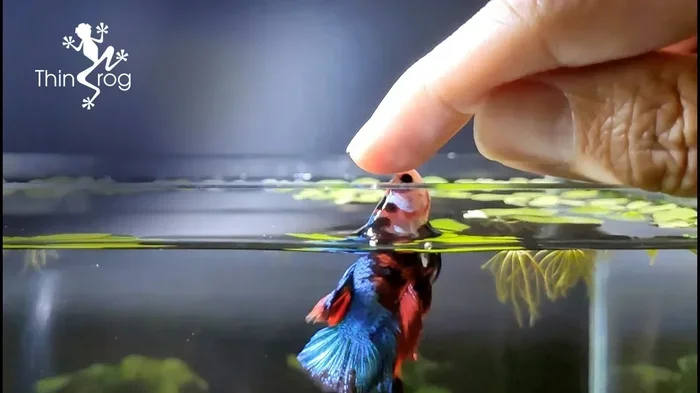
You can train your betta to take food from your fingertips. Hold a pellet or frozen bloodworm just above the water surface and wait for the fish to jump up. This creates a rewarding interaction without any physical contact.
Over time, the betta may associate your hand with food and swim to the surface eagerly—a sign of trust and recognition.
Using Mirrors and Toys
Bettas react to their own reflection by flaring, which is a natural display behavior. Placing a small, safe mirror outside the tank for a few minutes each day can provide enrichment. Remove the mirror afterward to prevent chronic stress.
Floating toys like ping‑pong balls or betta‑specific logs encourage exploration and exercise.
Creating a Stimulating Environment
A well‑decorated tank with live or silk plants, caves, and gentle flow mimics the betta’s natural habitat. When the environment feels secure, the fish is less likely to seek out human interaction for stimulation.
Regular water changes, stable temperature (76‑80°F), and proper pH (6.5‑7.5) are foundational to a betta’s wellbeing and reduce the need for handling.
Common Mistakes and How to Avoid Them
Even experienced hobbyists can slip up when handling bettas. Recognizing these pitfalls helps you maintain a healthy tank.
Overhandling
Frequent touching, even with wet hands, accumulates stress over time. Limit physical contact to essential situations only. Observe your betta’s behavior; if it hides after each interaction, you’re handling too much.
Using Soap or Chemicals
As mentioned, soap residues are lethal. Never wash your hands with scented soap before tank work. If you must use a cleanser (for example, after handling chemicals), rinse repeatedly with dechlorinated water and let your hands air dry completely before touching anything in the tank.
Ignoring Water Quality
Poor water conditions amplify the effects of stress. High ammonia or nitrite levels weaken the slime coat, making the fish more vulnerable to damage from touch. Test water weekly and perform partial changes as needed.
Overlooking Tank Mates
If you keep bettas with other species, ensure they are compatible. Aggressive tank mates can cause the betta to hide or become stressed, increasing the likelihood that you’ll reach in to “rescue” it—often causing more harm than good.
Expert Insights and Frequently Asked Questions
To round out this guide, we’ve gathered advice from seasoned aquarists and answered common queries about betta handling.
Insights from Aquarists
“The best way to bond with a betta is through consistent feeding routines and a stimulating tank,” says Maria L., a betta breeder with over 15 years of experience. “Touching should be a last resort, not a regular hobby.”
James K., a veterinary technician specializing in exotic pets, adds, “If you notice any injury after handling, isolate the fish in a quarantine tank with clean, warm water and consult a vet familiar with fish medicine.”
Quick Tips for New Owners
- Always wet your hands before approaching the tank.
- Use a net for any transfer longer than a few seconds.
- Observe your betta’s reaction after each interaction; adjust frequency accordingly.
- Keep a log of handling events to spot patterns.
- Educate household members, especially children, about gentle observation only.
Conclusion
So, can you touch betta fish safely? The answer is yes—if you follow proper hygiene, limit contact to necessary situations, and watch for stress signals. However, the safest and most rewarding way to enjoy your betta is through observation, hand‑feeding, and enriching their environment.
By respecting the betta’s delicate slime coat, recognizing stress cues, and using tools like nets or containers, you protect both your fish and yourself. Remember, a healthy betta thrives in a stable, clean tank where it can display its natural brilliance without unnecessary handling.
Apply the tips shared here, continue learning about betta behavior, and you’ll create a thriving aquatic companion that shows off its vibrant colors and playful personality for years to come.