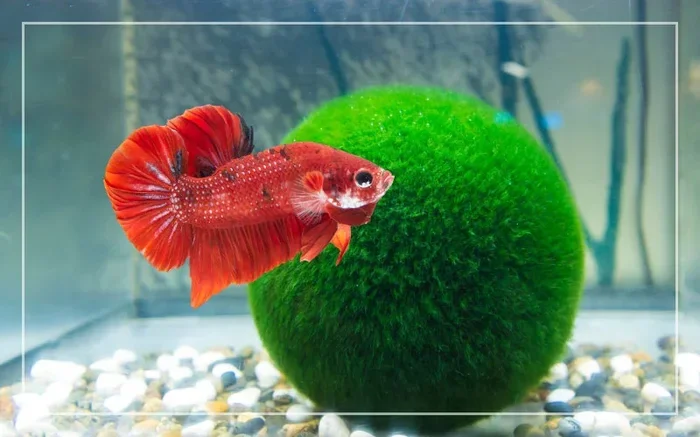
Do Betta Fish Burrow Under Rocks Learn Why They Hide

Do betta fish burrow under rocks as a natural instinct for safety and comfort. These clever fish create hidden shelters among substrates to feel secure and stay cool. Understanding their burrowing habits helps you design better tanks and keep your pet happy. Dive in to learn more!
Do betta fish burrow under rocks as a natural instinct for safety and comfort. Many new keeper wonder why their colorful fish disappear beneath stone structures in the tank. The answer lies in their wild origins and sophisticated social needs. Understanding why do betta fish burrow under rocks can transform your aquarium into a more stable and stress-free home for your finned companion.
Bettas are built for survival. In their native habitats across Southeast Asia, rocky crevices offer refuge from predators and harsh weather conditions. This ancient habit translates perfectly to modern home aquariums where the same protective instincts still kick in. When you see your betta disappearing beneath a pile of decorative stones, you’re witnessing thousands of years of evolutionary wisdom at work.
This article breaks down everything you need to know about this fascinating behavior. We’ll explore the science behind the hiding act, discuss the benefits of proper rock placement, and share practical tips to create ideal shelter zones. By the end, you’ll understand not just why do betta fish burrow under rocks, but how to support their natural instincts for a healthier, happier fish.
## What Is Burrowing? Understanding Betta Behavior
When we talk about do betta fish burrow under rocks, we’re referring to a specific behavioral pattern called “burrowing.” This isn’t simply hiding—it’s an active process where the fish digs its way into crevices, often using fine gravel or sand to create tunnels. In the wild, bettas would dig shallow holes to escape larger predators or find shelter during storms.
Your captive betta replicates this behavior even more intensely. They treat every available crack and hollow space like a personal fortress. Watching them work their fins against rough surfaces reveals impressive skill—especially when you notice them pushing through small gaps to claim their spot. These aren’t random movements; they represent genuine psychological needs that can’t be ignored.
The phenomenon gets even stranger when you consider their aggressive nature mixed with defensive instincts. While bettas are known for their territorial displays, they also form deep bonds with their own hiding places. A well-placed rock becomes more than just decoration; it transforms into a lifeline that reduces their overall stress levels significantly.
Understanding this behavior requires looking beyond basic care guides. It demands respect for your fish’s intelligence and emotional landscape. When done right, allowing bettas to establish and defend their rock homes creates a thriving, balanced ecosystem in your tank.
## Why Do Betta Fish Hide? The Reasons Behind Their Secret Shelters
There are several compelling reasons why do betta fish burrow under rocks. Let’s dive into the top motivations that drive this fascinating behavior.
### Protection From Predators and Aggression
In the wild, being visible is dangerous. Rocks provide camouflage and immediate escape routes when threats approach. Your betta doesn’t fully understand human threat detection, so they maintain this instinctual defense mechanism constantly. When a predator stalks the feeder bowl, your fish might instantly dart behind a stone formation, finding safety before danger arrives.
This behavior explains another common sight: when other fish pass by, your betta often stops moving entirely. That’s because it has found its safest spot and won’t risk exposure. Providing ample hiding options prevents anxiety-related issues that manifest as aggression toward tank mates or self-mutilation.
### Temperature Regulation and Comfort
Rocks serve multiple purposes beyond concealment. During hot summer months, submerged stones help lower local water temperature by reducing direct sunlight exposure. Some bettas prefer cooler microclimates built around certain rock formations. Additionally, natural stone surfaces retain thermal mass, helping stabilize water temperatures against sudden fluctuations outside the tank.
If you’ve noticed your betta becoming lethargic during heatwaves, consider adding a larger rock cluster near the surface. The stone acts as a natural thermostat, keeping the surrounding water slightly cooler and creating a more comfortable environment overall.
### Territory Establishment and Social Needs
Male bettas are particularly protective of their territories. They view each piece of rock as sovereign ground worth defending. When a resident male spots another fish approaching his claimed area, he may engage in aggressive displays to reassert ownership. For females, having multiple safe retreats helps manage social hierarchies and reduces crowding stress.
Creating distinct hiding areas prevents conflicts over prime real estate. Think of it like establishing house rules for your aquatic pets—each betta deserves its own private zone to feel secure and respected.
### Stress Reduction Through Familiarity
Running water provides constant stimulation for bettas. Rocks add complexity to the environment, giving them mental engagement without physical exertion. A well-designed rock garden offers endless exploration opportunities while remaining relatively low-energy activities. This balance between challenge and relaxation contributes greatly to overall well-being.
When stressed bettas display signs like flashing fin edges, skin shedding, or excessive rock-climbing, it typically indicates inadequate hiding infrastructure. Addressing these symptoms usually requires careful examination of your rock arrangement and placement.
## Benefits of Rock Hideouts for Your Betta’s Health
Designing proper burrowing spaces isn’t just about aesthetics—it directly impacts your fish’s long-term health and happiness. Here are the key advantages of including thoughtful rock hide installations in your setup.
Enhanced Psychological Well-Being
Betta fish possess remarkable intelligence. Confined environments induce chronic stress, leading to physical problems like fin rot and behavioral issues. When they have access to multiple hiding spots, they can decompress after exciting interactions with tank mates or visitors. This mental space allows them to recover and return to playful states more effectively.
Studies show that well-stressed fish exhibit altered behaviors, reduced appetite, and diminished colors. The opposite occurs when they can express natural hiding instincts freely. Your investment in quality rock features pays dividends in observable improvements such as brighter coloration and calmer swimming patterns.
Improved Physical Health
From a physiological standpoint, rock burrows offer several benefits. First, the varied terrain protects delicate fins from accidental contact with sharp decorations. Second, the microenvironments created by different sized stones encourage gentle movement rather than frantic swimming. Third, some bettas actually bask on flat rock surfaces during warm periods—providing mild sun exposure that aids vitamin D synthesis without direct heating elements.
These subtle advantages combine to create resilient, healthy individuals who enjoy longer lifespans and greater responsiveness to care routines.
## How Much Space Do They Need? Tank Size Considerations
Not all betta habitats require massive facilities. However, adequate spacing remains crucial for proper burrowing behavior. The general rule suggests each fish needs at least three cubic feet of swimming volume, plus additional room for construction of hiding complexes.
A standard 5-gallon tropical setup typically houses one betta comfortably, though this depends heavily on individual temperament. Larger species like Combs and Superfish varieties demand significantly more space due to their robust builds and expansive swimming needs. If you’re considering upgrading to a 10-gallon or bigger tank, remember that extra capacity specifically supports elaborate rock arrangements rather than merely accommodating growth.
Here’s a quick reference guide:
| Tank Size | Minimum Swimming Volume | Rock Complexity Needed |
|———–|————————|————————|
| 5 gallons | 15 cubic feet | Basic single rock |
| 10 gallons| 45 cubic feet | Multiple layered clusters |
| 20+ gallons| 120+ cubic feet | Complex multi-level systems |
Remember, the goal is functional hiding diversity—not just aesthetic clutter. Strive for depth variation so bettas can construct different types of burrows suited to various activity levels.
## Signs Your Betta Is Using The Rock
Observing your fish’s interaction with rock structures reveals valuable information about their comfort level. Pay attention to these telltale indicators to ensure your setup meets their expectations.
Active Tunnel Construction
Watch your betta’s fin movements closely when they encounter loose substrate near rocks. They often push against debris, sifting grains to excavate pathways. This frantic digging equals satisfied instinct fulfillment—they’re actively building their personal fortress.
Selective Shelter Selection
Different bettas favor different rock characteristics based on preference. Some gravitate toward rough, angular pieces offering challenging excavation. Others opt for smooth, rounded stones requiring less effort. Notice which rocks they repeatedly visit and prioritize those designs accordingly.
Sleep Patterns and Posture
At night, many bettas perch prominently atop large rocks rather than hiding completely. This relaxed perching position signals contentment—a rare moment of peace amid daily activity. Conversely, always-hidden fish may show signs of unease, staying perpetually concealed without apparent satisfaction.
Aggressive Displacement
If your betta suddenly abandons established hideouts to investigate unfamiliar rocks, something has changed in their environment. Perhaps another fish has invaded their domain, or water parameters shifted unfavorably. Address underlying concerns promptly to prevent distress.
By monitoring these behavioral cues, you become attuned to your betta’s evolving needs and can make adjustments before minor complaints escalate into serious health issues.
## Common Mistakes With Rock Hideouts
Even dedicated hobbyists sometimes overlook critical aspects of rock placement. Recognizing potential pitfalls ensures your aquarium stays both beautiful and functional.
Oversaturation and Filtration Blockage
Crowding rocks too densely creates two major problems. First, excess substrate traps organic waste, increasing bacterial loads and ammonia levels. Second, narrow passageways restrict water circulation, potentially causing stagnant pockets that breed disease. Aim for intentional distribution—spread out hiding spots rather than piling them together.
Ignoring Depth and Accessibility
All hideouts must be reachable from comfortable viewing positions. If your betta cannot easily reach certain nooks, they may display frustrated behavior instead of peaceful retreating. Design rocks at various heights so fish of all sizes can access any shelter.
Static Environments Without Movement
While solid rock works well, truly thriving setups incorporate dynamic elements. Adding driftwood fragments, pebble clusters, or flowing currents increases interest and encourages more varied burrowing strategies. A static collection eventually becomes monotonous—your betta will adapt but may lose curiosity-driven motivation.
Neglecting Placement Near Heat Sources
Direct sunlight warming rocks can cause localized temperature spikes. Always position key hiding areas away from heater vents or bright windows. Even indirect warmth creates uneven conditions that disrupt delicate metabolic processes.
Taking these precautions transforms rock features from mere decorations into supportive components of your betta’s habitat.
## Best Practices For Creating Ideal Hide Spots
With understanding comes opportunity. Implementing strategic rock placement elevates your entire aquarium’s appeal and your fish’s quality of life. Consider these actionable recommendations for optimizing your hiding architecture.
### Layer Construction Techniques
Effective burrow creation involves engineering depth variation. Begin with a base layer of medium-sized stones to establish foundations. Then introduce smaller particles to fill empty spaces, creating compact chambers. Finally, scatter whole larger rocks to prevent complete burial and allow visual interest.
This tiered approach mimics natural topography where streams carve valleys and hills form peaks. Your betta learns to navigate these landscapes much like a miniature explorer surveying its territory.
### Color Contrast and Visual Interest
Dark-colored rocks provide striking contrast against blues and greens in most decor themes. This contrast enhances visibility while maintaining the mysterious atmosphere bettas crave. Reddish-brown stones complement warmer lighting schemes, whereas gray rocks harmonize with minimalist designs.
Strategic color combinations prevent monotony and stimulate the fish’s natural curiosity. Rotate accent pieces periodically to refresh visual stimulation without overwhelming the tank ecosystem.
### Integration With Other Decor Elements
Rock hideouts don’t exist in isolation. Position them near plant stems or inflatable background extensions to blend seamlessly with the scene. The synergy between different features enriches the habitat complexity, encouraging natural hunting behaviors and social interactions.
### Regular Maintenance Routine
Like any living creature, your betta’s hideouts require periodic attention. Remove debris that accumulates inside chambers monthly, and gently rearrange rocks to maintain accessibility. This maintenance mimics seasonal changes in natural environments and signals continued care from your part.
Regular updates keep the feature fresh and prevent sediment buildup that could compromise water quality around the hiding zones.
## Frequently Asked Questions About Betta Rock Behavior
### Q: Does my betta really need rocks to burrow?
A: Absolutely. While bettas can survive in open tanks, their instinctual programming drives them to seek enclosed spaces. Without sufficient rock complexity, they may develop anxiety disorders or exhibit repetitive harmful behaviors like self-strangling or aggression toward unseen threats.
### Q: Can I place too many rocks in my tank?
A: Yes, absolutely. Excessive rock density can overwhelm filtration systems and trap debris. A good rule is to distribute hiding spots evenly around the tank perimeter rather than concentrating them in isolated clusters.
### Q: Should I remove rocks after cleaning?
A: Never forcefully extract rocks from active burrows. Gentle removal preserves the integrity of the hiding complex. Instead, use soft tools to coax fish out slowly, rewarding calm behavior with treats afterward.
### Q: How do I tell if my betta is happy with its hideouts?
A: Happy bettas show relaxed posture, vibrant coloring, and frequent visits to their favorite rock. They may rest motionless for extended periods in their chosen shelters or emerge briefly to feed elsewhere without obvious tension.
### Q: Are smooth versus rough rocks equally effective?
A: Both forms attract bettas, though preferences vary individually. Rougher surfaces require more effort to excavate, satisfying stronger personalities. Smooth stones suit gentler temperaments seeking quicker comfort. Offer variety to accommodate all personality types in your community.
### Q: What happens if my betta refuses to use a specific rock?
A: Refusal indicates either dislike for that particular rock shape or discomfort with location factors like light exposure or proximity to stressors. Try relocating the rock or introducing complementary decorations that replicate similar textures and dimensions.
—
Final Thoughts
Understanding why do betta fish burrow under rocks unlocks deeper appreciation for these captivating creatures. This behavior bridges instinct and adaptation beautifully—their ancient survival strategies translate seamlessly to modern glass containers, provided you honor their fundamental needs. By designing thoughtful hiding architectures, you transform your aquarium into a sanctuary rather than just a container. Remember, successful betta husbandry means meeting their wild instincts while maintaining excellent water quality and nutritional balance. Invest time in observing your fish’s natural inclinations, then craft an environment that satisfies them. When bettas feel secure and comfortable, they flourish physically and emotionally in ways few other pets achieve. Embrace the artistry of rock features, monitor their impact on your fish’s wellbeing, and watch your aquarium come alive with intelligent, confident inhabitants. The journey of proper betta housing rewards patience, knowledge, and genuine connection with this extraordinary animal.
Key Takeaways
- Natural Instinct: Betta fish instinctively seek hiding spots for protection.
- Temperature Control: Rocks help maintain optimal water temperatures.
- Security & Stress Reduction: Hideouts reduce anxiety in crowded tanks.
- Tank Size Matters: Ensure enough space for comfortable burrowing.
- Avoid Overloading: Too many rocks can block filtration and water flow.
- Rotation Benefits: Changing hide locations keeps fish engaged.
Frequently Asked Questions
What is do betta fish burrow under rocks?
do betta fish burrow under rocks is an important topic with many practical applications.