Do Betta Fish Hide a Lot
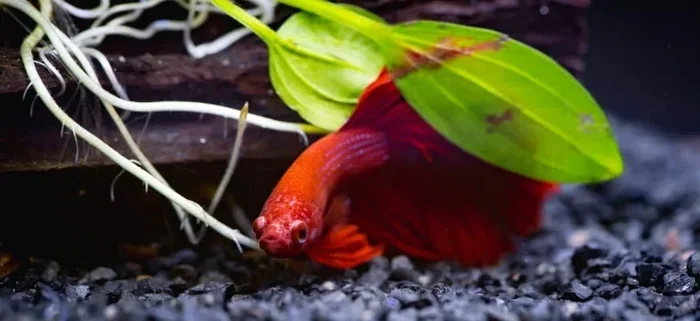
Do betta fish hide a lot? Yes, hiding is a natural behavior for bettas, but excessive hiding can signal stress or illness. Understanding the betta fish hiding behavior helps you keep your fish healthy and happy. This guide covers the top reasons bettas hide, when to worry, and how to fix common problems.
Have you ever looked at your betta fish and wondered why it keeps disappearing behind rocks or plants? You are not alone. Many betta fish owners notice their pets hiding more than usual and worry about what it means.
The truth is, do betta fish hide a lot is a common question, and the answer is more nuanced than you might think. Hiding is a natural behavior for bettas, but when it becomes constant, it can point to a problem. Whether your betta is new to the tank or has been living there for months, understanding why it hides helps you keep it healthy and happy.
In this guide, we will walk through every major reason bettas hide, what to watch for, and simple steps you can take to help your fish feel safe. Let us dive in.
Key Takeaways
- Natural Instinct: Betta fish hide as a survival instinct, especially in new environments or bright tanks.
- Stress Signals: Excessive hiding often points to poor water quality, aggressive tank mates, or illness.
- Tank Setup Matters: Adding hiding spots and proper betta fish tank decorations reduces stress.
- Health Clues: A betta that hides and stops eating may be sick and needs attention fast.
- Easy Fixes: Simple changes like dimming lights and checking water parameters can make a big difference.
- Resting vs. Hiding: Sometimes bettas rest on the bottom or hide in plants, which looks similar but is normal.
- Prevention Works: A well-planned tank setup prevents most hiding problems before they start.
📑 Table of Contents
- Why Do Betta Fish Hide So Much?
- Is Hiding a Sign of Illness?
- How Tank Setup Affects Hiding Behavior
- Betta Fish Hiding at Night: Is It Normal?
- Do Betta Fish Hide to Die?
- How to Reduce Excessive Hiding in Your Betta
- Common Mistakes Betta Owners Make That Cause Hiding
- When Should You Be Concerned?
- Final Thoughts
Why Do Betta Fish Hide So Much?
Betta fish are naturally secretive creatures. In the wild, they live in shallow rice paddies, streams, and marshes where cover is everywhere. Hiding keeps them safe from predators and helps them feel secure. But when a betta hides too much in a home tank, something is usually off.
Here are the most common reasons your betta may be hiding a lot:
1. New Environment Stress
When you first bring a betta home, it needs time to adjust. A new betta fish tank feels strange and overwhelming. Your fish may hide for hours or even days while it gets used to the new surroundings. This is completely normal and nothing to panic about.
Give your betta a few days to explore. Avoid tapping on the glass or chasing it around the tank. Let it come out on its own schedule.
2. Bright Lights
Betta fish prefer dim or moderate lighting. A tank with very bright lights can make them feel exposed and unsafe. If your lights are too intense, your betta will look for dark corners and shadows to hide in.
Consider using a tank with a dimmable light or adding floating plants to soften the glow. This simple change can encourage your betta to swim more openly.
3. Lack of Hiding Spots
Ironically, not having enough places to hide can make a betta hide more. When a tank feels too open, bettas feel vulnerable. They need caves, plants, and decorations where they can retreat when they feel stressed.
Adding a few betta fish tank decorations like caves, driftwood, or live plants gives your fish the confidence to explore more of the tank.
4. Aggressive Tank Mates
If your betta shares a tank with other fish, those tank mates might be bullying it. Even fish that seem peaceful can nip at betta fins or chase them around the tank. When this happens, your betta will hide to protect itself.
Watch for fin nipping, chasing, or flaring. If you see these signs, consider moving your betta to a solo tank or choosing calmer companions.
Is Hiding a Sign of Illness?
Sometimes, a betta that hides a lot is telling you something is wrong. Illness is one of the most important reasons to pay attention to hiding behavior. A healthy betta is curious and active. When sickness strikes, the first thing many fish do is retreat and hide.
Here are common illnesses that cause excessive hiding:
- Ich (White Spot Disease): White dots appear on the body. The fish becomes lethargic and hides more than usual.
- Fin Rot: Fins look ragged or discolored. The betta may hide because it feels weak and vulnerable.
- Swim Bladder Disease: The fish struggles to swim properly. It may hide at the bottom of the tank.
- Parasites: Internal or external parasites cause discomfort. The betta hides and may lose its appetite.
If your betta is hiding and showing any of these symptoms, act quickly. Check the water parameters and consider a betta fish health assessment. Early treatment makes a big difference in recovery.
How to Tell if Hiding Is Normal or a Problem
Not all hiding is bad. Here is a quick way to tell the difference:
- Normal Hiding: Your betta hides for a few hours, then comes out to eat and explore. It has a healthy appetite and colorful fins.
- Problem Hiding: Your betta stays hidden all day and refuses food. It looks pale, has clamped fins, or breathes rapidly at the surface.
If you notice the second set of signs, it is time to investigate further.
How Tank Setup Affects Hiding Behavior
The way you set up your betta’s home has a huge impact on how much it hides. A well-designed tank makes your fish feel safe and encourages natural behavior. A poorly set up tank can cause constant stress and hiding.
Water Parameters
Betta fish are sensitive to water conditions. Poor water quality is one of the top causes of stress and hiding. Keep these parameters in check:
- Temperature: 78-80°F (25-27°C). Betta fish need warm water to thrive.
- pH Level: 6.5-7.5. Stable pH reduces stress.
- Ammonia and Nitrite: Both should be at 0 ppm. Even small amounts are toxic.
- Nitrate: Keep below 20 ppm with regular water changes.
Use a reliable test kit to monitor these levels weekly. Stable betta fish water parameters are the foundation of a happy, active fish.
Tank Size and Space
A tiny bowl or cramped tank makes any fish feel trapped. Bettas need room to swim and explore. A tank that is too small can trigger hiding behavior because the fish has nowhere to go when it feels stressed.
A 5-gallon tank is the minimum recommended size for a single betta. Larger tanks give your fish more room to roam and less chance of feeling crowded.
Decorations and Plants
Live or silk plants are excellent for betta tanks. They provide natural cover and make the fish feel at home. Avoid sharp plastic decorations that can tear delicate fins.
Caves and overhangs are also great hiding spots. These give your betta a safe place to rest without feeling completely exposed. Just make sure there is still open swimming space too.
Betta Fish Hiding at Night: Is It Normal?
Many owners notice their betta becomes less active after the lights go off. This is perfectly normal. Betta fish are crepuscular, which means they are most active during dawn and dusk. At night, they rest and may hide in their favorite spot.
If your betta hides at night but is active during the day, there is no cause for concern. However, if it also hides during daylight hours and shows other signs of distress, it is worth looking into.
Some people confuse resting with hiding. If you are unsure, check out our article on why is my betta fish resting a lot to learn the difference between normal rest and problem hiding.
Do Betta Fish Hide to Die?
This is a question many worried owners ask. The short answer is no, bettas do not hide specifically to die. But hiding can be a sign that a fish is very sick or near the end of its life. When a betta is dying, it often becomes extremely lethargic and seeks out dark, quiet places.
If your betta is hiding and also showing these warning signs, it may be time to visit a vet or adjust care immediately:
- Not eating for several days
- Breathing heavily or gasping at the surface
- Lying on the substrate and not moving
- Fins clamped tightly against the body
- Visible sores or discoloration
For more information on this topic, read our guide on do betta fish hide to die to understand the signs and what you can do.
How to Reduce Excessive Hiding in Your Betta
If your betta is hiding too much, do not panic. There are several practical steps you can take to help your fish feel more comfortable and come out more often.
Step 1: Test the Water
Start with a water test. Poor water quality is the number one hidden cause of stress in betta fish. Do a partial water change (25-30%) and retest the parameters. Clean, stable water encourages your betta to be more active.
Step 2: Adjust the Lighting
Dim the lights or reduce the photoperiod to 8-10 hours per day. Add floating plants like java moss or frogbit to create natural shade. Your betta will appreciate the softer environment and may start exploring more.
Step 3: Add More Cover
Introduce caves, tunnels, or dense plants into the tank. These give your betta safe spots to retreat to without feeling trapped. A well-decorated tank helps reduce anxiety and promotes natural behavior.
Step 4: Check Tank Mates
If your betta lives with other fish, observe their interactions closely. Remove any aggressive tank mates. A peaceful environment makes a huge difference in your betta’s confidence level.
Step 5: Offer a Varied Diet
A healthy betta is a confident betta. Feed high-quality pellets as a staple and offer occasional treats like bloodworms or brine shrimp. Good nutrition boosts the immune system and encourages active behavior.
For more tips on keeping your betta happy and healthy, check out our how do you care for a betta fish guide.
Common Mistakes Betta Owners Make That Cause Hiding
Sometimes the reasons behind excessive hiding come from habits we do not even realize are harmful. Here are common mistakes to avoid:
- Keeping the tank too bright: Betta fish prefer dim conditions. Harsh lights make them feel exposed.
- Overcrowding the tank: Too many fish or too many decorations can create stress and limit swimming space.
- Ignoring water changes: Dirty water builds up toxins that make your betta sick and withdrawn.
- Placing the tank in a high-traffic area: Constant noise and vibrations stress bettas out. Put the tank in a calm spot.
- Using the wrong tank mates: Fin-nippers and aggressive species cause bettas to hide for safety.
Avoiding these mistakes goes a long way in keeping your betta comfortable and visible.
When Should You Be Concerned?
Most of the time, hiding is a normal part of betta behavior. But there are moments when you should take action. Pay attention to changes in hiding patterns. If your betta suddenly starts hiding more than usual, something has changed in the tank or in the fish’s health.
Trust your instincts as an owner. You know your fish better than anyone. If something feels off, it probably is. Early intervention saves lives and prevents small problems from becoming big ones.
Remember that betta fish are individuals. Some are bold and curious, while others are shy and prefer to stay hidden. Understanding your specific fish’s personality helps you set realistic expectations and provide the best care possible.
Final Thoughts
So, do betta fish hide a lot? The answer is yes, but it depends on the context. A little hiding is normal and healthy. Excessive hiding, especially when paired with loss of appetite or unusual behavior, is a warning sign that deserves your attention.
By paying attention to your tank setup, water quality, and your fish’s behavior, you can create a home where your betta feels safe and confident. The goal is not to eliminate hiding entirely but to make sure your fish feels comfortable enough to come out and enjoy its environment.
Take the time to observe your betta every day. Small changes in behavior tell you a lot about how your fish is feeling. With the right care and a well-planned tank, your betta will thrive and show off its beautiful colors and playful personality.
For more helpful tips on betta fish care and behavior, explore our full library of articles designed to help you become the best betta owner you can be.
Frequently Asked Questions
Why does my betta fish hide behind the filter?
Betta fish often hide behind filters because the area provides darkness and a sense of security. The gentle flow from the filter can also feel comforting. This behavior is normal as long as your betta still comes out to eat and swim during the day.
How long is too long for a betta fish to hide?
If your betta hides for more than a few days straight and refuses food, it is time to investigate. A few days of hiding after moving to a new tank is normal, but prolonged hiding is a red flag. Check water parameters and look for signs of illness.
Can a betta fish hide too much because of stress?
Yes, stress is one of the leading causes of excessive hiding in bettas. Poor water quality, bright lights, aggressive tank mates, and sudden changes in the environment can all trigger stress. Addressing the source of stress usually helps your betta feel more comfortable.
Should I try to force my betta fish out of hiding?
No, never try to pull your betta out of its hiding spot. Forcing it out causes more stress and can damage the trust between you and your fish. Instead, focus on improving the tank environment so your betta feels safe enough to come out on its own.
Do baby betta fish hide more than adults?
Yes, baby betta fish tend to hide more than adults because they are smaller and more vulnerable. They need plenty of cover and gentle care. For more details on this topic, check out our article on do baby betta fish sleep a lot to learn about their behavior patterns.
What kind of hiding spots are best for betta fish?
The best hiding spots for bettas include caves made of smooth rock, dense live plants like java fern or anubias, and driftwood overhangs. Avoid decorations with sharp edges that can tear fins. A few well-placed hiding spots make your betta feel secure without blocking all the swimming space.