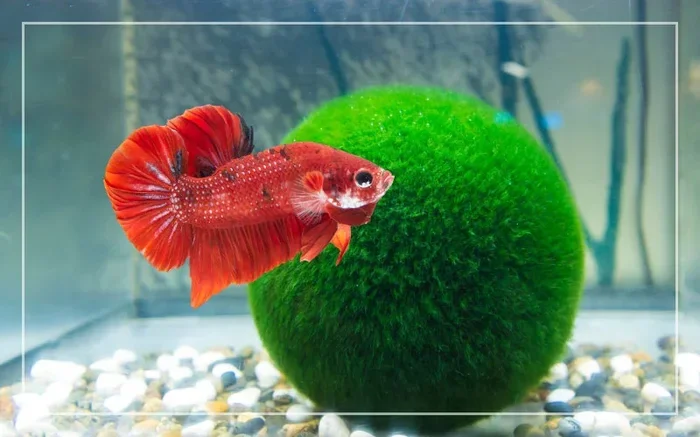
Can You Put Moss Balls in a Betta Fish Tank Safely Today
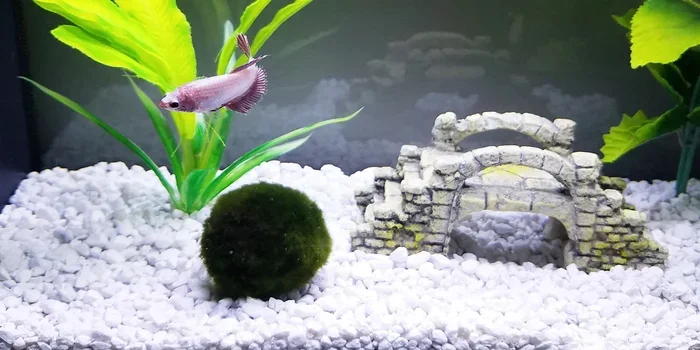
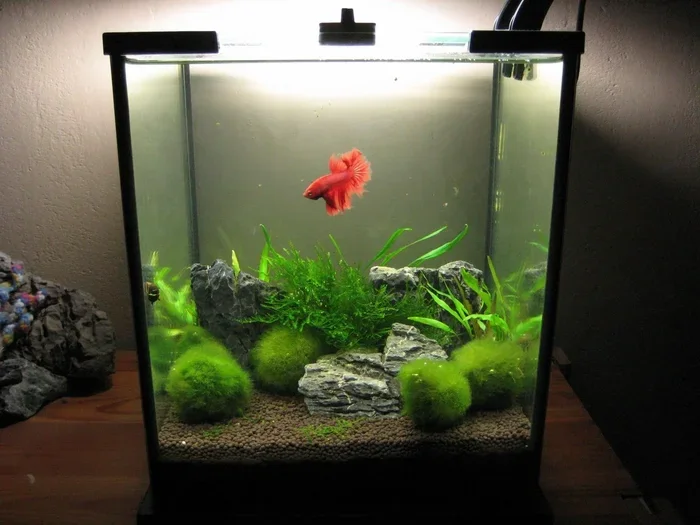
Can you put moss balls in a betta fish tank safely today? Absolutely. Marimo moss balls are one of the best live additions for betta aquariums. They improve water quality, provide enrichment, and require very little maintenance. This guide covers everything you need to know about adding, caring for, and troubleshooting moss balls in your betta setup.
If you have spent any time scrolling through aquarium forums or watching betta tank tours on YouTube, you have almost certainly seen a fuzzy green ball sitting on the substrate. That is a marimo moss ball. They are incredibly popular, but many new keepers still ask, can you put moss balls in a betta fish tank safely today? The short answer is a resounding yes. In fact, they are widely considered one of the single best live additions you can make for a betta habitat.
These quirky little spheres are not actually moss at all. They are a rare growth form of filamentous green algae called Aegagropila linnaei. In nature, they roll along lake bottoms in Japan, Iceland, and Scotland, shaped by gentle currents into perfect spheres. In your aquarium, they bring that same natural charm while working hard to keep your water clean. They are soft, spineless, and completely safe for delicate betta fins. Unlike plastic plants or sharp driftwood, there is zero risk of tearing a flowing veil tail.
Beyond safety, they offer genuine biological filtration. They act like a sponge for excess nutrients. They pull nitrates, ammonia, and phosphates right out of the water column. This helps starve out nuisance algae and keeps parameters stable between water changes. They also host beneficial biofilm and microorganisms that bettas love to graze on. It is a win-win for aesthetics and biology. Let’s dive into the details so you can add them with total confidence.
Key Takeaways
- Moss balls are safe: Marimo balls are non-toxic, soft, and perfect for betta fins.
- Water quality boost: They absorb nitrates, ammonia, and phosphates naturally.
- Low maintenance: No substrate, CO2, or high lighting required.
- Betta enrichment: Bettas love resting on, pushing, and exploring them.
- Quarantine first: Always rinse and quarantine new moss balls to avoid pests.
- Watch for fakes: Real marimo are algae balls, not java moss wrapped around plastic.
- Rotate regularly: Turn them during water changes so all sides get light and stay round.
📑 Table of Contents
- What Exactly Is A Marimo Moss Ball?
- Top Benefits Of Moss Balls For Betta Fish
- How To Prepare And Add Moss Balls To Your Tank
- Essential Care Guide: Keeping Your Marimo Happy
- Common Problems And Troubleshooting
- Moss Balls Vs. Other Live Plants For Bettas
- Creative Ways To Use Moss Balls In Aquascaping
- Tank Mates And Compatibility
- Buying Guide: Where To Get Healthy Marimo
- Moss Balls And The Nitrogen Cycle
- Debunking Common Myths
- Advanced Tip: The “Moss Ball Jar” Method
- Seasonal Care Considerations
- Frequently Asked Questions
- Conclusion
What Exactly Is A Marimo Moss Ball?
Before we talk about care, it helps to understand what you are buying. The name “moss ball” is a bit of a misnomer. They are not moss. They are a colony of freshwater green algae. The filaments grow outward from the center in all directions, creating a velvety sphere. In the wild, wave action rolls them around, ensuring even light exposure and that signature round shape.
The Difference Between Real And Fake Moss Balls
This is the most common trap for beginners. Many pet stores sell “moss balls” that are actually java moss or other moss species glued or tied around a plastic foam core or a rock. These fakes look similar at first glance but behave very differently.
- Real Marimo: Sinks immediately. Feels like a wet sponge. Has a uniform, fuzzy texture all the way through if you squeeze it gently. No hard center.
- Fake Moss Balls: Often float or have a weighted base. You might see fishing line, glue, or a plastic mesh core if you pull it apart. The “moss” is often stringy and attached to a solid center.
Why does it matter? Fake balls can leach glue or plastic chemicals. The moss used often dies off quickly underwater because it is a terrestrial or emergent growth form. Real marimo are fully aquatic, extremely hardy, and can live for decades—even over a hundred years in some documented cases. Always buy from a reputable aquatic supplier and inspect the ball before adding it to your tank.
Top Benefits Of Moss Balls For Betta Fish
Adding a marimo ball is not just about looks. It provides tangible benefits for your betta’s health and environment. Here is why they are a staple in so many professional betta setups.
Natural Water Purification
Marimo are nutrient sponges. They consume nitrates (the end product of the nitrogen cycle), ammonia, and phosphates. High nitrates stress fish and fuel ugly algae blooms on your glass and decor. A few moss balls in a 5 to 10-gallon tank make a measurable difference in water quality stability. They do not replace water changes, but they extend the safety margin between them.
Oxygen Production And CO2 Absorption
Like all plants and algae, marimo photosynthesize. During the day, they absorb carbon dioxide and release oxygen. This helps maintain healthy dissolved oxygen levels, which is vital for bettas. While bettas have a labyrinth organ to breathe air, they still rely heavily on gill respiration. Well-oxygenated water reduces stress and supports a strong immune system.
Biofilm And Microfauna Buffet
The fuzzy surface of a marimo ball is a massive surface area for biofilm—a slimy layer of bacteria, microalgae, and tiny microorganisms. Bettas are micropredators. You will often see your betta “grazing” on the ball, picking off tiny copepods, seed shrimp, or just the biofilm itself. This is excellent natural enrichment and supplemental nutrition.
Resting Spot And Play Toy
Bettas love to rest. Their large fins make constant swimming tiring. A marimo ball on the substrate makes a perfect “chair.” Because it is soft and buoyant, it conforms to their body. Many bettas also treat them like toys. They push them around, nose them, and chase them if a filter current moves the ball. This mental stimulation prevents boredom and glass surfing.
Zero Risk Of Fin Damage
This cannot be overstated. Plastic plants often have sharp seams or pointed leaves. Driftwood can have jagged edges. Even some live plants like java fern can have tough, abrasive leaves. Marimo are essentially soft velvet. A betta can rub against them, swim through them (if you have a clump), or sleep inside a split ball with zero risk of tearing fins.
How To Prepare And Add Moss Balls To Your Tank
You cannot just drop a store-bought ball straight into your cycled tank. Well, you can, but you shouldn’t. Proper preparation prevents introducing hitchhikers like pest snails, planaria, hydra, or unwanted algae spores.
Step 1: Inspect And Rinse
Take the moss ball out of its cup or bag. Inspect it closely. Look for weird colors (brown, yellow, white spots), slime that isn’t just water, or tiny moving dots. Squeeze it gently over a bucket or sink. You will see cloudy water come out—that is trapped detritus. Rinse it thoroughly under cool, dechlorinated water. Tap water is fine for rinsing if you squeeze it out completely before it hits your tank, but using old tank water or treated water is safer.
Step 2: The Quarantine Soak (Highly Recommended)
Place the rinsed ball in a separate container—a small Tupperware, a jar, or a quarantine tank. Fill it with treated water. Let it sit for 2 to 3 weeks. Change the water every few days. Watch for hatching snail eggs (clear jelly blobs), worms, or hydra. If the ball stays clean and green, it is safe. This step saves massive headaches later. Pest snails are annoying; planaria or hydra can harm betta fry or stressed adults.
Step 3: Shape And Place
After quarantine, give it a final gentle squeeze in clean water to flush old stagnant water from the center. You can roll it in your hands like a meatball to encourage roundness. Place it in your tank. It will sink. If it floats, it has trapped air. Squeeze it underwater until the bubbles stop. Position it where it gets decent flow and light, but not directly under a blasting filter output.
Essential Care Guide: Keeping Your Marimo Happy
Marimo are famously low maintenance, but “low” does not mean “zero.” Follow these simple rules and your moss balls will thrive for years.
Lighting Requirements
They prefer low to moderate light. In nature, they live in cold, deep lakes. High intensity LED lights meant for high-tech planted tanks can actually burn them, causing brown or white spots. A standard aquarium kit light on a 8-10 hour timer is perfect. If the ball turns brown on one side, it is getting too much light or not enough rotation. If it turns pale or loses fuzz, it needs more light.
Water Parameters
This is where they shine for betta keepers. Bettas like 76-81°F (24-27°C). Marimo prefer cooler water (below 76°F ideally) but tolerate betta temperatures well. They just grow slower. They handle a wide pH range (6.5-8.0) and soft to hard water. They do not need CO2 injection, fertilizers, or special substrate. They get everything from the water column. If you are wondering about water sources, check out our guide on using tap water in a betta fish tank to ensure your parameters are safe for both fish and algae.
The Secret To Roundness: Rotation
In a lake, waves roll them. In a tank, they sit still. The bottom flattens and turns brown from lack of light. The solution is easy: rotate them every water change. Just pick it up, turn the flat side up, and set it down. Roll it in your hand occasionally. This keeps it spherical and green all over.
Cleaning The Moss Ball
Detritus (poop, uneaten food, plant matter) gets trapped in the fibers. During your weekly water change, take the ball out. Swish and squeeze it gently in the bucket of old tank water you just siphoned out. Do not use tap water for this squeeze—chlorine kills the beneficial bacteria living inside. Squeeze until the water runs clear. Put it back. Done.
Propagation: Making More Moss Balls
Marimo grow slowly—about 5mm per year. You can speed up “propagation” by division. Take a large ball, squeeze the water out, and cut it in half (or quarters) with clean scissors. Roll each piece into a ball shape. Tie them loosely with cotton sewing thread (it dissolves eventually) or just leave them as mats. They will round out over months. This is a great way to fill a tank cheaply.
Common Problems And Troubleshooting
Even with easy care, things go wrong. Here is how to diagnose and fix the most common issues.
Turning Brown Or Gray
Cause: Usually insufficient light on that side, or the ball is dirty/clogged with detritus blocking light. Fix: Rotate it. Clean it thoroughly (squeeze in old tank water). Move it to a brighter spot if the whole ball is fading. If only the bottom is brown, rotation fixes it in a week or two.
Turning White Or Bleached
Cause: Too much light. Photoinhibition. The algae is burning. Fix: Move to a shadier spot. Reduce photoperiod. Raise the light fixture. Add floating plants like frogbit or salvinia to diffuse light.
Falling Apart / Losing Shape
Cause: Old age, physical damage, or poor water quality. Fix: If it is just messy, roll it firmly in your hands to re-compact. If it is disintegrating into loose fibers, the internal structure has failed. You can try tying the fibers into smaller balls with cotton thread. Sometimes a ball is just at the end of its life cycle (rare in captivity).
Floating Ball
Cause: Trapped oxygen bubbles from photosynthesis, or air trapped in the center. Fix: Squeeze it gently underwater to release bubbles. It will sink. If it floats constantly, the internal structure might be compromised, but usually, it is just daily pearling (oxygen bubbles).
Slimy Or Smelly
Cause: Bacterial bloom, decay, or cyanobacteria (blue-green algae) infection. Fix: Remove immediately. Rinse aggressively in old tank water. Soak in a 3% hydrogen peroxide dip (1 part peroxide to 20 parts water) for 5 minutes max. Rinse again. Quarantine. If it smells like rotten eggs (hydrogen sulfide), the center is anaerobic and dead. Discard it.
Moss Balls Vs. Other Live Plants For Bettas
How do they stack up against the heavy hitters? Here is a quick comparison.
| Feature | Marimo Moss Ball | Java Fern / Anubias | Floating Plants (Salvinia/Frogbit) | Stem Plants (Wisteria/Hornwort) |
|---|---|---|---|---|
| Difficulty | Easiest | Easy | Easy | Moderate |
| Light Need | Low | Low | High (at surface) | Moderate-High |
| Substrate Needed? | No | No (attach to hardscape) | No | Yes (usually) |
| Growth Rate | Very Slow | Slow | Very Fast | Fast |
| Nitrate Uptake | Low-Moderate | Low-Moderate | Very High | High |
| Betta Interaction | Resting, grazing, pushing | Resting on leaves, hiding | Surface cover, bubble nest anchor | Swimming through, hiding |
| Maintenance | Rotate & squeeze monthly | Trim dead leaves rarely | Scoop out excess weekly | Trim & replant often |
The verdict? Marimo are the ultimate “set it and forget it” plant. They don’t melt, they don’t need planting, they don’t take over the tank. They are the perfect first live plant for a new betta keeper. For a heavily planted look, combine them with epiphytes like java fern attached to driftwood. If you want to explore other plant options, read about putting plant stems in a large betta fish tank.
Creative Ways To Use Moss Balls In Aquascaping
Don’t just plop it in the corner. Get creative!
- The “Carpet” Look: Cut a large ball flat. Spread the fibers over a piece of slate or mesh. Tie it down with fishing line. It grows into a fuzzy green mound.
- Driftwood Accent: Wedge small balls into crevices of driftwood or dragon stone. They look like natural moss growths.
- Floating Island: Tie a ball to a piece of cork bark or airline tubing anchored to the side. A floating moss ball at mid-water is a unique betta hammock.
- Jar Aquariums: A single marimo in a large glass jar with a betta is a classic desktop setup. (Ensure the jar is at least 2.5 gallons, heated, and filtered).
- Terarium Style: They survive emersed (out of water) if kept very humid. Great for paludariums.
Tank Mates And Compatibility
Marimo are peaceful. They get along with everything. However, tank mates interact with them differently.
Bettas
Perfect match. As discussed, they rest, graze, and play. Zero aggression issues.
Shrimp (Cherry, Amano, Ghost)
Shrimp love marimo. They climb all over them, picking off biofilm and detritus. It is a shrimp magnet. This is a huge plus if you keep a cleanup crew.
Snails (Nerite, Mystery, Ramshorn)
Snails graze the surface. They clean the ball for you. Mystery snails might try to eat a dying ball, but they leave healthy ones alone.
Other Fish (Tetras, Corydoras, Rasboras)
Small community fish ignore them or use them for cover. Large cichlids or goldfish will destroy them. Goldfish treat them as salad. Do not keep marimo with goldfish.
Algae Eaters (Otocinclus, Siamese Algae Eaters)
Otos are safe and will clean the ball gently. True Siamese Algae Eaters (Crossocheilus oblongus) might nibble the algae fibers if very hungry, but usually prefer hair algae on glass. Chinese Algae Eaters (often mislabeled) get aggressive and large—avoid them with bettas anyway.
Buying Guide: Where To Get Healthy Marimo
Quality varies wildly. Here is how to source the best ones.
Local Fish Stores (LFS)
Best option. You can inspect before buying. Look for balls in a dedicated tank, not a cup on a shelf. They should be bright green, spherical, and sink instantly. Ask the staff when they got them in. Avoid dusty cups on top shelves.
Online Specialty Retailers
Sites like BucePlant, Aquarium Co-Op, or dedicated marimo farms ship healthy, quarantine-treated balls. They cost more ($5-$15 each depending on size) but arrive viable. Check reviews for “arrived brown” complaints.
Big Box Pet Stores (Petco, PetSmart)
Hit or miss. Often they sell the fake java-moss-on-foam balls labeled “Marimo.” Check the label carefully. If it says “Marimo Moss Ball” but feels light or has a hard center, put it back. Sometimes they have real ones in the plant tanks—ask an employee to pull one from the back.
What Size To Buy?
They are sold by diameter: Nano (0.5-1″), Small (1-1.5″), Medium (1.5-2″), Large (2-2.5″), Giant (3″+).
- Nano/Small: Good for groups of 3-5 in a 5-10 gallon. Cute but minimal filtration impact.
- Medium/Large: Best value. One or two per 5-10 gallons provides real biofiltration.
- Giant: Statement piece. Expensive. Harder to clean thoroughly. Can be cut into 4-6 medium balls.
Pro tip: Buy one large ball and cut it up. You get more surface area and coverage for the price.
Moss Balls And The Nitrogen Cycle
Can you put moss balls in a betta fish tank during cycling? Yes. They survive ammonia and nitrite spikes better than most plants. They actually consume ammonia directly, which can slightly slow the cycle by stealing food from nitrifying bacteria, but the effect is negligible in a betta tank. They provide surface area for bacteria colonization. The biofilm on the ball is beneficial bacteria. Adding them to a new tank jumpstarts the microbial ecosystem.
If you are setting up a new tank, add the moss ball on day one. It helps stabilize the microbiome. Just don’t rely on it to cycle the tank for you. You still need a filter and a bacteria starter. Speaking of filters, make sure you have appropriate flow. Read our article on using a filter in a betta fish tank to balance filtration with betta comfort.
Debunking Common Myths
There is a lot of misinformation floating around. Let’s clear the air.
Myth: “Moss Balls Release Oxygen At Night”
Fact: They respire at night like all plants/algae, consuming O2 and releasing CO2. The amount is tiny. It will not suffocate your betta in a properly sized tank with surface agitation.
Myth: “They Reproduce By Splitting On Their Own”
Fact: They rarely split naturally in aquariums. They just get bigger. You have to manually divide them if you want more balls.
Myth: “They Are Illegal / Invasive”
Fact: In 2021, zebra mussels were found hitchhiking on marimo balls sold in US big-box stores. This led to a massive recall and temporary import bans. Real marimo (Aegagropila linnaei) are not invasive and are legal. The issue was contamination. Buy from reputable sources that certify zebra-mussel-free stock. Inspect and quarantine. This is why the quarantine step is non-negotiable.
Myth: “They Need Salt”
Fact: They are freshwater algae. Salt kills them. Never add aquarium salt to a tank with marimo if you want the ball to live. Bettas tolerate salt for treatment, but move the ball to a jar during treatment.
Advanced Tip: The “Moss Ball Jar” Method
Want a backup colony? Or a gift for a friend? Start a moss ball jar.
- Get a large glass jar (1-2 liters).
- Add dechlorinated water.
- Add a few small marimo pieces or a nano ball.
- Place on a windowsill with indirect light (north facing is ideal).
- Swap half the water monthly.
- Swirl the jar weekly to rotate balls.
Zero equipment needed. They grow faster in cool, nutrient-rich window light. You have a perpetual source of free moss balls for future tanks.
Seasonal Care Considerations
Seasons change, and so does your tank environment.
Summer Heat
If your tank hits 82-84°F+, marimo stress. They may develop brown spots or slime. Increase water changes. Float frozen water bottles to cool the tank. Add an airstone for oxygen. Consider moving the ball to a cooler jar temporarily during heatwaves.
Winter Cold
If your heater fails or power goes out, marimo handle cold (down to 40°F) far better than bettas. They go dormant. They will be fine for days in cold water. The betta is the priority for heating.
Algae Blooms
Spring/summer sunlight hitting the tank causes green water or hair algae. Marimo compete for nutrients but won’t fix a bloom alone. Reduce light hours. Blackout the tank for 3 days. Use a UV sterilizer if persistent. The marimo will survive the blackout fine.
Frequently Asked Questions
Can I put a moss ball in a betta bowl?
Technically yes, but bowls are terrible for bettas. No filter, no heater, unstable parameters. The moss ball will survive; the betta will suffer. Please upgrade to a 5-gallon heated, filtered tank. If you must use a bowl temporarily, the moss ball helps slightly with water quality, but it is not a fix. Learn more about proper housing in our guide on can you put a betta fish in a bowl.
How many moss balls per gallon?
There is no strict rule. A good rule of thumb: one medium ball (1.5-2″) per 5 gallons. You can keep more for aesthetics. They have low bioload. In a 10 gallon, 3-5 medium balls look great and provide solid nutrient export.
Do moss balls need fertilizer?
No. They get nutrients from fish waste and tap water minerals. Adding liquid fertilizer (especially iron or copper-based) can actually kill them or trigger algae blooms on the ball itself. Keep it simple.
Can I put moss balls in a tank with sand?
Yes. They sit on top. Sand does not bury them unless you have a very strong current directed at the substrate. They actually look fantastic on dark sand—the green pops visually.
My betta is attacking the moss ball. Is that normal?
“Attacking” usually means pushing, biting, or flaring at it. This is play or territorial investigation. It is harmless. The ball is tough. If the betta is ripping chunks off (extremely rare), the ball was already falling apart. Enjoy the show—it means your betta is active and engaged.
How long do moss balls live?
Decades. There are documented marimo in Japan over 100 years old. In home aquariums, 10-20 years is common with basic care. They often outlive the betta.
Conclusion
So, can you put moss balls in a betta fish tank safely today? Without a doubt. They are one of the few aquarium products that live up to 100% of the hype. They are safe, beneficial, beautiful, and nearly indestructible. They ask for almost nothing—a squeeze, a turn, a little light—and give back cleaner water, a healthier betta, and a touch of wild nature in a glass box.
Whether you are setting up your first 5-gallon spec tank or aquascaping a 20-gallon long, make room for at least one marimo. Quarantine it. Rinse it. Roll it. Watch your betta claim it as their favorite spot. It is the simplest upgrade you will ever make. Your betta will thank you with bubble nests built right against that fuzzy green sphere. Happy fishkeeping!