How Old Are Betta Fish When You Buy Them at the Store
How old are betta fish when you buy them at the store is a question many new owners ask. Most fish you see on shelves are between two and four months old. This age range matters because it affects how they grow and adapt to your tank. Understanding their age helps you plan feeding, tank size, and long-term care with confidence.
If you have ever stood in front of a fish display and wondered how old are betta fish when you buy them, you are not alone. This question matters because age shapes how a fish behaves, eats, and grows in your care. Young fish can be lively and adaptable. Older juveniles may already show their full color and fin shape. Knowing what to expect helps you choose a healthy companion and set up the right home from day one.
Most stores stock bettas that are still growing. You will usually see fish that are past the tiny fry stage but not yet fully mature. This middle stage is actually a sweet spot for many owners. The fish are strong enough to travel well. They are also old enough to show clear signs of health and personality. Still, not every fish on the shelf is the same age. Some may be a bit younger. Some may be closer to adulthood. Learning what to look for makes a big difference.
Key Takeaways
- Typical Store Age: Most betta fish sold at retail are two to four months old.
- Growth Stage: Young bettas are still developing fins, color, and body size.
- Health Signs: Look for bright eyes, active swimming, and clean fins before buying.
- Tank Readiness: Older juveniles handle water changes and new environments better.
- Feeding Needs: Younger fish need frequent, small meals to support growth.
- Longevity Impact: Starting with a healthy young fish can lead to a longer life.
- Age Clues: Size, fin development, and behavior help you estimate age at the store.
📑 Table of Contents
- Understanding the Typical Age of Betta Fish at the Store
- How to Estimate Age When You Are Shopping
- Why Age Matters for Care and Longevity
- What to Look For When Choosing a Healthy Fish
- How Age Connects to Growth and Adult Size
- Common Mistakes When Judging Betta Age
- Expert Insight on Choosing the Right Betta
- Conclusion
Understanding the Typical Age of Betta Fish at the Store
When people ask how old are betta fish when you buy them, the short answer is usually two to four months. This range covers the late juvenile phase. At this point, the fish has passed the fragile baby stage. It is also not quite a full-grown adult. This age window is common because breeders and suppliers want fish that are hardy and attractive. They also want fish that will continue to develop color and fin shape after you bring them home.
Age can vary by supplier and by the type of betta. Some stores receive fish that are slightly younger. These fish may appear smaller and less colorful at first. Other stores hold fish for a while before selling them. Those fish may look more mature. The key is to focus on health and development rather than a exact number. A healthy young fish with good habits will usually thrive with proper care.
Why the Two to Four Month Window Is Common
This window works well for both sellers and buyers. Young bettas are active and curious. They adapt to new tanks with less stress than very young fry. They also have enough body mass to handle small feeding mistakes better than tiny babies. For buyers, this means a better chance of bringing home a fish that settles in quickly.
At this age, many bettas are also starting to show their true colors. Males may begin to display brighter hues. Fins may start to lengthen, though they are not always at full size yet. This makes it easier to judge appearance and pick a fish you like. Still, remember that color and fin growth can continue for weeks after purchase.
How Breeders and Stores Time Sales
Breeders often raise bettas until they are sturdy enough to ship. That usually means waiting until the fish can eat well on its own and resist minor stress. Stores then keep the fish in stable conditions until they sell. This process helps ensure the fish you see is past the most fragile stage. It also means the fish has likely been eating commercial food for a while.
Some sellers sort fish by size and appearance. They may keep slower-developing fish longer. They may sell faster-growing fish sooner. This sorting can make age look inconsistent on the shelf. One fish may look much bigger than another even if both are roughly the same age. That is normal. Growth rates vary based on genetics, food, and water conditions.
How to Estimate Age When You Are Shopping
Since stores rarely post a fish’s birth date, you have to use visual clues. This is where the question how old are betta fish when you buy them becomes practical. You can make a solid guess by looking at size, fins, color, and behavior. None of these clues are perfect on their own. Together, they give you a clear picture.
Start with body size. Very young bettas are small and sometimes look a bit thin. Older juveniles have a fuller body and more defined shape. Next, check the fins. Young fish may have shorter rays and simpler fin shapes. As they age, fins often lengthen and show more texture. Color is another hint. Faded or pale fish may be younger or stressed. Bright, clear color often points to a healthier, more developed fish.
Size and Fin Development Clues
Size alone can mislead you. A well-fed young fish may look larger than a poorly fed older one. That is why you should pair size with fin checks. Look for fins that hold together without tears. Check that rays are visible but not stiff. If fins look ragged, the fish may have been stressed or bullied. That can happen at any age, but it is more common in crowded displays.
You can also watch how the fish moves. A young, healthy betta usually explores its space. It may flare at reflections or swim with steady confidence. A fish that hides all day or sinks to the bottom may be tired, sick, or very young and overwhelmed. Active movement is a good sign that the fish is ready for a new home.
Behavior and Color as Age Indicators
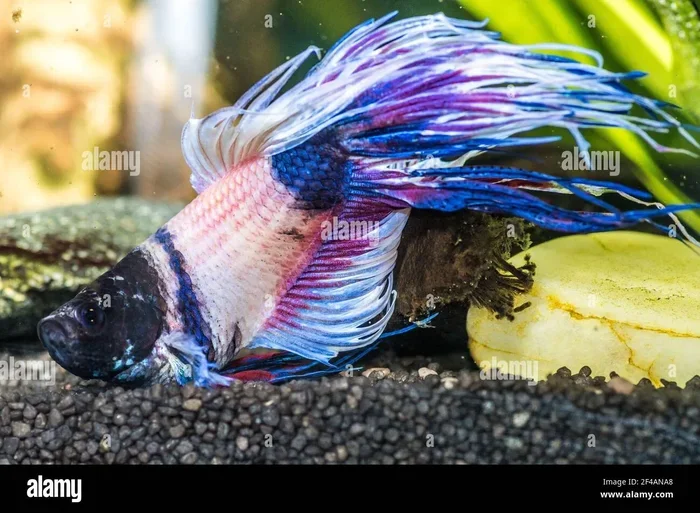
Color intensity often improves as bettas mature. Some fish develop stronger blues, reds, or purples over time. Others may shift in tone as their fins grow. If a fish already looks vivid and balanced, it may be closer to the older end of the store-age range. If it looks dull but active, it may still be young and simply need better conditions to brighten up.
Behavior matters just as much as looks. Ask yourself whether the fish is alert and responsive. Does it react when you approach the tank? Does it eat when food appears? These signs suggest a fish that is developing well. A fish that ignores food or stays motionless may need extra attention or may not be the best choice.
Why Age Matters for Care and Longevity
Knowing how old are betta fish when you buy them helps you plan the first weeks at home. Younger juveniles often need more frequent meals. They are still building body mass and fin tissue. They also may be more sensitive to sudden water changes. Older juveniles can handle routine care a bit better. They may also be closer to their adult size, which helps you plan tank setup.
Age also connects to long-term health. A fish that is already strong and well-fed at purchase often has a smoother transition. It may gain color faster. It may also settle into a regular routine sooner. That does not mean younger fish cannot do well. It simply means the first month matters more. Careful feeding, stable water, and gentle acclimation give any young betta a strong start.
Feeding Needs for Younger Versus Older Juveniles
Younger fish usually benefit from small meals offered more often. Their stomachs are small, but their growth needs are high. Two or three gentle feedings a day can work well, as long as the fish eats the food quickly. Older juveniles can often move to a standard adult feeding schedule sooner. The goal is steady growth without waste or bloating.
Food choice matters too. Young bettas do best with foods they can digest easily. Fine pellets, small frozen foods, and occasional treats can support healthy development. If you want to learn more about safe feeding choices, you may find it helpful to read about whether you could feed a betta fish bread and why human snacks are not a good fit. Keeping meals simple and appropriate helps young fish grow at a steady pace.
Tank Setup and Acclimation by Age
A younger fish may need a quieter start. Keep lights soft at first. Avoid heavy decorations that create strong currents. Give the fish time to explore before adding too much activity around the tank. Older juveniles may adapt faster, but they still need a calm transition. Even a sturdy fish can get stressed by sudden changes.
Water quality is always important, but it is especially critical for younger fish. Stable temperature and clean water support healthy growth. If you are using tap water, make sure it is treated properly before it goes into the tank. Many owners ask whether they can use tap water in a betta fish tank, and the answer depends on removing harmful chemicals and matching the right temperature. Good water habits protect young fish during their most sensitive weeks.
What to Look For When Choosing a Healthy Fish
Age is useful, but health is even more important. A slightly younger fish that is active and clean can be a better choice than an older fish that looks tired or damaged. When you are comparing fish, focus on clear eyes, smooth scales, and intact fins. Look for steady breathing and normal swimming. These signs tell you more about readiness than age alone.
It also helps to watch the fish for a few minutes before buying. Does it move with purpose? Does it seem curious? Does it react to its surroundings? A healthy betta usually shows some level of alertness. It may not be loud or flashy, but it should not seem shut down. If you see clamped fins, white spots, or rapid breathing, it is best to pass and look elsewhere.
Red Flags to Avoid at the Store
Some signs suggest a fish is struggling. These issues can happen at any age, but they are important to catch early. Watch for torn fins that look uneven or frayed. Notice if the fish stays near the bottom all the time. Check for visible spots, cotton-like patches, or swollen areas. Also pay attention to the tank itself. Dirty water or overcrowding can affect every fish in the display.
If you are unsure about a fish’s condition, slow down. There is no need to rush. A good choice is usually one that looks calm, alert, and physically intact. If you want a fish that is already showing mature color and steady behavior, you may prefer one that appears closer to the older end of the store range. If you want a fish that may develop more over time, a younger but healthy option can work well too.
Questions to Ask Yourself Before Buying
Before you take a fish home, ask a few simple questions. Is the fish eating well? Does it have a clear shape and balanced fins? Is the water in the display clean and clear? Are you ready to set up a proper tank before the fish arrives? These questions help you match the fish’s needs with your preparation. A thoughtful purchase usually leads to a smoother transition.
You should also think about your long-term plan. A young betta is not just a small fish for a short time. It will grow, develop, and need consistent care. If you are wondering whether you can buy female betta fish or whether a certain type fits your setup, make sure you understand the care needs first. The right choice is the one that fits both your tank and your routine.
How Age Connects to Growth and Adult Size
Many new owners also want to know how big their betta will become. Age gives you a clue, but it does not tell the whole story. A fish that is two to four months old is usually still growing. It may gain length, body depth, and fin size over the next several weeks. Some bettas develop more dramatic fins than others. Some stay more compact. Both can be healthy.
If you want a deeper look at growth patterns, it can help to read about whether betta fish grow how big bettafish orgbetta fish and what factors shape their final size. Genetics, food, water quality, and tank space all play a role. A young fish from a strong lineage may grow steadily and smoothly. A fish under stress may stall or develop unevenly. That is why early care matters so much.
What to Expect After You Bring the Fish Home
After purchase, the first week is about settling in. The fish may not show its best color right away. It may hide a little or test the boundaries of its new tank. That is normal. Give it clean water, a stable temperature, and simple food. Avoid loud changes in the environment. Over time, many young bettas become more confident and colorful.
As the fish matures, you may notice fin growth and stronger color contrast. You may also see more defined behavior. Some bettas become bold. Some stay calm and reserved. Both styles can be normal. What matters is that the fish remains active, eats well, and keeps clear eyes and smooth fins. Those are the real signs of a healthy life ahead.
Supporting Healthy Growth Over Time
To help a young betta grow well, focus on consistency. Feed on a regular schedule. Keep water changes gentle and predictable. Make sure the tank is not too small or too crowded. Provide a place to rest and hide if needed. A calm environment helps the fish use energy for growth instead of stress.
It also helps to avoid overfeeding. More food is not always better. Excess food can foul the water and upset digestion. Small, appropriate meals are usually the safest path. If you want to compare feeding options, you can explore whether you can use betta food for other fish and how species-specific diets differ. The main goal is to match food to the fish’s needs at its current age.
Common Mistakes When Judging Betta Age
One common mistake is assuming size equals age. A large fish may simply be well-fed. A small fish may be younger, or it may just be a slower grower. Another mistake is judging only by color. Some young fish look dull until they settle into better water. Others may fade if stressed. Age is only one piece of the picture.
People also sometimes assume that a fish with longer fins is automatically older. Fin length can hint at maturity, but it is not a perfect clock. Fin shape depends on genetics and care. A fish with beautiful fins may still be relatively young. A fish with shorter fins may not be a baby at all. Use several clues together instead of relying on one trait.
Quick Tips for Smart Shopping
- Compare several fish before choosing one.
- Look for alert behavior and steady swimming.
- Check fins for tears or clamped edges.
- Choose clear water in the display tank.
- Ask about feeding if the store staff is available.
- Plan your tank before bringing the fish home.
Expert Insight on Choosing the Right Betta
Experienced keepers usually say the best fish is the one that is healthy, alert, and ready to adapt. Age helps you set expectations, but it should not be the only factor. A well-chosen young betta can bring months or years of color and activity to your tank. The first choice is important, but the daily care that follows matters even more.
If you are new to bettas, keep your setup simple at first. Stable water, proper heating, and a clean environment give a young fish the best chance to thrive. As you gain experience, you will get better at reading behavior and spotting subtle signs of health. That skill is valuable because it helps you make good choices at the store and at home.
Key Takeaways for First-Time Buyers
- Most store bettas are young and still developing.
- Health signs matter more than exact age.
- Small, regular feeding supports growth.
- Stable water helps young fish settle in.
- Choose a fish that matches your care routine.
Conclusion
So, how old are betta fish when you buy them at the store? In most cases, they are two to four months old, which means they are past the fragile baby stage but still growing toward adulthood. That age range is useful because these fish are usually sturdy enough to travel and adaptable enough to settle into a new tank. Still, age is only part of the story. Health, behavior, and your preparation matter just as much.
When you shop, look for a fish with clear eyes, intact fins, and steady movement. Pay attention to water quality in the display. Think about how you will feed, heat, and maintain the tank once the fish arrives. A thoughtful choice gives your betta a stronger start and helps you enjoy its growth over time. If you choose well and care consistently, you will have a better chance of watching your betta develop into a vibrant, active companion.
Frequently Asked Questions
How can I tell if a betta fish is too young to buy?
A fish that is very small, weak, or constantly hiding may be too young or stressed to thrive. Look for steady swimming, alert eyes, and a fish that responds to its surroundings before making a choice.
Do betta fish continue growing after I bring them home?
Yes, many bettas keep growing for a while after purchase, especially if they are still in the juvenile stage. Good food, clean water, and stable temperature help them develop naturally over time.
Is a bigger betta always older than a smaller one?
Not always. A larger fish may simply have better nutrition or a different body shape. Size can hint at maturity, but it is best used with other signs like fins, color, and behavior.
What age is best for a beginner to buy?
A healthy juvenile that is already eating well and swimming confidently is often a great choice for beginners. That stage usually balances adaptability with enough strength to handle a new home.
Should I worry if the fish has short fins at the store?
Short fins do not automatically mean the fish is too young. Fin length varies by type and genetics, so focus on overall health and movement rather than fin length alone.
How do I help a young betta adjust after purchase?
Keep the water stable, feed small meals, and avoid sudden changes in light or decoration. A calm start gives the fish time to settle in and show its true personality.