Can Changing a Bettas Fish Food Help with Fin Rot
Fin rot is one of the most common health issues betta fish face, and many owners wonder if a simple diet change can make a difference. The answer is yes — changing a betta fish’s food can absolutely help with fin rot by boosting their immune system and speeding up tissue regeneration. However, diet alone is rarely a complete cure and works best alongside proper water quality management and targeted treatment.
Key Takeaways
- Diet plays a critical role: High-quality, protein-rich food strengthens a betta’s immune system, helping it fight off the bacterial infection that causes fin rot.
- Not all betta foods are created equal: Cheap fillers like wheat and soy offer little nutritional value and can actually weaken your fish over time.
- Variety matters: A mix of pellets, frozen foods, and live foods provides the balanced nutrition bettas need for fin regrowth and overall health.
- Food change alone isn’t a cure: While diet helps, fin rot typically requires clean water, possible medication, and stress reduction to fully resolve.
- Prevention is easier than treatment: Feeding a proper diet from the start significantly reduces the chances of fin rot developing in the first place.
- Overfeeding causes problems: Excess food decays in the tank, degrading water quality and creating the perfect environment for fin rot bacteria to thrive.
- Supplements can accelerate healing: Foods enriched with vitamins, garlic, or color enhancers support faster fin regeneration during recovery.
📑 Table of Contents
Can Changing a Betta Fish’s Food Really Help with Fin Rot?
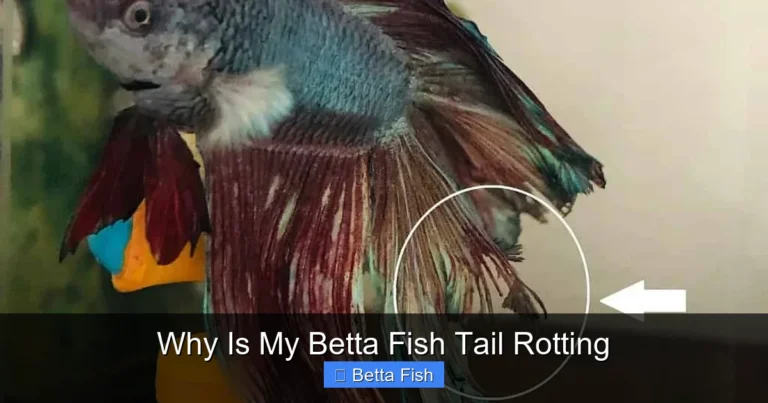
If you’ve noticed your betta’s fins looking ragged, torn, or discolored, you’re probably dealing with fin rot. It’s one of the most common ailments that betta fish owners encounter, and it can be genuinely alarming the first time you see it. The edges of your betta’s beautiful flowing fins start to look frayed, sometimes turning white, black, or red. In severe cases, the fins can deteriorate all the way down to the body.
So when fin rot strikes, one of the first questions many betta keepers ask is: Can changing my betta fish’s food help with fin rot? It’s a smart question, and the answer is more nuanced than a simple yes or no. Diet is absolutely one of the pillars of betta health, and what you feed your fish directly impacts its ability to fight infection and regenerate damaged tissue. But food is just one piece of a larger puzzle that includes water quality, stress levels, and sometimes medication.
In this article, we’ll break down exactly how nutrition affects fin rot, what foods to choose, what to avoid, and how to combine dietary changes with other treatments for the best chance of a full recovery. Whether your betta is currently battling fin rot or you want to prevent it from ever happening, this guide has you covered.
What Exactly Is Fin Rot?
The Basics of Fin Rot
Fin rot is a bacterial infection that attacks the fins and tail of your betta fish. It’s typically caused by gram-negative bacteria like Aeromonas, Pseudomonas, or Flavobacterium. These bacteria are almost always present in aquarium water — they’re part of the natural environment. The problem arises when your betta’s immune system is weakened, giving these opportunistic pathogens a chance to take hold.
The infection starts at the edges of the fins and works its way inward. In the early stages, you’ll notice the fin edges looking slightly discolored — maybe a bit white or translucent. As it progresses, the fins start to fray and shorten. In advanced cases, the rot can reach the fin base and even affect the body itself, which becomes much more dangerous and harder to treat.
Common Causes of Fin Rot
Understanding what causes fin rot is essential because it tells you where to focus your treatment efforts. The most common triggers include:
- Poor water quality: High ammonia, nitrite, or nitrate levels stress your fish and create a breeding ground for harmful bacteria. This is the number one cause of fin rot.
- Stress: Overcrowding, aggressive tank mates, sudden temperature changes, or a tank that’s too small can all weaken your betta’s immune system.
- Injury: Torn fins from sharp decorations or nipping from other fish can become infected if the water isn’t clean.
- Weak immune system: A betta that’s poorly fed, old, or already dealing with another illness is far more susceptible to fin rot.
- Overfeeding: Excess food breaks down and fouls the water, contributing to the bacterial load in the tank.
Notice that several of these causes are directly or indirectly related to diet and feeding habits. That’s why changing what and how you feed your betta can have a meaningful impact on both prevention and recovery.
How Diet Affects Your Betta’s Immune System
Nutrition and Immunity in Fish
Just like humans, fish rely on proper nutrition to maintain a strong immune system. A well-fed betta with a balanced diet produces more antibodies, has healthier skin and slime coat, and can mount a faster response to bacterial threats. When a betta is malnourished or fed a poor-quality diet, its immune defenses drop — making it an easy target for fin rot and other infections.
Research in aquaculture has consistently shown that dietary protein levels, vitamin content, and the presence of certain amino acids directly influence fish immune function. Bettas are carnivorous fish, which means they need a diet high in animal-based protein to thrive. When they don’t get enough quality protein, their bodies simply can’t produce the immune cells needed to fight off infections effectively.
The Role of Key Nutrients
Several specific nutrients play a role in helping your betta fight and recover from fin rot:
- Protein: The building block of tissue repair. Bettas need a diet that’s at least 35-45% protein, ideally from animal sources like fish meal, shrimp, or bloodworms.
- Vitamin C: Supports immune function and helps with collagen production, which is essential for fin regrowth.
- Vitamin E: Acts as an antioxidant, protecting cells from damage and supporting overall immune health.
- Amino acids: Methionine and lysine are particularly important for tissue repair and immune response.
- Garlic: Often added to fish foods as a natural immune booster and appetite stimulant. Many betta keepers swear by garlic-soaked foods during illness.
When your betta’s diet is lacking in these key nutrients, recovery from fin rot slows down significantly. On the flip side, upgrading to a nutrient-dense diet can give your fish the tools it needs to heal faster.
What to Feed a Betta with Fin Rot
High-Quality Betta Pellets
The foundation of your betta’s diet should be a high-quality pellet specifically formulated for bettas. Look for pellets where the first ingredient is a whole protein source — things like whole fish meal, shrimp, or salmon. Avoid brands that list wheat, corn, or soy as the primary ingredients, as these are cheap fillers that bettas can’t digest well.
Some of the most recommended brands among experienced betta keepers include Northfin Betta Bits, New Life Spectrum Betta, and Omega One Betta Buffet Pellets. These brands prioritize animal protein and include beneficial vitamins and minerals that support immune health.
Freeze-Dried and Frozen Foods
Supplementing pellets with frozen or freeze-dried foods is one of the best things you can do for a betta recovering from fin rot. Frozen bloodworms, brine shrimp, and daphnia are all excellent choices. They’re packed with protein and natural nutrients that processed pellets simply can’t match.
A good feeding routine might look like this: high-quality pellets once or twice a day as the staple, with a frozen or freeze-dried treat every other day. This variety ensures your betta gets a broad spectrum of nutrients without over-relying on any single food source.
Live Foods for Recovery
If you can source them safely, live foods are the gold standard for a sick betta. Live brine shrimp, bloodworms, and mosquito larvae are incredibly nutritious and can stimulate a betta’s appetite when it’s feeling unwell. The movement of live food also encourages natural hunting behavior, which can reduce stress — another important factor in recovery.
Just be cautious about where you get live foods. Wild-caught options can introduce parasites or diseases into your tank. Reputable aquarium suppliers or home-cultured live foods are the safest bet.
Foods to Avoid
While you’re working on improving your betta’s diet, there are some foods you should definitely steer clear of:
- Generic tropical fish flakes: These are formulated for a wide range of fish and often don’t meet the specific nutritional needs of bettas. If you’re curious about whether bettas can eat tropical food, check out our guide on feeding bettas tropical fish food for a detailed breakdown.
- Goldfish food: Goldfish are omnivores with very different dietary needs. Their food lacks the protein content bettas require. Learn more in our article about whether bettas can eat goldfish food.
- Freeze-dried foods fed exclusively: These can cause bloating and constipation if not soaked before feeding. They’re fine as an occasional treat but shouldn’t be the main diet.
- Expired or old food: Fish food loses nutritional value over time. If your container has been open for more than two months, it’s time to replace it.
How to Combine Diet Changes with Other Treatments
Water Quality Comes First
Here’s the honest truth: no amount of dietary improvement will cure fin rot if the water quality is terrible. The single most important thing you can do for a betta with fin rot is ensure the water is pristine. This means testing for ammonia, nitrite, and nitrate regularly, and performing frequent partial water changes.
For mild cases of fin rot, daily 25-30% water changes combined with a quality diet can be enough to turn things around. The clean water removes the bacteria load while the improved nutrition helps your betta’s body fight off the remaining infection.
When to Use Medication
If the fin rot is moderate to severe — meaning the fins are receding significantly, the edges are black or bloody, or the infection is approaching the body — you’ll likely need medication in addition to dietary changes. Common treatments include aquarium salt baths, antifungal medications, and antibiotics like erythromycin or kanamycin.
For a comprehensive treatment protocol, check out our detailed guides on how to fix fin rot and how to cure fin rot on a betta fish. These articles walk you through every step of the recovery process.
Reducing Stress During Recovery
Stress is a major contributor to fin rot, and a stressed betta won’t respond well to any treatment — dietary or otherwise. Make sure your betta’s tank is appropriately sized (at least 5 gallons), heated to 78-80°F, and filtered with a gentle flow. Remove any sharp decorations that could tear fins further.
If your betta shares its tank with other fish, consider whether tank mates might be contributing to stress. Bettas can be territorial, and even peaceful companions can cause anxiety. You might want to review our guide on what fish can live with bettas to make sure your setup isn’t adding to the problem.
Preventing Fin Rot Through Proper Feeding
Establish a Feeding Schedule
One of the simplest ways to prevent fin rot is to establish a consistent, moderate feeding schedule. Adult bettas do well with one or two feedings per day, offering only as much food as they can consume in about two minutes. Overfeeding is one of the most common mistakes new betta owners make, and it directly contributes to poor water quality.
A good rule of thumb: feed 2-3 pellets per feeding, or a small pinch of frozen food. If there’s uneaten food left after a few minutes, you’re feeding too much. Remove any leftovers promptly to keep the water clean.
Fast Your Betta Once a Week
Many experienced betta keepers recommend one fasting day per week. This gives your betta’s digestive system a break and can actually improve overall health. A healthy gut supports a healthy immune system, which in turn helps prevent fin rot. Don’t worry — bettas can easily go a day without food with no negative effects.
Rotate Food Types
Don’t feed the same thing every single day. Rotating between high-quality pellets, frozen bloodworms, brine shrimp, and daphnia ensures your betta gets a well-rounded nutritional profile. Think of it like meal prepping for yourself — variety is the key to covering all your nutritional bases.
Signs Your Betta Is Recovering
Once you’ve improved the diet and addressed water quality, you’ll want to monitor your betta closely for signs of recovery. Here’s what to look for:
- Clear fin edges: New fin growth often appears as a clear or white membrane along the edge of the damaged fins. This is a great sign — it means the tissue is regenerating.
- Improved color: As your betta’s health improves, its colors will become more vibrant. A dull, faded betta is often a stressed or sick betta.
- Increased activity: A recovering betta will become more active, exploring its tank and showing interest in food again.
- Healthy appetite: A betta that eagerly eats its meals is generally a betta on the mend.
- No further deterioration: The most important sign is that the fin rot has stopped progressing. The fins may not look perfect yet, but as long as they’re not getting worse, you’re on the right track.
Full fin regrowth can take anywhere from a few weeks to a couple of months, depending on the severity of the rot. Be patient and consistent with your care routine. The fins will grow back — they just need time and the right conditions.
Conclusion
So, can changing a betta fish’s food help with fin rot? Absolutely — but with an important caveat. Diet is a powerful tool in both preventing and recovering from fin rot, but it works best as part of a holistic approach that includes excellent water quality, stress reduction, and medication when necessary.
Upgrading to a high-protein, nutrient-rich diet gives your betta the building blocks it needs to fight infection and regrow damaged fins. Combine that with clean water, a properly sized tank, and a calm environment, and you’ll give your betta the best possible chance of a full recovery.
The key takeaway is this: what you feed your betta matters more than most people realize. A betta eating a premium, varied diet is a betta with a strong immune system — and a strong immune system is the best defense against fin rot and countless other health issues. Start making those dietary changes today, and your betta will thank you with vibrant colors, flowing fins, and a long, healthy life.
Frequently Asked Questions
Can changing food alone cure fin rot?
In very mild cases, improving diet combined with excellent water quality can be enough to reverse fin rot. However, moderate to severe cases usually require medication alongside dietary changes. Think of food as a critical support system rather than a standalone cure.
What is the best food for a betta with fin rot?
High-quality betta pellets with whole animal proteins as the first ingredient, supplemented with frozen bloodworms and brine shrimp, are ideal. These foods are rich in protein and essential nutrients that support immune function and tissue repair.
How long does it take for betta fins to grow back after fin rot?
Fin regrowth typically takes 4 to 8 weeks, depending on the severity of the damage and the quality of care. With a proper diet, clean water, and low stress, you should start seeing clear new growth within the first couple of weeks.
Can overfeeding cause fin rot?
Yes, overfeeding is an indirect cause of fin rot. Uneaten food decays in the tank, increasing ammonia levels and promoting bacterial growth. This degrades water quality and creates conditions where fin rot bacteria thrive. Feed only what your betta can eat in about two minutes.
Should I fast my betta if it has fin rot?
A short fast of 24 hours can be beneficial if your betta is bloated or constipated, as these conditions can worsen fin rot. However, during recovery, your betta needs nutrition to heal, so resume feeding high-quality food after the fast.
Is fin rot contagious to other fish in the tank?
Fin rot itself is not highly contagious, but the poor water conditions that cause it can affect all fish in the tank. If one fish has fin rot, it’s a sign that water quality needs improvement for the entire aquarium. Test your parameters and perform water changes immediately.