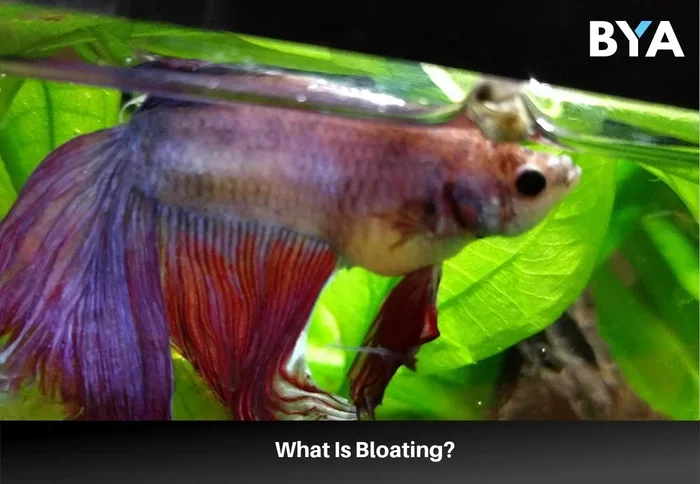
How Do a Betta Fish Flutter Their Fins

Betta fish flutter their fins for many reasons, including communication, mating displays, and territorial behavior. This natural behavior is usually a sign of a happy, healthy fish. However, excessive or unusual fluttering can signal stress, disease, or fin damage that needs attention.
Have you ever watched your betta fish and noticed its fins moving rapidly in a fluttering motion? It is a fascinating sight. Many fish owners wonder what this behavior means and whether it is something to worry about. How do a betta fish flutter their fins is a question that comes up often among both new and experienced aquarists.
The truth is, fin fluttering is a natural part of betta fish behavior. These beautiful creatures use their flowing fins to communicate, express emotions, and even attract mates. But sometimes, fluttering can point to an underlying issue that needs your attention. In this guide, we will explore everything you need to know about why betta fish flutter their fins, when it is normal, and when it is a red flag.
Understanding your fish’s behavior is one of the most important parts of betta fish care. By the end of this article, you will have a clear picture of what causes fin fluttering, how to tell the difference between happy fluttering and distressed fluttering, and what steps to take to keep your fish healthy. Let us dive right in.
Key Takeaways
- Normal fluttering: Betta fish flutter their fins to communicate, show excitement, and display health.
- Mating behavior: Males flutter fins to attract females during the breeding process.
- Territorial displays: Fluttering can be a sign of dominance or aggression toward other fish.
- Warning signs: Excessive fluttering paired with torn fins or discoloration may indicate fin rot or disease.
- Prevention matters: Clean water, proper diet, and a suitable tank setup keep fins healthy and reduce problems.
- Treatment options: Salt baths, water changes, and medication can help treat fin-related issues effectively.
- Know your fish: Understanding normal vs. abnormal behavior helps you act fast when something is wrong.
📑 Table of Contents
- What Is Fin Fluttering in Betta Fish?
- Why Do Betta Fish Flutter Their Fins?
- How to Tell if Fin Fluttering Is Normal or a Problem
- Common Causes of Problematic Fin Fluttering
- How to Keep Your Betta’s Fins Healthy
- When to Consult a Veterinarian
- Quick Tips for Managing Fin Fluttering
- Common Mistakes Betta Owners Make
- Final Thoughts on Betta Fin Fluttering
What Is Fin Fluttering in Betta Fish?
Fin fluttering refers to the rapid, sometimes rhythmic movement of a betta’s fins. Unlike slow, graceful fin movements, fluttering is quick and often looks like the fins are vibrating or trembling. This behavior can happen while the fish is stationary or while it is swimming.
Betta fish behavior is complex and full of subtle signals. Fluttering is just one of many ways these fish express themselves. The movement can involve the pectoral fins, the dorsal fin, or even the tail fin. Each type of fluttering can mean something different.
It is important to note that betta fish have colorful fins that are one of their most striking features. When those fins flutter, it creates a beautiful visual display. But behind that beauty lies a world of communication and instinct that every fish owner should understand.
Normal vs. Abnormal Fluttering
Not all fluttering is the same. Normal fluttering is usually short-lived and happens in response to specific triggers. Your fish will look active, alert, and vibrant. The fins will move with energy but without signs of discomfort.
Abnormal fluttering, on the other hand, tends to be constant and frantic. Your fish may look stressed, hide frequently, or show other signs of illness. If the fins appear torn, discolored, or clamped close to the body, that is a clear warning sign. Why betta fish lose their fins is a related topic that covers fin damage in more detail.
Why Do Betta Fish Flutter Their Fins?
There are several reasons why a betta fish might flutter its fins. Each reason tells you something different about your fish’s state of mind and physical health. Let us break them down one by one.
Communication and Social Behavior
Betta fish are more social than many people think. They use body language to send signals to other fish, and even to their human owners. Fin fluttering is one of the primary ways they communicate.
When a betta flutters its fins in your presence, it may be expressing excitement or curiosity. Some fish owners report that their betta flares and flutters when they approach the tank. This is often a sign that the fish recognizes its owner and feels engaged.
Fluttering can also be a way for bettas to establish social hierarchies. In tanks with multiple fish, fin displays help them communicate without physical confrontation. This is a much safer way to resolve conflicts than actual fighting.
Mating Displays
One of the most common reasons for intense fin fluttering is mating behavior. Male betta fish are known for their elaborate courtship displays. When a male is ready to breed, he will flare his fins and flutter them rapidly to attract a female.
This display includes spreading the fins wide and making quick, darting movements. The colors of the fins become even more vivid during this time. If you have both male and female bettas in separate tanks where they can see each other, you may notice this behavior frequently.
Understanding betta fish mating behavior helps you create the right conditions for breeding if that is your goal. It also helps you avoid unnecessary stress caused by unwanted breeding attempts.
Territorial Behavior and Aggression
Betta fish are territorial by nature. They are known as “Siamese fighting fish” for a reason. When a betta feels its territory is threatened, it may flutter its fins as a warning to intruders.
This territorial display often includes flaring the gills and spreading the fins to make the fish look larger. The fluttering adds intensity to the display. It is the fish’s way of saying, “This is my space, stay away.”
If you keep your betta in a community tank, you may see more territorial fluttering. The fish may direct this behavior toward other fish that enter its preferred area. This is why choosing the right tank mates for bettas is so important.
Excitement and Activity
Sometimes, fin fluttering is simply a sign of excitement. Betta fish are active creatures that enjoy exploring their environment. When they see food, a new decoration, or even their own reflection, they may flutter their fins with enthusiasm.
This type of fluttering is usually short-lived and accompanied by other active behaviors like swimming around or investigating. It is a positive sign that your fish is healthy and engaged with its surroundings.
How to Tell if Fin Fluttering Is Normal or a Problem
Distinguishing between normal and problematic fluttering is one of the most valuable skills a betta owner can develop. Let us look at the key differences so you can respond appropriately.
Signs of Healthy Fluttering
Healthy fin fluttering has several clear markers:
- The fish appears alert and active
- The fins move with purpose and energy
- The colors remain vibrant and bright
- The fluttering is brief and stops on its own
- The fish continues to eat normally
- There are no visible tears or damage to the fins
When you see these signs, your betta is simply expressing natural behavior. Enjoy the display and continue with your regular care routine.
Signs That Fluttering Signals a Problem
Problematic fluttering comes with additional symptoms that should concern you:
- The fluttering is constant and frantic
- The fish seems restless or unable to settle
- The fins appear torn, ragged, or clamped
- There is discoloration or white edges on the fins
- The fish refuses to eat
- The fish hides frequently or stays at the bottom of the tank
- The gills appear inflamed or labored
If you notice any of these signs, it is time to investigate further. The issue could be related to water quality, disease, or physical damage to the fins.
Common Causes of Problematic Fin Fluttering
When fluttering becomes a problem, it usually stems from one of several underlying causes. Identifying the root issue is the first step toward fixing it.
Fin Rot and Bacterial Infections
Fin rot is one of the most common diseases affecting betta fish. It causes the fins to become ragged, discolored, and sometimes melted-looking. Fish with fin rot may flutter their fins excessively because of discomfort and irritation.
Bacterial infections can also cause fin damage. These infections thrive in poor water conditions and can spread quickly if left untreated. Early detection is critical for successful treatment.
If you suspect fin rot, consider performing a salt bath for your betta fish as an immediate remedy. This can help reduce infection and promote healing.
Poor Water Quality
Dirty water is the enemy of healthy fins. Ammonia and nitrite buildup in the tank can irritate a betta’s delicate fins and gills. This irritation often leads to excessive fluttering as the fish tries to cope with the discomfort.
Regular water changes are essential. A proper water change routine keeps toxins at bay and creates a comfortable environment for your fish. Test your water parameters frequently to catch problems early.
Physical Damage from Tank Decor
Sharp decorations, rough gravel, or plastic plants with rough edges can tear a betta’s fins. Once damaged, the fins may flutter more as the fish experiences pain or irritation.
Always choose smooth, soft decorations for your betta tank. Live plants are an excellent choice because they are gentle on fins and provide natural hiding spots. Avoid any decorations that could snag or tear delicate fin tissue.
Stress from Tank Mates
Keeping aggressive fish with your betta can cause chronic stress. Stressed fish often exhibit abnormal behaviors, including excessive fin fluttering. The constant threat from tank mates keeps the fish in a heightened state of alertness.
If your betta shares a tank with fin-nipping species or aggressive fish, consider moving it to a solo tank. A stress-free environment promotes healthy fin behavior and overall well-being.
How to Keep Your Betta’s Fins Healthy
Prevention is always better than cure when it comes to fin health. Here are practical steps you can take to keep your betta’s fins in excellent condition.
Maintain Clean Water
Clean water is the foundation of fin health. Perform partial water changes every week, replacing about 25% of the tank water. Use a gravel vacuum to remove debris from the substrate. Test the water for ammonia, nitrite, and nitrate levels regularly.
A well-filtered tank makes this job easier. Betta fish need a filtered tank to maintain stable water conditions. However, avoid strong currents that can tire your fish out. Choose a filter with adjustable flow or add a sponge pre-filter to reduce flow strength.
Provide Proper Nutrition
Diet plays a significant role in fin health. Feed your betta a balanced diet of high-quality pellets, frozen or live foods, and occasional treats. Overfeeding can lead to health problems that indirectly affect fin condition.
Follow a consistent feeding schedule. Most experts recommend feeding bettas twice a day with small portions. If you are unsure about portions, check your resources on how much to feed a betta fish for guidance.
Create a Stress-Free Environment
A calm environment promotes healthy fin behavior. Keep the tank in a quiet area of your home where there is minimal sudden noise or vibration. Maintain a stable water temperature between 78 and 80 degrees Fahrenheit.
Add gentle hiding spots using soft plants and caves. These give your betta a sense of security. Avoid placing the tank in direct sunlight or near drafty windows, as temperature fluctuations can stress your fish.
Expert Insight: Experienced aquarists often recommend observing your betta’s behavior daily. Catching changes early gives you the best chance of addressing problems before they become serious. A healthy betta is an active, curious fish with vibrant fins that move gracefully.
When to Consult a Veterinarian
Sometimes, home remedies are not enough. If your betta’s fin fluttering persists despite improving water quality and diet, it may be time to seek professional help. A veterinarian who specializes in fish can diagnose underlying conditions that are not visible to the naked eye.
Look for signs that indicate a veterinary visit is needed:
- Fins continue to deteriorate despite treatment
- The fish shows signs of swim bladder issues
- There are unusual growths or sores on the body
- The fish stops eating entirely for more than two days
- Behavior changes are sudden and severe
Early intervention by a professional can make all the difference. Do not wait until the situation becomes critical before seeking help.
Quick Tips for Managing Fin Fluttering
- Observe your betta daily for changes in fin movement
- Perform weekly water changes of 25% or more
- Keep the water temperature stable between 78 and 80 degrees Fahrenheit
- Feed a balanced diet and avoid overfeeding
- Use soft, smooth decorations to prevent fin damage
- Separate aggressive tank mates immediately
- Use aquarium salt as a preventive measure for fin health
- Monitor water parameters with a reliable test kit
Common Mistakes Betta Owners Make
Even well-meaning owners can make mistakes that lead to fin problems. Here are the most common ones to avoid:
- Overcrowding the tank: Too many fish creates stress and aggression. Bettas need adequate space to thrive.
- Skipping water changes: Dirty water leads to ammonia buildup, which damages fins over time.
- Using harsh decorations: Sharp objects can tear fins and introduce bacteria to wounds.
- Ignoring early warning signs: Catching problems early is always easier than treating advanced disease.
- Feeding too much: Excess food fouls the water quickly and can cause health issues.
Avoiding these mistakes sets the foundation for a healthy, happy betta with beautiful, flowing fins.
Final Thoughts on Betta Fin Fluttering
Understanding how do a betta fish flutter their fins gives you deeper insight into your fish’s world. Most of the time, fin fluttering is a completely normal and even delightful behavior. It shows that your fish is active, healthy, and engaged with its environment.
However, it is equally important to recognize when fluttering signals a problem. By paying attention to the context, duration, and accompanying symptoms, you can respond quickly and effectively. Clean water, proper nutrition, and a stress-free habitat go a long way in keeping your betta’s fins in perfect condition.
Take the time to learn your individual fish’s personality and habits. Each betta is unique, and over time, you will become fluent in its body language. That connection is one of the most rewarding parts of keeping these incredible fish.
If you want to learn more about caring for your betta, check out our guide on how to care for a betta fish for comprehensive tips on tank setup, feeding, and health maintenance.
Frequently Asked Questions
Why does my betta fish flutter its fins at me?
Your betta may flutter its fins at you because it recognizes you as its owner and feels excited or curious. This is usually a positive sign that your fish is alert and engaged. Bettas can learn to associate their owner with feeding time and attention, which often triggers enthusiastic fin displays.
Is fin fluttering a sign of a sick betta fish?
Not always. Fluttering is normal behavior, but if it is constant and paired with symptoms like torn fins, loss of appetite, or hiding, it could indicate illness. Watch for other signs of distress and test your water quality to determine if there is an underlying problem that needs addressing.
Can poor water quality cause betta fish to flutter their fins excessively?
Yes, poor water quality is one of the most common causes of abnormal fin behavior. Ammonia and nitrite irritate a betta’s fins and gills, leading to discomfort and excessive fluttering. Regular water changes and proper filtration are essential to maintaining a healthy environment for your fish.
How can I help my betta’s fins heal if they are damaged?
Start by improving water quality through regular water changes and testing. A salt bath can help treat minor fin damage and prevent infection. Remove any sharp decorations from the tank, and consider adding aquarium salt to promote healing. If the damage does not improve, consult a fish veterinarian.
Do male and female betta fish flutter their fins differently?
Yes, male bettas tend to flare and flutter their fins more frequently, especially during mating displays or territorial challenges. Females also flutter their fins but usually in less dramatic ways. Female bettas may flare at other females or during breeding interactions with males.
What is the difference between fin fluttering and fin flaring in betta fish?
Fin fluttering is a rapid, vibrating movement of the fins, often related to excitement or activity. Fin flaring is when the fish spreads its fins wide to appear larger, usually as a territorial or mating display. Both behaviors are natural but serve different purposes in betta communication.
=== CONCLUSION ===
How do a betta fish flutter their fins is a question that opens the door to understanding your fish on a deeper level. From communication and mating to territorial displays and simple excitement, fin fluttering is a rich and meaningful behavior. Most of the time, it is nothing to worry about and just a sign of a happy, healthy fish.
By staying observant, maintaining clean water, providing proper nutrition, and creating a stress-free habitat, you can ensure your betta’s fins stay beautiful and its fluttering stays joyful. Trust your instincts as an owner, act quickly when something seems off, and enjoy the wonderful journey of caring for these magnificent creatures.