How Long Do Betta Fish Live When They Die
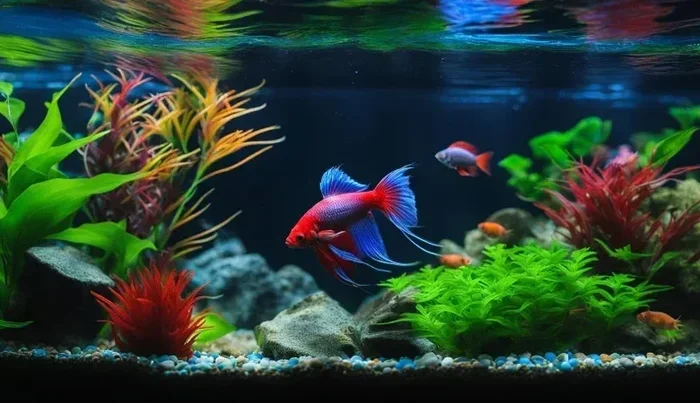
Betta fish typically live between 3 and 5 years, but many factors determine when and how they die. Understanding the betta fish lifespan, recognizing dying signs early, and providing proper care can help your fish live a longer, healthier life.
Betta fish are beautiful, vibrant creatures that bring life to any aquarium. But every fish keeper eventually faces a hard truth: betta fish don’t live forever. If you’ve ever wondered how long do betta fish live when they die, you’re not alone. This question matters because understanding the end of your fish’s life helps you provide better care along the way.
The average betta fish lifespan ranges from 3 to 5 years. However, some bettas live longer with excellent care, while others pass away much earlier due to poor conditions. Knowing what to expect helps you prepare emotionally and practically. It also helps you give your fish the best possible life right up to the end.
This guide covers everything you need to know. We’ll explore the typical betta fish lifespan, signs that a betta is dying, common causes of premature death, and steps you can take to help your fish live longer. Whether you currently have a sick betta or want to prevent problems, this article has you covered.
Key Takeaways
- Average lifespan: Betta fish live 3 to 5 years in captivity with proper care.
- Dying signs matter: Color loss, lethargy, and appetite changes signal a betta fish is dying.
- Water quality is critical: Poor tank conditions are the #1 cause of premature death.
- Diet affects longevity: A balanced diet keeps your betta healthy and extends its life.
- Death behaviors vary: Some bettas float when they die, while others sink to the bottom.
- Prevention works: Simple care steps can add months or even years to your betta’s life.
📑 Table of Contents
Understanding the Betta Fish Lifespan
Every betta fish owner wants to know how many years they’ll get with their colorful companion. The answer depends on several factors, including genetics, care, and environment. Let’s break down what affects how long do betta fish live in different situations.
Average Lifespan in Captivity
In a well-maintained tank, most betta fish live between 3 and 5 years. Some reach 6 or even 7 years with exceptional care. The key is consistency. Bettas thrive when their environment stays stable and clean.
Many pet store bettas arrive in poor condition. They may have already lived a stressful life in tiny cups. This means your new fish might have less time than expected. But with proper attention, you can still give them a good quality of life for their remaining months or years.
Understanding how long do betta fish live in a tank starts with recognizing that tank size matters. A 5-gallon tank or larger gives your betta room to swim and explore. This reduces stress and promotes better health over time.
Factors That Affect How Long Betta Fish Live
Several factors play a role in determining your betta’s lifespan. Here are the most important ones:
- Water quality: Clean, filtered water with proper temperature prevents illness and stress.
- Tank size: A minimum of 5 gallons gives bettas space to thrive.
- Diet: High-quality food provides essential nutrients for a long, healthy life.
- Genetics: Some bettas are simply bred to be hardier and live longer.
- Stress levels: Loud noises, bright lights, and aggressive tank mates shorten lifespan.
- Disease prevention: Regular observation catches health problems before they become fatal.
Signs Your Betta Fish Is Dying
Watching your betta decline is heartbreaking. But catching the signs early gives you a chance to intervene. Not every symptom means your fish is dying, but a combination of signs is a clear warning.
Physical Changes to Watch For
Your betta’s body tells you a lot about its health. Pay close attention to these physical signs:
- Fading colors: A healthy betta displays bright, vivid colors. Dullness or paleness often signals illness or old age.
- Clamped fins: When fins stay close to the body instead of flowing freely, something is wrong.
- Bulging eyes: Popeye disease causes eyes to protrude, often from infection or poor water conditions.
- Lesions or spots: White patches, red sores, or fuzzy growths indicate fungal or bacterial infection.
- Loss of appetite: Refusing food for more than two days is a serious red flag.
- Emaciated body: A visibly thin body means your fish isn’t eating properly or is wasting away.
Behavioral Changes That Signal Trouble
Betta fish are active and curious. When they start acting differently, it’s time to pay attention. Behavioral changes often appear before physical symptoms.
- Lethargy: Your betta stays at the bottom of the tank and barely moves.
- Gasping at the surface: This suggests low oxygen levels or gill damage.
- Hiding constantly: Bettas that hide behind decorations or in corners feel stressed or unwell.
- Erratic swimming: Swimming in circles or darting unpredictably signals neurological issues.
- Flaring without reason: Constant stress responses wear your fish out over time.
If you notice several of these signs together, act quickly. Test your water parameters and look for other symptoms. Sometimes a simple water change makes a huge difference.
Common Causes of Premature Betta Death
Many betta fish die earlier than they should because of preventable causes. Understanding these helps you protect your fish and extend its life significantly.
Poor Water Conditions
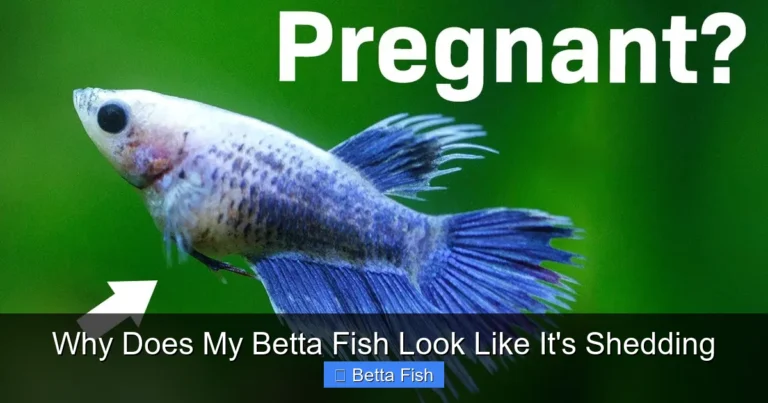
Dirty water is the number one killer of betta fish. Ammonia and nitrite buildup in small tanks poison your fish slowly. Even if your betta survives, constant exposure to toxins weakens its immune system.
When betta fish die unexpectedly, water quality is almost always the culprit. Test kits are inexpensive and essential. Test your water at least once a week. Keep ammonia and nitrite at zero, and nitrate below 20 parts per million.
A common mistake is skipping water changes. Even with a filter, you need to replace 25 to 30 percent of the water weekly. This removes built-up waste and keeps conditions stable.
Improper Diet and Overfeeding
Feeding your betta the wrong food or too much food causes serious problems. Overfeeding leads to bloating, constipation, and fatty liver disease. These conditions slowly damage internal organs.
Feed your betta two to three small meals per day. High-quality betta pellets should form the base of the diet. Supplement with frozen or live bloodworms and brine shrimp occasionally. Variety keeps your fish healthy and interested in food.
Never feed your betta flakes designed for tropical community fish. These lack the protein bettas need. And remove any uneaten food within five minutes to keep the water clean.
Stress and Aggressive Tank Mates
Stress weakens your betta’s immune system and makes it vulnerable to disease. Bettas are solitary fish by nature. Housing them with aggressive or fin-nipping fish causes constant anxiety.
Even the tank location matters. Placing a betta tank near a window exposes fish to direct sunlight, which spikes temperature and promotes algae growth. Loud noises and vibrations near the tank also cause chronic stress.
If your betta lives alone in a properly sized tank with gentle filtration, it will feel safer and live longer. Peace and quiet go a long way for these sensitive fish.
Ignoring Early Disease Symptoms
Many common betta diseases are treatable if caught early. Ich, fin rot, and velvet disease all respond well to prompt treatment. But when owners wait too long, these conditions become fatal.
Watch for white spots on the body, ragged or dissolving fins, and a dusty gold or rust-colored coating on the scales. These are clear signs of disease. Quarantine sick fish immediately and treat them in a separate hospital tank.
Some diseases spread fast in shared tanks. If one fish shows symptoms, test all your fish and treat the entire tank if needed. Prevention through clean water and low stress is always better than treatment.
How to Help Your Betta Fish Live Longer
The good news is that you have real power to extend your betta’s life. Simple, consistent care makes a massive difference. Here are the most effective steps you can take right now.
Set Up a Proper Tank Environment
A bare minimum 5-gallon tank is essential for any betta. Larger tanks are even better because they dilute toxins and provide more stable conditions. Add a gentle filter that won’t create strong currents, since bettas prefer calm water.
Keep the temperature between 76 and 82 degrees Fahrenheit. Use a heater with a thermostat to maintain consistency. Bettas are tropical fish and cannot tolerate cold water. A sudden temperature drop can shock your fish and lead to illness or death.
Add soft substrate, live plants, and a few hiding spots. These create a natural, enriching environment that reduces stress. Avoid sharp decorations that can tear delicate fins.
Maintain a Consistent Care Routine
Consistency is the backbone of good betta care. Follow this simple routine:
- Test water parameters weekly using a liquid test kit.
- Perform a 25 percent water change every week.
- Vacuum the substrate to remove debris and waste.
- Feed high-quality food in small amounts twice daily.
- Observe your betta for any changes in behavior or appearance.
- Clean the glass and check equipment monthly.
Sticking to this routine might seem like a lot at first. But after a few weeks, it becomes second nature. Your betta will reward you with a longer, healthier life.
Know When to Seek Help
If your betta shows signs of serious illness, don’t wait. Research the symptoms and start treatment immediately. Many online resources and experienced fish keepers can help you identify the problem.
Consider keeping a basic fish first aid kit on hand. It should include aquarium salt, methylene blue, and medications for common diseases like ich and fin rot. Having these ready saves precious time when your fish needs help fast.
Sometimes, despite your best efforts, a betta’s health declines beyond recovery. In those cases, focus on making your fish comfortable. Warm water, gentle lighting, and a quiet environment reduce suffering in a dying betta.
What Happens When a Betta Fish Dies
Understanding what happens after a betta dies helps you handle the situation with care and respect. It also helps you distinguish between a sleeping fish and a deceased one.
Do Betta Fish Float or Sink When They Die?
The answer varies. Some bettas float when they die because gases build up in the body after death. Others sink to the bottom, especially if death happens quickly or the fish was thin.
A few hours after death, most bettas float to the surface. This happens because decomposition produces gases that make the body buoyant. If you find your betta floating, check for signs of life first before assuming the worst.
If you need more details on this topic, check out our guide on when betta fish die do they float or sink.
How to Handle a Deceased Betta
If your betta has passed away, handle the situation gently. Remove the body from the tank promptly to prevent water contamination. A clean tank protects your other fish from potential disease.
Some owners choose to bury their betta in the backyard or wrap it in a soft cloth for disposal. Others prefer to flush the body. Whatever method you choose, do it respectfully and promptly.
Take time to grieve if you need to. Losing a pet fish is a real loss. You gave your betta a home and care, and that matters. When you’re ready, you can consider adding a new fish to your tank.
Final Thoughts
The question of how long do betta fish live when they die comes from a place of love and concern. Every betta fish deserves a life filled with clean water, proper nutrition, and a peaceful environment. While the average betta fish lifespan is 3 to 5 years, your care choices directly influence how long and how well your fish lives.
Watch for signs of illness, maintain excellent water quality, feed a balanced diet, and reduce stress. These simple steps add quality months to your betta’s life. Even if the end comes, knowing you gave your fish the best possible care brings comfort and satisfaction.
Your betta trusted you to take care of it. Honoring that trust through attentive, consistent care is the greatest gift you can give. Start today, and enjoy every moment with your colorful companion.
Frequently Asked Questions
How long do betta fish live on average?
Most betta fish live between 3 and 5 years in captivity. With excellent care, some reach 6 or 7 years. The key factors are clean water, proper diet, and a stress-free environment.
Do betta fish float when they die?
Some bettas float after death due to gas buildup, while others sink. It depends on the cause of death and the fish’s body condition. Within a few hours, most deceased bettas float to the surface.
What are the first signs a betta fish is dying?
Early signs include fading colors, clamped fins, loss of appetite, and lethargy. Gasping at the surface and hiding constantly are also warning signals. Catching these signs early gives you the best chance to help.
Can a betta fish die from poor water quality?
Yes, poor water quality is the leading cause of premature betta death. Ammonia and nitrite poisoning damage gills and organs over time. Regular water changes and testing prevent this entirely.
How can I make my betta fish live longer?
Provide a 5-gallon or larger tank, maintain clean water, feed high-quality food in small amounts, and keep stress levels low. A consistent care routine and prompt treatment of illness also add years to your betta’s life.
Why did my betta fish die suddenly?
Sudden death often results from severe water parameter spikes, temperature shocks, or untreated diseases. Bettas are sensitive to environmental changes. Testing your water and reviewing recent changes helps identify the cause.