Is a Betta Fish a Mammal
No, a betta fish is not a mammal. It is a fish belonging to the gourami family. Many people confuse bettas with mammals because of their vibrant colors and interesting behaviors. Understanding what a betta fish actually is helps you care for it better and appreciate its unique biology.
Is a betta fish a mammal? This is one of the most common questions new fish keepers ask. The short answer is no. A betta fish is a fish, not a mammal. But the reason people ask this question is fascinating. Bettas have some traits that seem mammal-like. They have personalities. They seem to recognize their owners. Some even build bubble nests that look almost intentional.
In this article, we will explore what a betta fish really is. We will look at fish classification, anatomy, and reproduction. We will also compare bettas to mammals so you can see the clear differences. By the end, you will understand exactly what makes a betta a fish and why that matters for your care routine.
Key Takeaways
- Betta fish are not mammals: They belong to the fish family Osphronemidae, known as gouramis.
- They breathe air using a labyrinth organ: This unique feature often causes confusion with mammals.
- Betta fish are cold-blooded: Unlike mammals, they cannot regulate their own body temperature.
- They lay eggs, not live young: Mammals give birth to live young, but bettas reproduce by spawning.
- Proper habitat matters: Understanding what a betta fish is helps you set up the right tank environment.
- They make great pets: Despite not being mammals, bettas have fascinating personalities and behaviors.
📑 Table of Contents
What Is a Betta Fish?
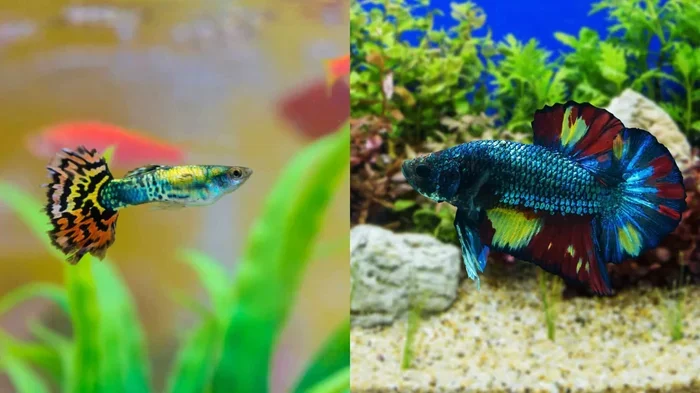
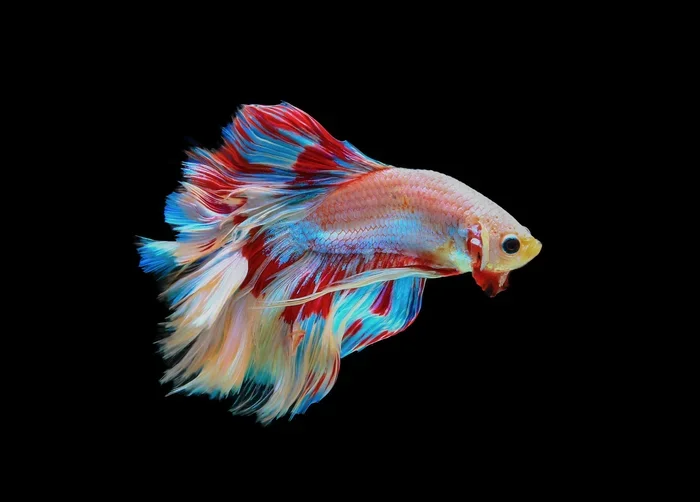
A betta fish, also known as Betta splendens, is a small tropical fish native to Southeast Asia. They belong to the gourami family, which is a group of freshwater fish. Bettas are famous for their long, flowing fins and brilliant colors. Male bettas especially display vibrant reds, blues, and greens.
Many people think bettas are exotic or rare creatures. In reality, they are very common in the aquarium hobby. You can find them in pet stores around the world. Despite their widespread availability, many myths still surround them. One of the biggest myths is that they are mammals or somehow closer to reptiles or amphibians.
To understand what a betta fish is, you need to look at fish classification. Fish are a diverse group of aquatic animals. They share certain features like gills, fins, and scales. Bettas have all of these. They also have a special organ called the labyrinth, which lets them breathe air. This is unusual among fish, but it does not make them mammals.
The Betta Fish Natural Habitat
Bettas live in warm, slow-moving waters in countries like Thailand, Cambodia, and Vietnam. They are often found in rice paddies, floodplains, and shallow streams. Their natural habitat is warm and rich in plant life. This environment shapes everything about how they behave and what they need in captivity.
If you want to keep a healthy betta, recreate elements of their natural habitat. Use warm water between 76 and 82 degrees Fahrenheit. Add gentle filtration. Include plants and hiding spots. This mimics the calm, warm waters they come from and keeps them stress-free.
Why People Confuse Betta Fish With Mammals
There are several reasons why someone might think a betta fish is a mammal. Let us look at the main ones.
They Have Unique Breathing Abilities
Bettas have a labyrinth organ. This special structure lets them take in oxygen from the air. Most fish rely only on gills to breathe underwater. Bettas can gulp air at the surface and process it through their labyrinth. This makes them seem more advanced than other fish.
Some people hear about this and think, “Only mammals breathe air.” But that is not true. Many animals breathe air. Birds, reptiles, and even some fish do too. The labyrinth organ is an adaptation for survival in low-oxygen waters. It does not make a betta a mammal.
They Display Intelligent Behavior
Betta fish are known for their personality. They flare their gills at mirrors. They follow your finger around the tank. Some owners say their betta swims to the front when they approach. These behaviors can feel almost mammalian.
However, fish intelligence works differently from mammal intelligence. Bettas can learn simple routines. They recognize feeding times. They respond to movement. This does not mean they think like a dog or a cat. It means they are alert, responsive creatures with natural survival instincts.
Their Appearance and Fins Look “Mammal-Like”
The long, flowing fins of a male betta can look almost elegant and complex. People sometimes compare them to fur or hair. In reality, fins are made of skin and bone, not hair or fur. Mammals have hair or fur. Fish have scales and fins. This is a basic biological difference.
Another thing that causes confusion is the betta’s mouth. Bettas have a small mouth that can look expressive. They sometimes “smile” or open their mouth when food is near. Again, this is a feeding response, not an emotional expression like a mammal would show.
Is a Betta Fish a Mammal? The Scientific Answer
The scientific answer is clear. A betta fish is a fish. It is not a mammal. Let us break down the key differences between fish and mammals so you can see why.
Fish vs. Mammals: Key Differences
Here is a simple comparison of what makes a fish a fish and a mammal a mammal:
- Body Temperature: Mammals are warm-blooded. They regulate their own body heat. Fish, including bettas, are cold-blooded. Their body temperature matches their environment.
- Breathing: Mammals breathe air using lungs. Fish use gills to extract oxygen from water. Bettas can breathe air too, but they also use gills.
- Reproduction: Mammals give birth to live young and nurse them with milk. Bettas lay eggs. The male betta guards the eggs in a bubble nest until they hatch.
- Body Covering: Mammals have hair or fur. Fish have scales. Bettas have overlapping scales covering their body.
- Heart Structure: Mammals have a four-chambered heart. Fish have a two-chambered heart. Bettas have a simple heart with two chambers.
These differences are fundamental. They show that bettas and mammals are very different animals. Even though bettas have some surprising abilities, they are firmly in the fish category.
Betta Fish Classification
Here is how a betta fish is classified in the animal kingdom:
- Kingdom: Animalia (animals)
- Phylum: Chordata (vertebrates)
- Class: Actinopterygii (ray-finned fish)
- Order: Anabantiformes
- Family: Osphronemidae (gourami family)
- Genus: Betta
- Species: Betta splendens
Notice that mammals belong to the class Mammalia. Bettas belong to Actinopterygii. These are completely different classes. This classification system helps scientists organize all living things. It also makes it easy to see that a betta fish is not a mammal.
How Betta Fish Reproduce
One of the clearest ways to see that bettas are fish and not mammals is their reproduction. Mammals give birth to live young. Bettas do not. They are egg layers.
During breeding, the male betta builds a bubble nest at the surface of the water. He uses saliva and air bubbles to create this nest. Then he courts the female. If she is ready, she releases eggs. The male collects the eggs and places them in the bubble nest.
The male betta guards the nest carefully. He keeps the eggs safe and aerated until they hatch. This process takes about 24 to 48 hours. Once the fry (baby bettas) hatch, the male continues to protect them for a few days.
This reproductive method is very different from mammals. No mammals build bubble nests. No mammals lay eggs in water. Bettas follow a fish reproduction pattern that is unique and fascinating.
How Long Do Betta Fish Live?
The average betta fish lifespan is about 3 to 5 years. With excellent care, some bettas live up to 7 years. This lifespan is typical for a small tropical fish. It is very different from mammals of similar size, which often live much longer.
Proper care plays a big role in how long your betta lives. Keep the water clean. Maintain the right temperature. Feed a balanced diet. Avoid overcrowding. These simple steps help your betta live a full, healthy life.
What Makes Betta Fish Unique Among Fish?
While bettas are not mammals, they are still remarkable creatures. They have several traits that set them apart from other fish.
The Labyrinth Organ
We mentioned the labyrinth organ earlier, but it deserves more attention. This organ allows bettas to breathe atmospheric air. In the wild, bettas often live in shallow, stagnant water with low oxygen levels. The labyrinth organ helps them survive in these conditions.
This is why bettas can live in small tanks or bowls (though we do not recommend tiny enclosures). They can access air at the surface. Other fish cannot do this. It is a fish adaptation, not a mammal trait.
Betta Fish Behavior and Personality
Bettas are often called “siamese fighting fish” because of their aggressive nature toward other male bettas. Each male betta defends its territory fiercely. This behavior is common among fish, not just mammals.
Despite their aggression toward other bettas, they can be peaceful in a community tank with the right tank mates. Choosing compatible fish is important. Good tank mates include peaceful species like neon tetras, corydoras, and snails.
Betta fish also show curiosity. They explore their environment. They watch movement outside the tank. They respond to their owner’s presence. These behaviors make them engaging pets. They are far from the boring, passive fish many people imagine.
Betta Fish Tank Setup
Setting up the right tank is essential for a healthy betta. Here are some quick tips:
- Tank Size: A 5-gallon tank is the minimum recommended size. Larger is always better.
- Water Temperature: Keep the water between 76 and 82 degrees Fahrenheit. Use a heater to maintain a stable temperature.
- Filtration: Use a gentle filter. Bettas do not like strong currents. Sponge filters work great.
- Decorations: Add plants, caves, and open swimming areas. Live plants are best but artificial plants work too.
- Water Changes: Perform regular water changes. A 25% change weekly helps keep the water clean and safe.
For more details on the ideal setup, check out our guide on what is the best tank size for a betta fish. The right environment makes all the difference in your betta’s health and happiness.
Common Mistakes People Make With Betta Fish
Many new betta owners make mistakes because they do not fully understand what a betta fish is. Here are the most common ones.
Keeping Them in Tiny Bowls
Bettas can survive in small amounts of water because of their labyrinth organ. But surviving is not the same as thriving. A tiny bowl restricts movement, limits swimming, and makes it hard to maintain stable water conditions. A 5-gallon tank or larger gives your betta room to explore and stay healthy.
Ignoring Water Temperature
Bettas are tropical fish. They need warm water. Cold water slows their metabolism and makes them sick. Room temperature water is usually too cool. Always use a heater and a thermometer to keep the temperature in the ideal range.
Overfeeding
Bettas have small stomachs. Overfeeding leads to bloating, constipation, and poor water quality. Feed your betta 2 to 3 pellets twice a day. Remove any uneaten food after a few minutes.
Keeping Two Male Bettas Together
Male bettas are highly territorial. Keeping two males in the same tank will lead to fighting. They may injure or even kill each other. Always house male bettas separately.
Is a Betta Fish Right for You?
Now that you know a betta fish is not a mammal, you might be wondering if one is right for you. The good news is that bettas make wonderful pets for many people. They are relatively low maintenance compared to other pets. They do not need walks or grooming. They do not make noise. They are quiet and beautiful additions to any home.
Bettas are great for beginners and experienced fish keepers alike. They are hardy and adaptable. With the right setup and care, a betta fish can bring years of joy. Just remember that they are living creatures with specific needs. Treat them with care and respect, and they will reward you with their stunning colors and curious behavior.
If you are considering adding a betta to your home, start with the right tank size and water conditions. Research compatible tank mates if you plan a community setup. And enjoy the journey of getting to know your new pet fish.
For tips on choosing the right companions, read our article on what is a good tank mate for a betta fish. A happy betta is a well-cared-for betta.
Conclusion
So, is a betta fish a mammal? No. A betta fish is a fish. It belongs to the gourami family and shares all the key traits of fish. It has gills and scales. It is cold-blooded. It lays eggs. But bettas also have surprising traits that make them stand out. Their labyrinth organ, their vibrant colors, and their curious personalities make them one of the most popular aquarium fish in the world.
Understanding what a betta fish is helps you care for it better. It helps you set up the right tank. It helps you choose the right food and the right companions. Knowledge is the foundation of good pet care. The more you know about your betta, the happier and healthier it will be.
Whether you are a first-time fish owner or a seasoned hobbyist, bettas offer something special. They are affordable, beautiful, and full of personality. Give your betta the care it deserves, and you will have a rewarding experience that lasts for years.
Frequently Asked Questions
Is a betta fish a mammal or a reptile?
A betta fish is neither a mammal nor a reptile. It is a fish. Bettas belong to the gourami family and are classified as ray-finned fish. They have gills, scales, and fins, which are all fish characteristics.
Can betta fish breathe air like mammals do?
Yes, bettas can breathe air using a special organ called the labyrinth. However, this does not make them mammals. Many fish species have air-breathing adaptations. The labyrinth organ helps bettas survive in low-oxygen water in the wild.
Do betta fish give birth to live young?
No, betta fish lay eggs. The male builds a bubble nest and guards the eggs until they hatch. This is typical fish reproduction, not mammal reproduction. Mammals give birth to live young and nurse them with milk.
Are betta fish warm-blooded like mammals?
No, betta fish are cold-blooded. Their body temperature changes with the water temperature. This is a key difference from mammals, which maintain a constant internal body temperature regardless of the environment.
Why do people think betta fish are mammals?
People often confuse bettas with mammals because they have personalities, recognize their owners, and breathe air. These traits seem mammal-like but are actually fish behaviors. Bettas are intelligent for fish, but they are still fish, not mammals.
What class does a betta fish belong to?
A betta fish belongs to the class Actinopterygii, which includes all ray-finned fish. Mammals belong to the class Mammalia. These are completely different biological classifications that place bettas firmly in the fish category.