Can Bettas Live with Tropical Fish

Can bettas live with tropical fish? Yes, but success depends on choosing the right tank mates. Bettas are territorial and often aggressive, so peaceful, fast-swimming tropical fish that avoid their space make the best companions. Always monitor behavior carefully and provide a properly sized, well-decorated tank to reduce conflict.
Key Takeaways
- Bettas are naturally territorial: Their instinct to defend space means tank mate selection is crucial for harmony.
- Not all tropical fish are suitable: Avoid fin-nippers and aggressive or very slow-moving species.
- Peaceful, mid-to-top dwellers are best: Fish like certain tetras, rasboras, and corydoras can coexist well.
- Tank size and environment matter: A spacious tank with plants and hiding spots reduces stress and aggression.
- Individual personality is key: Some bettas are more aggressive than others; always have a backup plan.
- Introduction and monitoring are vital: Proper acclimation and watching for signs of stress ensure long-term success.
📑 Table of Contents
- Understanding Betta Behavior: The Foundation of Compatibility
- Criteria for Choosing the Right Tropical Tank Mates
- The Best Tropical Fish to Live with Bettas
- Fish to Absolutely Avoid with Your Betta
- Setting Up a Successful Community Tank
- Introduction, Monitoring, and Having a Backup Plan
- Conclusion: Building a Peaceful Underwater Community
Understanding Betta Behavior: The Foundation of Compatibility
So, you’re wondering, can bettas live with tropical fish? It’s one of the most common questions new aquarists ask. The short answer is a cautious “yes.” But it’s not as simple as just dropping any fish into your betta’s tank. To set everyone up for success, you need to understand your betta fish first. They aren’t just another pretty face in the water; they have strong instincts that dictate how they interact with the world.
The Territorial Nature of Bettas
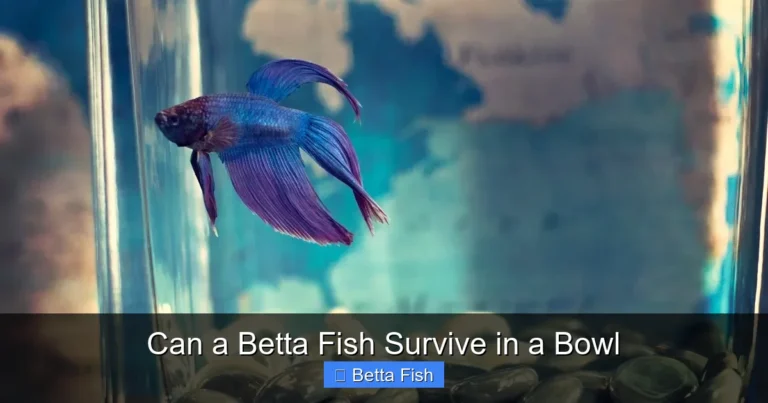
Bettas, specifically males, are famously territorial. In the wild, a single male betta claims a small territory and fiercely defends it from other males. This instinct doesn’t disappear in your home aquarium. They can see fish with long, flowing fins—similar to another betta—as a direct threat. This is why keeping two male bettas together is almost always a disaster waiting to happen. That beautiful, flowing tail isn’t just for show; it’s a flag that triggers aggression. A betta might constantly flare, chase, and nip at any fish it perceives as a rival, leading to stress, injury, and exhaustion for all involved.
Key Personality Traits to Consider
Beyond territory, individual personality plays a huge role. Some bettas are relatively mellow and curious, barely noticing tank mates. Others are relentless hunters with a hair-trigger temper. You can’t always predict this. A young, newly purchased betta might seem calm in a store’s small cup but reveal its true colors in a proper tank. Females can be equally feisty, especially when kept in groups (a “sorority”), which requires careful setup and monitoring. The key takeaway here is that compatibility isn’t guaranteed. It requires careful selection, a proper environment, and constant observation. For a deeper dive into this, exploring whether bettas can live with other fish is an excellent next step.
Criteria for Choosing the Right Tropical Tank Mates
Now that we know *why* bettas can be tricky, let’s talk about *how* to choose friends for them. When selecting tank mates, you’re looking for fish that are the opposite of a betta’s natural targets. You want to create a community where different species occupy different spaces and have different behaviors, minimizing competition and conflict.
Peaceful Disposition is Non-Negotiable
The most critical factor is temperament. You need community fish known for being calm and non-aggressive. Avoid any species labeled as “semi-aggressive” or known to be fin-nippers. Fish like Tiger Barbs, some larger Gouramis, and most Cichlids are poor choices. They will either pick a fight with your betta or become the aggressors themselves. The goal is a harmonious tank, not a battleground. Peaceful fish will ignore your betta or give it a wide berth, which is exactly what you want.
Size and Speed: Avoiding the “Bite-Sized” and the “Slow”
Size matters in two ways. First, avoid very small fish, like Neon Tetras or tiny shrimp, that a betta might see as food. If it fits in a betta’s mouth, it’s on the menu. Conversely, avoid very large or boisterous fish that could bully or intimidate your betta. Speed is equally important. Fast, agile fish can easily dart away from a curious or grumpy betta. Think of schooling fish that move as a quick, shimmering cloud. Slow-moving fish with long fins, like fancy guppies, are often targets because they resemble rival bettas and can’t escape easily.
Water Parameter Alignment: A Shared Home
This is a practical point that’s easy to overlook. Bettas are tropical fish, but they have specific needs. They thrive in warm water (76-82°F or 24-28°C) and prefer soft to moderately hard water with a near-neutral pH (around 6.5-7.5). Any tank mate you choose must be comfortable in these same conditions. There’s no point in buying a beautiful fish if your tank’s temperature is wrong for it. Always research the ideal parameters for any species you’re considering to ensure everyone is healthy and stress-free. A detailed guide on what other fish can bettas live with can help you match water needs perfectly.
The Best Tropical Fish to Live with Bettas
With the criteria in mind, let’s get to the exciting part: the list of potential friends. These species are generally considered good candidates because of their temperament, size, and swimming habits. Remember, individual results may vary, but these are your best bets for a peaceful community.
Top-Dwelling Schooling Fish
These fish occupy the upper levels of the tank, which is often a betta’s least-claimed territory. Their constant, quick movement can actually be fascinating for a betta without triggering an attack.
- Harlequin Rasboras: A top choice. They are peaceful, fast, and their coloration (a black patch on a copper body) doesn’t resemble a betta. A school of 6-8 is perfect.
- Ember Tetras: Smaller than Neons but less likely to be seen as food. Their peaceful nature and warm orange color add a nice pop without causing trouble.
- Zebra Danios: Incredibly fast and active. They are best in a larger tank (20 gallons+) where they have room to zoom. Their striped pattern is very different from a betta’s fins.
Bottom-Dwelling Clean-Up Crew
Fish that stick to the substrate leave the betta’s swimming space completely alone. They serve a practical purpose by cleaning up leftover food.
- Corydoras Catfish: Adorable, peaceful bottom-dwellers. Keep them in groups of 6 or more. They are busy sifting through the sand and minding their own business. Panda or Pygmy Corys are great options.
- Kuhli Loaches: Eel-like and nocturnal, they are fascinating to watch. They hide during the day and come out at night, so they rarely cross paths with a betta. A group of 3-5 is ideal.
Other Potential Companions
Beyond fish, some invertebrates can make excellent tank mates. For example, betta fish can live with snails like Nerite or Mystery snails, which are hardy and great algae eaters. Similarly, larger Amano shrimp are often safe, though smaller Cherry shrimp might be eaten. Always ensure any invertebrate has hiding spots.
Fish to Absolutely Avoid with Your Betta
Knowing what to avoid is just as important as knowing what to add. Adding the wrong fish can lead to disaster, injury, or even death for your betta or its tank mates. This list is crucial for your betta’s safety.
Other Bettas and Similar Species
This might seem obvious, but it’s worth stressing. Male bettas must never be kept together. They will fight, often to the death. Keeping a single male with one or more females can work in a very large, heavily planted tank, but it’s for experienced keepers only. Female bettas can sometimes be kept in groups (sororities), but this requires careful planning and a backup plan for bullies. Also, avoid fish that look too much like bettas, such as Gouramis (like Paradise Fish), which are related and can be just as territorial.
Fin-Nippers and Aggressive Fish
These fish are a constant source of stress and danger. They will see your betta’s beautiful, flowing fins as a toy or a challenge.
- Tiger Barbs: The classic example. They are relentless fin-nippers and need to be kept in large schools, which makes them too boisterous for a betta tank.
- Serpae Tetras: Another tetra species known for nipping. While some tetras are peaceful, these are not.
- Angelfish: While sometimes suggested, they are cichlids and can be predatory. A large Angelfish might see a small betta as food, and a betta might nip at an Angelfish’s long fins.
Slow-Moving or Long-Finned Fish
Fish that are slow or have elaborate fins are at a high risk of being attacked. They can’t escape a betta’s curiosity or aggression.
- Fancy Guppies: Their large, flowing tails are a major trigger for bettas. They are often mistaken for rival bettas and will be chased and nipped relentlessly.
- Goldfish: This is a common but terrible idea. Goldfish are coldwater fish, produce massive amounts of waste, and are slow-moving. They require completely different care and would be quickly harassed or killed by a betta. For more on this, see why a goldfish cannot live with a betta fish.
Setting Up a Successful Community Tank
Choosing the right fish is only half the battle. The environment you create is what allows a community to thrive. A proper setup reduces stress, establishes boundaries, and gives everyone a place to feel safe.
The Importance of Tank Size
A small bowl or 5-gallon tank is not suitable for a community. You need space to create distinct territories and allow fish to swim away from each other. A 20-gallon long tank is the absolute minimum recommended size for a betta with a small group of nano fish like Ember Tetras or Pygmy Corys. Larger is always better. More water volume dilutes waste and provides crucial swimming room, which directly reduces aggression.
Creating a Complex Environment with Decor
Think of your tank as a miniature landscape. You need to break up sightlines so fish can get out of each other’s view. Use a combination of:
- Live Plants: The best choice. They provide cover, improve water quality, and create a natural look. Floating plants like Frogbit or Salvinia dim the light (which bettas love) and provide cover near the surface.
- Caves and Hiding Spots: Every tank needs several. Use aquarium-safe caves, driftwood with holes, and dense plant thickets. Ensure there are no sharp edges that could tear delicate fins.
- Substrate: Smooth sand or fine gravel is best. It’s gentle on the barbels of bottom-dwellers like Corydoras and is easy to clean.
Water Quality and Maintenance
A healthy tank is a stable tank. Before adding any fish, ensure your tank is fully “cycled.” This means it has established beneficial bacteria that convert harmful ammonia (from fish waste) into less toxic substances. You’ll need a liquid test kit to monitor ammonia, nitrite, and nitrate levels. Perform regular partial water changes (about 25% weekly) to keep nitrates low. Clean, stable water reduces stress, which in turn reduces aggression and disease.
Introduction, Monitoring, and Having a Backup Plan
Even with perfect planning, things can go wrong. The final, most critical step is how you introduce new fish and what you do if problems arise.
The Proper Introduction Process
Never just release new fish directly into the tank. First, quarantine new fish in a separate tank for 2-4 weeks to watch for illness. When you’re ready to add them, acclimate them to the water temperature by floating the bag. Then, slowly mix tank water into the bag water over an hour. Finally, use a net to transfer the fish—don’t pour the store water into your tank. Adding the betta last, if possible, can sometimes help, as it prevents him from seeing the entire tank as his established territory from the start.
Signs of Trouble to Watch For
For the first few days, watch closely. Some initial chasing is normal as boundaries are established. However, you need to intervene if you see:
- Constant, relentless chasing that doesn’t stop.
- Nipping at fins causing visible damage.
- One fish hiding constantly and refusing to eat.
- Stress signs like faded color, clamped fins, or rapid gilling in any fish.
The Essential Backup Plan
Always have a backup plan. This means having a second, smaller tank (a 5-gallon works) or a large, secure plastic container ready to go. If aggression occurs, you must be able to separate the fish immediately. A stressed fish can quickly succumb to disease. Knowing you have a safe place for your betta or a bully fish removes the stress from the situation and allows you to act quickly. For more specific advice on male bettas, check out this guide on whether male bettas can live with other fish.
Conclusion: Building a Peaceful Underwater Community
So, can bettas live with tropical fish? Absolutely, yes. But it’s a project that requires research, careful selection, and a commitment to providing the right environment. There is no single “perfect” tank mate; it depends on your betta’s unique personality and your ability to create a spacious, complex habitat. Start by understanding your betta’s territorial nature. Then, choose peaceful, appropriately sized fish that occupy different areas of the tank. Avoid known troublemakers like fin-nippers and slow-moving, long-finned species. Invest in a large tank (20 gallons minimum) and fill it with plants and hiding spots. Most importantly, be prepared to monitor closely and have a separation plan ready. With patience and the right approach, you can create a stunning, peaceful community aquarium where your betta and its tropical neighbors thrive together. The reward of seeing different species coexist beautifully in a healthy ecosystem is well worth the effort.
Frequently Asked Questions
Can a male betta live with neon tetras?
It’s possible but not ideal. Neon Tetras are very small and can sometimes be seen as food by bettas. They are also quick, which helps, but in a small tank, the risk is higher. Larger, peaceful tetras like Ember or Harlequin Rasboras are safer choices.
What is the best tank size for a betta with other fish?
A 20-gallon long tank is the recommended minimum. This size provides enough space for territories to be established and gives fast fish room to swim away. Larger tanks (30-40 gallons) are even better and offer more stocking options.
Can bettas live with guppies?
It’s generally not recommended, especially for male bettas. Fancy guppies have large, flowing tails that closely resemble another betta, which can trigger aggressive chasing and nipping. The stress can be fatal for the guppies.
How do I introduce new fish to my betta’s tank?
First, quarantine new fish. Then, acclimate them to the water temperature by floating the sealed bag for 15-20 minutes. Slowly add small amounts of tank water to the bag over an hour before netting the fish and adding them to the tank. Adding the betta last can sometimes help reduce territorial behavior.
What are signs that my betta is not compatible with its tank mates?
Watch for constant chasing, nipped or torn fins, one fish hiding all the time, and loss of color or appetite. If you see these signs, you must separate the fish immediately to prevent injury or death.
Can female bettas live with tropical fish more easily than males?
Often, yes. Female bettas tend to be less aggressively territorial than males. However, they can still be feisty. The same rules for choosing peaceful, appropriately sized tank mates apply. A female betta sorority is a separate, more advanced project.