Why Does My Betta Fish Keep Making Bubbles
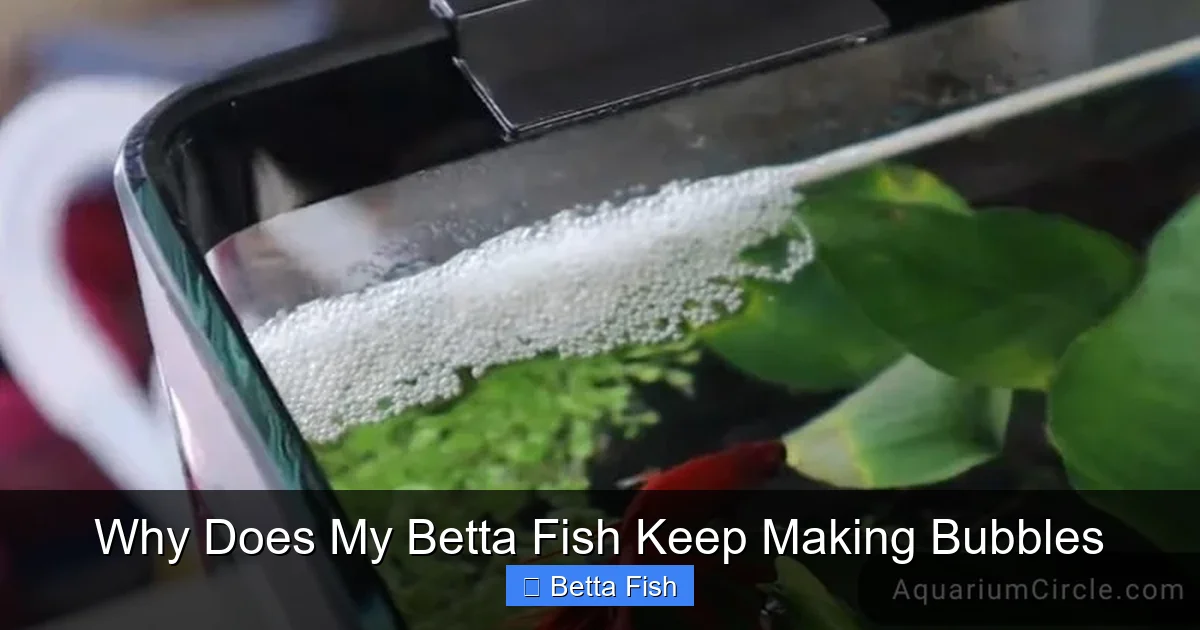
Betta fish create bubbles for many reasons—breeding, oxygen, stress, or just plain curiosity. Understanding the “why does my betta fish keep making bubbles” question helps you spot normal behavior versus a warning sign. Follow our simple tips to ensure your betta lives a vibrant, bubble‑free (or bubble‑happy) life.
Key Takeaways
- Bubble‑nesting is natural: Male bettas build nests when they are ready to breed.
- Surface gulping indicates low oxygen: Poor water quality can cause constant bubbling.
- Stress or illness may trigger excess bubbles: Watch for faded colors or labored swimming.
- Tank size and décor matter: Too small a tank or lack of hiding spots can increase bubbling.
- Regular maintenance solves most problems: Water changes, filtration, and temperature control are key.
- Not all bubbles are bad: Playful blowing is a sign of a curious, healthy betta.
- Seek expert help when needed: Persistent bubbling with other symptoms warrants a vet visit.
📑 Table of Contents
- Introduction: The Mystery of the Bubbling Betta
- 1. The Natural Instinct: Bubble‑Nest Building
- 2. Oxygen Needs: Surface Gulping and Bubble Blowing
- 3. Stress and Environmental Factors
- 4. Health Issues That Mimic Excessive Bubbling
- 5. Normal Playful Behavior: The Curious Betta
- 6. Practical Checklist: Diagnose Your Bubbling Betta
- Conclusion: Bubbles Are a Conversation
Introduction: The Mystery of the Bubbling Betta
If you’ve ever watched a bright‑colored betta fish dart to the water’s surface and start blowing bubbles, you might have asked yourself, “why does my betta fish keep making bubbles?” It’s a common sight for both new and seasoned hobbyists. Some owners think the bubbles are a sign of trouble, while others see them as a cute quirk.
In reality, the answer is a blend of biology, environment, and sometimes a little stress. By breaking down each possible reason, you’ll be able to tell whether your betta’s bubbling is a happy habit or a cry for help. Let’s dive in (pun intended) and explore the many faces of betta bubble‑making.
1. The Natural Instinct: Bubble‑Nest Building
Why male bettas create bubble nests
Male bettas are famous for building bubble nests on the water’s surface. This is a reproductive behavior that dates back to their wild ancestors in shallow, slow‑moving streams of Thailand. When a male feels comfortable, he gathers air from the surface, mixes it with mucus from his mouth, and creates a cluster of bubbles that looks like a floating froth.

Visual guide about Why Does My Betta Fish Keep Making Bubbles
Image source: infishtank.com
When does the nest appear?
The nest usually appears when the male betta senses a female nearby, even if the female is just a picture on a wall. Temperature, lighting, and water quality all play a role. A stable temperature around 78°F (25‑26°C) and a calm surface encourage nest building.
Tips for encouraging a healthy nest
- Provide a shallow area or a piece of smooth leaf for the nest to attach.
- Keep water movement gentle; strong currents will break the bubbles.
- Use a dimmer light schedule (10‑12 hours on, 12‑14 hours off) to mimic natural day/night cycles.
For more on nest‑building behavior, check out Why Did My Betta Fish Make A Bubble Nest.
2. Oxygen Needs: Surface Gulping and Bubble Blowing
How low oxygen triggers bubbling
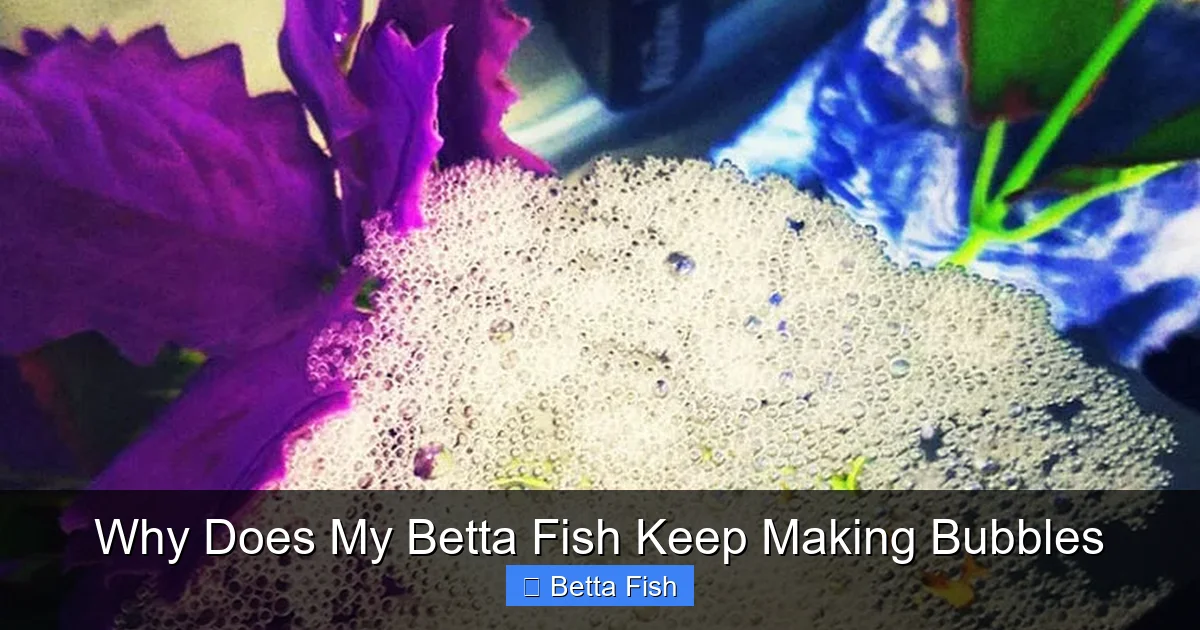
Betta fish have a special organ called a labyrinth that lets them gulp air from the surface. When dissolved oxygen (DO) levels drop—because of over‑stocking, warm water, or insufficient filtration—your betta will spend more time at the top, blowing bubbles as it breaths.
Visual guide about Why Does My Betta Fish Keep Making Bubbles
Image source: bettafish.org
Signs of low oxygen
- Frequent trips to the surface, even when not feeding.
- Lethargic swimming or floating near the top.
- Rapid gill movement (you can see the gill covers flutter).
Improving oxygen levels
- Upgrade to a gentle air stone or a sponge filter that adds surface agitation.
- Perform weekly 20‑30% water changes with temperature‑matched water.
- Avoid direct sunlight that heats the tank and reduces DO.
Read more about surface bubbles in Why Are There Bubbles In My Fish Tank Betta.
3. Stress and Environmental Factors
What stresses a betta?
Betas are territorial and can become stressed by loud noises, sudden temperature shifts, bright lights, or aggressive tank mates. Stress often shows up as increased bubble blowing, flaring, and rapid fin movement.
Common stressors and solutions
- Temperature swings: Use a reliable heater and a thermometer; keep the water between 76‑82°F.
- Bright lighting: Provide a dimmer or a floating plant to create shade.
- Tank size: A 5‑gal tank is the minimum; smaller bowls cause more stress.
- Water quality: Test for ammonia, nitrite, and nitrate weekly.
Practical tip
Place a small piece of live plant or a smooth rock near the surface. It gives your betta a “home base” and can reduce stress‑induced bubbling.
4. Health Issues That Mimic Excessive Bubbling
Diseases that cause surface activity
Sometimes, a betta will bubble more because it’s ill. Internal parasites, bacterial infections, or even a swollen swim bladder can make the fish seek air more often.
Warning signs to watch
- Faded or patchy coloration.
- Clamped fins, loss of appetite, or weight loss.
- White spots, cotton‑like growth, or fuzzy edges on the body.
When to seek veterinary help
If bubbling is accompanied by any of the above symptoms, isolate the fish in a quarantine tank and consult an aquatic veterinarian. Early treatment improves the odds of recovery.
5. Normal Playful Behavior: The Curious Betta
Why some bettas just love to blow bubbles
Not every bubble is a red flag. Many bettas enjoy “blowing” as a form of play. They may chase the bubbles they create, or simply explore the water surface out of curiosity.
How to encourage healthy play
- Offer a variety of toys, such as floating ping‑pong balls or small mirrors.
- Rotate décor to keep the environment stimulating.
- Provide a calm surface—no strong currents—so bubbles don’t get destroyed instantly.
For a broader look at why bettas make bubbles, see Why Betta Fish Making Bubbles.
6. Practical Checklist: Diagnose Your Bubbling Betta
Step‑by‑step troubleshooting
- Observe the pattern: Is the bubbling constant, or only after feeding?
- Check water parameters: Test ammonia, nitrite, nitrate, pH, and temperature.
- Inspect the tank: Look for surface agitation, algae, or debris.
- Assess health: Note any color loss, fin damage, or abnormal swimming.
- Make adjustments: Add aeration, reduce temperature, or increase tank size as needed.
- Monitor for 48‑72 hours: If bubbling decreases, you likely solved the issue.
Quick tip
Keep a small notebook beside the tank. Jot down the date, water changes, temperature, and any unusual behavior. Over time, patterns emerge, making future bubble mysteries easier to solve.
Conclusion: Bubbles Are a Conversation
When you ask, “why does my betta fish keep making bubbles?” the answer isn’t always a single factor. It could be a natural breeding instinct, a sign of low oxygen, a stress response, or simply a playful habit. By monitoring water quality, providing a stable environment, and watching for other health cues, you can quickly tell good bubbles from bad.
Remember, a happy betta often bubbles, but a betta that bubbles nonstop with other warning signs needs attention. Use the checklist above, make small adjustments, and enjoy the fascinating “bubble talk” your fish shares with you.
Frequently Asked Questions
Why does my betta fish make bubbles at the surface?
Betta fish blow bubbles to get oxygen from the air, build a bubble nest for breeding, or simply explore their environment. The reason depends on the fish’s age, sex, and tank conditions.
Is constant bubbling a sign of illness?
It can be. If bubbling is paired with faded colors, loss of appetite, or erratic swimming, it may indicate stress, low oxygen, or an underlying health issue that needs treatment.
How can I stop my betta from making too many bubbles?
Improve water quality, add gentle surface agitation, ensure the temperature stays stable, and provide enough space. Reducing stressors often reduces excess bubbling.
Do female bettas build bubble nests?
No. Only male bettas create bubble nests as part of their breeding ritual. Females may still blow bubbles, but they won’t construct a nest.
Can I use a bubble nest as a sign that my betta is ready to breed?
Yes. A well‑formed bubble nest usually means the male is ready to attract a female. Make sure both fish are healthy and the tank conditions are optimal before attempting breeding.
What should I do if my betta stops making bubbles after a nest?
If the nest disappears and the fish seems healthy, it’s normal. The male may have completed his breeding cycle or simply decided the conditions aren’t right for nesting at the moment.