Can Bettas Live in 75 Gallon Fish Tank
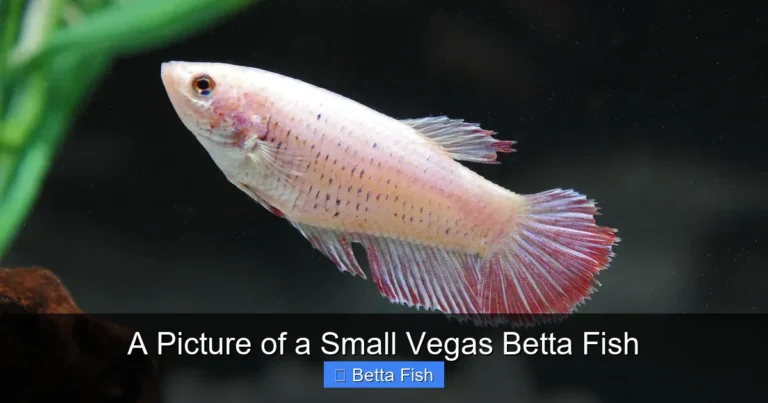
Yes, bettas can absolutely live in a 75 gallon fish tank, and many thrive in the extra space. However, a large tank comes with unique challenges like proper filtration, heating, and finding your betta in a vast environment. This guide covers everything you need to know about keeping betta fish in a 75 gallon setup.
Key Takeaways
- Bettas can thrive in a 75 gallon tank when proper water parameters, heating, and filtration are maintained consistently.
- A larger volume of water is more stable than smaller tanks, making it easier to maintain consistent temperature and water chemistry.
- Strong filtration must be adjusted because bettas prefer calm water flow and can struggle against powerful currents.
- Compatible tank mates are essential if you plan to stock a 75 gallon community tank with a betta as the centerpiece fish.
- Plants and hiding spots are critical in a large tank to reduce stress and give your betta territories to explore and claim.
- Feeding can be more challenging in a big tank since bettas may have trouble finding food scattered across a large space.
- A 75 gallon tank requires more maintenance overall, including larger water changes, more substrate, and higher equipment costs.
📑 Table of Contents
- Can Bettas Really Live in a 75 Gallon Fish Tank?
- The Benefits of Keeping Bettas in a 75 Gallon Fish Tank
- Challenges of a 75 Gallon Betta Tank
- Setting Up the Perfect 75 Gallon Betta Tank
- Best Tank Mates for Bettas in a 75 Gallon Fish Tank
- Feeding Your Betta in a Large Tank
- Maintenance and Care for a 75 Gallon Betta Tank
- Common Mistakes to Avoid
- Conclusion
Can Bettas Really Live in a 75 Gallon Fish Tank?
So you have a gorgeous 75 gallon fish tank sitting in your living room, and you are wondering: can my betta fish actually live in something that big? It is a fair question. Most people picture bettas in tiny bowls or small 5 gallon tanks. The idea of putting one little fish in a massive aquarium might seem strange at first. But here is the truth. Not only can bettas live in a 75 gallon fish tank, they can genuinely flourish in one when the setup is done right.
Betta fish are naturally found in large, slow-moving bodies of water in Southeast Asia. Rice paddies, marshes, and floodplains are their native habitats. These environments can expand for miles during the rainy season. So a 75 gallon tank actually mimics their natural world far more than a small bowl ever could. The key is making sure the tank is properly configured for a betta’s specific needs. A big empty tank with strong currents and no hiding places is not ideal. But a well-planted, gently filtered 75 gallon aquarium? That is betta paradise.
In this article, we will walk through everything you need to know about keeping betta fish in a 75 gallon fish tank. We will cover the benefits, the challenges, tank mates, setup tips, and common mistakes to avoid. Whether you are a beginner or an experienced fish keeper, this guide will help you create the perfect large-scale home for your betta.
The Benefits of Keeping Bettas in a 75 Gallon Fish Tank
More Stable Water Parameters
One of the biggest advantages of a 75 gallon fish tank is water stability. In a small tank, ammonia, nitrite, and nitrate levels can spike dangerously fast. A single missed water change or a tiny overfeeding can crash your cycle. But in a 75 gallon tank, the large volume of water dilutes waste more effectively. Temperature fluctuations are also less dramatic. This means your betta fish lives in a more consistent, healthier environment. For anyone who has struggled with maintaining stable conditions in a nano tank, a larger aquarium is a game changer.
Room for a Thriving Community
A 75 gallon tank gives you the space to create a real community aquarium. Your betta becomes the stunning centerpiece fish surrounded by a carefully chosen selection of peaceful tank mates. Think schools of tetras, corydoras catfish, and colorful rasboras swimming together. This kind of setup is visually stunning and provides enrichment for all the fish involved. The betta has room to establish its territory without feeling cramped or constantly threatened by neighbors.
Natural Behaviors and Exploration
Betta fish are curious, intelligent creatures. In a small tank, they have limited space to explore and exhibit natural behaviors. A 75 gallon fish tank allows your betta to swim freely, investigate plants, claim different areas of the tank, and display their full range of behaviors. You will notice your betta becoming more active and confident. Their colors often become more vibrant too. A happy betta in a spacious environment is a truly beautiful sight.
Challenges of a 75 Gallon Betta Tank
Managing Water Flow and Filtration
Here is where things get tricky. Bettas come from slow-moving or still water. They are not strong swimmers, especially the long-finned varieties. A powerful filter designed for a 75 gallon tank can create currents that stress your betta and make it exhausting for them to swim. You need a filter rated for the tank size, but you must baffle the output or use a spray bar to diffuse the flow. Sponge filters are another excellent option. They provide gentle biological filtration without creating strong currents. Many experienced betta keepers prefer sponge filters in large tanks for this exact reason.
Heating a Large Volume of Water
Bettas need a stable water temperature between 76 and 82 degrees Fahrenheit. Heating a 75 gallon tank requires a more powerful heater than what you would use in a 10 gallon setup. Most keepers recommend using two heaters placed at opposite ends of the tank. This ensures even heat distribution and provides redundancy. If one heater fails, the other keeps the temperature from dropping too quickly. A good rule of thumb is about 5 watts per gallon, so you are looking at roughly 375 watts total. Two 200-watt heaters on opposite sides work perfectly.
Finding Your Betta in a Big Space
This might sound funny, but it is a real concern. A betta fish in a 75 gallon tank can be surprisingly hard to spot. If your tank is not well-organized with clear sight lines, you might find yourself playing hide and seek every feeding time. This is why tank layout matters so much. You want open swimming areas where you can observe your betta, balanced with planted zones and decorations that provide shelter without completely blocking your view.
Setting Up the Perfect 75 Gallon Betta Tank
Choosing the Right Substrate
For a 75 gallon betta tank, you have several great substrate options. Inert gravel or sand works well and is easy to maintain. If you plan to keep live plants, a nutrient-rich planted tank substrate like ADA Aqua Soil or Fluval Stratum will give your plants the best start. Sand is particularly popular for betta tanks because it is gentle on their delicate fins and looks natural. A depth of about 2 inches is ideal for most planted setups. Remember, a 75 gallon tank requires a lot of substrate. Plan on purchasing enough to cover the entire bottom evenly.
Essential Plants and Decorations
Live plants are not just decorative. They are essential for a betta’s well-being in a large tank. Plants break up sight lines, reduce stress, and provide natural filtration. Some of the best plants for a betta tank include Java fern, Anubias, Amazon sword, Vallisneria, and floating plants like frogbit or water lettuce. Floating plants are especially important because bettas love resting near the surface and building bubble nests under broad leaves.
For decorations, choose smooth driftwood and caves that provide hiding spots. Avoid anything with sharp edges that could tear your betta’s fins. Silk plants are a safe alternative if you prefer artificial decorations. The goal is to create a tank that feels like a natural habitat. Dense planting in some areas with open swimming space in others gives your betta the best of both worlds.
Lighting Considerations
Good lighting serves two purposes. It supports plant growth and showcases your betta’s incredible colors. For a 75 gallon planted tank, a full-spectrum LED light is the best choice. Look for one with adjustable intensity so you can dial it to the right level. Too much light can promote algae growth and stress your betta. Aim for 6 to 8 hours of light per day. A timer makes this effortless. If you include floating plants, they will naturally diffuse the light and create the dappled effect that bettas love.
Best Tank Mates for Bettas in a 75 Gallon Fish Tank
One of the greatest advantages of a 75 gallon fish tank is the ability to keep your betta with other fish. The key is choosing peaceful, non-aggressive species that will not nip at your betta’s long fins or compete aggressively for food. For a detailed guide on compatible species, check out our article on what fish can live with bettas in a tank.

Visual guide about Can Bettas Live in 75 Gallon Fish Tank
Image source: wallpaperaccess.com
Top Community Fish Choices
Here are some of the best tank mates for a betta in a 75 gallon community tank:
- Ember tetras These tiny, peaceful fish add a beautiful orange glow to your tank. They stay small and are completely harmless to bettas.
- Corydoras catfish Bottom-dwelling corys are excellent cleanup crew members. A group of 8 to 12 corydoras will keep the substrate clean and add activity to the lower levels of your tank.
- Harlequin rasboras These mid-level swimmers are calm, colorful, and perfect community fish. A school of 10 to 15 looks stunning in a 75 gallon setup.
- Kuhli loaches These quirky, eel-like fish are peaceful bottom dwellers that add personality to any tank. They love hiding in groups and are completely betta-safe.
- Amano shrimp These larger shrimp are excellent algae eaters and are too big for bettas to bother. They add interest without taking up much bioload.
- Nerite snails Hardy and attractive, nerite snails are fantastic algae cleaners that coexist peacefully with bettas.
Fish to Avoid
Not every fish gets along with bettas. Avoid aggressive or fin-nipping species at all costs. Tiger barbs, serpae tetras, and some gourami species can be problematic. Other male bettas should never be housed together, as they will fight violently. For more information on this topic, read our guide on can two betta fish live in the same tank. Also, avoid keeping your betta with large predatory fish that might see it as food.
Feeding Your Betta in a Large Tank
Overcoming the Feeding Challenge
Feeding a betta in a 75 gallon fish tank requires a bit more attention than in a small setup. When you drop pellets into a large tank, they can scatter widely. Your betta might not find them before other fish eat them or they sink into the substrate. The solution is to use a feeding ring or target feed. A feeding ring is a small floating ring that keeps food in one spot. You can also use a turkey baster or pipette to place food directly in front of your betta.
Recommended Diet
A varied diet keeps your betta healthy and vibrant. High-quality betta pellets should form the staple of their diet. Supplement with frozen or live foods like bloodworms, brine shrimp, and daphnia two to three times a week. Feed your betta only what they can consume in about two minutes. Overfeeding is one of the most common mistakes in large tanks because people tend to overestimate how much food is needed. Remove any uneaten food promptly to maintain water quality.
Maintenance and Care for a 75 Gallon Betta Tank
Water Change Schedule
Even though a 75 gallon tank is more stable than a small one, regular water changes are still essential. Aim for a 25 to 30 percent water change every week. Use a gravel vacuum to remove waste from the substrate during each change. Always treat tap water with a quality dechlorinator before adding it to the tank. If you want to learn more about water quality, our article on can betta fish live in tap water covers everything you need to know about preparing safe water for your aquarium.
Monitoring Water Parameters
Test your water regularly using a liquid test kit. You want to maintain ammonia and nitrite at zero at all times. Nitrate should stay below 20 ppm. pH should be stable between 6.5 and 7.5 for bettas. Temperature must remain between 76 and 82 degrees Fahrenheit. In a large tank, parameters can shift gradually, so consistent testing helps you catch problems before they become serious.
Filter Maintenance
Clean your filter media every two to four weeks, depending on your bioload. Never replace all filter media at once. This would crash your beneficial bacteria colony. Instead, rinse media in old tank water during a water change. If you use a sponge filter, simply squeeze it out in a bucket of removed tank water. This preserves the biological filtration while removing debris.
Common Mistakes to Avoid
Adding Too Many Fish at Once
When you have a beautiful 75 gallon tank, it is tempting to stock it fully right away. Resist that urge. Adding too many fish at once can overwhelm your biological filter and cause dangerous ammonia spikes. Stock your tank gradually. Start with your betta and a small group of peaceful fish. Wait a few weeks, test your water, and then add more if parameters remain stable. Patience is the key to a successful community tank.
Ignoring the Need for Hiding Spots
Some people set up a 77 gallon tank with minimal decorations because it looks clean and modern. But bettas need places to retreat and feel secure. Without adequate hiding spots, your betta may become stressed, which weakens its immune system and leads to illness. Always include caves, dense plantings, and driftwood in your layout. A betta that feels safe is a betta that thrives.
Choosing the Wrong Filter
Using a filter that is too powerful for a betta is one of the most common mistakes in large tanks. If your betta is constantly being pushed around by the current, it will become stressed and exhausted. Always baffle strong filters or choose gentler options like sponge filters. Your betta should be able to swim comfortably without fighting the water flow.
Conclusion
So, can bettas live in a 75 gallon fish tank? Absolutely yes. A properly set up 75 gallon aquarium can be one of the best homes you can provide for a betta fish. The large volume of water creates a stable environment. The extra space allows for a beautiful community setup. And the room to explore brings out your betta’s best colors and behaviors.
Of course, a big tank comes with responsibilities. You need to manage filtration carefully, heat the water evenly, feed your betta properly, and maintain a consistent cleaning schedule. But if you are willing to put in the effort, the rewards are incredible. A thriving 75 gallon betta tank is a living work of art that brings joy and tranquility to any room.
Whether you are upgrading from a smaller tank or starting fresh with a 75 gallon setup, your betta fish will thank you for the spacious, enriching environment. Take your time with the setup, choose tank mates wisely, and enjoy the process. Your betta deserves the best, and a well-planned 75 gallon fish tank delivers exactly that.
Frequently Asked Questions
Is a 75 gallon tank too big for a single betta fish?
No, a 75 gallon tank is not too big for a single betta. While it is larger than the minimum recommended size, the extra space actually benefits the betta as long as the tank is properly set up with plants, hiding spots, and gentle filtration. A spacious tank allows your betta to swim freely and display natural behaviors.
How many fish can I keep with a betta in a 75 gallon tank?
A 75 gallon tank can comfortably house a betta along with a community of 20 to 30 small peaceful fish. A good starting combination includes a betta, 10 to 15 ember tetras, 8 to 12 corydoras catfish, and a few nerite snails. Always stock gradually and test your water parameters regularly to ensure the bioload stays manageable.
Do I need two heaters for a 75 gallon betta tank?
Yes, using two heaters is highly recommended for a 75 gallon tank. Place one heater at each end of the tank to ensure even heat distribution. Two 200-watt heaters provide approximately 400 watts total, which is sufficient for maintaining a stable temperature between 76 and 82 degrees Fahrenheit. Dual heaters also provide redundancy in case one fails.
What is the best filter for a 75 gallon betta tank?
A sponge filter is often the best choice for a betta tank because it provides gentle filtration without creating strong currents. If you prefer a hang-on-back or canister filter, make sure to baffle the output with a spray bar or sponge to reduce water flow. The goal is to maintain excellent water quality while keeping the current calm enough for your betta to swim comfortably.
Can I keep multiple bettas in a 75 gallon tank?
Male bettas should never be housed together, regardless of tank size, as they will fight aggressively. However, a group of female bettas called a sorority can sometimes work in a 75 gallon tank with heavy planting and at least 5 to 7 females to spread out aggression. This is an advanced setup and requires careful monitoring. For more details, read our article on can you have multiple betta fish in a tank.
How often should I do water changes in a 75 gallon betta tank?
Perform a 25 to 30 percent water change every week in a 75 gallon betta tank. Use a gravel vacuum to clean the substrate during each change and always treat new water with a dechlorinator. Even though a large tank is more stable, consistent water changes are essential for keeping nitrate levels low and maintaining a healthy environment for your betta and tank mates.