Looking for omega‑3 alternatives to fish oil? This guide breaks down the top plant‑based and marine options, compares their benefits for betta fish, and shows how to pick the most effective source for vibrant colors and strong immunity. Read on to find out which omega‑3 might be the best fit for your finned friend.
Key Takeaways
- Not all omega‑3s are equal: EPA and DHA from fish oil are powerful, but algae, krill, and flaxseed offer unique advantages.
- Betta health matters: Proper omega‑3s can improve fin condition, reduce inflammation, and enhance coloration.
- Plant sources lack DHA: Flaxseed and chia provide ALA, which the betta must convert—a process that’s inefficient.
- Algae oil delivers DHA directly: It’s a sustainable, vegetarian alternative that rivals fish oil for betta care.
- Quality beats price: Look for purified, molecular‑distilled products free of heavy metals.
- Combine with a balanced diet: Omega‑3s work best when paired with high‑quality betta pellets or frozen foods.
- Consult a vet for dosage: Over‑supplementation can cause water quality issues and health problems.
📑 Table of Contents
Introduction: Why the Quest for Better Omega‑3s?
If you’ve ever watched your betta flaunt its brilliant fins, you know how much a healthy diet matters. Many hobbyists reach for fish oil capsules because they’re easy to find and packed with EPA and DHA, the two omega‑3 fatty acids most praised for heart health and inflammation control. But the question lingers: are there other omega 3s better then fish oill for our delicate bettas?
In this article we’ll explore the science behind omega‑3s, compare fish oil to plant‑based and marine alternatives, and give you clear, actionable tips on choosing the right supplement. By the end, you’ll know whether a different source could give your betta brighter colors, stronger immunity, and a longer, happier life.
Understanding Omega‑3 Basics
What Are EPA, DHA, and ALA?
Omega‑3 fatty acids come in three main forms:
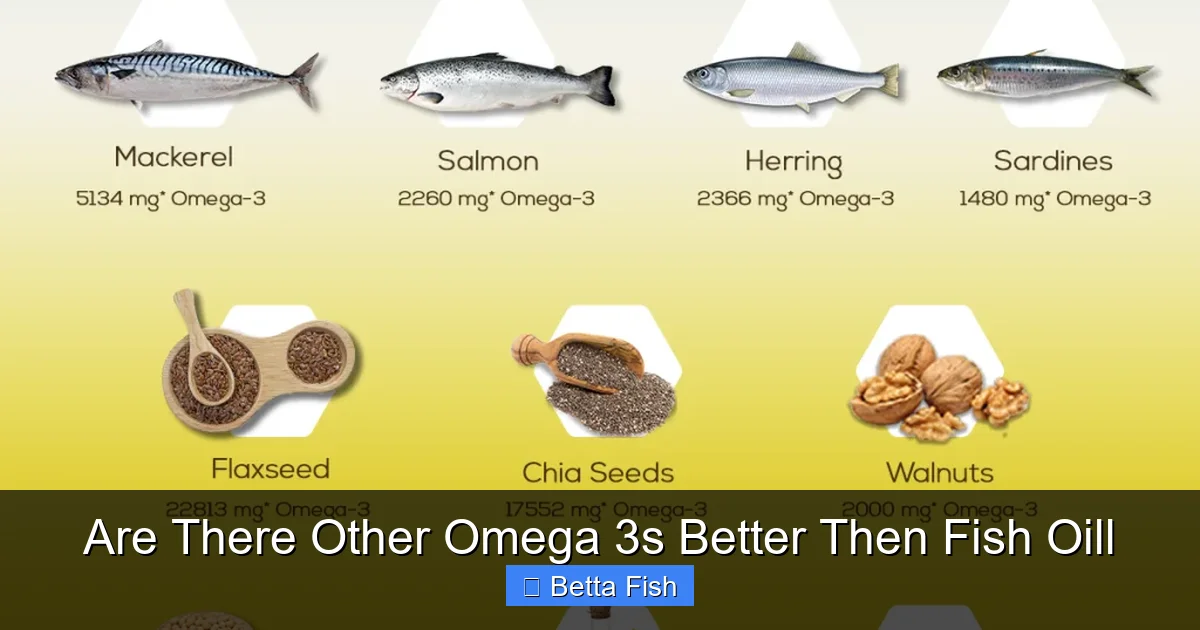
Visual guide about Are There Other Omega 3s Better Then Fish Oill
Image source: truebasics.com
- EPA (eicosapentaenoic acid): Helps reduce inflammation and supports immune function.
- DHA (docosahexaenoic acid): Crucial for brain and eye health, and it gives fish their slick, glossy skin.
- ALA (alpha‑linolenic acid): A plant‑based precursor that the body must convert to EPA and DHA.
Betta fish, like most fish, rely heavily on EPA and DHA directly from their diet. Their ability to convert ALA into these active forms is limited, which is why many aquarists prefer fish oil.
How Omega‑3s Benefit Betta Fish
Research (and plenty of hobbyist experience) shows that adequate omega‑3s can:
- Strengthen the immune system, helping bettas fight bacterial infections.
- Improve fin regeneration after nipping or damage.
- Enhance coloration by supporting healthy pigment cells.
- Reduce stress‑related inflammation, especially in cramped tanks.
Fish Oil: The Traditional Choice
Pros of Fish Oil for Bettas
Fish oil is a concentrated source of EPA and DHA. When sourced from cold‑water fish like anchovies or sardines, it contains high levels of these fatty acids and is relatively inexpensive.
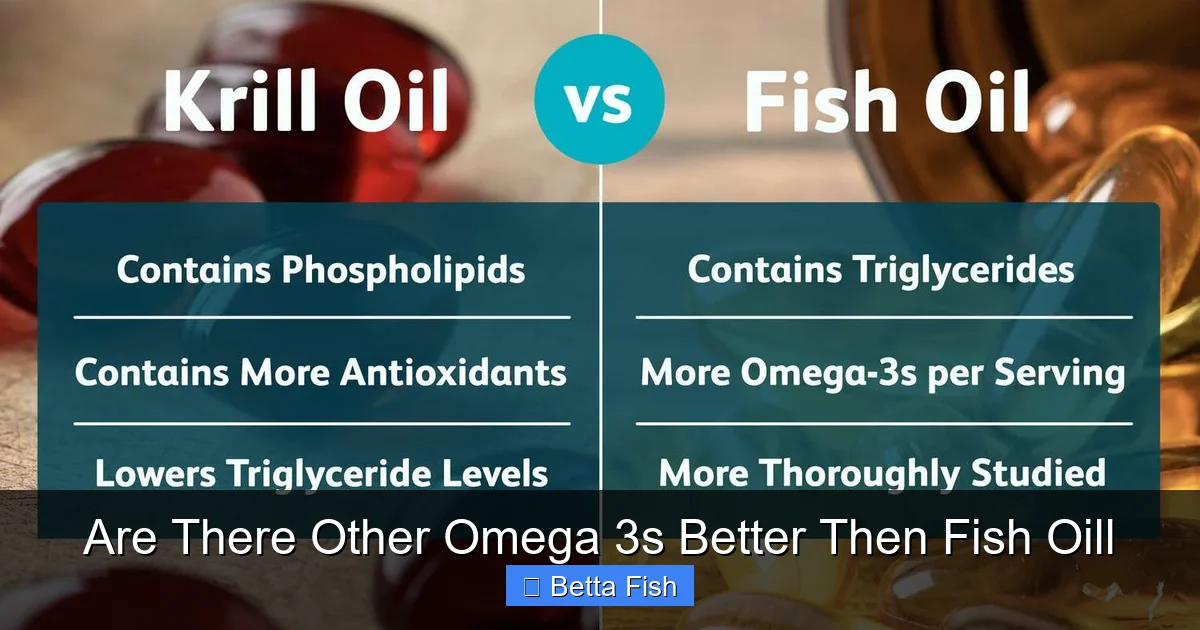
Visual guide about Are There Other Omega 3s Better Then Fish Oill
Image source: verywellhealth.com
Key benefits include:
- Fast absorption due to pre‑formed EPA/DHA.
- Proven track record in both human and aquatic health.
- Easy to dose using liquid drops or soft‑gel caps.
Cons and Concerns
Despite its popularity, fish oil has drawbacks that make many ask, “are there other omega 3s better then fish oill?”
- Oxidation: Poorly stored oil can become rancid, harming betta health.
- Contaminants: Heavy metals and PCBs may be present if the source fish are not carefully filtered.
- Sustainability: Over‑fishing threatens marine ecosystems.
- Digestive upset: High doses can cloud water and cause gastrointestinal issues.
Alternative Omega‑3 Sources
Algae Oil: The Vegetarian DHA Powerhouse
Algae oil is derived from the same microscopic plants that fish eat in the wild. It provides DHA directly, making it a true alternative to fish oil for bettas.

Visual guide about Are There Other Omega 3s Better Then Fish Oill
Image source: i.pinimg.com
Why it might be better:
- Pure DHA: No EPA, but DHA is the main fatty acid linked to skin and fin health.
- Clean profile: Free from mercury and other marine toxins.
- Sustainable: Grown in controlled labs, no impact on wild fish stocks.
When choosing algae oil, look for products labeled “molecular‑distilled” and with a DHA concentration of at least 30%.
Krill Oil: Small Crustacean, Big Benefits
Krill oil contains EPA, DHA, and a natural antioxidant called astaxanthin, which gives krill its red hue. Astaxanthin can further boost color vibrancy in bettas.
Pros include:
- Higher bioavailability thanks to phospholipid‑bound omega‑3s.
- Built‑in antioxidant protection.
- Less fishy aftertaste, making it easier to mix with betta foods.
However, krill harvesting raises ecological concerns, and the price point is usually higher than fish oil.
Flaxseed & Chia: Plant‑Based ALA Sources
Flaxseed oil and chia seed oil are rich in ALA. They are popular among vegans and can be added to betta diets in small amounts.
Key points to consider:
- Betta’s conversion rate of ALA to EPA/DHA is low (often <10%).
- These oils are prone to oxidation; store them in the fridge.
- They lack direct DHA, so they’re not as effective for fin health as fish or algae oil.
For hobbyists who insist on a plant‑based route, pairing ALA sources with a small amount of algae oil can cover the DHA gap.
Other Emerging Options
Scientists are experimenting with genetically‑engineered yeast that produces EPA/DHA, and with nano‑encapsulated omega‑3s that improve stability. While promising, these are not yet widely available for home aquariums.
Choosing the Right Omega‑3 for Your Betta
Assess Your Betta’s Needs
Start by evaluating your fish’s condition:
- Color intensity: Dull or faded hues may signal a need for more DHA.
- Fin health: Torn or frayed fins can benefit from EPA’s anti‑inflammatory effects.
- Water quality: High oil doses can cloud water; choose a source that mixes well.
Dosage Guidelines
There’s no one‑size‑fits‑all rule, but a safe starting point is 1–2 µL of liquid omega‑3 per gram of body weight, 2–3 times per week. Always begin with the lowest dose and monitor water parameters.
Practical Tips for Supplementation
- Mix with food: Blend a few drops of oil with high‑quality betta pellets or frozen bloodworms.
- Use a pipette: Precise dosing prevents over‑supplementation.
- Change water regularly: Remove excess oil and maintain clear water.
- Store properly: Keep oils in dark, airtight containers in the refrigerator.
When to Choose an Alternative Over Fish Oil
If any of the following apply, you might answer “yes” to the question, “are there other omega 3s better then fish oill?” for your betta:
- You’re concerned about heavy metal contamination.
- You prefer a sustainable, cruelty‑free product.
- Your betta has a sensitive stomach that reacts to fish oil.
- You want the added antioxidant benefits of astaxanthin (krill oil).
Putting It All Together: A Sample Feeding Plan
Week‑by‑Week Schedule
Week 1–2: Introduce a low dose of algae oil (1 µL per gram) mixed with pellets twice a week.
Week 3–4: Add a single krill oil drop (0.5 µL) once a week for antioxidant boost.
Week 5–6: Evaluate fin condition and color. If improvement is seen, maintain the schedule; if not, consider a modest increase of fish oil (up to 2 µL per gram) for an extra EPA boost.
Throughout, perform 25% water changes after each supplementation day to keep the tank clean.
Monitoring Success
Keep a simple log:
- Date of supplementation
- Type and amount of oil
- Observed changes in color, fin health, and behavior
- Water parameters (ammonia, nitrite, nitrate)
Adjust as needed based on the results. Consistency, not just occasional dosing, yields the best long‑term benefits.
Conclusion: Is There a Clear Winner?
Answering the question “are there other omega 3s better then fish oill” isn’t a simple yes or no. Fish oil remains a solid, affordable source of EPA and DHA, but alternatives like algae oil and krill oil offer cleaner, more sustainable options with comparable—or in some cases, superior—benefits for betta fish.
If your priority is purity, sustainability, and a direct DHA source, algae oil is the standout choice. For added antioxidant power and excellent bioavailability, krill oil is worth the extra cost. Plant‑based ALA sources can supplement a diet but should not replace EPA/DHA‑rich oils.
Ultimately, the “best” omega‑3 depends on your betta’s specific health needs, your ethical preferences, and your budget. By testing, monitoring, and adjusting, you’ll find the perfect balance that keeps your betta’s fins flashing and its immune system robust.
Further Reading
Curious about other aspects of betta care? Check out our guide on Which Is Better Omega 3 Fish Oil Or Flaxseed for a deeper dive into plant versus marine sources. Also, learn why bettas sometimes develop bubbles in their tanks in Why Are There Bubbles In My Fish Tank Betta. For a broader view on inflammation management, read What Is Better Than Fish Oil For Inflammation.
Frequently Asked Questions
Can I give my betta fish fish oil directly from a capsule?
Yes, but pierce the soft‑gel and squeeze a few drops onto the food. Avoid giving whole capsules, as they can be a choking hazard.
Do algae supplements need to be refrigerated?
Most algae oils are sensitive to heat and light, so store them in a dark, airtight bottle in the refrigerator to preserve freshness.
Is krill oil safe for all betta fish?
Generally, krill oil is safe, but start with a very small dose. Some bettas may react to the crustacean protein, so watch for any changes in behavior or water quality.
Will flaxseed oil make my betta’s colors brighter?
Flaxseed provides ALA, which bettas convert poorly to DHA. It may offer some health benefits but is unlikely to significantly enhance coloration.
How often should I change the water after adding omega‑3s?
Perform a 20‑25% water change the day after dosing to remove excess oil and keep nitrate levels low.
Can I combine two different omega‑3 sources?
Yes, many hobbyists blend algae oil with a small amount of krill oil to get both DHA and antioxidant benefits. Just keep total dosage within safe limits.

