Can Betta Fish
Betta fish are vibrant, hardy companions that thrive with proper care, a suitable environment, and thoughtful tank mates. From tank setup to feeding tips, this guide covers all the essentials to help you enjoy a thriving betta.
Key Takeaways
- Tank size matters: A minimum of 5 gallons provides space for swimming and stable water parameters.
- Water quality is crucial: Regular water changes and a gentle filter keep ammonia low and pH stable.
- Diet diversity promotes health: Combine high‑quality betta pellets with occasional frozen or live foods.
- Compatibility is selective: Choose peaceful, non‑fin‑nipping tank mates like snails or certain shrimp.
- Temperature control is non‑negotiable: Keep water between 76‑82°F (24‑28°C) for optimal metabolism.
- Watch for signs of stress: Faded colors, clamped fins, or rapid breathing indicate problems.
- Regular observation prevents disease: Early detection of fin rot or ich leads to quick treatment.
📑 Table of Contents
- Introduction: Why Betta Fish Capture Our Hearts
- 1. Setting Up the Perfect Home for Your Betta
- 2. Feeding Your Betta: What to Offer and What to Avoid
- 3. Understanding Betta Behavior and Health Signs
- 4. Can Betta Fish Live With Other Species?
- 5. Common Questions About Betta Care
- 6. Tips for Long‑Term Success
- Conclusion: Your Betta’s Bright Future
Introduction: Why Betta Fish Capture Our Hearts
If you’ve ever walked past a pet store and been dazzled by a flash of iridescent color, you’ve probably met a betta fish. These little warriors, also called Siamese fighting fish, are famous for their flamboyant fins and feisty personalities. But beyond the looks, bettas are surprisingly easy to keep, making them a top choice for beginners and seasoned aquarists alike.
In this article we’ll answer the most common questions about betta fish, from tank setup to feeding, and even which roommates they can tolerate. Think of it as a friendly chat over coffee—simple language, practical tips, and plenty of real‑world examples.
1. Setting Up the Perfect Home for Your Betta
Choosing the Right Tank
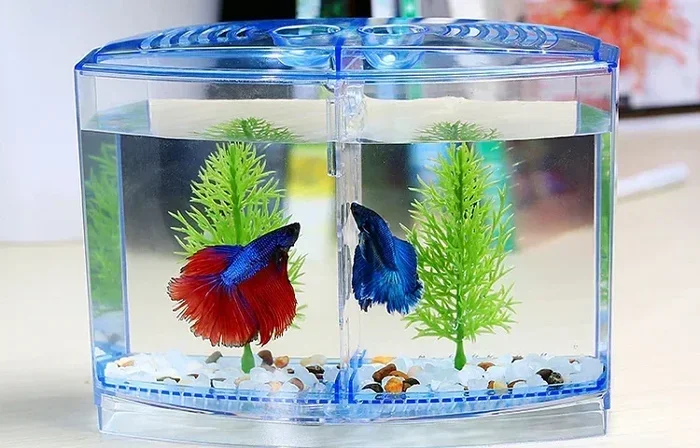
The myth that bettas can live forever in tiny bowls is just that—myth. A 5‑gallon (19‑liter) tank is the sweet spot. It provides enough water volume to dilute waste, stabilise temperature, and give your fish room to explore. If space allows, a 10‑gallon tank is even better, especially if you plan to add compatible tank mates.

Visual guide about Can Betta Fish
Image source: img3.pillowfort.social
Filtration and Water Flow
Betta fish prefer calm water, so select a low‑flow filter or use a sponge filter that creates gentle currents. A filter not only clears debris but also supports beneficial bacteria that break down ammonia. Remember to rinse filter media in tank water during maintenance to preserve the good bacteria.
Heating and Temperature Control
Betas are tropical fish; they thrive at 76‑82°F (24‑28°C). A reliable submersible heater with an adjustable thermostat is essential. Use a digital aquarium thermometer to double‑check the temperature, and avoid sudden spikes by pre‑warming new water before water changes.
Decor and Hiding Places
Live plants like Java fern, Anubias, or floating duckweed provide natural cover and help maintain water quality. If live plants feel daunting, silk plants work well—avoid plastic decorations with sharp edges that can tear delicate fins.
2. Feeding Your Betta: What to Offer and What to Avoid
Staple Diet: High‑Quality Pellets
Commercial betta pellets are formulated with the right protein‑to‑fat ratio. Feed 2‑3 pellets once or twice daily, removing any uneaten food after five minutes to prevent water fouling.

Visual guide about Can Betta Fish
Image source: cdn.shopify.com
Supplementary Foods
Occasional treats keep a betta’s diet interesting and boost coloration. Offer frozen or live brine shrimp, daphnia, or bloodworms 1‑2 times per week. What Can Betta Fish Eat provides a deeper dive into safe options.
Feeding Mistakes to Dodge
- Overfeeding leads to cloudy water and health issues.
- Avoid flake foods meant for goldfish; they’re too large and may cause choking.
- Never feed bread or human snacks—betta digestive systems can’t process them.
3. Understanding Betta Behavior and Health Signs
Typical Betta Personality
Male bettas are territorial and will flare their fins when they feel threatened. Females are generally less aggressive but can still defend their space. Observing how your fish reacts to its environment tells you a lot about its comfort level.

Visual guide about Can Betta Fish
Image source: koreangardenboston.com
Health Indicators to Watch
Healthy bettas display bright colors, upright fins, and active swimming. Warning signs include:
- Clamped fins (held close to the body)
- Faded or spotty coloration
- Rapid gill movement or gasping at the surface
- White spots (possible ich) or ragged fins (fin rot)
If you notice any of these, act quickly—quarantine the fish if possible and treat with appropriate medication.
4. Can Betta Fish Live With Other Species?
General Compatibility Rules
Betta fish are not the most social swimmers, but with careful selection they can share a tank. The key is to avoid fin‑nippers and overly active fish that stress the betta.
Best Tank Mates
- Snails: Apple or mystery snails are peaceful and help clean algae.
- Ghost shrimp: Their translucent bodies are usually ignored by bettas.
- Small, non‑aggressive rasboras: Species like Harlequin rasbora stay low in the water column.
For a detailed list, see What Other Fish Can Live With Betta Fish.
Species to Avoid
Fin‑nipping fish such as guppies, tetras, and larger barbs can damage a betta’s delicate fins. Also steer clear of other male bettas unless you have a divided tank.
Can Betta Fish Live With Frogs?
Some small aquatic frogs can coexist if the tank is spacious and has plenty of hiding spots, but monitor closely for stress. Read more at Can Aquatic Frogs Live With Betta Fish.
5. Common Questions About Betta Care
Can Betta Fish Grow Their Fins Back?
Yes—if the damage is minor and the water quality is optimal, bettas can regrow fin tissue over weeks. See Can Betta Fish Fins Grow Back for a step‑by‑step guide.
Do Betta Fish Need a Heater in a Warm Climate?
Even in warm rooms, night temperatures can drop below the ideal range. A heater ensures a stable environment, preventing stress and disease.
How Often Should I Change the Water?
Change 25‑30% of the tank water weekly. Use a water conditioner to remove chlorine and chloramine, and match the temperature of the new water to the tank.
6. Tips for Long‑Term Success
Routine Maintenance Checklist
- Check temperature daily.
- Test water parameters (ammonia, nitrite, nitrate, pH) weekly.
- Perform 25‑30% water changes every 7‑10 days.
- Trim any dead or torn fins with clean scissors.
- Rotate feeding foods to keep nutrition balanced.
Creating a Stress‑Free Environment
Limit sudden movements around the tank, keep lights on a consistent schedule (10‑12 hours), and avoid loud noises. A calm environment translates to brighter colors and active swimming.
Conclusion: Your Betta’s Bright Future
Betta fish are more than just pretty faces—they’re resilient, curious, and rewarding companions when given proper care. By providing a suitably sized, filtered, and heated tank, feeding a balanced diet, and selecting compatible tank mates, you set the stage for a vibrant, healthy betta that will bring joy for years to come. Remember, the best fishkeeping secret is observation: watch your betta, learn its quirks, and adjust as needed. Happy fish‑keeping!
Frequently Asked Questions
Can betta fish live in a small bowl?
While bettas can survive in small bowls, they thrive in larger, filtered tanks that maintain stable water conditions. A 5‑gallon tank is the recommended minimum.
What temperature should a betta tank be?
Maintain the water between 76‑82°F (24‑28°C). Use a reliable heater and thermometer to keep the temperature steady.
How often should I feed my betta?
Feed 2‑3 small pellets once or twice daily, removing any uneaten food after five minutes. Supplement with frozen or live foods 1‑2 times a week.
Can bettas share a tank with shrimp?
Yes, most bettas ignore peaceful shrimp like ghost shrimp, making them good tank mates. Monitor the betta initially to ensure it doesn’t become aggressive.
What are signs of a sick betta?
Look for faded colors, clamped fins, rapid breathing, white spots, or ragged edges on the fins. Early detection leads to quicker recovery.
Do bettas need a filter?
A gentle filter helps keep water clean and supports beneficial bacteria. Choose a low‑flow filter or a sponge filter to avoid stressing the fish.