Can Betta Fish Survive in Tap Water

Betta fish can live in tap water—but only after you condition and test it. Untreated tap water often contains chlorine, chloramine, and harmful minerals that can stress or kill a betta. Follow the easy steps below to make tap water safe and create a thriving home for your finned friend.
Key Takeaways
- Test first: Always measure pH, hardness, and temperature before adding a betta.
- Condition the water: Use a water conditioner to neutralize chlorine and chloramine.
- Adjust parameters: Most bettas prefer pH 6.5‑7.5 and soft to medium hardness.
- Temperature matters: Keep the water between 76‑82°F (24‑28°C) for optimal health.
- Regular water changes: Change 25‑30% of the tank water weekly to prevent toxin buildup.
- Use a filter or aeration: Even a small sponge filter improves water quality dramatically.
- Monitor your fish: Look for signs of stress such as faded colors, clamped fins, or rapid breathing.
📑 Table of Contents
- Introduction: Why the Tap Water Question Matters
- 1. Understanding What’s Inside Your Tap Water
- 2. How to Properly Condition Tap Water for Betta Fish
- 3. Setting Up the Ideal Betta Tank with Tap Water
- 4. Common Mistakes and How to Avoid Them
- 5. Frequently Asked Questions About Tap Water and Betta Health
- Conclusion: Safe Tap Water Means a Happy Betta
Introduction: Why the Tap Water Question Matters
When you first bring home a betta, the easiest thing to do is fill the tank with water straight from the faucet. It looks clean, it’s cheap, and it’s convenient. But many new owners don’t realize that tap water can hide chemicals and mineral levels that are harmful to these delicate fish.
In this article we’ll answer the headline question—can betta fish survive in tap water?—and walk you through everything you need to know to turn ordinary tap water into a safe, comfortable home. By the end, you’ll feel confident that your betta is swimming in water that supports its health, color, and longevity.
1. Understanding What’s Inside Your Tap Water
1.1 Chlorine and Chloramine
Most municipal water supplies add chlorine or chloramine to kill bacteria. While great for humans, these chemicals are poisonous to fish. Chlorine evaporates quickly, but chloramine does not, so you need a water conditioner that removes both.
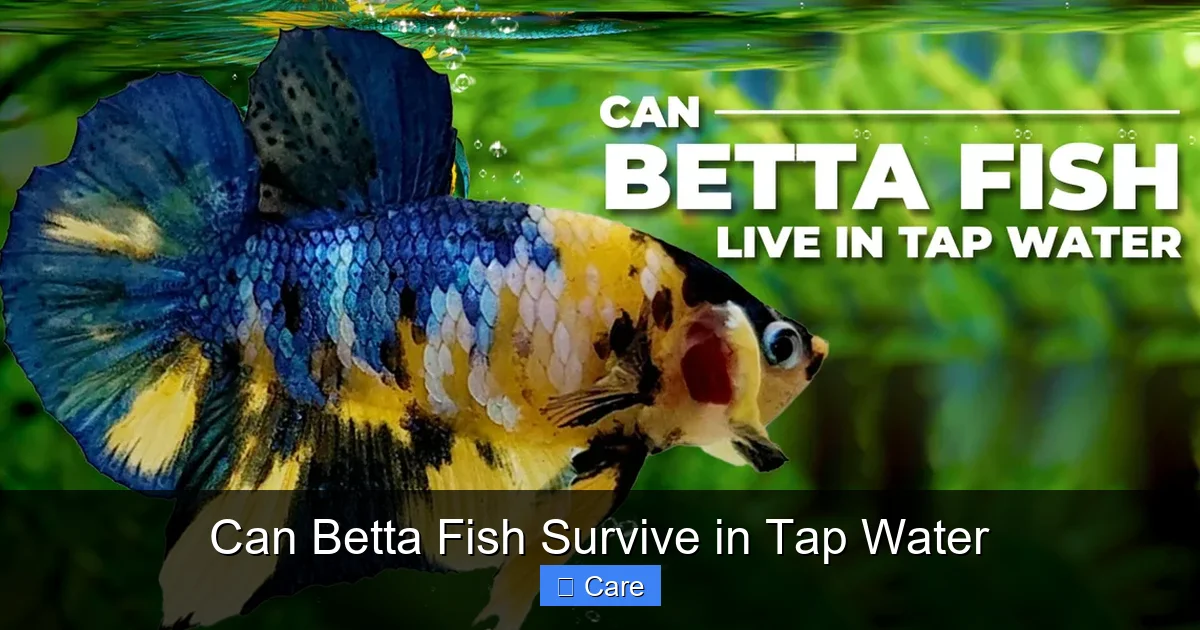
Visual guide about Can Betta Fish Survive in Tap Water
Image source: cdn.shopify.com
1.2 Hardness (GH) and Alkalinity (KH)
Hardness measures the amount of dissolved calcium and magnesium. Betta fish thrive in soft to moderately hard water (GH 3‑8 dGH). Alkalinity helps keep pH stable. If your tap water is very hard, you may need to soften it with reverse‑osmosis (RO) water or a commercial softening agent.
1.3 pH Levels
Tap water pH can range from 6.5 to 8.5 depending on your region. Betta fish are happiest in slightly acidic to neutral water (pH 6.5‑7.5). A simple pH test kit will tell you where you stand.
1.4 Temperature Fluctuations
Cold water from the tap can shock a betta, especially if the room temperature is warm. Always bring the water to the proper temperature (76‑82°F) before adding it to the tank.
2. How to Properly Condition Tap Water for Betta Fish
2.1 Step‑by‑Step Conditioning Process
- Measure the water: Use a test strip or liquid kit to check pH, GH, and KH.
- Add a water conditioner: Follow the label to neutralize chlorine, chloramine, and heavy metals. A product like API Tap Water Conditioner works well.
- Adjust pH if needed: Use a pH‑down solution sparingly; a few drops can bring a high pH into the safe range.
- Soften hard water: Mix in a small amount of RO water (1 part RO to 4 parts tap) or use a commercial softener.
- Heat the water: Use an aquarium heater or place the container in warm water until it reaches 78°F (25.5°C).
- Let it sit: Allow the conditioned water to sit for 15‑20 minutes; this helps any remaining gases dissipate.
2.2 Practical Example: Conditioning 5 Gallons
Suppose your tap water tests at pH 7.8, GH 12 dGH, and contains chloramine. Add 5 ml of a conditioner that removes chloramine, then mix 1 gallon of RO water to lower hardness. Use a few drops of pH‑down until the test shows 7.2. Finally, heat the mixture to 78°F with a small submersible heater. Your betta will now have water that mimics its natural habitat.
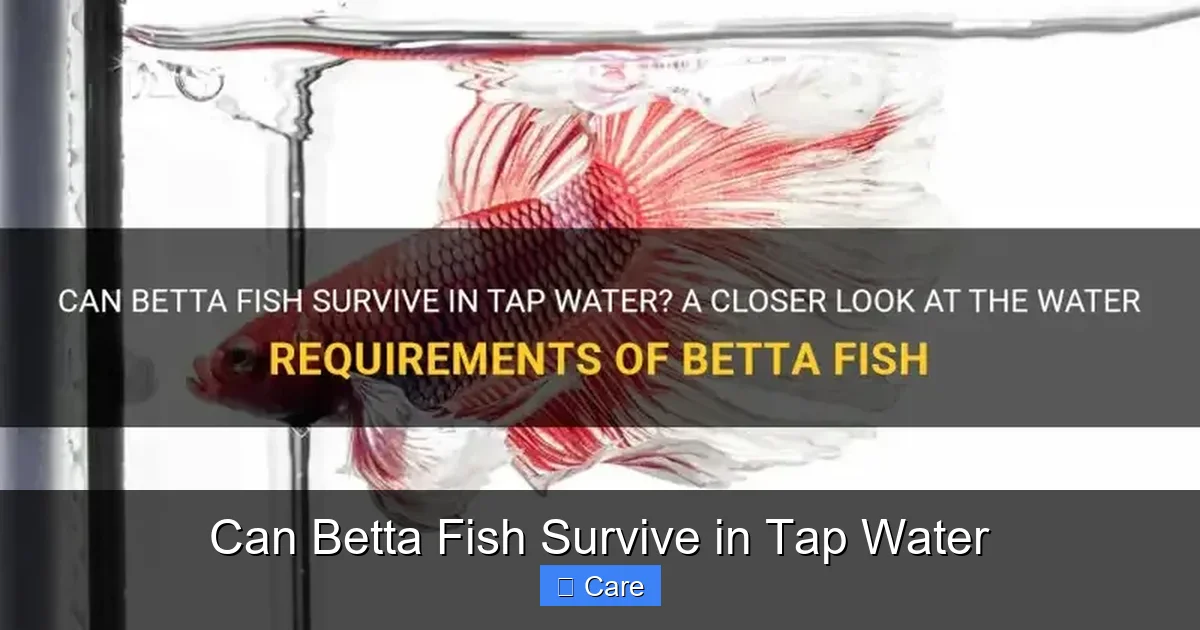
Visual guide about Can Betta Fish Survive in Tap Water
Image source: petshun.com
3. Setting Up the Ideal Betta Tank with Tap Water
3.1 Tank Size and Shape
Even though bettas can live in small bowls, a 5‑gallon tank gives you room to maintain stable water parameters. A larger volume dilutes toxins and makes temperature control easier.

Visual guide about Can Betta Fish Survive in Tap Water
Image source: koibettafish.com
3.2 Filtration and Aeration
A gentle sponge filter provides biological filtration without creating a strong current that bettas dislike. If you prefer a filter‑free setup, be prepared to change water more frequently.
3.3 Substrate, Plants, and Decorations
Live plants like Java moss or Anubias help absorb nitrates and provide hiding spots. If you use plastic décor, rinse it in conditioned water first to remove any residues.
3.4 Lighting
Betta fish need a regular day‑night cycle. A 10‑hour light period mimics natural conditions and reduces stress. Avoid intense LED lights that can overheat the water.
3.5 Maintaining Water Quality
Perform a 25‑30% water change weekly. Use the same conditioning steps each time to keep parameters consistent. A quick tip: keep a spare bucket of pre‑conditioned water on hand for emergencies.
4. Common Mistakes and How to Avoid Them
4.1 Skipping the Conditioner
Even if your water looks clear, chlorine or chloramine can be lethal. Always treat tap water before it touches the tank.
4.2 Ignoring Temperature
Cold tap water can cause a sudden drop in temperature, leading to shock. Use a reliable heater with an automatic thermostat.
4.3 Over‑Conditioning
Using too much water conditioner can raise ammonia levels. Follow the manufacturer’s dosage guidelines exactly.
4.4 Neglecting Regular Testing
Water parameters drift over time. Test weekly and adjust as needed to keep the environment stable.
4.5 Using Distilled or Bottled Water Alone
While free of chlorine, distilled water lacks essential minerals. If you rely on it, add a mineral supplement designed for bettas.
5. Frequently Asked Questions About Tap Water and Betta Health
Can betta fish survive in tap water without conditioning?
No. Untreated tap water contains chlorine or chloramine that can damage a betta’s gills and cause death within hours.
How long can a betta stay in newly conditioned tap water?
Once conditioned, the water is safe for weeks as long as you maintain temperature and avoid re‑contamination.
Is it okay to use bottled water instead of tap water?
Bottled water is free of chlorine but often lacks minerals. You’ll need to add a betta‑specific mineral supplement.
Do I need a filter if I change the water regularly?
A filter provides continuous biological filtration, which is harder to achieve with water changes alone. A small sponge filter is ideal for betta tanks.
What signs show my betta is stressed by water quality?
Faded colors, clamped fins, rapid gill movement, and lethargy are common stress indicators.
Can I use a water conditioner that also raises pH?
Most conditioners only neutralize chemicals. If you need to raise pH, use a separate pH‑up product and follow dosing instructions carefully.
Conclusion: Safe Tap Water Means a Happy Betta
In short, betta fish can survive in tap water—but only after you properly condition and adjust it. By testing, conditioning, and maintaining stable temperature and pH, you turn ordinary faucet water into a perfect home for your finned friend. Remember to change a portion of the water weekly, keep an eye on your betta’s behavior, and enjoy the vibrant colors that come from a healthy environment.
Ready to get started? Check out our guide on how to condition tap water for betta fish for a deeper dive into the exact products and techniques that work best.
Frequently Asked Questions
Can betta fish live in tap water without any treatment?
No. Untreated tap water usually contains chlorine or chloramine, which are toxic to bettas and can cause rapid health decline.
How often should I change the water in a betta tank filled with tap water?
Replace 25‑30% of the water weekly, always using the same conditioning steps to keep parameters stable.
Is it safe to use a water conditioner that also contains additives for plant growth?
Most plant additives are safe, but double‑check that they don’t raise pH or hardness beyond the betta’s preferred range.
Can I mix tap water with RO water for my betta?
Yes. Mixing 1 part RO water with 4 parts tap water can soften hard tap water while still providing essential minerals.
What temperature should tap water be before adding it to the betta tank?
Heat the water to 76‑82°F (24‑28°C) using an aquarium heater or by letting the container sit in warm water.
Do I need to test tap water every time I change it?
It’s a good habit to test at least once a month, and always after a major water change or if you notice any changes in your betta’s behavior.