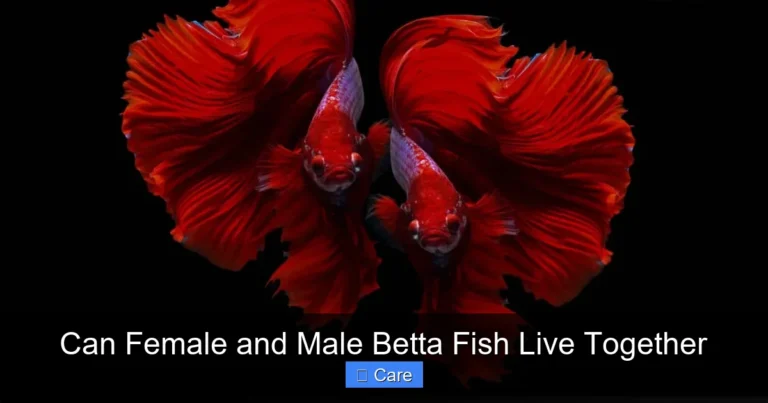
Do Betta Fish Kill Other Fish Facts Every Owner Should Know

Do betta fish kill other fish? Yes, they can if you choose the wrong tank mates or keep them in a small space. Male bettas are naturally territorial and will fight other males. But with the right setup, they can live peacefully with calm, non-aggressive species. This guide covers what you need to know to keep your tank safe and stress-free.
Key Takeaways
- Bettas are territorial: Male bettas will fight other males and may attack similar-looking fish.
- Tank size matters: A cramped tank increases aggression and stress for everyone.
- Choose calm tank mates: Small, peaceful fish like neon tetras or corydoras work best.
- Avoid fin-nippers: Fish that chase or nip fins can trigger serious fights.
- Watch behavior daily: Hiding, torn fins, or constant chasing means you need to act fast.
- Provide hiding spots: Plants, rocks, and decorations give shy fish a safe place to retreat.
- Separate when needed: If fights happen, move the aggressive fish to a new tank right away.
📑 Table of Contents
- Do Betta Fish Kill Other Fish? The Short Answer
- Why Do Betta Fish Attack Other Fish?
- Do Male and Female Bettas Behave Differently?
- Which Fish Are Safe Tank Mates for Bettas?
- How Tank Size and Setup Affect Aggression
- Signs Your Betta Is Being Aggressive or Stressed
- Expert Tips for a Peaceful Betta Tank
- Quick Comparison: Safe vs Risky Tank Mates
- Final Thoughts on Betta Aggression
Do Betta Fish Kill Other Fish? The Short Answer
Many new fish owners ask the same question: do betta fish kill other fish? The short answer is yes, they can. But it is not always a simple yes or no. Bettas are famous for their bright colors and flowing fins. They are also known for being feisty. This feistiness comes from their natural behavior in the wild. In shallow rice paddies and slow-moving streams, male bettas defend their space. They do not like strangers moving into their territory. When you bring a betta into a home aquarium, that same instinct stays with them.
You need to understand what triggers aggression before you add any tank mate. A betta will usually ignore calm, quiet fish that stay out of their way. But they may attack fish that look like rivals. Bright colors, long fins, and bold swimming patterns can all set off a fight. Size also matters. A betta may see a very small fish as food. A very large fish may seem like a threat. The good news is that you can manage this behavior. With the right tank size, proper introductions, and smart choices, you can build a peaceful community tank.
This article will walk you through everything you need to know. We will look at why bettas act this way, which fish are safe, which ones to avoid, and what to do when trouble starts. You will also learn how to spot stress early and keep your aquarium healthy for all its residents.
Why Do Betta Fish Attack Other Fish?
To understand do betta fish kill other fish, you first need to understand why they fight. Betta fish are not naturally evil or violent. They are simply protecting what they see as theirs. In the wild, males guard nesting areas and chase away rivals. This survival instinct carries over into captivity. When a betta feels crowded or threatened, it will show aggression.
Natural Territorial Instincts
Male bettas are highly territorial. They claim a space and defend it. If another fish enters that space, the betta may flare its gills, spread its fins, and chase the intruder. This behavior is normal. It becomes a problem only when the tank is too small or the tank mate is a poor choice. A spacious tank with clear zones can reduce these clashes. You can create visual barriers with plants and decorations so the betta does not feel challenged at every turn.
Stress and Overcrowding
Stress is a major trigger for aggression. When a tank is crowded, every fish feels pressure. Water quality drops faster. Hiding spots disappear. The betta has nowhere to retreat, so it stays on high alert. This constant tension can lead to attacks. Overcrowding also raises ammonia and nitrate levels, which weakens fish immune systems. A stressed betta is more likely to lash out. A stressed tank mate is more likely to panic and swim into trouble.
Mistaking Tank Mates for Rivals
Bettas often judge other fish by their look. Long fins, bright colors, and a similar body shape can trick a betta into seeing a rival. This is why some peaceful fish still get chased. The betta does not care if the other fish is calm. It only sees a threat. You can lower this risk by picking fish with dull colors and short fins. Fish that swim in the lower levels of the tank also work well, since bettas usually stay near the top.
Do Male and Female Bettas Behave Differently?
People often wonder if gender changes the answer to do betta fish kill other fish. The truth is that male and female bettas have different social needs. Males are the ones most known for aggression. They will fight other males and may harm females if introduced at the wrong time. Females are generally less aggressive, but they still need careful handling.
Male Betta Behavior
Male bettas are the classic show fish. They are bold, colorful, and protective. They will fight other males on sight. This is why you should never house two males together. They will chase, bite, and damage each other until one flees or gets seriously hurt. Males may also harass females outside of breeding. If you want to keep a male betta with other fish, pick gentle species and give them plenty of room.
Female Betta Behavior
Female bettas can live in groups called sororities, but only under the right conditions. A sorority needs a large tank, many hiding spots, and careful monitoring. Even then, some squabbling is normal as the group sets its hierarchy. Females are usually less aggressive than males, but they are not harmless. A cramped sorority can turn into a bullying mess. If you see torn fins, hiding, or constant chasing, you may need to separate some fish.
Breeding Context
During breeding, the male builds a bubble nest and courts the female. This is a temporary situation. After spawning, the male may guard the eggs and chase the female away. This is normal, but it can look intense. If you are new to breeding, research the process first. You can learn more about how bettas handle their young and whether they pose a risk to their own fry in our guide on do betta fish kill their babies. Understanding this behavior helps you plan safer tank setups.
Which Fish Are Safe Tank Mates for Bettas?
If you are asking do betta fish kill other fish, the real question is which fish can live peacefully alongside them. The best tank mates are calm, small, and not flashy. They should swim in different zones and avoid provoking the betta. Here are some reliable choices.
Good Choices for Community Tanks
- Neon tetras: Small, peaceful, and they swim in groups. Their schooling behavior keeps them busy and less likely to bother the betta.
- Corydoras catfish: Bottom dwellers that stay out of the betta’s main zone. They are gentle and help clean up leftover food.
- Harlequin rasboras: Calm mid-water fish that do well in groups. They are not flashy and usually ignore the betta.
- Kuhli loaches: Shy bottom fish that hide during the day. They rarely cross paths with a top-dwelling betta.
- Mystery snails and nerite snails: Slow, peaceful invertebrates that do not trigger aggression. They also help manage algae.
Fish to Avoid
Some fish simply do not work well with bettas. Avoid species that are aggressive, fast, or fin-nippers. Also avoid fish that look too much like a betta. The following choices often cause trouble.
- Tiger barbs: Known for nipping fins. They will chase and harass a betta, which can lead to injury.
- Guppies: Males have bright colors and long fins. A betta may see them as rivals. You can read more about this in our article on do betta fish kill guppies.
- Other male bettas: Never house two males together. The fight will be intense and dangerous.
- Large cichlids: These fish are territorial and may bully or eat a betta.
- Fast swimmers that rush the surface: Constant chasing at the top of the tank can stress a betta and trigger fights.
How Tank Size and Setup Affect Aggression
The answer to do betta fish kill other fish depends a lot on the environment. A tiny bowl or cramped tank makes every problem worse. A well-planned tank gives fish space to avoid each other and settle into their own zones.
Why Space Matters
Bettas need room to swim and establish their territory. When the tank is too small, the betta feels trapped. It cannot escape challenges, and it cannot let others pass by safely. This leads to more chasing and more fights. A larger tank also supports better water quality. Clean water keeps fish healthy and less irritable. A healthy betta is usually calmer than a sick or stressed one.
Creating Safe Zones
You can design your tank to reduce conflict. Use plants, driftwood, and rocks to break the line of sight. When fish cannot see each other all the time, they feel less challenged. Give bottom dwellers open sand areas. Give the betta clear surface access. Add some floating plants for shade. These small changes make a big difference. You can also learn more about how much room a betta needs in our post on do betta fish like a lot of space.
Water Flow and Filtration
Bettas prefer calm water. Strong currents tire them out and push them into uncomfortable zones. A gentle filter is best. Avoid blasting water directly at the surface. Many owners also ask about air pumps and filters. If you want to know whether these devices help or bother a betta, check our guides on do betta fish like air pump circulation and do betta fish like air filters. The right setup keeps water clean without stressing the fish.
Signs Your Betta Is Being Aggressive or Stressed
Even with good planning, problems can happen. You need to watch your fish closely. Early signs of trouble are easy to miss if you are not looking for them. Knowing what to spot helps you act before injuries occur.
Common Warning Signs
- Flaring gills: The betta puffs up and shows its gill covers. This is a clear threat display.
- Constant chasing: A betta may chase a tank mate again and again. Short chases are normal. Nonstop chasing is not.
- Torn or missing fins: Ripped fins on any fish mean something is wrong. Fin damage can lead to infection.
- Hiding all day: A normally active fish that hides constantly is stressed. It may be trying to avoid a bully.
- Loss of color: Faded colors can signal fear or poor health.
- Clamped fins: Fins held close to the body often mean stress or illness.
When to Separate Fish
If you see serious aggression, do not wait. Move the aggressive fish or the victim to a separate tank. A quick separator or a second tank can save a life. If you only have one tank, use a clear tank divider. This gives both fish a break while you decide the next step. Sometimes a simple rearrangement of the tank helps. Moving decorations can reset territories and calm things down. But if the fighting continues, separation is the safest choice.
It is also worth asking whether bettas ever harm themselves out of stress. In rare cases, a panicked fish may crash into glass or decorations. If you want to understand this behavior, read our article on do betta fish kill themselves. Knowing the full range of stress responses helps you protect your fish.
Expert Tips for a Peaceful Betta Tank
You can reduce the chances that do betta fish kill other fish becomes your reality. The key is careful planning, slow introductions, and steady observation. Here are some expert tips to help you build a calm tank.
Introduce New Fish Slowly
Do not dump new fish into the tank all at once. Add one or two calm tank mates first. Watch how the betta reacts. If the betta flares for a minute and then settles, that is usually fine. If the chasing never stops, you may have picked the wrong companion. You can also rearrange the tank before adding new fish. Fresh layouts help reset territories and lower tension.
Feed Regularly and Keep Water Clean
Hungry fish are more irritable. Feed your betta a steady schedule of quality food. Offer a mix of pellets, frozen treats, and occasional snacks. If you want ideas for safe treats, see our guide on do betta fish have treats for a snack. Clean water is just as important. Regular water changes remove waste and keep the environment stable. A stable tank means calmer fish.
Watch Group Dynamics
Schooling fish feel safer in groups. A single neon tetra is nervous and may dart around in ways that trigger the betta. A group of six or more stays calmer and swims together. The same idea applies to other species. More fish of the same kind can spread out attention and reduce bullying. Just make sure the tank is large enough for the whole group.
Pick the Right Tank Mates for Your Betta’s Personality
Every betta has its own personality. Some are mild and ignore everyone. Others are fierce and chase anything that moves. Know your fish before you add companions. If your betta is highly aggressive, stick to a species-only tank. If your betta is relaxed, you can try a few peaceful tank mates. There is no one-size-fits-all answer. Observation is your best tool.
Quick Comparison: Safe vs Risky Tank Mates
| Category | Safe Choices | Risky Choices |
|---|---|---|
| Swimming Zone | Bottom dwellers and calm mid-water fish | Fast surface swimmers that rush the betta |
| Body Shape | Short fins, plain colors | Long fins, bright colors, betta-like shapes |
| Temperament | Peaceful, schooling, shy | Aggressive, fin-nipping, bold bullies |
| Group Size | Schools of 6 or more | Single aggressive fish or tiny lone fish |
| Tank Needs | Large tank with hiding spots | Small bowl or cramped setup |
Final Thoughts on Betta Aggression
So, do betta fish kill other fish? They can, but they do not have to. Most problems come from poor choices, not from the betta itself. A male betta will defend his space. That is normal. Your job is to give him the right environment and pick tank mates that fit his personality. Avoid flashy fish, fin-nippers, and overcrowded tanks. Add plants, keep the water clean, and watch behavior closely. With these steps, you can enjoy a beautiful, active tank without constant fighting.
Remember that every betta is different. Some are laid-back. Some are fierce. Adjust your plan to match your fish. If you stay alert and make smart choices, you will create a safer home for everyone. A peaceful tank is not magic. It is the result of good setup, careful selection, and daily observation.
Frequently Asked Questions
Can I keep two male betta fish together?
No, you should not keep two male bettas in the same tank. They will fight over territory and can seriously injure each other. Always house males separately.
What fish can live safely with a betta?
Calm, small fish like neon tetras, corydoras catfish, and harlequin rasboras are usually safe. Pick species that stay out of the betta’s way and avoid flashy, fin-nipping fish.
Why does my betta chase other fish?
Chasing usually happens because the betta feels threatened or protective of its space. It can also happen if the tank is too small or the new fish looks like a rival.
How big should a tank be for a betta and tank mates?
A larger tank is always better when you add companions. More space lowers stress and gives fish room to avoid each other. A cramped tank makes aggression much worse.
Do female bettas fight each other?
Females can squabble, especially in small tanks. A sorority can work if the tank is large and filled with hiding spots, but you must watch for bullying and separate fish if needed.
What should I do if my betta attacks a tank mate?
Separate the fish right away. Use a second tank or a tank divider. Then check your setup, reduce stress, and consider whether the tank mate is a good match for your betta.