Can Betta Fish Stand Cold Water

Betta fish cannot stand cold water for long. These tropical fish need stable warmth between 76°F and 82°F (24–27°C) to stay healthy. Cold water weakens their immune system, slows their metabolism, and can be fatal. In this guide, you will learn exactly how cold affects bettas, what to do if the water gets too cold, and how to heat their tank safely.
Key Takeaways
- Bettas are tropical fish: They need warm water between 76°F and 82°F (24–27°C) to thrive.
- Cold water is dangerous: Prolonged exposure below 74°F (23°C) can weaken their immune system and cause disease.
- Signs of cold stress: Lethargy, clamped fins, loss of color, hiding, and refusal to eat are common warning signs.
- Use a reliable heater: A small adjustable aquarium heater with a thermostat is essential for most homes.
- Always use a thermometer: A simple stick-on or digital thermometer helps you monitor temperature daily.
- Sudden changes are harmful: Rapid temperature swings of more than 1–2°F can shock your betta.
- Small bowls are risky: They lose heat quickly and are hard to heat safely; a filtered, heated tank is best.
[FEATURED_IMAGE_PLACEHOLDER]
📑 Table of Contents
- Introduction: Can Betta Fish Stand Cold Water?
- Where Betta Fish Come From: A Tropical Background
- What Happens to Betta Fish in Cold Water?
- Ideal Water Temperature for Betta Fish
- Signs Your Betta Is Too Cold
- How to Keep Betta Water Warm
- What to Do If Your Betta Has Been in Cold Water
- Common Myths About Bettas and Cold Water
- Extra Tips to Keep Your Betta Healthy
- Conclusion: Can Betta Fish Stand Cold Water?
Introduction: Can Betta Fish Stand Cold Water?
If you have just brought home a betta fish, one of the first questions you might ask is whether your fish can handle cool tap water or a chilly room. It seems like a simple question, but the answer is very important for your betta’s health. Many new owners assume bettas are tough because they are often sold in small cups. In reality, betta fish come from warm tropical areas and are very sensitive to cold.
Betta fish cannot stand cold water for long periods. They are not like goldfish or certain minnows that can swim around happily in cool ponds. Bettas come from places like Thailand, where the water stays warm all year. When the water in their tank drops too low, their body slows down, their immune system weakens, and they become easy targets for disease. In some cases, long-term exposure to cold water can even be fatal.
In this article, we will look at how cold water affects bettas, what temperature range they need, how to spot signs of cold stress, and what you can do to keep the water warm and stable. We will also talk about common mistakes, like using small bowls without heaters, and share simple tips to make your betta’s tank a safe, comfortable home. By the end, you will know exactly how to protect your betta from the cold.
Where Betta Fish Come From: A Tropical Background
Visual guide about Can Betta Fish Stand Cold Water
Image source: forfishlovers.com
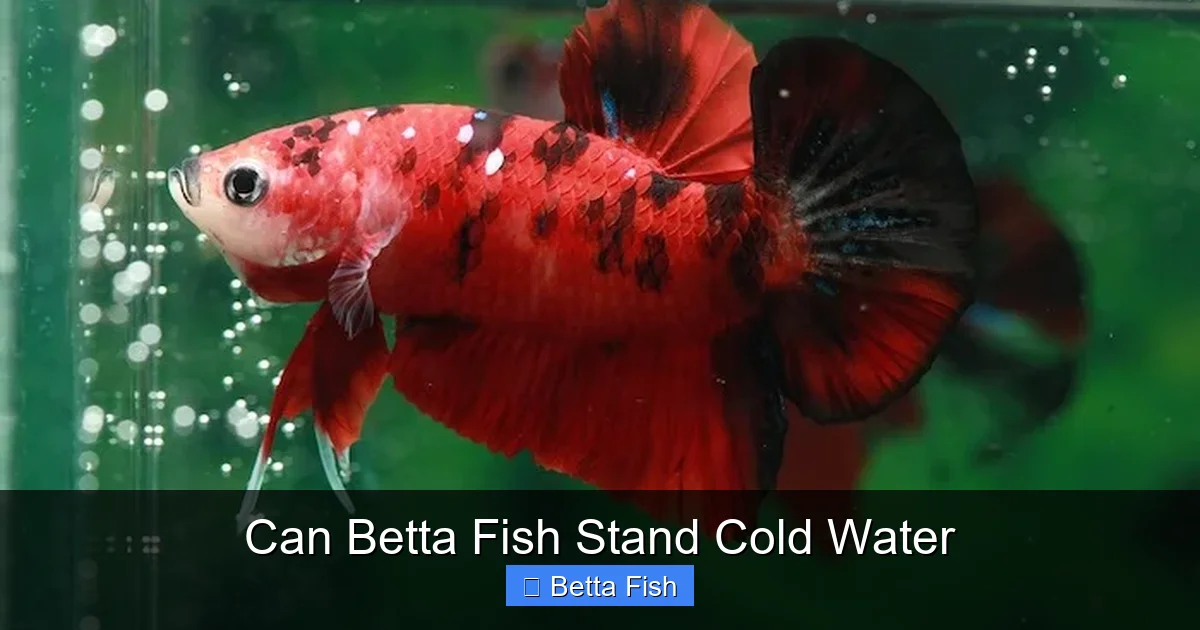
To understand why bettas hate cold water, it helps to look at where they come from in the wild. Wild bettas live in warm parts of Southeast Asia, especially in countries like Thailand, Cambodia, and Vietnam. They are usually found in shallow water, such as rice paddies, marshes, and slow-moving streams. These areas are hot and humid, and the water stays warm all year.
Warm Water in the Wild
In their natural home, the water temperature often stays between 78°F and 86°F (25–30°C). The sun warms the shallow water, and the air temperature is usually high. This means bettas have evolved to function best in warm conditions. Their body, digestion, and immune system are all designed for tropical temperatures.
Because of this tropical background, bettas have certain needs that are different from cold-water fish. They do not have the same body tools to handle cold. When the water gets too cool, their metabolism slows down. They become less active, their digestion becomes poor, and their body cannot fight off germs as well.
Domestic Bettas Still Need Warm Water
Even though most bettas sold in stores are bred in captivity, they still have the same basic needs as their wild relatives. A pet betta is not adapted to cold rooms or chilly household temperatures. If your home is comfortable for you, it may still be too cold for your betta. Most homes are kept between 68°F and 74°F (20–23°C), which is on the cool side for bettas.
This is why you will often see advice that bettas need a heater, even if you live in a warm climate. The goal is to keep the water in a stable, tropical range that matches their natural habitat. Without that warmth, your betta may survive for a while, but it will not thrive.
What Happens to Betta Fish in Cold Water?
Visual guide about Can Betta Fish Stand Cold Water
Image source: petshun.com
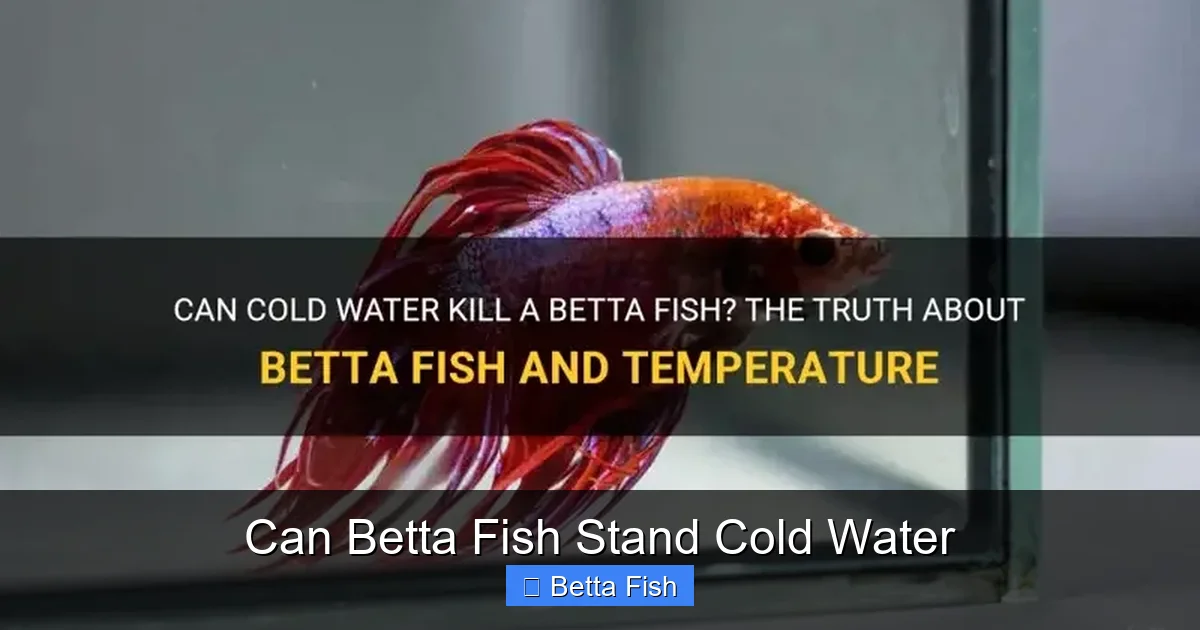
Cold water affects bettas in several ways. At first, you might not see big problems, but over time, the damage can be serious. The biggest issues are a weak immune system, slow digestion, and stress.
Slowed Metabolism and Low Energy
When the water is too cold, a betta’s metabolism slows down. This means their body processes food and energy more slowly. You may notice your fish moving less, resting at the bottom of the tank, or hiding behind decorations. They might still react to you, but they will not be as active as they should be.
A sluggish betta may also eat less. Because their digestion is slower, they can handle less food. If you keep feeding the same amount, the extra food can rot and pollute the water. Over time, this poor combination of cold water and bad digestion can lead to health problems.
Weakened Immune System
One of the biggest dangers of cold water is that it weakens the immune system. A betta that is always in cool water has a harder time fighting off common diseases like ich, fin rot, and fungal infections. Even if the water looks clean, bacteria and parasites are always around. A healthy, warm betta can often keep these threats under control. A cold betta cannot.
This is why many bettas in unheated tanks get sick more often. Owners may wonder why their fish keeps getting ill, even when they do water changes. Often, the root cause is water that is just a few degrees too cold.
Stress and Shorter Lifespan
Living in cold water is stressful for a betta. Stress is a slow, quiet problem. You may not see it right away, but it wears down your fish over time. A stressed betta may lose color, clamp its fins (hold them close to the body), and hide more than usual.
Over weeks and months, this constant stress can shorten your betta’s life. A well-cared-for betta in warm, clean water can live 3 to 5 years, sometimes longer. A betta kept in cold, unstable water may live only 1 to 2 years, if that. By keeping the water warm, you give your betta a much better chance at a long, healthy life.
Ideal Water Temperature for Betta Fish
Visual guide about Can Betta Fish Stand Cold Water
Image source: fishkeepingacademy.com
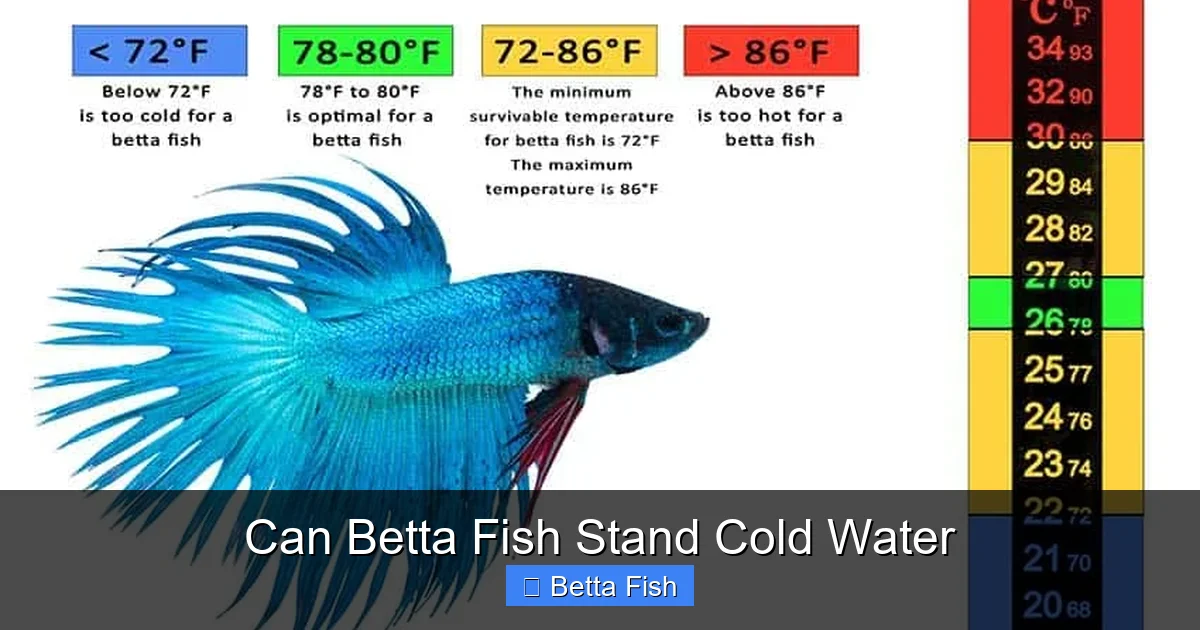
So what is the right temperature for a betta? Most experts agree on a safe range. The ideal water temperature for betta fish is between 76°F and 82°F (24–27°C). Within this range, bettas are active, eat well, and can fight off disease effectively.
The Safe Range: 76°F to 82°F
At 76°F (24°C), most bettas will be active and healthy. As the temperature rises toward 80°F (26–27°C), their metabolism and immune system work even better. This is often the sweet spot for many bettas. They show bright colors, swim around, and show interest in food.
Going above 82°F (27–28°C) can also be risky. Very warm water holds less oxygen and can speed up their metabolism too much. For most setups, keeping the water around 78°F to 80°F (25–26°C) is a great target.
What Happens Below 74°F
When the water drops below 74°F (23°C), your betta starts to enter the danger zone. They may still move around, but their body is working harder to stay warm. The immune system begins to slow down, and minor infections can take hold.
If the temperature drops below 68°F (20°C), the risk becomes serious. At these temperatures, bettas can go into shock, stop eating, and may develop life-threatening illnesses. Long-term exposure to such cold water is often fatal.
Why Temperature Stability Matters
It is not just about hitting the right number. Stability is also important. A tank that swings from 72°F at night to 80°F during the day can stress your betta almost as much as constant cold. Sudden changes of more than 1–2°F in a short time can shock their system.
This is why heaters with built-in thermostats are so useful. They keep the water at a steady temperature instead of letting it rise and fall with the room. A steady 78°F is much better than a tank that bounces between 72°F and 82°F.
Signs Your Betta Is Too Cold
Visual guide about Can Betta Fish Stand Cold Water
Image source: img.thepets.net
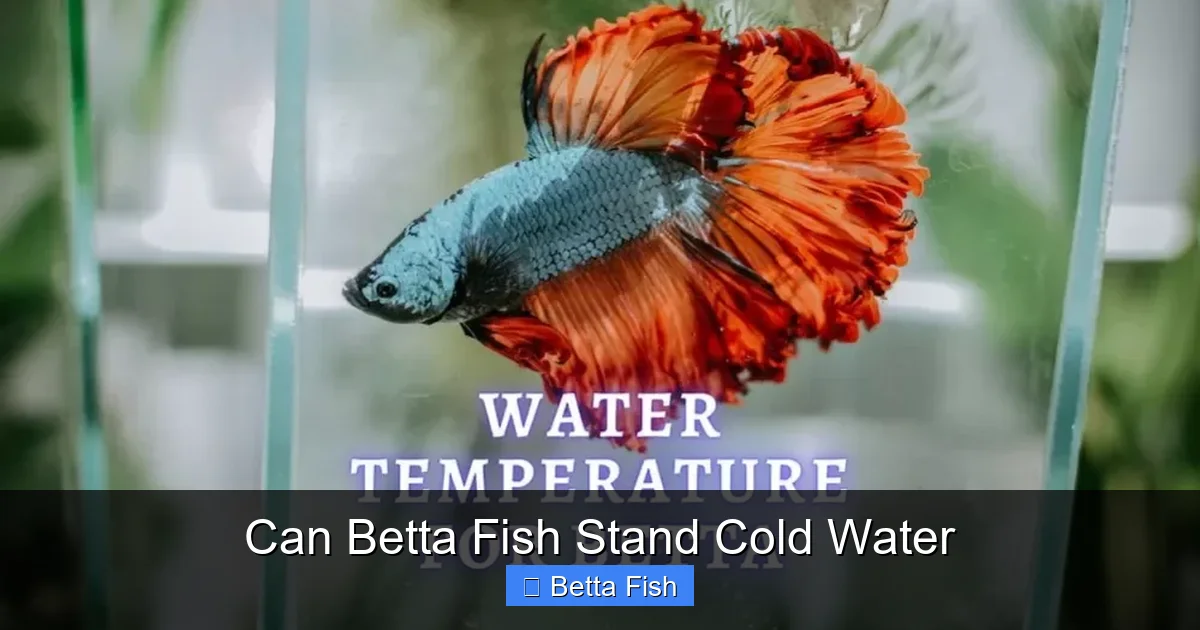
Your betta cannot tell you they are cold, but they can show you. Learning to read their behavior and appearance is key. Here are some common signs that your betta is too cold.
Lethargy and Hiding
A cold betta often becomes very still. They may rest on the bottom of the tank, stay behind plants, or hide in decorations. While bettas do rest, a fish that barely moves and seems “lazy” is often too cold.
Clamped Fins and Loss of Color
When a betta is stressed by cold, they may clamp their fins. This means the fins are held close to the body instead of being spread out. Their color can also fade or become dull. A bright, healthy betta usually shows off its fins and color. If that changes, check the temperature.
Loss of Appetite
Cold water slows digestion, so many bettas eat less or stop eating altogether. If your betta suddenly ignores food, especially when the room is cool, cold water may be the cause. Do not keep feeding the same amount. Overfeeding in cold water can make the water dirty and harm your fish.
Increased Disease
If your betta keeps getting sick, check the tank temperature. Common issues like white spots (ich), fuzzy patches (fungus), or torn fins (fin rot) often appear when the immune system is weak. Cold water is a big factor in these problems.
If you see any of these signs, use a reliable thermometer to check the water. If it is below 76°F (24°C), it is time to warm things up.
How to Keep Betta Water Warm
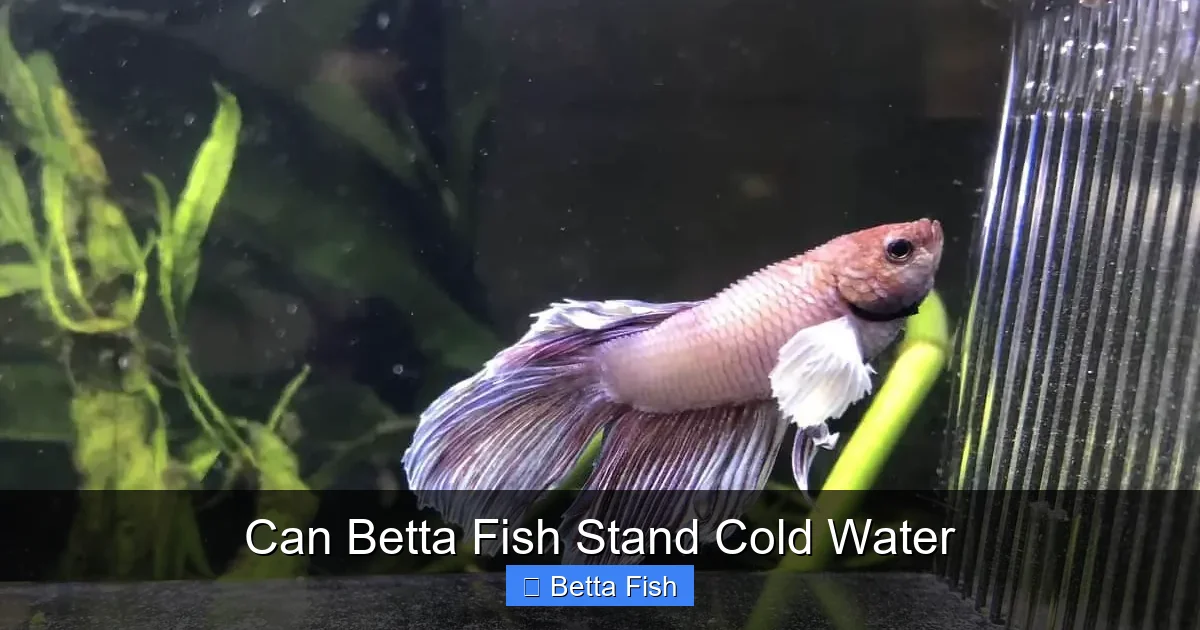
Visual guide about Can Betta Fish Stand Cold Water
Image source: petfishonline.com
Keeping your betta’s water warm does not have to be hard. With a few basic tools, you can create a stable, tropical environment. The most important piece of equipment is a good heater.
Choosing the Right Heater
For most betta tanks, a small adjustable aquarium heater is best. Look for one with a built-in thermostat and a wattage that matches your tank size. For a 5-gallon tank, a 25- to 50-watt heater is usually enough. For larger tanks, you may need a slightly stronger heater.
Avoid tiny “preset” heaters that you cannot adjust. They may keep the water at a fixed temperature that is too hot or too cold for your room. An adjustable heater lets you set the exact temperature you need.
Using a Thermometer
Always use a thermometer in your betta tank. A simple stick-on strip, a digital probe, or a glass thermometer will work. Place it on the opposite side of the heater so you can see the general water temperature.
Check the thermometer every day. This helps you catch problems early, like a heater that stops working or a sudden drop in room temperature at night.
Avoiding Small Bowls and Cups
Small bowls and cups are very hard to heat safely. They lose heat quickly, and most heaters do not fit well in them. If you keep your betta in a small container, the temperature can swing a lot between day and night.
A tank of at least 3 to 5 gallons is much easier to keep stable. It holds heat better, gives your betta room to swim, and allows you to use a proper filter and heater. If you are using tap water to fill the tank, be sure to treat it first. You can learn more about this in our guide on what water to use for betta fish.
Handling Seasonal Changes
In winter, room temperatures can drop, especially at night. You may need to turn the heater up a little or move the tank away from cold windows and doors. In summer, if your home gets very hot, the water may rise above 82°F. In that case, you may need to shade the tank or use a fan to cool the water slightly.
Always make changes slowly. If you need to raise or lower the temperature, do it over several hours. This prevents shock and keeps your betta comfortable.
What to Do If Your Betta Has Been in Cold Water
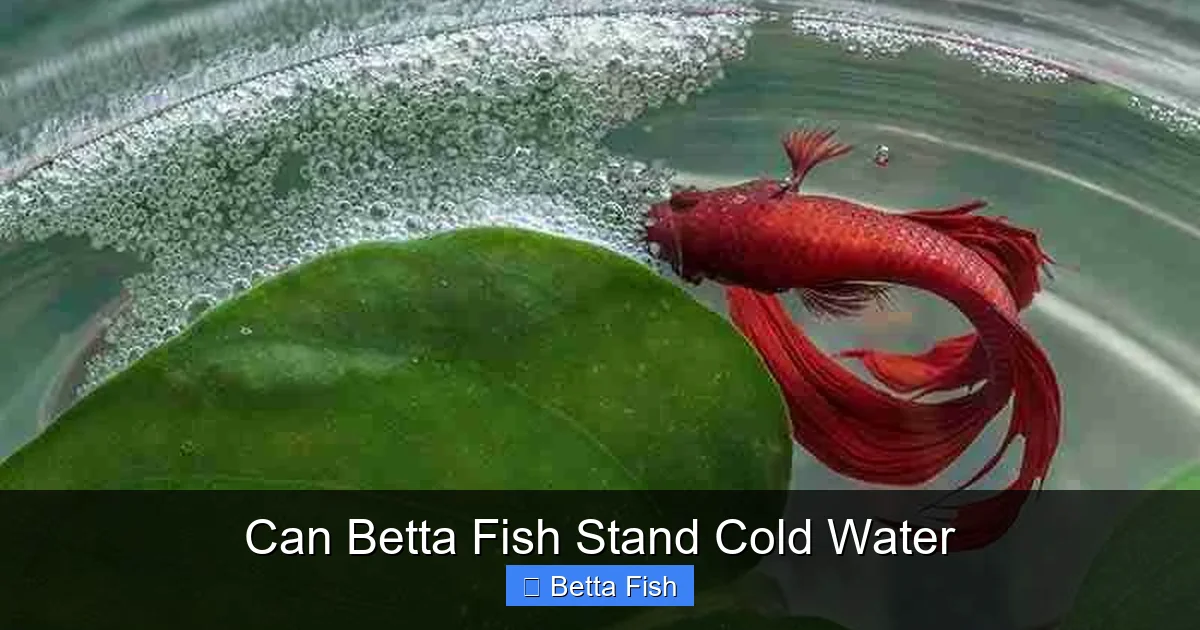
Visual guide about Can Betta Fish Stand Cold Water
Image source: fishkeepingacademy.com
If you discover that your betta has been living in cold water, do not panic. Sudden, big changes can be just as harmful as the cold itself. The key is to warm the water slowly and watch your fish closely.
Gradual Warming
Start by placing a heater in the tank and setting it to a few degrees below your target. For example, if the water is at 70°F and you want to reach 78°F, set the heater to 74°F at first. Once the tank reaches that level, raise it another degree or two. Continue until you reach the ideal range.
This slow process may take several hours or even a day. It may feel slow, but it is much safer for your betta. Rapid heating can shock their system and cause more harm than good.
Monitor Behavior and Health
As the water warms, watch your betta for changes. They should become more active, start exploring, and show interest in food. If you see signs of disease, like spots or fungus, you may need to treat them once the temperature is stable.
Do not start medications while the temperature is still changing. Wait until the water is steady in the ideal range. A warm, stable environment helps treatments work better and supports your betta’s immune system.
Clean, Conditioned Water
While you fix the temperature, also make sure the water is clean and safe. If you have been using untreated tap water, chlorine and other chemicals can add extra stress. You can read more about this in our article on can betta fish live in tap water.
Use a water conditioner to remove chlorine and chloramines before adding tap water to the tank. This makes the water safer and helps your betta recover from cold stress. If you are unsure which conditioner to choose, look for one made for aquariums that neutralizes chlorine and detoxifies heavy metals.
Common Myths About Bettas and Cold Water

Visual guide about Can Betta Fish Stand Cold Water
Image source: petshun.com
There are several myths about bettas and cold water that can lead to poor care. Let’s clear up a few of them.
Myth: Bettas Are Hardy and Can Handle Any Water
Some people think bettas are super tough because they are often sold in small cups. In truth, bettas are sensitive to poor water conditions, especially cold. They may survive in bad conditions for a short time, but that does not mean those conditions are good for them.
Myth: Room Temperature Is Fine
Many homes are kept at 68°F to 72°F (20–22°C). This is comfortable for people, but it is too cold for bettas. While a betta might live at the upper end of this range for a while, they will not thrive. A heater is the best way to provide the warmth they need.
Myth: A Small Bowl Is Enough
Small bowls are hard to heat and filter. They also limit swimming space. A tank of at least 3 to 5 gallons with a heater and filter is much better. It gives your betta room to move and makes it easier to keep the water warm and clean.
Extra Tips to Keep Your Betta Healthy

Visual guide about Can Betta Fish Stand Cold Water
Image source: jvbettafishforsale.com
Keeping your betta warm is one part of good care. A few more simple steps can make a big difference.
Regular Water Changes
Even in a heated tank, waste builds up. Regular partial water changes help keep the water clean. Change about 20–30% of the water each week, using treated water that is close to the tank temperature. This avoids sudden temperature drops.
If you are not sure how often to change the water, check out our guide on how often to change water for betta fish.
Good Filtration
A gentle filter helps keep the water clean and moving. Bettas do not like strong currents, so choose a filter with a mild flow or use a baffle to reduce the current. Clean water supports a strong immune system and helps your betta recover faster from any stress.
Proper Feeding
Feed your betta high-quality pellets or frozen foods made for bettas. Give only what they can eat in a couple of minutes. In a warm, healthy tank, they will digest food better and stay more active.
Conclusion: Can Betta Fish Stand Cold Water?
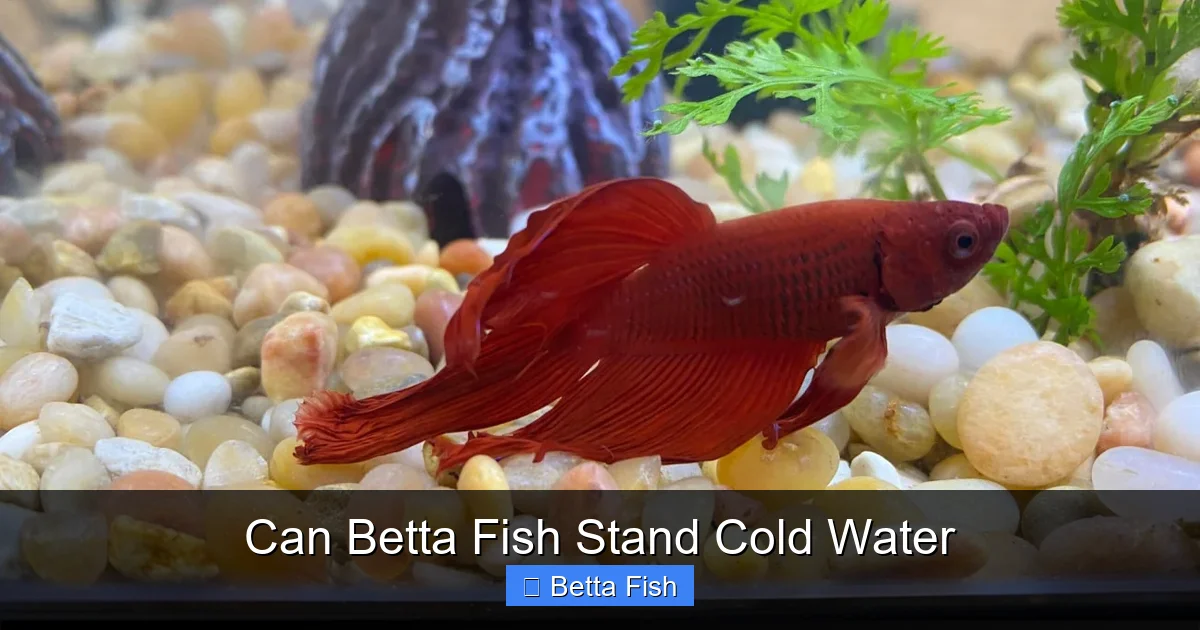
Visual guide about Can Betta Fish Stand Cold Water
Image source: buildyouraquarium.com
So, can betta fish stand cold water? The clear answer is no, not for long. Bettas are tropical fish that need warm, stable water between 76°F and 82°F (24–27°C). Cold water slows their metabolism, weakens their immune system, and leads to stress and disease.
By using a reliable heater, a good thermometer, and a properly sized tank, you can create a warm, safe home for your betta. Pay attention to signs like lethargy, clamped fins, and loss of appetite, and act quickly if the water gets too cold.
With the right care, your betta can live a long, bright, and active life. Keeping the water warm is one of the simplest and most important things you can do to help your fish thrive.
Frequently Asked Questions
Can betta fish live in cold water?
No, betta fish cannot live in cold water. They are tropical fish that need warm water between 76°F and 82°F (24–27°C). Cold water weakens their immune system and can lead to serious health problems.
What is the lowest temperature a betta can survive?
A betta might survive short periods at around 70°F (21°C), but this is risky. Long-term exposure below 74°F (23°C) can cause stress, disease, and a shorter lifespan.
How can I tell if my betta is too cold?
Signs of a cold betta include lethargy, clamped fins, loss of color, hiding, and refusal to eat. If you see these signs, check the water temperature right away.
Do bettas need a heater in their tank?
Yes, most bettas need a heater. Room temperature is often too cold, and a heater keeps the water in the ideal range of 76°F to 82°F (24–27°C).
Can I keep a betta in a small bowl without a heater?
It is not a good idea. Small bowls lose heat quickly and are hard to heat safely. A 3- to 5-gallon tank with a heater and filter is much better for your betta.
What should I do if my betta has been in cold water?
Warm the water slowly using an adjustable heater, raise the temperature a few degrees at a time, and use a water conditioner if you are using tap water. Watch your betta for signs of stress or disease as the tank warms.