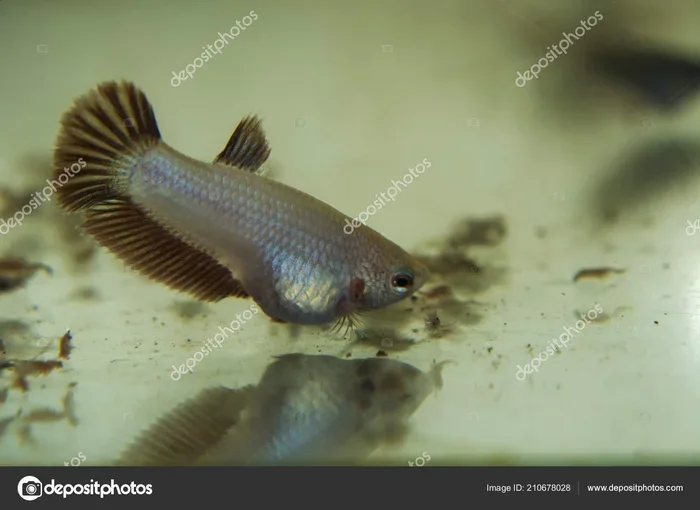
Can Betta Fish Sleep Floating

Yes, betta fish absolutely can sleep floating at the water’s surface, and it’s often completely normal behavior. While many bettas prefer resting near plants or decorations, some naturally float while sleeping due to their labyrinth organ, which allows them to breathe air from above. However, persistent floating combined with other symptoms can signal health issues that need attention.
Key Takeaways
- Floating sleep is normal: Many betta fish sleep floating at the surface, and this behavior is perfectly healthy for most fish.
- Labyrinth organ advantage: Bettas have a special organ that lets them breathe atmospheric air, making surface resting comfortable and natural.
- Sleep positions vary: Bettas may sleep floating, resting on leaves, hiding in decorations, or wedged between plants — all are normal.
- Watch for warning signs: Floating paired with lethargy, loss of appetite, bloating, or clamped fins may indicate disease or poor water quality.
- Water quality matters: Poor water conditions can cause abnormal floating behavior, so regular tank maintenance is essential for healthy sleep habits.
- Lighting cycles help: Bettas need consistent day-night cycles of 8-12 hours of light to maintain healthy sleep patterns.
- Age and personality play a role: Older bettas and certain personality types may float more frequently during rest periods.
📑 Table of Contents
- Can Betta Fish Sleep Floating? The Complete Guide to Betta Sleep Behavior
- Understanding Betta Fish Sleep Patterns
- Normal Betta Fish Sleeping Positions
- When Floating Sleep Is a Cause for Concern
- Creating the Ideal Sleep Environment for Your Betta
- Common Misconceptions About Betta Fish Sleep
- How to Monitor Your Betta’s Sleep Health
- Frequently Asked Questions About Betta Fish Sleep
- Conclusion: Embrace Your Betta’s Unique Sleep Style
Can Betta Fish Sleep Floating? The Complete Guide to Betta Sleep Behavior
If you’ve ever glanced at your betta fish and found it floating motionless at the top of the tank, your heart probably skipped a beat. Is it sleeping? Is it sick? Is it… gone? Take a deep breath. You’re not alone in this worry, and the answer might actually surprise you. Betta fish can indeed sleep floating, and for many bettas, this is their preferred way to catch some rest.
Bettas are fascinating creatures with unique biological features that set them apart from most other aquarium fish. Their ability to breathe air directly from the surface — thanks to a special organ called the labyrinth — means that floating isn’t just comfortable for them. It’s practically built into their DNA. Understanding why betta fish sleep floating, when it’s normal, and when it might be a cause for concern will help you become a more confident and knowledgeable betta parent.
In this comprehensive guide, we’ll dive deep into everything you need to know about betta fish sleep patterns, positions, and what to watch out for. By the end, you’ll be able to tell the difference between a peacefully sleeping betta and one that might need your help. Let’s explore the wonderful world of betta sleep together.
Understanding Betta Fish Sleep Patterns
Do Betta Fish Actually Sleep?
Yes, betta fish absolutely do sleep! Just like humans and other animals, bettas need regular periods of rest to maintain their health and well-being. However, their sleep looks very different from ours. Bettas don’t have eyelids, so they never close their eyes. Instead, they enter a state of reduced activity and lowered awareness that serves the same restorative purpose as our sleep.

Visual guide about Can Betta Fish Sleep Floating
Image source: fishlab.com
During sleep, a betta’s metabolism slows down, its movements become minimal, and it becomes less responsive to outside stimuli. You might notice your betta settling into a favorite spot, barely moving, and appearing almost “zoned out.” That’s sleep, fish-style. If you’re curious about the specifics of their sleep cycles, our detailed guide on can betta fish sleep covers even more ground on this topic.
How Long Does a Betta Fish Sleep?
On average, betta fish sleep for about 8 to 12 hours a day, typically during the night when their environment is dark. However, they also take short naps throughout the day. Their sleep isn’t one continuous block like ours — it’s spread across multiple rest periods.
Factors like age, activity level, water temperature, and individual personality can all influence how much your betta sleeps. Younger, more active bettas might sleep less, while older or more laid-back fish may rest more frequently. For a deeper dive into sleep duration, check out our article on how long does betta fish sleep.
The Labyrinth Organ: Why Floating Feels Natural
Here’s where things get really interesting. Betta fish belong to a group called anabantoids, which possess a unique structure called the labyrinth organ. This specialized organ allows them to extract oxygen directly from the air above the water’s surface, rather than relying solely on their gills to filter oxygen from the water.
This evolutionary adaptation developed because bettas originated in the shallow, slow-moving, and sometimes oxygen-poor waters of Southeast Asia — think rice paddies, marshes, and stagnant ponds. In these environments, being able to gulp air from the surface was a matter of survival. Because of this organ, bettas are completely comfortable at the water’s surface, making floating while sleeping a perfectly natural and even preferred behavior for many individuals.
Normal Betta Fish Sleeping Positions
Floating at the Surface
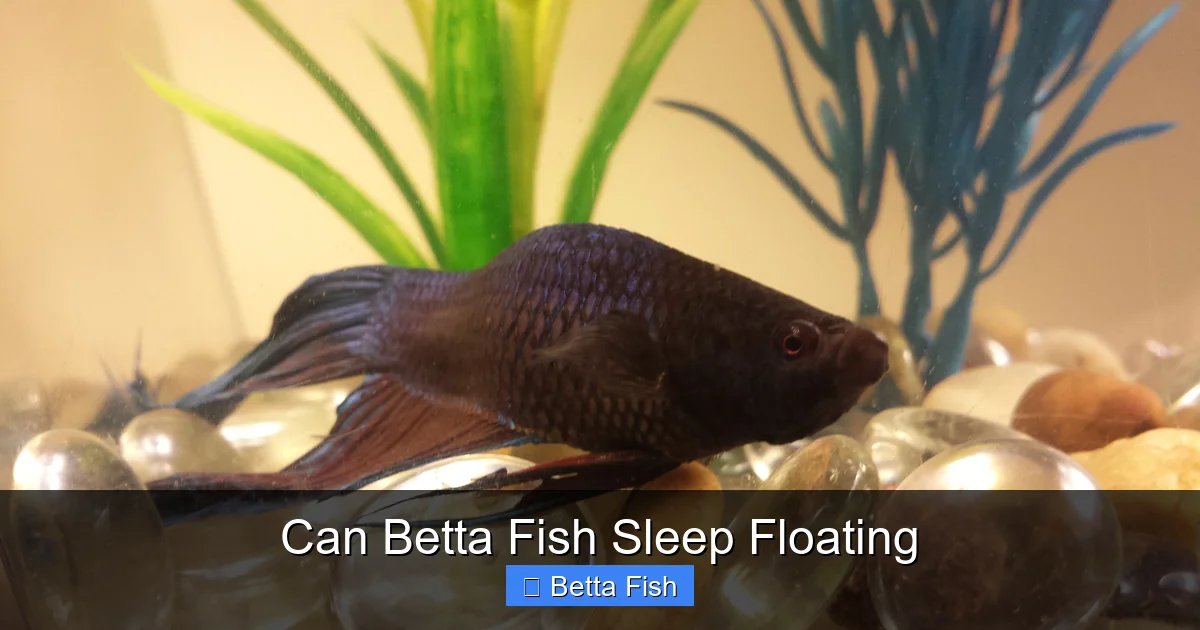
This is the position that worries most betta owners, but it’s often the most common and normal one. A betta sleeping at the surface might be completely still, slightly tilted, or gently drifting with the water’s current. As long as your betta responds to stimuli when it’s awake and shows no signs of distress, surface floating during sleep is typically nothing to worry about.
Visual guide about Can Betta Fish Sleep Floating
Image source: bettafish.org
Some bettas float with their heads near the surface and their bodies angled slightly downward. Others lie flat on the surface like a tiny, colorful raft. Both positions can be perfectly healthy. The key is observing your fish during its active periods to ensure it’s eating well, swimming normally, and behaving like its usual self.
Resting on Plant Leaves
Many bettas love to rest on broad plant leaves, either real or artificial. This is especially common with bettas that have access to tall plants like Amazon swords, java ferns, or silk plants with wide leaves. The leaf acts like a hammock, supporting the betta’s body while it rests near the surface where it can easily access air.
If you notice your betta consistently choosing a particular plant leaf for its naps, that’s a sign it feels safe and comfortable in its environment. This behavior is actually a great indicator of a happy, well-adjusted fish.
Hiding in Decorations and Caves
Some bettas prefer privacy when they sleep. They might tuck themselves into caves, behind driftwood, inside hollow decorations, or within dense plant cover. This instinct comes from their wild ancestors, who needed to hide from predators while resting. A betta that sleeps in a cave or hidden spot is simply following its natural instincts, and providing such hiding places is an excellent way to support your fish’s sense of security.
Wedged Between Objects
You might find your betta wedged between the tank wall and a decoration, squeezed into a corner, or nestled between two plants. While this might look uncomfortable to us, many bettas find these snug spots incredibly soothing. The gentle pressure against their body can feel secure, much like how some people prefer sleeping with a weighted blanket.
When Floating Sleep Is a Cause for Concern
Signs That Floating Isn’t Normal
While floating during sleep is usually fine, there are situations where it can indicate a problem. Here are the red flags every betta owner should watch for:

Visual guide about Can Betta Fish Sleep Floating
Image source: fishtanko.com
- Constant floating: If your betta is floating at the surface even during its active periods and seems unable or unwilling to swim down, this could indicate a swim bladder issue or other health problem.
- Loss of appetite: A betta that refuses food while spending excessive time floating may be dealing with an internal issue.
- Bloating or distended belly: A swollen abdomen combined with floating often points to constipation, dropsy, or swim bladder disease.
- Clamped fins: Fins held tightly against the body during floating can signal stress or illness.
- Erratic or lopsided floating: If your betta is floating sideways, upside down, or struggling to maintain its position, this is a medical emergency.
- Color changes: Faded coloration or unusual darkening during floating periods can indicate stress or disease.
- Labored breathing: Rapid gill movement or gasping while floating suggests respiratory distress.
Swim Bladder Disease and Floating
Swim bladder disease is one of the most common reasons a betta fish might float abnormally. The swim bladder is an internal organ that helps fish control their buoyancy. When it malfunctions, the fish may float to the sink, swim sideways, or struggle to maintain its position in the water column.
The most common cause of swim bladder issues in bettas is overfeeding or feeding inappropriate foods. Dry pellets can expand in the stomach, pressing against the swim bladder and disrupting its function. To prevent this, soak pellets before feeding, avoid overfeeding, and consider fasting your betta one day per week to aid digestion.
Poor Water Quality and Its Effects on Sleep
Water quality plays a huge role in your betta’s overall health, including its sleep behavior. High levels of ammonia, nitrites, or nitrates can stress your fish and cause abnormal floating. Regular water changes — typically 25-50% weekly for a properly sized tank — are essential for maintaining water quality.
Invest in a reliable water test kit and check your parameters regularly. Ammonia and nitrite should always be at 0 ppm, and nitrates should stay below 20 ppm. Temperature should remain stable between 76-82°F (24-28°C), as fluctuations can stress your betta and disrupt its sleep cycle.
Creating the Ideal Sleep Environment for Your Betta
Proper Lighting Cycles
Bettas thrive on routine, and consistent lighting is crucial for healthy sleep patterns. Aim for 8 to 12 hours of light per day, followed by 12 to 16 hours of darkness. Using an aquarium timer for your tank light makes this effortless and ensures your betta gets the consistent cycle it needs.
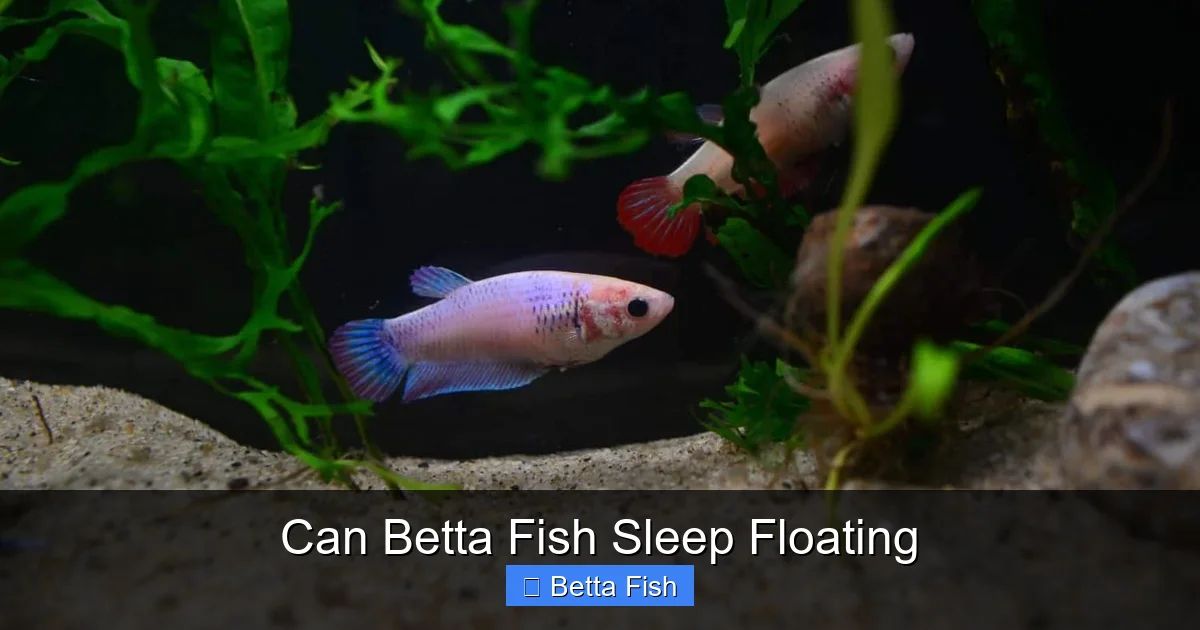
Visual guide about Can Betta Fish Sleep Floating
Image source: a-z-animals.com
Avoid placing your tank in direct sunlight, as this can cause algae blooms, temperature fluctuations, and irregular light exposure. Similarly, don’t keep the tank in a room that’s constantly bright or constantly dark. A room with natural ambient light that follows a day-night cycle is ideal, supplemented by your aquarium light on a timer.
Providing Resting Spots Near the Surface
Since many bettas prefer sleeping near the surface, it’s a great idea to provide dedicated resting spots. Here are some excellent options:
- Betta hammocks: These are small, leaf-shaped suction cups that attach to the tank wall near the surface. They’re affordable, widely available, and many bettas adore them.
- Broad-leaf plants: Real plants like Amazon swords or artificial plants with wide leaves provide natural-looking resting platforms.
- Floating logs: Hollow floating decorations give your betta a secure place to rest while staying close to the surface.
- Indian almond leaves: These release beneficial tannins and provide a natural resting spot that mimics a betta’s wild habitat.
Maintaining Optimal Water Temperature
Temperature directly affects your betta’s metabolism and sleep quality. Keep the water between 76-82°F (24-28°C) using a reliable aquarium heater and thermometer. Water that’s too cold will slow your betta’s metabolism excessively, making it lethargic and causing it to rest more than usual. Water that’s too warm increases metabolism, potentially shortening lifespan and causing stress.
A consistent temperature is just as important as the right temperature. Fluctuations of even a few degrees can stress your betta and disrupt its sleep patterns. Always use a heater with an adjustable thermostat and check the thermometer daily.
Reducing Stress for Better Sleep
Stress is the enemy of good sleep for bettas. A stressed betta may sleep excessively or not at all, and it may float abnormally. Here’s how to minimize stress in your betta’s environment:
- Provide adequate tank size: A minimum of 5 gallons is recommended for a single betta. Cramped conditions cause chronic stress. Learn more about proper housing in our guide on can you keep betta fish in a small bowl.
- Avoid aggressive tank mates: Bettas are territorial and can be stressed by incompatible companions. Research carefully before adding any tank mates.
- Minimize sudden changes: Avoid loud noises, tapping on the glass, and sudden movements near the tank.
- Provide hiding spots: Caves, plants, and decorations give your betta places to retreat when it feels insecure.
- Keep the tank in a calm area: Place the tank in a low-traffic area of your home where your betta won’t be constantly startled.
Common Misconceptions About Betta Fish Sleep
“My Betta Is Dead Because It’s Floating”
This is perhaps the most common panic among new betta owners. A motionless betta floating at the surface can certainly look alarming, but in most cases, it’s just sleeping. To check if your betta is alive, gently tap the tank or offer a small amount of food. A sleeping betta will respond within a few seconds. If there’s no response after gentle stimulation, then it may be time to investigate further.

Visual guide about Can Betta Fish Sleep Floating
Image source: buildyouraquarium.com
“Bettas Should Never Float”
Some sources online suggest that any floating is a sign of illness. This simply isn’t true. While abnormal floating can indicate problems, casual floating during rest periods is entirely natural for many bettas. The context matters — a betta that floats during its rest period, eats well, swims actively, and shows vibrant coloration is almost certainly just enjoying a good nap.
“My Betta Sleeps Too Much”
Bettas are relatively sedentary fish compared to species like tetras or danios. They naturally spend a lot of time resting. If your betta sleeps 10-12 hours a day but is active, eating well, and responsive during its waking hours, it’s probably just a relaxed fish. However, if your betta seems excessively lethargic even during active periods, it’s worth checking water parameters and observing for other symptoms.
How to Monitor Your Betta’s Sleep Health
Keeping a Simple Observation Log
You don’t need anything fancy — just a notebook or a note on your phone. Jot down when your betta typically sleeps, where it rests, how long it sleeps, and any unusual behaviors. Over time, you’ll develop a clear picture of your betta’s normal patterns, making it much easier to spot when something is off.
Record things like: What time does your betta settle down? Where does it prefer to rest? Does it float or rest on something? How does it respond to food during active periods? This information can be invaluable if you ever need to consult a vet or experienced aquarist.
Regular Health Check Routine
Make it a habit to observe your betta during feeding time. Look for clear eyes, vibrant coloration, intact fins, active swimming, and a healthy appetite. A betta that maintains these signs while sleeping floating is almost certainly healthy. Any deviation from your fish’s normal appearance or behavior warrants closer investigation.
Also keep an eye on your betta’s fins, as fin damage can sometimes affect swimming ability and sleep position. If you’re concerned about fin health, our article on can betta fish fins grow back provides helpful information on recovery and care.
When to Consult a Veterinarian
If you notice persistent abnormal floating accompanied by other symptoms like bloating, loss of appetite, color changes, or lethargy, it’s time to seek professional help. Not all vets treat fish, so look for an aquatic veterinarian or a vet with exotic pet experience in your area. Many aquarium and pet stores also have knowledgeable staff who can offer guidance, and online communities of experienced betta keepers can be a valuable resource.
Early intervention is key. Many betta health issues, including swim bladder disease and infections, are treatable when caught quickly. Don’t wait and hope the problem resolves on its own — proactive care can save your betta’s life.
Frequently Asked Questions About Betta Fish Sleep
Why does my betta fish sleep floating at the top of the tank?
Betta fish often sleep floating at the top because of their labyrinth organ, which allows them to breathe air directly from the surface. This makes the surface a comfortable and safe place to rest. As long as your betta is active and healthy during waking hours, floating sleep is perfectly normal.

Visual guide about Can Betta Fish Sleep Floating
Image source: infishtank.com
Is it normal for a betta fish to sleep on its side?
Some bettas do sleep on their sides, especially when resting on a leaf or wedged into a cozy spot. However, if your betta is consistently lying on its side at the bottom of the tank or unable to right itself, this could indicate swim bladder disease or another health issue that needs attention.
How can I tell if my betta is sleeping or sick?
A sleeping betta will respond to stimuli like food or gentle tank tapping, maintains normal coloration, and resumes normal activity when awake. A sick betta may show persistent lethargy, loss of appetite, bloating, clamped fins, faded color, or difficulty swimming — regardless of whether it’s day or night.
Do betta fish need darkness to sleep?
Yes, betta fish benefit from a period of darkness each night, typically 10-14 hours. Consistent darkness helps regulate their internal clock and promotes healthy sleep patterns. Using a timer for your aquarium light makes it easy to provide a reliable day-night cycle.
Can stress cause my betta to float abnormally?
Absolutely. Stress from poor water quality, aggressive tank mates, inadequate tank size, or environmental disturbances can all cause abnormal floating behavior. Addressing the source of stress usually resolves the floating issue. Ensure your betta has clean water, appropriate tank size, and a peaceful environment.
Should I be worried if my betta sleeps near the filter output?
Some bettas enjoy resting near gentle water flow, as it brings oxygen-rich water to them. However, if the current is too strong, it can exhaust your betta and cause stress. Make sure the filter flow is gentle enough that your betta isn’t being pushed around the tank.
Conclusion: Embrace Your Betta’s Unique Sleep Style
So, can betta fish sleep floating? Absolutely, yes! Floating during sleep is one of the most natural and common behaviors you’ll observe in a healthy betta fish. Thanks to their remarkable labyrinth organ, these beautiful creatures are perfectly designed to rest comfortably at the water’s surface, and many bettas genuinely prefer it.
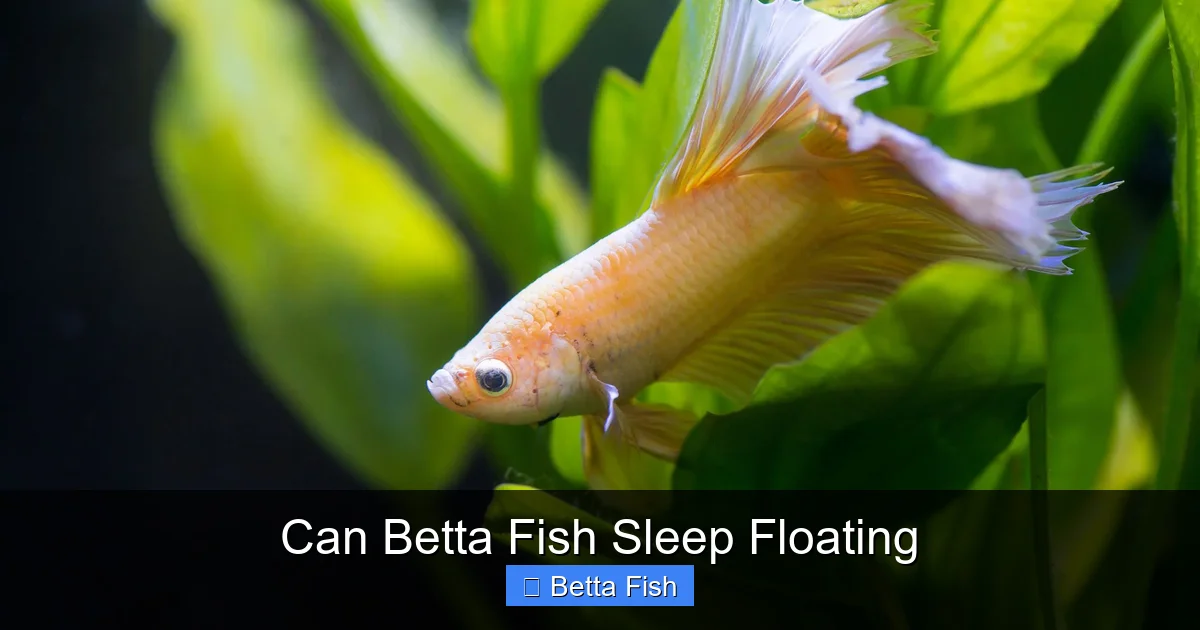
Visual guide about Can Betta Fish Sleep Floating
Image source: thesprucepets.com
The key takeaway here is that context is everything. A betta that sleeps floating, eats enthusiastically, displays vibrant colors, and swims actively during its waking hours is simply a fish that enjoys surface naps. There’s no cause for alarm. However, when floating is accompanied by other concerning symptoms — loss of appetite, bloating, color changes, or inability to swim normally — it’s time to investigate further.
By providing your betta with a properly sized tank, clean and warm water, consistent lighting cycles, appropriate resting spots, and a stress-free environment, you’re setting the stage for healthy, restful sleep. Pay attention to your fish’s individual patterns, trust your observations, and don’t hesitate to seek help when something seems off.
Your betta depends on you to be its advocate and caretaker. Now that you understand the ins and outs of betta sleep — including why floating is often perfectly fine — you’re well-equipped to give your finned friend the best possible care. Sweet dreams to your betta, and happy fish keeping to you!
Frequently Asked Questions
Can betta fish sleep floating at the surface?
Yes, betta fish can and often do sleep floating at the water’s surface. This is completely normal behavior due to their labyrinth organ, which allows them to breathe air directly from above. As long as your betta is active and healthy when awake, surface floating during sleep is nothing to worry about.
Why is my betta fish floating but still eating?
If your betta is floating but still eating well, swimming normally during active periods, and showing vibrant colors, the floating is almost certainly just normal sleep behavior. Bettas naturally rest near the surface, and a healthy appetite is the best indicator that your fish is doing fine.
How do I know if my betta is sleeping or dying?
A sleeping betta will respond to gentle stimuli like tapping the glass or offering food. It will maintain normal coloration and resume regular activity when awake. A dying betta may show no response to stimuli, have faded or discolored scales, exhibit labored breathing, and refuse food for extended periods.
Should I turn off the filter when my betta is sleeping?
No, you should keep the filter running 24/7. Filters are essential for maintaining water quality and oxygenation. However, make sure the water flow isn’t too strong, as a powerful current can disturb your betta’s sleep and cause stress. Adjust the flow to a gentle level if needed.
Do baby bettas sleep floating too?
Yes, baby bettas (fry) also sleep floating, though they tend to be more active overall and may sleep in shorter bursts. Young bettas develop their labyrinth organ around 3-4 weeks of age, and once it’s functional, they may begin resting at the surface just like adult bettas.
Can poor water quality cause my betta to float more than usual?
Yes, poor water quality is a common cause of abnormal floating behavior. High ammonia, nitrite, or nitrate levels stress your betta and can lead to lethargy and excessive floating. Regular water changes and proper filtration are essential for keeping your betta healthy and its sleep patterns normal.