Where Are Betta Fish Naturally Found
Betta fish, famously known as Siamese fighting fish, are not inherently from small glass jars. They are native to the tropical regions of Southeast Asia, specifically Thailand, Cambodia, Vietnam, and parts of Malaysia and Indonesia. In the wild, they thrive in warm, shallow, and often stagnant bodies of water like rice paddies, slow-moving streams, and floodplain pools. Their legendary survival skills, including a specialized labyrinth organ for breathing air, are direct adaptations to these challenging, oxygen-poor environments. Understanding their natural habitat is crucial for appreciating their behavior and providing proper care in captivity.
Key Takeaways
- Native Range: Wild bettas are indigenous to the tropical heart of Southeast Asia, with Thailand being the primary native country for the species Betta splendens.
- Preferred Habitat: They naturally inhabit shallow, warm, and stagnant or slow-moving freshwater environments, such as rice paddies, drainage ditches, and leaf-littered pools.
- Air-Breathing Adaptation: Their unique labyrinth organ allows them to survive in oxygen-depleted water by gulping air from the surface, a key trait for their native habitats.
- Seasonal Survivors: Wild bettas endure extreme seasonal cycles, surviving dry seasons by burrowing into mud and rebounding with the monsoon floods.
- Not Solitary by Nature: While famous for male aggression, in their vast, vegetated natural territories, they are more solitary but not constantly in conflict, with space being the critical factor.
- Conservation Concern: Many wild betta populations face threats from habitat destruction, pollution, and hybridization with escaped captive stock, making their natural existence increasingly fragile.
📑 Table of Contents
- The Misunderstood Origins of a Global Pet
- Geographic Heartland: Mapping the Betta’s Native Range
- The Signature Habitat: Life in Shallow, Stagnant Waters
- Evolutionary Marvels: Adaptations for a Harsh Home
- Seasonal Rhythms and Environmental Extremes
- The Conservation Crossroads: Wild Betta Populations Under Threat
- Bringing the Wild Into the Home: Practical Applications
- Conclusion: A Window into Wildness
The Misunderstood Origins of a Global Pet
Walk into any pet store, and you’ll likely be greeted by a dazzling array of betta fish, their flowing fins and vibrant colors displayed in solitary cups or small bowls. This iconic image has cemented a powerful, yet deeply flawed, public perception: that the betta fish is a creature born for confinement, happy in a tiny glass prison. The reality of where betta fish are naturally found is a story of resilience, adaptation, and a vibrant ecosystem that is a world away from a kitchen countertop. To truly understand the betta— scientifically known as Betta splendens, the “Siamese fighting fish”—we must journey to the steaming, muddy, and biologically rich landscapes of Southeast Asia. This journey reveals not just a geographic location, but the foundational blueprint for the fish’s behavior, physiology, and ultimate survival. Their natural history is the most important manual for anyone who wishes to keep one, moving us from seeing them as decorative objects to appreciating them as complex wild animals adapting to a demanding environment.
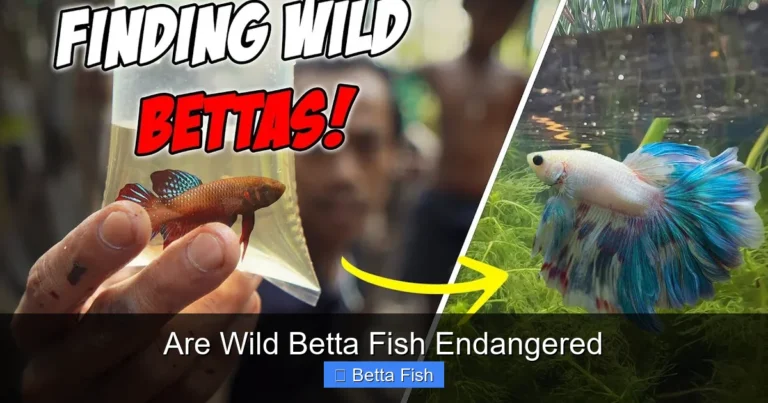
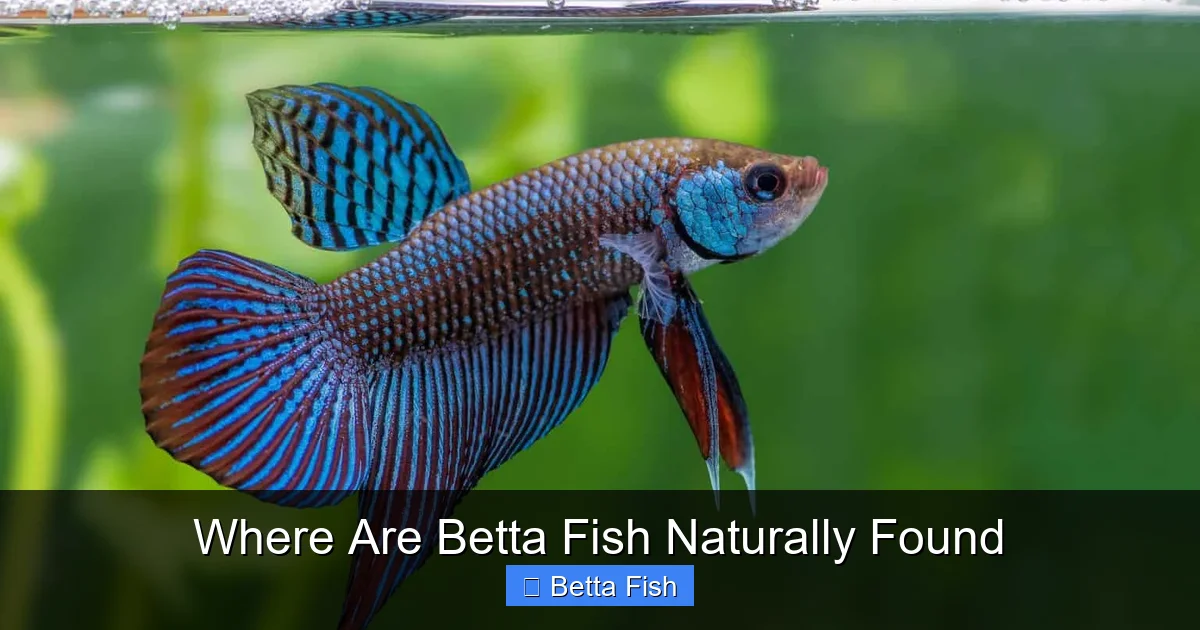
The phrase “naturally found” is our compass. It directs us away from the captive-bred generations and toward the ancestral wild types. These are not the brilliantly hued, long-finned specimens we commonly see. Wild bettas are typically shorter-finned, with more subdued coloration—often shades of green, brown, and red—that provides camouflage among aquatic plants and dark water. Their story begins not in a laboratory or pet store backroom, but in the seasonal floodplains and human-altered agricultural landscapes of a region defined by monsoon rhythms. By exploring these native habitats, we uncover the “why” behind the betta’s most famous traits: their air-breathing ability, their territorial nature, and their incredible hardiness. This is the authentic tale of the betta fish in the wild.
Geographic Heartland: Mapping the Betta’s Native Range
The betta fish’s natural distribution is not scattered across the globe but is beautifully concentrated in a specific biogeographic zone. The center of their native universe is the Chao Phraya River basin in central Thailand. From this core, their range radiates outward into the neighboring river systems of Southeast Asia. Understanding this geography is the first step in visualizing their habitat.
Visual guide about Where Are Betta Fish Naturally Found
Image source: diyseattle.com
The Thai Stronghold: Central Thailand’s Floodplains
Central Thailand, particularly the vast floodplain surrounding the Chao Phraya and Mae Khlong rivers, is the undisputed homeland of Betta splendens. This region is characterized by a dramatic tropical monsoon climate. For half the year, intense rainfall causes rivers to swell and inundate the surrounding lowlands, creating a massive, temporary network of shallow ponds, swamps, and flooded fields. For the other half, the waters recede, leaving behind isolated, warming puddles and moist mud. It is within this cycle of expansion and contraction that the wild betta evolved. The famous “fighting” behavior was first observed and selectively bred in this region, near the city of Bangkok (historically Siam), giving rise to the common name “Siamese fighting fish.”
Expansion into Cambodia and Vietnam
The betta’s range extends eastward into the Mekong River basin, covering parts of northeastern Thailand, Cambodia, and southern Vietnam. In Cambodia, they are found in the Tonlé Sap lake and its surrounding floodplains—one of the most productive freshwater ecosystems in the world. The Mekong’s seasonal floods create similar temporary habitats. Here, bettas share the waters with a stunning array of other tropical fish, reptiles, and amphibians. The water in these areas can be particularly tannin-stained from decaying leaf litter, creating soft, acidic conditions that many tropical fish species prefer.
Peripheral Populations: Malaysia and Beyond
While Thailand hosts the primary population of Betta splendens, other betta species from the same genus are found across a wider area. Southern Thailand and peninsular Malaysia are home to species like Betta imbellis (the peaceful betta) and Betta pugnax. These regions have similar monsoon-driven habitats but with differences in water chemistry and co-inhabiting species. The various Betta species collectively showcase the genus’s successful adaptation to the island and mainland ecosystems of Southeast Asia. This geographic isolation has also led to the evolution of dozens of distinct wild betta species, each with its own subtle preferences, but all sharing the core adaptations for life in shallow, variable waters.
The Signature Habitat: Life in Shallow, Stagnant Waters
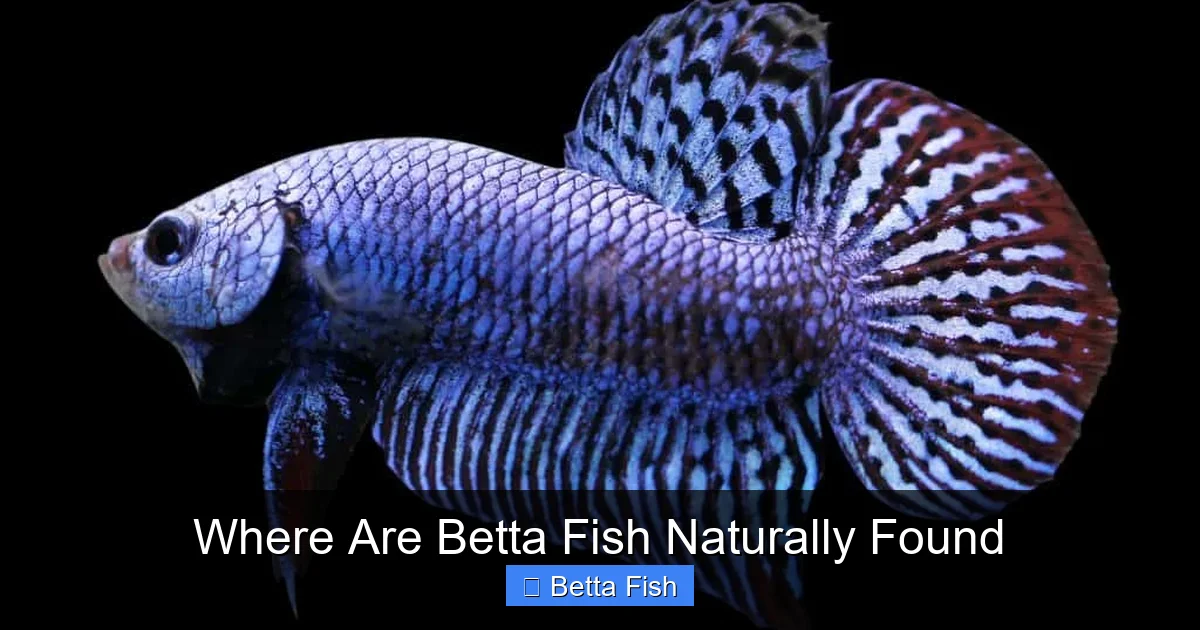
Knowing the countries is one thing; understanding the specific type of water is another. The phrase “naturally found” must be paired with a description of the physical environment. Wild bettas are not fish of deep, clear, fast-flowing rivers. They are specialists of the margins—the shallow edges where water slows, vegetation chokes the surface, and the water column can become severely depleted of oxygen. Their habitat is defined by three key physical parameters: shallow depth, warm temperature, and still or very slow-moving water.
Visual guide about Where Are Betta Fish Naturally Found
Image source: fishlaboratory.com
Rice Paddies: The Anthropogenic Paradise
Perhaps the most iconic wild betta habitat is the flooded rice paddy. During the growing season, these agricultural fields are intentionally flooded. This creates a perfect, if temporary, betta sanctuary: shallow, sun-warmed water teeming with insect larvae, tiny crustaceans, and plant life. The dense stands of rice plants provide essential cover from predators and the blazing sun, and their roots offer perfect spawning sites. For a betta, a rice paddy is an all-you-can-eat buffet and a secure apartment complex rolled into one. It’s a striking example of how human agricultural activity, when traditional and low-impact, can inadvertently create ideal habitats for certain wildlife species. The betta’s association with these man-made wetlands is so strong that in Thailand, they are often called “pla kat khwai,” which translates to “fighting fish of the water buffalos,” a nod to the animals that work these fields.
Slow-Moving Streams, Swamps, and Drainage Ditches
Beyond paddies, bettas naturally occupy the sluggish backwaters of streams, the blackwater swamps, and even the murky irrigation ditches that crisscross the countryside. These habitats share common traits: abundant surface vegetation (like water hyacinth, duckweed, or Pistia), submerged roots and leaf litter, and water that is often tinted brown by tannins released from decaying organic matter. This “blackwater” is soft and acidic, a condition to which bettas are supremely adapted. The vegetation is not just for show; it is critical for oxygenation (through its own photosynthesis), for filtering the water, and for breaking up the line of sight, which reduces the frequency of violent territorial disputes between males.
The Importance of Surface Access and Vegetation
Two elements are non-negotiable in a natural betta habitat: access to the air-water interface and dense surface cover. The labyrinth organ, their famed air-breathing structure, is useless if they cannot reach the surface. In the wild, a betta will rarely venture into open water away from cover to gulp air; it does so quickly and returns to the safety of plants. Dense surface vegetation is equally vital. It provides a sense of security, reduces stress, and plays a direct role in breeding. Male bettas build their bubble nests not in open water, but anchored to the undersides of leaves or stems just below the surface. Without this structure, spawning in the wild would be nearly impossible. This is why a bare tank, even if spacious, is a profoundly unnatural and stressful environment for a betta.
Evolutionary Marvels: Adaptations for a Harsh Home
The betta’s natural habitat is not a gentle paradise. The shallow, warm waters of Southeast Asia can become critically low in dissolved oxygen, especially under a dense canopy or in decomposing organic matter. The water temperature can swing dramatically between day and night. Predators—birds, snakes, larger fish—are constant threats. To survive here, the betta evolved a suite of remarkable adaptations. These are not quirks; they are survival tools forged by natural selection.
Visual guide about Where Are Betta Fish Naturally Found
Image source: buildyouraquarium.com
The Labyrinth Organ: Breathing Air to Beat the Odds
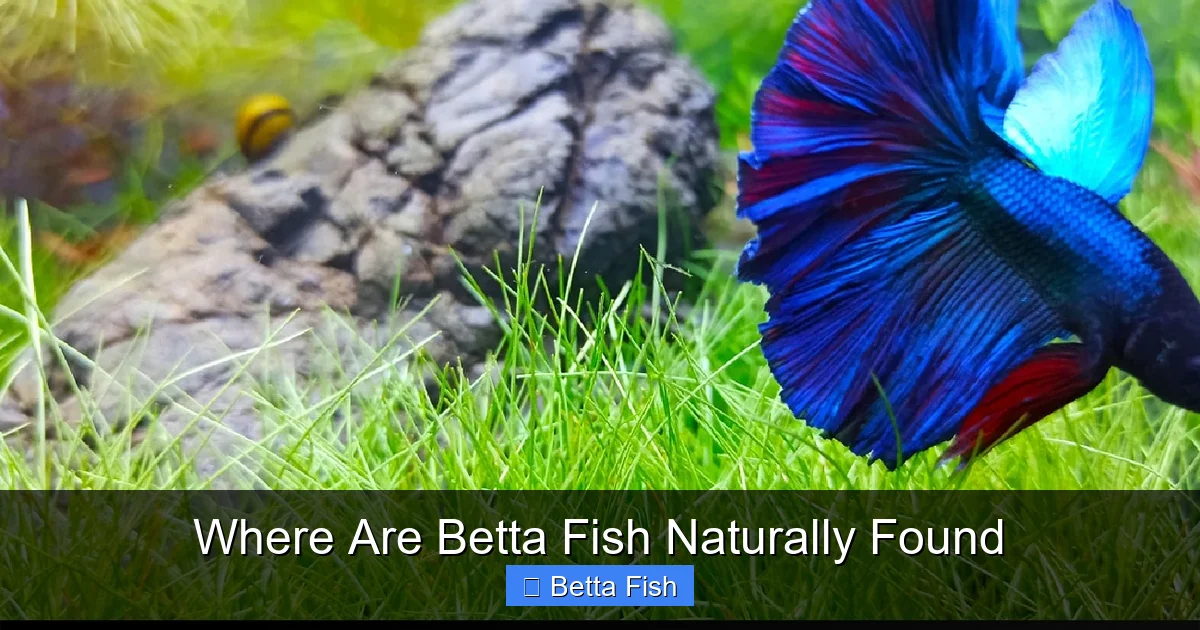
The most famous adaptation is the labyrinth organ, a specialized structure derived from the first gill arch. It’s a folded, vascularized chamber that allows the betta to extract oxygen directly from the air. This is a game-changer. While most fish are doomed when oxygen levels in water plummet, the betta simply swims to the surface, takes a gulp of air, and returns to its business. This ability lets them thrive in conditions that would suffocate other fish, occupying ecological niches with far less competition. It’s also the primary reason they can survive in the tiny, poorly aerated containers they are often sold in—a cruel irony, as the adaptation allows them to endure bad conditions but does not mean they prefer or thrive in them. In the wild, this organ is used efficiently in oxygen-poor water, but they still live in environments with ample surface access and vegetation, which naturally oxygenates the water.
Color, Camouflage, and the “Flare”
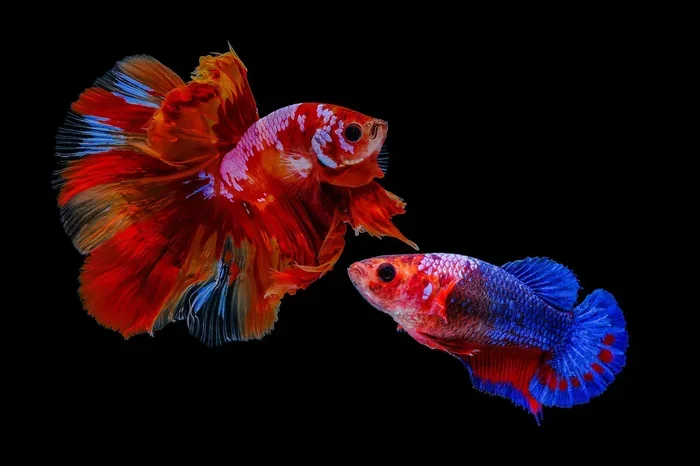
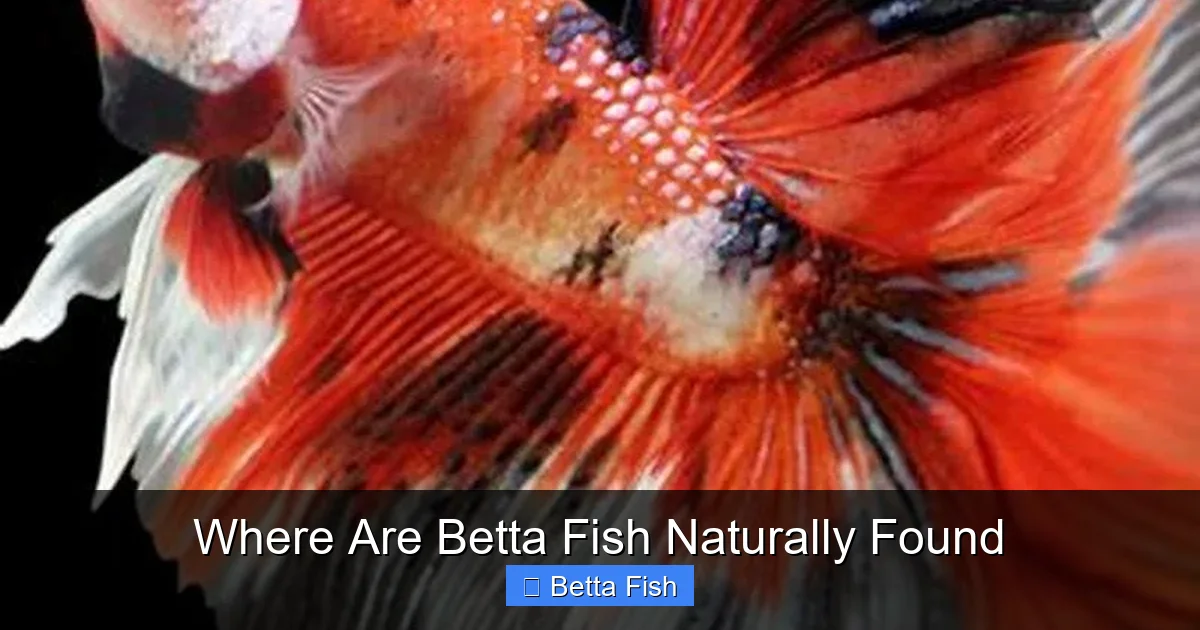
The wild betta’s coloration is typically muted—muddy greens, browns, and rusts—providing excellent camouflage among aquatic plants and dark water. The brilliant reds, blues, and metallic hues of aquarium bettas are the result of centuries of selective breeding for the “flare” display. In the wild, this dramatic color change and fin spreading is reserved for moments of high arousal: territorial defense, courtship, or when sensing a predator. It makes the fish appear larger and more intimidating. The fact that this display is so easily triggered in captivity is a direct window into their high-strung, territorial wild nature. Their fins, while shorter and less ornate than modern varieties, are still used in these displays and in the characteristic “slow approach” behavior when investigating new objects or potential rivals.
Aggression and Territoriality: A Response to Space, Not Nature
The betta’s infamous aggression is often misunderstood. In the wild, a male’s territory is not a cup; it’s a sprawling, three-dimensional space encompassing a patch of dense plants, a root system, and a section of water column. He will defend this vital resource—which contains his bubble nest, food sources, and mates—from rival males. However, because his territory is vast and visually broken up by plants, he does not see rivals constantly. The constant, inescapable visual contact in a small, bare tank is what triggers chronic stress and relentless aggression. Their natural behavior is more about strategic avoidance and brief, intense displays than continuous fighting. Two males in a large, heavily planted pond might have territories that barely overlap, leading to a peaceful coexistence. Space and visual barriers are the keys to mitigating their innate territoriality.
Seasonal Rhythms and Environmental Extremes
To think of a betta’s habitat as a static pond is incorrect. The defining feature of their native range is the monsoon cycle, which transforms the landscape completely twice a year. The betta’s entire life history is synchronized with this pulse of the environment. Their survival depends on enduring the extremes of this cycle.
The Wet Season: Expansion, Breeding, and Abundance
When the monsoon rains arrive, the lowlands flood. What were isolated puddles and muddy depressions become connected by a vast, shallow sea. This is the betta’s time of plenty and proliferation. The sudden increase in habitat space allows males to establish new territories in the fresh, insect-rich waters. The abundance of food—hatching insects, zooplankton, and newly available plant life—triggers breeding condition. Males begin to build their intricate bubble nests, anchored to the abundant surface vegetation. Females, gravid with eggs, select the most suitable males with the best nests and territories. Spawning occurs, and the male meticulously tends the nest, retrieving falling eggs and blowing new bubbles. This season is a period of explosive growth and reproduction for the population.
The Dry Season: Drought, Survival, and the “Burrowing” Myth
As the rains cease, the waters begin to recede. Ponds shrink, connections disappear, and the habitat fragments again into isolated, warming pools. Oxygen levels drop further as water volume decreases and organic decomposition increases. This is the betta’s greatest test. Their labyrinth organ is crucial here, but they have another, often misunderstood, trick. In the absolute final stages of drying, when only thick, wet mud remains, wild bettas will burrow down into the damp substrate. They do not create elaborate tunnels; they simply wedge themselves into the cool, moist mud, which can retain humidity for weeks. In this state of estivation, their metabolism slows dramatically. They survive by breathing air through a tiny opening to the surface and by absorbing minimal oxygen through their skin. When the next rains come, they emerge, often in the same spot, to repopulate the newly flooded plains. This incredible adaptation is why they are so hardy but also why their wild populations are vulnerable to complete habitat loss—if a paddy field is paved over, the bettas buried there have nowhere to go.
The Conservation Crossroads: Wild Betta Populations Under Threat
The narrative of the betta’s natural resilience should not be mistaken for a story of invincibility. While the species Betta splendens is currently listed as “Vulnerable” by the IUCN, many other wild Betta species are critically endangered. Their specialized habitats are under unprecedented pressure from the very forces that have made Southeast Asia an economic powerhouse.
Habitat Loss: The Vanishing Paddies and Swamps
The single greatest threat is the outright destruction of their habitat. Traditional, seasonal rice paddies are being converted to permanent, intensively farmed fields with different water management practices. Wetlands are drained for urban development, palm oil plantations, and aquaculture (like shrimp farms). Pollution from agricultural runoff (pesticides, fertilizers) and industrial effluent poisons the remaining waterways. The complex, vegetation-rich, seasonal environment that bettas require is being simplified, sterilized, and erased. A betta cannot survive in a concrete-lined drainage canal with toxic runoff; it needs the complex, dynamic ecosystem of a traditional agricultural or natural wetland.
The Genetic Threat: Hybridization and Captive Escapees
Another insidious threat comes from the global betta trade itself. Millions of captive bettas are bred in farms, primarily in Thailand. Occasionally, these fish escape or are released into the wild. They interbreed with native populations. The result is genetic pollution. The wild-type genes that are crucial for survival in a challenging natural environment—like specific behaviors, disease resistance, and efficient air-breathing—can be diluted by genes from heavily inbred, brightly colored captive lines that are adapted for aesthetics, not survival. Over time, this can weaken the fitness of wild populations, making them less able to withstand environmental stresses. Protecting the genetic integrity of wild stocks is a major, often overlooked, conservation challenge.
What Can Be Done? Supporting Ethical Practices
Conservation starts with awareness. For the potential betta keeper, this means understanding that your pet’s wild cousins are struggling. It means choosing reputable breeders who practice sustainable methods and, ideally, supporting conservation-focused organizations working in Southeast Asia. It also means providing the best possible captive care—a spacious, planted, heated tank that mimics the complexity of their natural home—which reduces demand for wild-caught specimens and respects the animal’s intrinsic needs. The betta’s popularity can be a force for good if it drives funding and attention to the preservation of the unique wetlands they call home.
Bringing the Wild Into the Home: Practical Applications
So, you’ve journeyed with us through the rice paddies and seasonal swamps of Southeast Asia. You now know that your betta is a descendant of a hardy, air-breathing survivor of extreme environments. What does this mean for its care? Every piece of this natural history is a direct instruction manual for creating a thriving captive environment. Moving beyond the myth of the “low-maintenance cup fish” is the first and most important step.
Tank Size and Environment: More Than a Cup
The most critical takeaway is space. A wild betta’s territory is measured in square meters, not cubic inches. The absolute minimum for a healthy, long-lived betta is a 5-gallon (19-liter) tank, with 10 gallons (38 liters) or more being strongly recommended. This volume provides stable water parameters, dilutes waste, and allows for proper heating. More importantly, it gives you space to recreate the dense, complex environment they naturally inhabit. This means filling the tank with live or silk plants, especially floating plants like water lettuce or frogbit, which provide essential surface cover and mimic the plant cover of their rice paddy home. Include broad-leaved plants, driftwood, and ceramic caves to create a three-dimensional landscape of hiding spots and territories. The goal is to break up lines of sight so the betta cannot see the entire tank at once, reducing stress and territorial aggression.
Water Parameters: Warm, Stable, and Clean
Their natural habitat is warm year-round, with temperatures rarely dipping below 75°F (24°C) or rising above 85°F (29°C). A reliable aquarium heater is non-negotiable to maintain a stable 78-80°F (25.5-26.5°C). The water in their blackwater habitats is soft and slightly acidic, but most captive-bred bettas are now quite adaptable to a range of pH and hardness as long as it is stable. The key parameter to monitor is ammonia and nitrite, which must always be zero. A well-cycled filter is essential, even though they are from still waters—the filter processes toxins. However, the filter output should be gentle, as they are not strong swimmers and in the wild, they experience no current. A sponge filter is an excellent choice, providing both biological filtration and a gentle flow, plus a source of surface agitation for gas exchange (complementing their air-breathing).
Diet and Enrichment: Reflecting a Wild Predator
In the wild, bettas are carnivorous micro-predators. They eat insect larvae (like mosquito wrigglers), tiny crustaceans (daphnia, copepods), and small worms. A diet of solely flake food is inadequate. Offer a high-quality pellet or granule formulated for carnivorous fish as a staple, and supplement regularly with frozen or live foods like daphnia, brine shrimp, bloodworms, and microworms. This variety provides essential nutrients and stimulates their natural hunting behavior. Use feeding tongs to drop food near plants, encouraging them to “hunt.” This mental and physical enrichment is vital for their well-being, preventing the boredom and stress that can lead to lethargy or fin-nipping in a barren tank.
Conclusion: A Window into Wildness
The story of where betta fish are naturally found is far more compelling than any myth of a cup-dwelling fighter. It is a story of a fish perfectly engineered for a specific, challenging, and beautiful niche: the seasonal wetlands of Southeast Asia. Their labyrinth organ, their burrowing ability, their territorial displays, and their very existence are direct responses to the rhythms of monsoon floods and droughts, to oxygen-poor waters, and to dense, protective vegetation. This natural history is not just trivia; it is the foundation of ethical care. When we provide a spacious, warm, planted tank with clean water and a varied diet, we are not doing something extra—we are replicating the fundamental conditions to which they are biologically adapted. We are honoring their wild heritage.
Furthermore, recognizing their natural vulnerability transforms our perspective. The betta in your care is a living ambassador for its wild cousins. The choices we make—from the size of the tank we buy to the breeder we support—ripple out to the rice paddies and swamps of Thailand and Cambodia. By understanding and respecting their natural origins, we move from being mere owners to becoming informed stewards. We ensure that the dazzling, flaring fish before us is not just a survivor of captivity, but a thriving individual whose life echoes the resilience and beauty of the wild wetlands that first shaped its kind. Let that knowledge guide every sip of water, every plant you add, and every interaction with this extraordinary, naturally remarkable fish.
Frequently Asked Questions
Are betta fish from Thailand?
Yes, the primary native range for Betta splendens is central Thailand, specifically the Chao Phraya River basin. Their natural habitat also extends into parts of Cambodia, Vietnam, and Malaysia.
What is a betta fish’s natural habitat like?
Naturally, bettas live in shallow, warm, stagnant or slow-moving freshwater environments like rice paddies, swamps, and slow streams. These habitats are heavily vegetated, often have dark “blackwater” from tannins, and experience extreme seasonal changes from flooding to drought.
Can betta fish survive in the wild outside of Southeast Asia?
No. Betta splendens is native only to Southeast Asia. While they can survive in warm, tropical climates if released (like in parts of Florida or Australia), they are considered an invasive species there and can harm local ecosystems. They cannot survive in temperate or cold climates.
Do wild bettas have long fins like pet store bettas?
No. Wild bettas have short, practical fins designed for swimming through dense vegetation. The long, flowing fins of pet store bettas are the result of centuries of selective breeding for appearance and are not found in the wild. Wild males are still brightly colored but in more camouflaged patterns.
How do bettas naturally breathe air?
Bettas possess a specialized “labyrinth organ,” a folded chamber that allows them to gulp air from the water’s surface and extract oxygen from it. This adaptation lets them survive in oxygen-poor waters that would suffocate most other fish.
What do bettas eat in the wild?
In their natural habitat, bettas are carnivorous micro-predators. Their diet consists of insect larvae (especially mosquitoes), tiny crustaceans like daphnia, small worms, and any small aquatic invertebrates they can find. They are not plant eaters.