Can Betta Fish Scab
Betta fish can develop scab-like wounds from injuries, infections, or parasites, but they don’t form true scabs like mammals. These sores need prompt treatment to prevent serious health issues. With proper care, most betta fish recover fully and live healthy, vibrant lives.
Key Takeaways
- Betta fish don’t form traditional scabs — they develop wound crusts from dried mucus and healing tissue instead.
- Common causes include bacterial infections, parasitic attacks, physical injuries, and fin rot complications.
- Early detection is critical — look for white, brown, or red spots, fuzzy patches, or raised crusty areas on the body.
- Treatment involves clean water, aquarium salt, antibacterial medications, and sometimes antiparasitic treatments.
- Prevention is your best tool — maintain pristine water quality, avoid sharp decorations, and quarantine new additions.
- Fin tissue can regenerate — betta fish have remarkable healing abilities when given proper care during recovery.
- Veterinary help may be needed for severe or persistent cases that don’t respond to home treatment.
📑 Table of Contents
Understanding Betta Fish Skin and Wound Healing
You might be wondering — can betta fish actually get scabs? It’s a great question that many betta owners ask when they notice strange spots or crusty patches on their fish. The answer is more complicated than a simple yes or no. Let me walk you through everything you need to know about betta fish skin health, wound healing, and what those suspicious spots really mean.
Betta fish have a unique skin structure that’s quite different from human skin. They’re covered in a protective mucus layer called the slime coat. This slimy barrier is their first line of defense against bacteria, parasites, and environmental stressors. When this coat gets damaged, your betta becomes vulnerable to all sorts of health problems.
Here’s the thing — fish biology doesn’t work exactly like ours. They don’t have the same type of skin cells that form hard, dry scabs. Instead, when a betta fish gets injured or develops an infection, their body responds differently. Understanding this process will help you provide better care when something goes wrong.
How Fish Skin Differs From Mammalian Skin
Fish skin has some fascinating differences from what we’re used to seeing in mammals. The outer layer of a betta’s skin contains living cells, unlike our dead skin cells on the surface. Beneath this lies a complex network of scales embedded in the dermis. The mucus layer sits on top, constantly being produced and shed.
When a betta gets wounded, their healing process involves mucus production, tissue regeneration, and sometimes the formation of a crusty covering. This crust might look like a scab to the untrained eye, but it’s actually dried mucus mixed with healing tissue. It serves a similar protective function while new skin grows underneath.
Temperature plays a huge role in how quickly betta fish heal. Being tropical fish, they thrive in warm water between 76-82°F (24-28°C). Warmer water speeds up their metabolism and immune response, which means faster healing. That’s why maintaining proper tank temperature is so crucial for recovery.
Common Causes of Scab-Like Marks on Betta Fish
Now let’s talk about what actually causes those concerning spots and marks on your betta. There are several possibilities, ranging from minor injuries to serious infections. Knowing the cause is essential for choosing the right treatment approach.
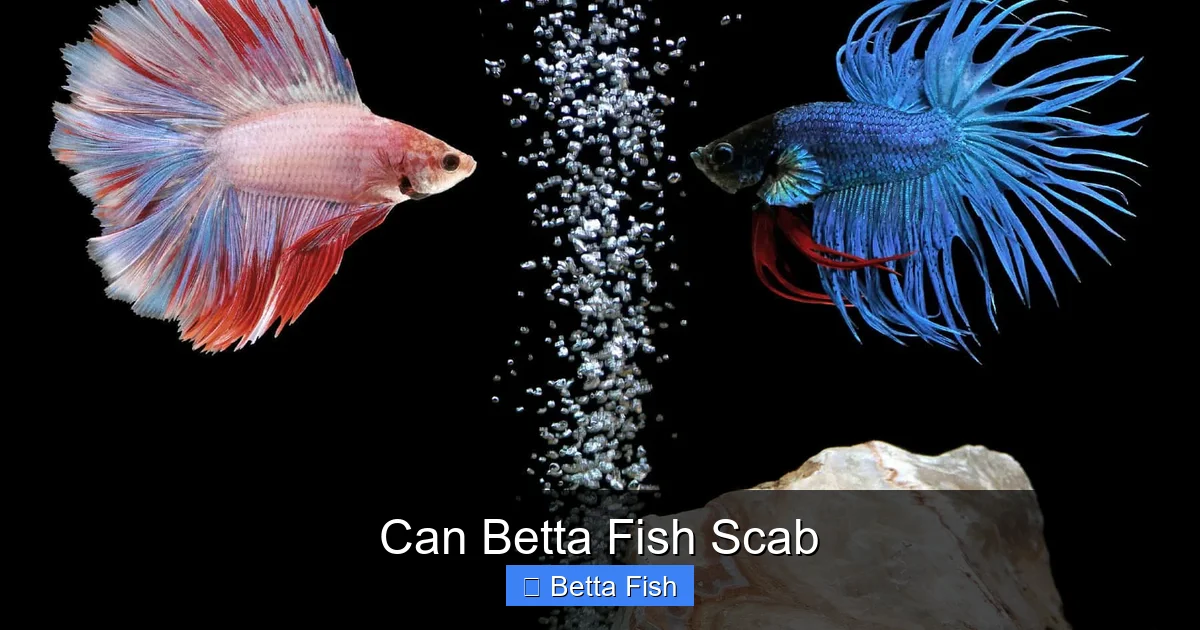
Visual guide about Can Betta Fish Scab
Image source: aquariadise.com
Bacterial Infections
Bacterial infections are probably the most common cause of scab-like lesions on betta fish. When harmful bacteria invade damaged skin, they can create raised, discolored patches that might look crusty or scabbed. Columnaris is one particularly nasty bacterial infection that creates white or grayish patches on the body.
Other bacterial culprits include Aeromonas and Pseudomonas species. These opportunistic pathogens usually attack fish that are already stressed or have compromised immune systems. Poor water quality is often the underlying factor that allows these bacteria to flourish and cause problems.
You’ll typically notice bacterial infections starting as small white spots or fuzzy patches. Without treatment, they can spread rapidly and become life-threatening. The good news is that early intervention with antibacterial medications usually produces excellent results.
Parasitic Infections
Parasites are another common cause of skin problems in betta fish. Ich (white spot disease) is the most well-known, creating tiny white spots that resemble grains of salt scattered across the body and fins. Each spot is actually a parasite burrowed into the skin, feeding on your fish’s tissue.
Velvet disease is another parasitic condition that creates a dusty, golden, or rusty appearance on the skin. It’s caused by dinoflagellate parasites that attach to the skin and gills. While it might not look exactly like a scab, the irritation and damage it causes can lead to secondary infections and crusty patches.
Anchor worms and fish lice are external parasites that physically attach to the body. The attachment points often become inflamed and can develop into scab-like sores. These parasites are visible to the naked eye and require manual removal along with medication.
Physical Injuries and Tank Damage
Sometimes the cause is purely physical. Betta fish can injure themselves on sharp decorations, rough gravel, or aggressive tank mates. Even flopping out of the water during feeding time can cause skin damage. These injuries then heal with that dried mucus crust we talked about earlier.
If you’re considering keeping other fish with your betta, choosing peaceful companions is essential. Aggressive tank mates can cause bite wounds and torn fins that develop into infected sores. Research what other fish can live with betta fish carefully before adding any companions to your tank.
Even the tank itself can be a hazard. Cheap plastic plants with sharp edges are notorious for tearing betta fins. Always choose silk plants or live vegetation instead. Smooth decorations and soft substrate will help prevent accidental injuries.
Fin Rot Complications
Fin rot is extremely common in betta fish and can sometimes create scab-like appearances at the base of deteriorating fins. When fin tissue dies and begins to fall away, the exposed area can become infected and develop a crusty appearance. This is particularly concerning because it indicates the infection is progressing.
The good news is that betta fish fins can grow back with proper treatment. Learn more about can betta fish fins grow back to understand the recovery process and timeline. Fin regeneration typically takes several weeks to months, depending on the severity of the damage.
Identifying Different Types of Skin Problems
Being able to identify what’s actually wrong with your betta is half the battle. Different conditions require different treatments, so accurate identification matters. Let me help you distinguish between the most common skin issues.
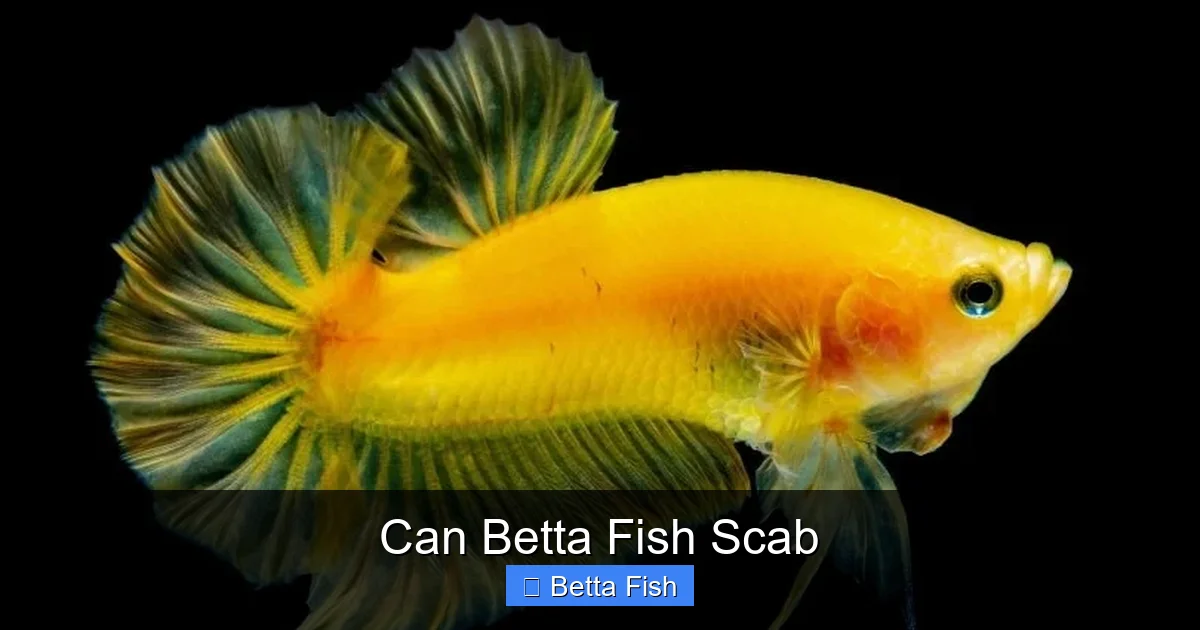
Visual guide about Can Betta Fish Scab
Image source: articles.hepper.com
Visual Identification Guide
- Ich (White Spot Disease): Tiny, uniform white spots resembling salt grains. Spots are roughly the same size and distributed across the body and fins.
- Velvet Disease: Fine, dusty golden or rusty coating. Often appears first on the gills and spreads across the body. Fish may flash against objects.
- Columnaris: White or grayish patches, often around the mouth, gills, or dorsal area. May have a cotton-like or saddle-shaped appearance.
- Fungal Infections: Cottony, fluffy white growths that appear fuzzy. Usually secondary to injuries or other infections.
- Bacterial Ulcers: Red, inflamed, open sores that may have a white or yellowish crust. Often raised and can appear anywhere on the body.
- Healing Wounds: Smooth, slightly raised areas with a clear or whitish appearance. Should improve gradually over days to weeks.
Behavioral Clues
Your betta’s behavior can tell you a lot about what’s happening with their skin. Fish with parasites often flash — they rub against decorations and substrate to relieve itching. Lethargy, loss of appetite, and clamped fins are common signs of bacterial or fungal infections.
Increased breathing at the surface might indicate gill involvement from parasites or bacterial infection. Erratic swimming or loss of balance can suggest the infection has progressed significantly. Any sudden behavioral changes warrant close observation and possibly immediate treatment.
Treatment Options for Skin Problems
Once you’ve identified the problem, it’s time to act. Treatment varies depending on the cause, but some general principles apply to all situations. Let’s explore your options.
Immediate Steps to Take
The first thing you should do is perform a partial water change. Remove about 25-30% of the tank water and replace it with fresh, dechlorinated water. This reduces the pathogen load and gives your fish a cleaner environment to heal in. Test your water parameters immediately — ammonia, nitrite, and nitrate levels should all be in safe ranges.
Increase the water temperature gradually to about 80-82°F (27-28°C) if it’s not already there. This boosts your betta’s immune system and speeds up the parasite life cycle, making medications more effective. Never raise the temperature more than 2 degrees per day to avoid shocking your fish.
Remove any carbon from your filter during treatment. Carbon absorbs medications, rendering them ineffective. You can add it back once treatment is complete to remove any remaining medication from the water.
Medication Options
For bacterial infections, antibiotics like erythromycin, tetracycline, or kanamycin are commonly available. Follow the dosage instructions carefully and complete the full course even if your fish looks better. Stopping early can create antibiotic-resistant bacteria.
Antiparasitic medications containing malachite green, formalin, or copper are effective against ich and velvet. Be cautious with copper-based treatments as they can be toxic to invertebrates. If you keep snails or shrimp, remove them before treating with copper.
Aquarium salt is a gentle treatment that helps with many skin conditions. It reduces osmotic stress, promotes slime coat production, and has mild antibacterial properties. Use one teaspoon per gallon for general treatment, but research specific dosing for your betta’s condition.
Natural and Supportive Treatments
Indian almond leaves are a popular natural treatment among betta keepers. They release tannins that have antibacterial and antifungal properties while creating a more natural environment. Many betta enthusiasts swear by these leaves for preventing and treating minor skin issues.
High-quality nutrition supports healing significantly. Feed your betta varied, protein-rich foods during recovery. Understanding what betta fish can eat helps you provide the nutrition they need for optimal immune function and tissue repair.
Stress reduction is crucial during treatment. Dim the lights, minimize tank disturbances, and ensure your betta has hiding places. Stressed fish heal much more slowly and are more susceptible to secondary infections.
Prevention Strategies for Healthy Betta Skin
Prevention is always better than treatment. By maintaining excellent tank conditions and practicing good husbandry, you can significantly reduce the risk of skin problems in your betta fish.
Water Quality Management
Clean water is the foundation of betta health. Perform regular partial water changes of 25-50% weekly, depending on your tank size and filtration. Test your water parameters weekly to catch problems before they affect your fish.
A properly cycled tank is essential. Beneficial bacteria convert toxic ammonia to less harmful nitrate. Without this biological filtration, ammonia builds up and damages your betta’s delicate skin and gills, making them vulnerable to infections.
Maintain stable water parameters. Sudden changes in pH, temperature, or hardness stress your fish and compromise their immune system. When making changes, do so gradually over several hours or days.
Tank Setup Considerations
Choose a tank that’s at least 5 gallons for a single betta. Larger volumes of water are more stable and dilute waste products more effectively. A good filter with gentle flow is important — bettas prefer calm water and strong currents stress them out.
Avoid sharp or rough decorations. Silk plants and smooth rocks are safer than plastic alternatives. Live plants are ideal — they improve water quality, provide hiding spots, and create a more natural environment. Just make sure any plants you add are aquarium-safe.
Substrate matters too. Fine sand or smooth gravel is gentler on betta fins than rough gravel. Some keepers prefer bare-bottom tanks for sick fish because they’re easier to clean and monitor.
Quarantine and New Additions
Always quarantine new fish, plants, or invertebrates before adding them to your betta’s tank. A quarantine period of 2-4 weeks allows you to observe for diseases and treat them before they spread to your main tank.
New fish from pet stores often carry diseases. Even if they look healthy, they might be harboring parasites or bacteria. Quarantine tanks don’t need to be fancy — a simple 5-gallon tank with a heater and sponge filter works perfectly.
When purchasing a new betta, choose a reputable source. Learn about where to buy a betta fish near you and what to look for when selecting a healthy specimen. Avoid fish with visible spots, lethargy, or clamped fins.
When to Seek Veterinary Help
Sometimes home treatment isn’t enough. Knowing when to seek professional help can save your betta’s life. Let me help you recognize the warning signs.
Signs That Require Professional Attention
If your betta’s condition worsens despite treatment after 3-5 days, it’s time to consult a fish veterinarian. Persistent symptoms, spreading lesions, or new symptoms appearing during treatment suggest the diagnosis might be wrong or the treatment isn’t working.
Severe cases like large open ulcers, significant bloating combined with skin lesions, or extreme lethargy warrant immediate veterinary attention. These could indicate internal infections, organ failure, or advanced disease stages that require prescription medications.
If multiple fish in your tank are showing symptoms, you might be dealing with a contagious outbreak. A veterinarian can help identify the pathogen and recommend appropriate treatment for all affected fish.
Finding a Fish Veterinarian
Not all veterinarians treat fish, so you’ll need to search for one with aquatic experience. The American Association of Fish Veterinarians maintains a directory of qualified practitioners. Some exotic pet vets also treat fish.
Telemedicine options are becoming more available for fish owners. Some aquatic veterinarians offer video consultations where they can assess your fish visually and recommend treatments. This can be especially helpful if you don’t have a local fish vet.
Keep detailed records of your fish’s symptoms, water parameters, and treatments attempted. This information helps veterinarians make accurate diagnoses and recommend effective treatments. Photos and videos of your fish’s condition are also valuable diagnostic tools.
Recovery and Long-Term Care
Recovery from skin problems takes time and patience. Understanding what to expect during the healing process helps you provide appropriate care and recognize when things are improving or worsening.
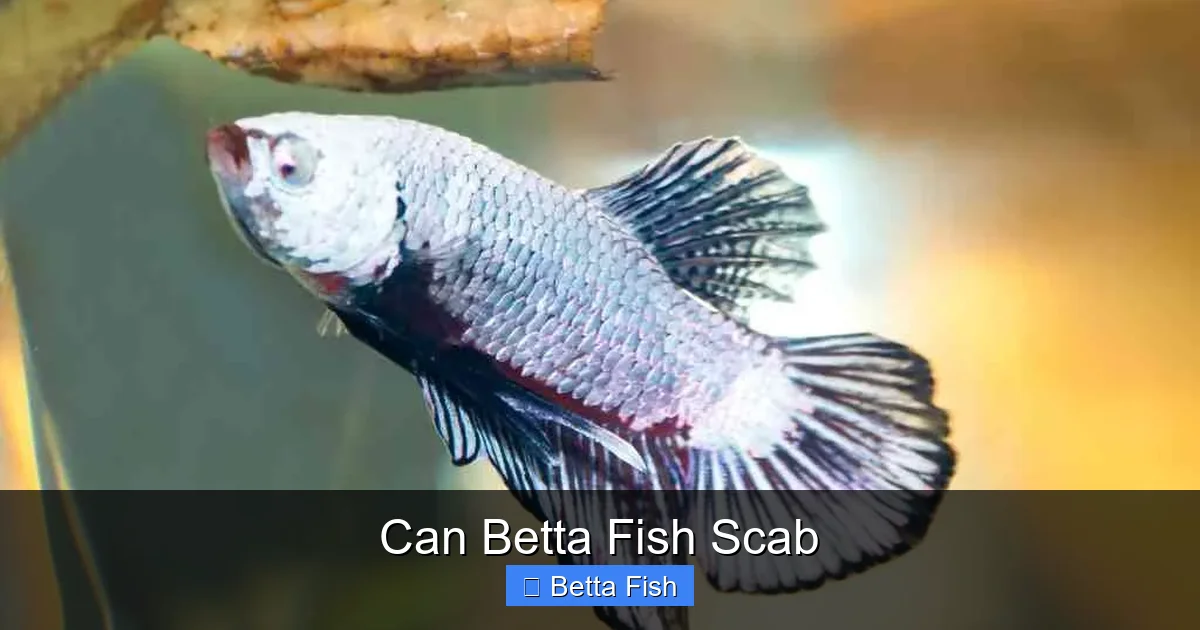
Visual guide about Can Betta Fish Scab
Image source: fishkeepandchill.com
The Healing Timeline
Minor skin irritations and small injuries typically heal within 1-2 weeks with proper care. Bacterial infections usually show improvement within 3-5 days of starting appropriate medication, with full recovery taking 1-3 weeks depending on severity.
Parasite treatments often require longer courses. Ich treatment typically lasts 7-14 days to cover the entire parasite life cycle. Velvet treatment may take 10-14 days or longer. Complete the full treatment course even if symptoms disappear early.
Fin regrowth is the slowest process, taking anywhere from 2-6 months for complete regeneration. New fin tissue appears clear or whitish initially and gradually develops color. Be patient and maintain excellent water quality throughout the recovery period.
Supporting Recovery
Continue maintaining pristine water quality during recovery. Perform more frequent, smaller water changes — about 15-20% every 2-3 days rather than larger weekly changes. This keeps the water clean without causing significant parameter fluctuations.
Feed high-quality, varied foods to support immune function and tissue repair. Live or frozen foods like bloodworms, brine shrimp, and daphnia are excellent protein sources. Supplement with high-quality pellets for balanced nutrition.
Minimize stress during recovery. Keep the tank in a quiet area, maintain consistent lighting schedules, and avoid unnecessary tank maintenance. Your betta needs a calm environment to focus energy on healing.
Conclusion
So, can betta fish scab? While they don’t form true scabs like mammals, they definitely develop scab-like crusts and lesions from various causes. Understanding the difference between normal healing and problematic conditions is key to keeping your betta healthy.
The most important takeaway is that prevention through excellent husbandry is your best defense. Clean water, appropriate tank setup, quality nutrition, and careful selection of tank mates will prevent most skin problems before they start. When issues do arise, early detection and appropriate treatment lead to the best outcomes.
Remember that betta fish are remarkably resilient creatures. With proper care and attention, most skin conditions are treatable and your fish can make a complete recovery. Don’t panic when you notice something unusual — assess the situation calmly, research the symptoms, and take appropriate action. Your betta is counting on you to be their advocate and caregiver.
Frequently Asked Questions
Can betta fish get scabs like humans?
Betta fish don’t form true scabs like humans do. Instead, they develop crusty patches made of dried mucus and healing tissue that serve a similar protective function. These crusts form over wounds or infected areas while new skin grows underneath.
What do scab-like spots on betta fish look like?
Scab-like spots can appear white, gray, brown, or reddish depending on the cause. They might be raised, flat, fuzzy, or smooth. Bacterial infections often create white or yellowish crusts, while healing wounds typically appear smooth and clear to whitish.
How long does it take for betta fish skin to heal?
Minor skin injuries typically heal within 1-2 weeks with proper care. Bacterial infections usually improve within 3-5 days of treatment, with full recovery in 1-3 weeks. Fin regrowth takes the longest, requiring 2-6 months for complete regeneration.
Can I use aquarium salt to treat scabs on my betta?
Yes, aquarium salt is an effective treatment for many skin conditions in betta fish. Use one teaspoon per gallon for general treatment. Salt helps reduce osmotic stress, promotes slime coat production, and has mild antibacterial properties.
Should I quarantine a betta fish with skin problems?
Quarantining is recommended if you have other fish in the tank, as many skin conditions are contagious. A separate hospital tank also allows for more targeted treatment and closer monitoring. If your betta lives alone, you can treat them in their main tank.
When should I take my betta to a veterinarian?
Seek veterinary help if your betta’s condition worsens despite treatment after 3-5 days, if lesions are spreading rapidly, or if your fish shows severe symptoms like extreme lethargy or large open ulcers. Multiple fish showing symptoms also warrants professional attention.