Can You Put Female Betta Fish with Other Fish
Female bettas can live with other fish, but success depends on tank size, temperament, and compatible species. Choose peaceful, non‑aggressive tank mates, provide plenty of hiding spots, and monitor behavior daily. With the right setup, your community tank can thrive without stress for the betta.
Key Takeaways
- Tank size matters: A minimum of 20 gallons gives a female betta room to establish territory.
- Pick peaceful companions: Small tetras, rasboras, and snails are generally safe choices.
- Watch for aggression: Any fin‑nipping or flaring means it’s time to separate the fish.
- Provide plenty of cover: Plants, driftwood, and caves reduce stress and hide lines of sight.
- Maintain water quality: Stable parameters keep both betta and tank mates healthy.
- Gender isn’t the only factor: Male bettas are far more territorial than females.
- Trial periods help: Start with a “quarantine” tank to see how the betta reacts before adding permanent mates.
📑 Table of Contents
Introduction: Why the Question Matters
If you’ve just welcomed a beautiful female betta into your home, you might wonder whether she can share her space. The bright colors and flowing fins are eye‑catching, but many beginners worry about fights, fin‑nipping, or stress. The good news is that female bettas are generally less aggressive than their male counterparts, making them more adaptable to community tanks. However, success isn’t guaranteed—it hinges on a few key factors that we’ll explore in detail.
In this article we’ll break down everything you need to know: from the ideal tank size and water conditions to the best species to pair with a female betta. We’ll also share practical tips for monitoring behavior, handling aggression, and creating a harmonious aquarium that both you and your fish will love.
1. Understanding Female Betta Temperament
What makes females different?
Female bettas (Betta splendens) are naturally more social than males. In the wild they live in shallow, vegetation‑rich waters where they encounter other fish regularly. This environment has shaped a temperament that tolerates, and sometimes even enjoys, the presence of peaceful tank mates.

Visual guide about Can You Put Female Betta Fish with Other Fish
Image source: cdn11.bigcommerce.com
When can aggression still appear?
Even a female can flare her gills, puff up her fins, or chase another fish if she feels her territory is threatened. Triggers include:
- Overcrowding or too many visual competitors.
- Brightly colored or long‑finned fish that resemble a rival betta.
- Inadequate hiding places, forcing the betta into constant “eye contact.”
Understanding these triggers helps you design a tank that minimizes stress.
2. Tank Size and Layout: The Foundations of Peace
Minimum space requirements
A single female betta can thrive in a 5‑gallon tank, but when you add other fish, aim for at least 20 gallons. The extra volume dilutes territorial lines and gives each occupant room to claim its own space.

Visual guide about Can You Put Female Betta Fish with Other Fish
Image source: klick.africa
Creating visual barriers
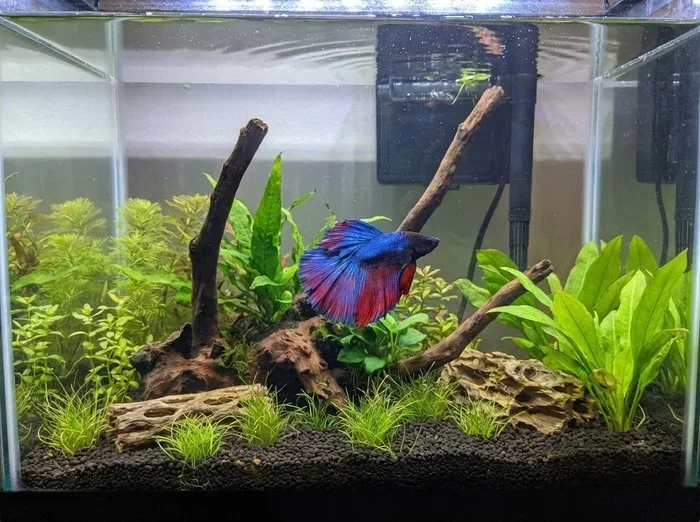
Plants (live or silk), driftwood, and decorative caves break up sight lines. This is crucial because bettas often react to the mere sight of movement.
Arrange décor so that the betta has a “home base”—a spot where she can retreat and feel secure. Pair this with open swimming areas for active community fish.
3. Choosing the Right Tank Mates
Safe species for a female betta
Here are some of the most compatible fish and invertebrates:

Visual guide about Can You Put Female Betta Fish with Other Fish
Image source: grottoraffael.ch
- Neon tetras: Small, fast‑moving, and schooling—stay in the mid‑water column.
- Harlequin rasboras: Peaceful, slightly larger than tetras, and love groups.
- Corydoras catfish: Bottom dwellers that keep to themselves.
- Snails (e.g., Nerite or Mystery): Provide algae control and are too slow to bother a betta.
- Cherry shrimp: Colorful and quick, they can coexist if the betta isn’t a fin‑nipper.
For a deeper dive on compatible species, see our guide on What Other Fish Can You Put With Betta Fish.
Species to avoid
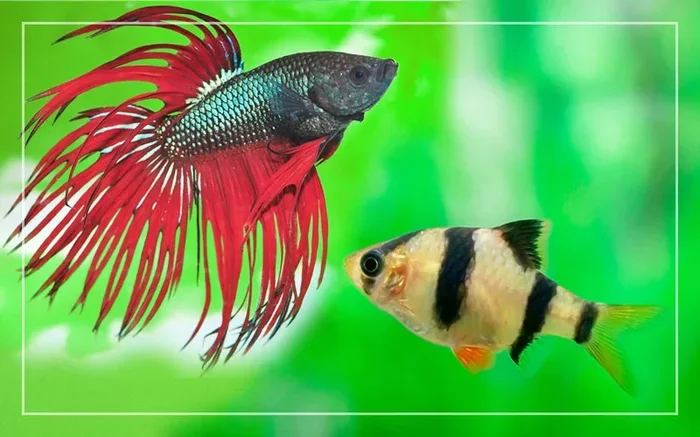
Avoid other bettas, especially males, as well as long‑finned or brightly colored fish that may be mistaken for a rival. Aggressive cichlids, barbs, and large gouramis should also stay out of a betta community.
4. Setting Up the Community Tank
Water parameters
Female bettas prefer:
- Temperature: 76‑82 °F (24‑28 °C)
- pH: 6.5‑7.5
- Soft to moderate hardness
Keep these consistent for all tank mates—fluctuations cause stress and can trigger aggression.
Filtration and flow
A gentle filter is ideal. Strong currents can stress bettas, who prefer calm waters. Use a sponge filter or adjust the output to a low flow setting.
Acclimation process
Introduce the betta first, let her settle for 48‑72 hours, then slowly add new fish using the drip method. This gradual approach lets the betta adjust to new scents and movements without feeling threatened.
5. Monitoring and Managing Behavior
Signs of stress
Watch for these red flags:
- Frequent flaring or gill displays.
- Chasing or nipping at other fish.
- Lethargy or loss of color.
If you notice any of these, consider rearranging décor, adding more hiding spots, or removing the offending fish.
What to do if aggression occurs
1. **Re‑arrange the tank:** Move plants and decorations to break line of sight.
2. **Add more cover:** More caves or dense plant foliage can diffuse tension.
3. **Separate if needed:** Use a breeder box or a temporary quarantine tank. It’s better to split than risk injury.
For a step‑by‑step guide on separating bettas, check out Can You Keep Female Bettas With Other Fish.
6. Long‑Term Care and Maintenance
Routine water changes
Change 25 % of the water weekly to keep nitrate levels low. Use a water conditioner to remove chlorine and chloramines.
Feeding
Offer a varied diet: high‑quality betta pellets, frozen or live daphnia, and occasional brine shrimp. Feed community fish small amounts 2‑3 times a day, and give the betta a slightly larger portion to avoid competition.
Health checks
Inspect fins weekly for signs of rot or torn edges. Healthy bettas have bright, intact fins and clear eyes. Early detection prevents outbreaks that could affect the whole tank.
Conclusion
Putting a female betta with other fish is definitely possible, but it requires thoughtful planning. By providing ample space, selecting peaceful companions, and maintaining stable water conditions, you create a stress‑free environment where your betta can show off her colors without fear. Remember to monitor interactions closely and be ready to adjust the setup if aggression surfaces. With patience and the right choices, a mixed community tank can become a vibrant, thriving underwater world that brings joy to any aquarium hobbyist.
Frequently Asked Questions
Can a female betta live with male fish?
Yes, as long as the males are small, peaceful species that won’t challenge the betta for territory. Avoid other bettas or aggressive males.
Do female bettas need a heater?
All bettas, male or female, thrive in temperatures between 76‑82 °F. A reliable heater keeps the water stable and promotes healthy coloration.
How long should I wait before adding tank mates?
Give the female betta at least 48‑72 hours to settle after introducing her to a new tank. Then add companions slowly, using the drip acclimation method.
Can I keep snails with a female betta?
Yes, snails such as Nerite or Mystery are excellent choices. They are slow, help control algae, and are unlikely to be seen as food.
What if my betta starts fin‑nipping?
First, rearrange décor to break sight lines. If nipping continues, consider removing the offending fish or using a breeder box to separate them.
Is a planted tank better for a female betta?
Absolutely. Live plants provide natural cover, improve water quality, and create a more calming environment for all inhabitants.