How to Treat Betta Fish Pineconing
Betta fish pineconing is a serious condition where scales protrude outward, often signaling dropsy or internal infection. Early detection and quick treatment can dramatically improve your fish’s chances of recovery. This guide covers causes, symptoms, treatments, and prevention steps you can start today.
Betta fish pineconing is one of the most alarming things a fish owner can see. You look at your beautiful fish and notice its scales are sticking out, making it look like a pinecone. This condition is not a disease on its own. It is a symptom of something deeper going on inside your fish’s body.
Many beginners panic when they first notice pineconing. The good news is that you can take action. Understanding what causes this condition and how to respond quickly gives your betta fish the best chance of survival. In this guide, we walk you through every step of identifying, treating, and preventing betta fish pineconing.
Whether your fish is in the early stages or the condition looks severe, this article has practical advice you can use right away. We will cover the science behind pineconing, the best treatment methods, and simple steps to keep your fish healthy in the future. Let’s dive in.
Key Takeaways
- Pineconing means your betta’s scales are lifting away from the body: It is a visible sign of a deeper internal problem.
- Common causes include bacterial infection, poor water quality, and dropsy: Identifying the root cause is essential for effective treatment.
- Immediate action is critical: The sooner you treat pineconing, the better the survival rate for your betta fish.
- Salt baths and clean water are frontline treatments: These simple steps can make a big difference in recovery.
- Prevention is always better than cure: Regular tank maintenance and proper feeding reduce the risk of pineconing.
- Consult a fish veterinarian if symptoms worsen: Professional help may be needed for severe cases.
📑 Table of Contents
What Is Betta Fish Pineconing?
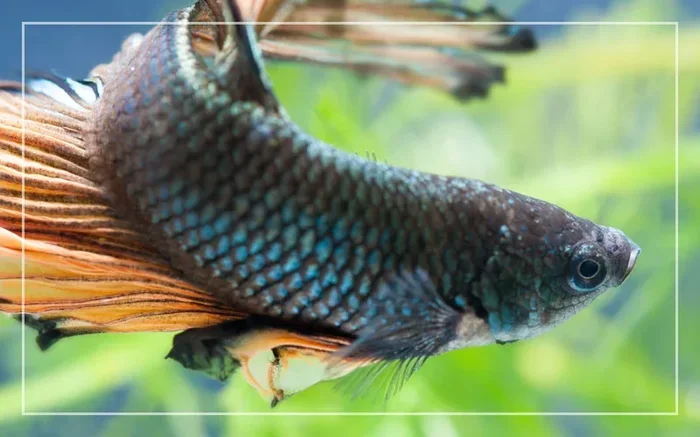
Betta fish pineconing happens when the scales on your fish’s body lift away from the skin. Instead of lying flat against the body, the scales stick out in all directions. This creates a pinecone-like appearance, which is exactly how the condition got its name.
It is important to understand that pineconing itself is not a disease. It is a visible sign that something serious is happening inside your betta’s body. Most often, it points to fluid buildup caused by infection or organ failure.
Why the Scales Lift
Under normal conditions, your betta’s scales sit snugly against its body. When fluid builds up beneath the skin, it pushes the scales outward. This fluid buildup is called edema. The pressure from the excess fluid forces each scale to stand away from the body, creating that distinctive pinecone look.
The fluid buildup is usually caused by one of these problems:
- Bacterial infection affecting the kidneys or liver
- Dropsy in betta fish, which causes severe fluid retention
- Parasitic infestation damaging internal organs
- Poor water quality stressing the fish over time
- Physical injury leading to secondary infection
Because pineconing is a late-stage symptom, it means the underlying condition has already progressed significantly. This is why speed matters so much when you notice the first signs.
Common Causes of Pineconing in Betta Fish
Knowing what triggers pineconing helps you treat the root cause, not just the symptoms. Here are the most common reasons your betta fish might develop this condition.
Poor Water Quality
Dirty water is the number one enemy of betta fish health. When ammonia and nitrite levels rise in the tank, your fish becomes stressed. Over time, this stress weakens the immune system and makes your betta vulnerable to infections that can lead to pineconing.
Regular water changes and proper aquarium water quality maintenance are essential. Even small amounts of ammonia can cause long-term damage. Always test your water parameters before adding your betta to a new tank.
Bacterial Infections
Bacteria like Aeromonas and Pseudomonas thrive in stressed fish. These bacteria attack the kidneys and liver, causing them to fail. When these organs stop working properly, fluid accumulates in the body cavity. This fluid is what pushes the scales outward.
Bacterial infections often enter through open wounds or weakened areas of the body. A betta that has been injured or is already fighting another illness is at much higher risk.
Dropsy Connection
Dropsy is closely linked to pineconing. In fact, many fish owners use the terms interchangeably, though they are not exactly the same. Dropsy in betta fish refers to the fluid buildup itself, while pineconing describes the visible scale effect.
Most cases of pineconing are actually caused by dropsy. If you notice your betta’s belly swelling along with the scale protrusion, dropsy is likely the culprit. You can read more about treating dropsy in our guide on how to treat dropsy in betta fish.
Parasites and Internal Worms
Parasites can damage internal organs over time. Some parasites, like camallanus worms, live inside the fish and feed on nutrients. As the infestation grows, it weakens the fish and opens the door for secondary bacterial infections. These infections can eventually trigger pineconing.
Diet and Nutrition Issues
A poor diet weakens your betta’s immune system over time. Fish that eat only dry flakes or low-quality pellets may develop nutritional deficiencies. These deficiencies make it harder for the body to fight off infections. Over time, a weakened betta becomes an easy target for the bacteria that cause pineconing.
How to Identify Pineconing in Your Betta Fish
Catching pineconing early gives your fish a much better chance of survival. Here is what to look for.
Visual Signs
The most obvious sign is the scale appearance. Your betta’s scales will start to stick out, creating a ridged texture along the body. The scales may look like they are standing straight up, especially near the tail and midsection of the fish.
Other visual signs include:
- Swollen belly that looks tight and firm
- Curved spine in advanced cases
- Loss of color or fading of the body
- Clamped fins held close to the body
- Loss of appetite or refusal to eat
- Lethargy and staying near the bottom of the tank
Behavioral Changes
Your betta’s behavior changes are important clues. A fish with pineconing often becomes less active. It may stop swimming with its usual energy. Some fish hide behind decorations or stay in one corner of the tank.
If your betta is floating at the top or sinking to the bottom and staying there, that is also a warning sign. Any sudden change in behavior combined with visible scale changes should be treated as urgent.
Quick Comparison: Pineconing vs. Similar Conditions
| Condition | Scale Appearance | Belly | Cause |
|---|---|---|---|
| Pineconing | Scales protrude outward | Swollen | Infection, dropsy, organ failure |
| Normal bloating | Scales remain flat | Slightly round | Overfeeding, gas buildup |
| Constipation | Scales remain flat | Moderately swollen | Diet, lack of fiber |
| Swim bladder disorder | Scales remain flat | Normal | Swim bladder malfunction |
This table helps you tell the difference between pineconing and other common conditions. If your betta’s scales are sticking out, pineconing is the likely cause. If the scales are flat but the belly is round, it may be bloating or constipation instead.
How to Treat Betta Fish Pineconing
Treatment depends on the severity of the condition and the underlying cause. Here is a step-by-step approach that many fish owners have found effective.
Step 1: Quarantine the Fish
First, move your betta to a clean, separate tank. A quarantine tank prevents the spread of any infection to other fish. It also gives your betta a stress-free environment where it can focus on healing. Use a small tank with a gentle filter and make sure the water temperature stays between 78 and 80 degrees Fahrenheit.
Step 2: Perform a Salt Bath
An aquarium salt bath is one of the most effective first-aid treatments for pineconing. Salt helps draw out excess fluid and reduces swelling. It also creates a slightly hostile environment for bacteria.
For a detailed guide on this method, check out our step-by-step article on how to salt bath betta fish. Here are the basics:
- Use a separate container with dechlorinated water
- Add one teaspoon of aquarium salt per gallon of water
- Place your betta in the salt bath for 10 to 15 minutes
- Watch your fish closely for any signs of stress
- Repeat the salt bath once daily for 5 to 7 days
Step 3: Improve Water Quality
Clean water is the foundation of recovery. Perform small, frequent water changes of 20 to 25 percent every day during treatment. This keeps ammonia and nitrite levels near zero and gives your fish the best chance to heal.
Make sure your betta fish water care routine includes testing for ammonia, nitrite, and nitrate. You can read more about maintaining healthy water in our guide on how to take care of betta fish water.
Step 4: Use Antibacterial Medication
If the salt bath alone does not show improvement within 48 hours, consider using an antibacterial medication. Products containing kanamycin or erythromycin can target the bacteria causing internal infections. Always follow the dosage instructions carefully.
Some fish owners also use tetracycline as a broad-spectrum antibiotic. You can learn more about safely using this medication in our article on how to use tetracycline for betta fish.
Step 5: Support Your Fish’s Immune System
A strong immune system gives your betta the best fighting chance. Feed high-quality food and consider adding garlic supplements to boost appetite and immunity. Keep the water warm and stable, as bettas heal faster in slightly warmer conditions.
What Not to Do
Avoid these common mistakes during treatment:
- Do not overmedicate: Too much medication can harm your fish’s organs
- Do not skip water changes: Dirty water slows down recovery
- Do not ignore early symptoms: Waiting too long reduces the chances of survival
- Do not treat in the main tank: Medications can harm beneficial bacteria and other fish
Preventing Pineconing in Your Betta Fish
Prevention is always easier and kinder than treatment. A few simple habits can keep your betta healthy and reduce the risk of pineconing significantly.
Maintain Clean Water
Regular water changes are the single best thing you can do for your betta. Change 25 percent of the water every week and vacuum the gravel to remove waste. Test your water parameters at least once a week using a liquid test kit.
Feed a Balanced Diet
Feed your betta a varied diet of high-quality pellets, frozen bloodworms, and brine shrimp. Avoid overfeeding, as uneaten food decays and pollutes the water. A healthy diet keeps the immune system strong and the digestive system functioning properly.
Keep the Tank Stress-Free
Bettas thrive in stable environments. Avoid sudden temperature changes and keep the tank away from loud noises and bright lights. A heater is essential to maintain a consistent temperature. You can learn how to keep the water warm in our guide on making your betta fish tank warmer.
Monitor Your Fish Daily
Spend a few minutes each day watching your betta. Look for changes in behavior, appetite, or appearance. Catching problems early makes treatment much more effective. If you notice anything unusual, act quickly.
Expert Insight: Many experienced fish keepers say that the best treatment for pineconing is prevention. A well-maintained tank with clean water and low stress is the strongest defense against this condition.
When to Seek Professional Help
Not all cases of pineconing can be treated at home. If your betta fish shows no improvement after 5 to 7 days of treatment, it is time to consult a professional. Similarly, if your fish stops eating completely or starts losing weight rapidly, the condition may be too advanced for home treatment.
A fish veterinarian can prescribe stronger medications and provide targeted care. In some cases, internal organ damage may be too far gone for any treatment to work. This is why early action is so important.
If you are dealing with a betta that is bloated and pineconing at the same time, you may also want to check our article on how to treat bloated betta fish for additional guidance.
Conclusion
Betta fish pineconing is a serious condition, but it is not always a death sentence. With quick action, clean water, and the right treatment, many bettas recover fully. The key is to act fast, identify the root cause, and stick with the treatment plan consistently.
Remember to quarantine your fish, use salt baths, improve water quality, and support your betta’s immune system. Prevention through good tank maintenance and proper feeding is the best long-term strategy. Your betta fish depends on you to notice the warning signs and respond. With the knowledge you have gained from this guide, you are now better equipped to protect your fish and give it the best possible chance at a full recovery.
Frequently Asked Questions
Can betta fish survive pineconing?
Yes, many bettas survive pineconing if treated early. The key is to act quickly and address the underlying cause. With salt baths, clean water, and proper medication, recovery is possible in many cases.
Is pineconing the same as dropsy?
Pineconing and dropsy are related but not the same. Dropsy refers to fluid buildup inside the body, while pineconing describes the visible effect of scales lifting outward. Most cases of pineconing are caused by dropsy or a related infection.
How long does it take for a betta to recover from pineconing?
Recovery time varies depending on the severity. Mild cases may show improvement within 3 to 5 days of treatment. Severe cases can take 2 to 4 weeks, and some may not recover fully if organ damage is extensive.
Can poor water quality alone cause pineconing?
Poor water quality alone rarely causes pineconing directly. However, it weakens your betta’s immune system and makes it vulnerable to bacterial infections that lead to pineconing. Clean water is essential for prevention.
Should I use table salt or aquarium salt for treatment?
Always use aquarium salt, not table salt. Table salt contains additives like iodine and anti-caking agents that can harm your fish. Aquarium salt is pure sodium chloride and is safe for bettas when used correctly.
Can pineconing be reversed once the scales start protruding?
Yes, in many cases the scales can return to normal once the underlying cause is treated and the fluid buildup is reduced. However, if the pineconing is caused by permanent organ damage, full reversal may not be possible. Early treatment gives the best results.