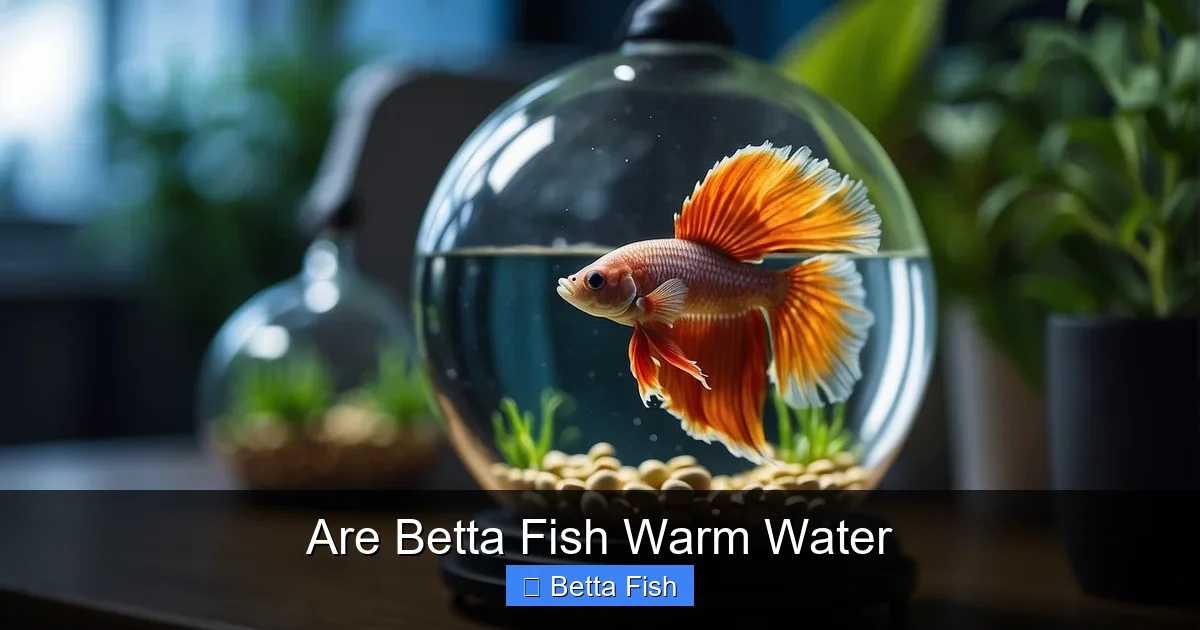
Are Betta Fish Warm Water
Betta fish thrive in warm, tropical water, typically between 76°F and 82°F (24°C‑28°C). Maintaining this temperature is key to their health, coloration, and activity. Use a reliable heater, monitor with a thermometer, and adjust your tank setup to keep the water consistently warm.
Key Takeaways
- Ideal temperature range: 76‑82°F (24‑28°C) for optimal health.
- Consistent warmth: Fluctuations stress bettas and can trigger disease.
- Heater choice: Submersible, adjustable heaters work best for small tanks.
- Thermometer use: Always have a calibrated thermometer in the tank.
- Room temperature effect: Cold rooms may require a larger heater or insulated cover.
- Water type matters: Soft, slightly acidic water pairs well with warm temperatures.
- Regular checks: Weekly temperature checks prevent hidden spikes or drops.
📑 Table of Contents
- Introduction: Why Temperature Matters for Betta Fish
- 1. The Science Behind Betta Temperature Preferences
- 2. Defining the Perfect Temperature Range
- 3. Choosing the Right Heater
- 4. Monitoring Temperature Consistently
- 5. Water Quality and Temperature Interplay
- 6. Practical Tips for Maintaining Warm Water
- Conclusion: Keeping Your Betta Cozy and Colorful
Introduction: Why Temperature Matters for Betta Fish
If you’ve ever wondered “are betta fish warm water lovers?” the answer is a resounding yes. Betta fish, also called Siamese fighting fish, come from the warm, shallow streams of Thailand, Malaysia, and Cambodia. In their natural habitat the water never gets cold—average temperatures sit comfortably in the mid‑70s to low‑80s Fahrenheit.
When you bring a betta into your home, you’re recreating a tiny slice of that tropical world. Getting the water temperature right isn’t just a nicety; it’s a matter of life and color. Too cold and your betta will become lethargic, lose its brilliant hues, and become vulnerable to disease. Too hot and you risk oxygen depletion and stress. This guide walks you through everything you need to know to answer the question “are betta fish warm water” and keep your finned friend thriving.
1. The Science Behind Betta Temperature Preferences
1.1 Natural Habitat and Evolution
Betta fish evolved in stagnant, warm waters that are often heated by the sun. These environments are typically 75‑85°F (24‑29°C). Because they live in shallow pools, the water temperature stays relatively stable throughout the day, with only slight dips at night.
Visual guide about Are Betta Fish Warm Water
Image source: koibettafish.com
1.2 Metabolic Rate and Warm Water
Being ectothermic, a betta’s body temperature matches its surroundings. Warm water speeds up metabolism, digestion, and immune function. It also enhances the production of the pigments that give bettas their famous colors. In cooler water, metabolism slows, the fish may stop eating, and its colors can fade to dull brown or gray.
1.3 Oxygen Solubility Trade‑off
Warm water holds less dissolved oxygen than cold water. That’s why a well‑aerated tank, gentle surface agitation, or a small filter is essential when you run a heater. The goal is to keep the water warm **and** oxygen‑rich.
2. Defining the Perfect Temperature Range
2.1 Recommended Range
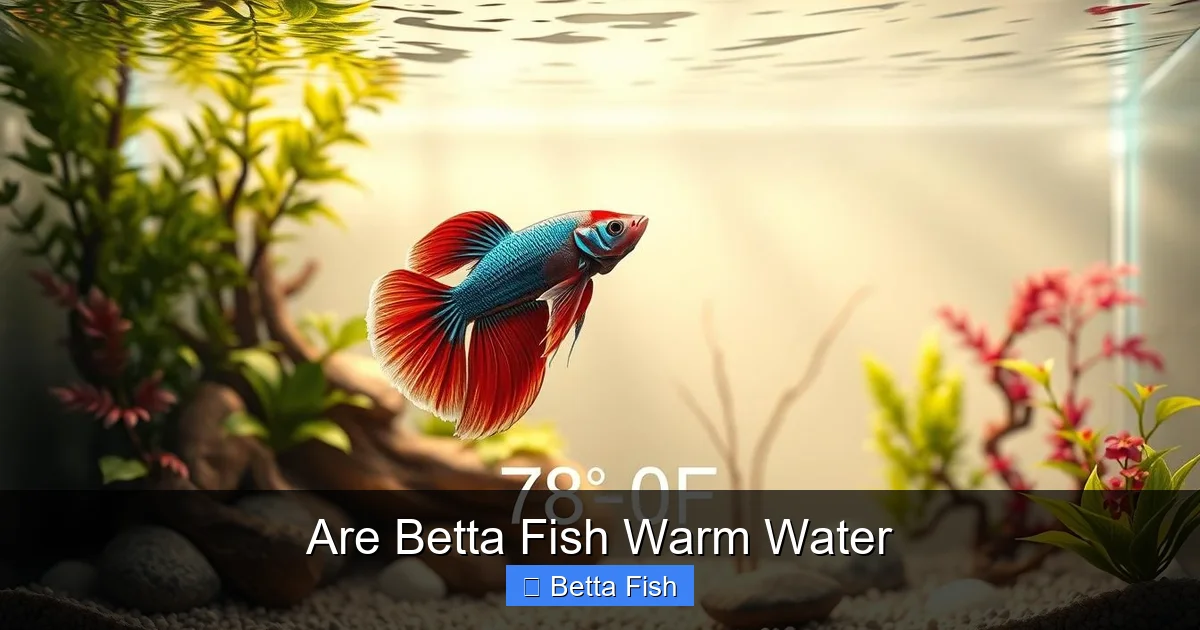
Most experts agree that the sweet spot for bettas is **76°F to 82°F (24°C‑28°C)**. This range balances metabolic health, color vibrancy, and oxygen levels. If you’re in a cooler climate, aim for the higher end of the range; if you’re in a hot climate, keep the water toward the lower end.
Visual guide about Are Betta Fish Warm Water
Image source: theaquariumguide.com
2.2 What Happens Outside the Range?
- Below 74°F (23°C): Betta becomes sluggish, may develop fungal infections, and its fins can appear torn.
- Above 84°F (29°C): Stress spikes, the immune system weakens, and ammonia toxicity becomes more likely.
2.3 Comparing to Other Tropical Fish
Betta fish are indeed tropical fish, sharing temperature needs with guppies, tetras, and neon tetras. However, because bettas often live in smaller containers, temperature fluctuations can be more pronounced, so precise control is crucial.
3. Choosing the Right Heater
3.1 Heater Types for Small Tanks
Most betta owners use a 25‑50 W submersible heater for a 2‑5 gallon tank. Look for models with an adjustable thermostat and a built‑in safety shut‑off.
3.2 Placement Tips
- Place the heater near a water flow source (like a filter) to spread heat evenly.
- Avoid direct contact with the tank glass to prevent cracking.
- Cover the heater with a tank décor piece if you’re worried about your betta bumping into it.
3.3 How to Set and Test
Set the heater to the middle of the recommended range, say 79°F (26°C). Let it run for at least 24 hours, then check the temperature with an accurate aquarium thermometer. Adjust in 1‑degree increments until you hit the desired spot.
4. Monitoring Temperature Consistently
4.1 Thermometer Options
Digital stick‑on thermometers are cheap and accurate, while glass or acrylic strip thermometers are simple and never need batteries. Choose one that’s easy to read at eye level.
4.2 Daily Checks and Weekly Logs
Make a habit of checking the temperature at the same time each day—morning is ideal. Write the reading in a small notebook or a phone note. Over a week you’ll spot trends, like a gradual drop at night that may mean you need a tank cover.
4.3 Dealing with Fluctuations
- Room temperature swings: Use a foam insulation sleeve or move the tank away from drafts.
- Heater failure: Keep a backup heater on hand and consider a battery‑backed heater for power outages.
5. Water Quality and Temperature Interplay
5.1 Ideal Water Parameters
Warm water works best when the pH is slightly acidic to neutral (6.5‑7.5) and the water is soft (0‑10 dGH). Soft water mimics the betta’s natural environment and helps keep the gills healthy.
5.2 Using the Right Water Source
Tap water can be used if you treat it with a dechlorinator and, if needed, a water softener. For a deeper dive, see our guide on what water to use for betta fish for step‑by‑step preparation.
5.3 Changing Water Without Cooling the Tank
When you perform a water change, match the temperature of the new water to the tank’s current temperature. Use a thermometer to check the replacement water, and let it sit in a container near the tank for a few hours to equalize.
6. Practical Tips for Maintaining Warm Water
6.1 Insulate Your Tank
Wrap the back and sides of the tank with a reflective insulation blanket. This helps keep heat in and reduces the heater’s workload.
6.2 Use a Tank Cover
A simple glass or acrylic lid traps warm air and prevents drafts. It also stops your betta from jumping out—a common surprise for new owners!
6.3 Seasonal Adjustments
In winter, increase the heater setting by 1‑2°F if the room gets chilly. In summer, you may need to lower the setting slightly or add a small fan to blow across the water surface, increasing evaporation and cooling the tank.
6.4 Combine with Live Plants
Live plants like Anubias or Java fern not only look great but also help stabilize temperature and oxygen levels. They absorb excess nitrates and provide natural hiding spots.
6.5 When to Seek Professional Help
If your thermometer reads correctly but the betta shows signs of stress—pale fins, clamped gills, or erratic swimming—consult a veterinarian or a knowledgeable fish store. Sometimes underlying disease mimics temperature problems.
Conclusion: Keeping Your Betta Cozy and Colorful
Answering the question “are betta fish warm water” with confidence means committing to a stable, tropical environment. By selecting the right heater, monitoring temperature daily, and pairing warm water with proper water chemistry, you give your betta the best chance to flaunt its dazzling colors and lively personality. Remember, consistency is king—small, regular adjustments beat big, occasional overhauls. With the tips in this guide, you’ll create a warm, welcoming home that any betta would be proud to call its own.
Frequently Asked Questions
Do betta fish need a heater?
Yes. In most homes the ambient temperature is below the ideal 76‑82°F range, so a reliable submersible heater is essential for a healthy betta.
Can I keep a betta in room‑temperature water?
While bettas can survive short periods in cooler water, prolonged exposure below 74°F (23°C) will cause stress, loss of color, and increased disease risk.
How often should I check the water temperature?
Check at least once a day, preferably in the morning, and keep a weekly log to spot any trends or sudden changes.
What’s the difference between “what temperature should water be for a betta fish” and “what temperature should a betta fish water be”?
Both articles cover the same topic—maintaining 76‑82°F—but each presents the information in a slightly different format. They’re useful references if you need a quick refresher.
Can I use tap water for my betta’s warm tank?
Yes, as long as you treat it with a dechlorinator and adjust the temperature to match the tank before adding it. See our guide on what water to use for betta fish for more details.
Do bettas need a filter if I have a heater?
A gentle filter helps maintain water quality and adds surface agitation, which is beneficial because warm water holds less oxygen. Choose a low‑flow filter to avoid stressing the betta.