How Often Do You Have to Clean Betta Fish Tank

How often do you have to clean betta fish tank? The answer depends on tank size, filtration, and the number of fish. Most betta tanks need a partial water change every 1-2 weeks and a full cleaning every 2-4 weeks. Keeping up with a regular betta tank maintenance schedule keeps your fish healthy and happy.
Keeping a betta fish tank clean is one of the most important parts of betta care. Many new fish owners wonder how often do you have to clean betta fish tank. The truth is, there is no single answer. It depends on your tank size, filter type, and how many fish you keep. But with the right routine, cleaning becomes quick and easy.
A dirty tank can make your betta sick. High ammonia levels cause stress, disease, and even death. On the flip side, cleaning too often can also harm your fish by removing beneficial bacteria. So finding the right balance is key. This guide walks you through everything you need to know about betta tank maintenance.
Whether you have a tiny 1-gallon bowl or a big 10-gallon setup, this article covers it all. You will learn the cleaning schedule, warning signs, and step-by-step methods. By the end, you will feel confident keeping your betta’s home sparkling clean.
Key Takeaways
- Partial water changes: Do a 25-50% water change every 1-2 weeks to keep ammonia levels safe.
- Full tank cleaning: Plan for a deep clean every 2-4 weeks depending on your setup.
- Watch for warning signs: Cloudy water, bad smell, and algae buildup mean it is time to clean.
- Avoid over-cleaning: Cleaning too often can strip good bacteria and harm your betta.
- Filter matters: A proper filter reduces how often you need to clean the tank.
- Feeding habits count: Overfeeding creates waste that makes the tank dirty faster.
📑 Table of Contents
Why Cleaning Your Betta Tank Matters
Bettas produce waste just like any other pet. Their poop, leftover food, and ammonia build up in the water. Without regular cleaning, these toxins reach dangerous levels. A clean tank means a healthy, happy betta.
Here is why tank cleaning frequency matters so much:
- Ammonia control: Fish waste turns into ammonia. Even small amounts can burn your betta’s gills.
- Oxygen levels: Dirty water holds less oxygen. Your betta needs clean water to breathe well.
- Disease prevention: Bacteria and parasites thrive in unclean water. Regular cleaning lowers the risk of illness.
- Stress reduction: Bettas in clean water show better colors and more energy.
- Longer lifespan: A well-maintained tank can help your betta live 3-5 years or even longer.
Think of it like washing dishes. You would not leave dirty plates for weeks. The same logic applies to your betta’s home. If you want to dive deeper into the full cleaning process, check out this guide on how to clean a betta fish tank for detailed steps.
How Often Should You Clean a Betta Fish Tank
The short answer to “how often do you have to clean betta fish tank” is every 1-2 weeks for partial changes and every 2-4 weeks for a full clean. But let us break it down by tank setup.
Cleaning Schedule by Tank Size
Tank size plays a big role in how fast waste builds up. Smaller tanks get dirty much faster than larger ones. Here is a simple breakdown:
- 1-gallon tank: Partial water change every week. Full clean every 2 weeks.
- 3-gallon tank: Partial water change every 1-2 weeks. Full clean every 3-4 weeks.
- 5-gallon tank: Partial water change every 2 weeks. Full clean every 4 weeks.
- 10-gallon tank: Partial water change every 2 weeks. Full clean every 4-6 weeks.
Larger tanks are more stable because the water dilutes waste better. This is why many experts recommend at least a 5-gallon tank for bettas. If you want tips on cleaning a specific size, check out how to clean a 5 gallon betta fish tank or how to clean a 10 gallon betta fish tank.
Partial Water Change vs. Full Cleaning
It is important to understand the difference between these two types of cleaning.
Partial water change means you remove 25-50% of the water and replace it with fresh, treated water. You also vacuum the gravel to remove debris. This is what you should do every 1-2 weeks. It is fast and keeps the tank healthy between deeper cleans.
Full tank cleaning means taking everything out. You remove the betta, all decorations, and gravel. You scrub the glass and rinse everything thoroughly. This should only happen every 2-4 weeks. Doing it too often can destroy the good bacteria your tank needs.
How Filter Type Affects Cleaning Frequency
Your filter type changes how often you need to clean. A good filter does a lot of the work for you. It traps debris and hosts beneficial bacteria that break down waste.
If you use a filtered tank, you can stretch your cleaning schedule a bit. The filter keeps the water cleaner for longer. But remember, you still need to do partial water changes. The filter cannot remove all waste on its own.
For more on this topic, read about whether betta fish have to be in a filtered tank and how to clean a betta fish tank with filter.
Signs Your Betta Tank Needs Cleaning
Sometimes you do not need to stick to a strict schedule. Your tank will tell you when it needs attention. Here are the top signs that it is time to clean your betta fish tank.
Cloudy Water
Cloudy or murky water is the most obvious sign. It usually means there is too much waste, uneaten food, or bacteria blooming. If the cloudiness does not clear up after a water change, you need a deeper clean.
Bad Smell
A healthy betta tank should not smell bad. If you notice a rotten or foul odor, waste has built up. Do not ignore this sign. Your betta is living in that water and it is not comfortable.
Algae Growth
Some algae is normal. But green, thick algae covering the glass and decorations means too much light or too much nutrients in the water. You will need to clean the algae and check your lighting schedule.
Your Betta Acts Differently
If your betta is hiding more, not eating, or staying near the top gasping for air, the water quality may be poor. Before assuming illness, test the water and consider a cleaning.
Visible Debris on the Gravel
If you can see food crumbs, poop, or dirt on the gravel, it is time to vacuum. This debris releases ammonia as it breaks down. A quick vacuum during your partial water change solves this fast.
Want to learn more about spotting and removing algae? Visit this guide on how to clean algae from betta fish tank.
Step-by-Step Guide to Cleaning Your Betta Tank
Cleaning your betta tank does not have to be scary. Follow these simple steps and you will be done in about 20-30 minutes.
Step 1: Gather Your Supplies
Before you start, get everything ready. You will need:
- A bucket dedicated to fish use only
- A gravel vacuum or siphon
- A fish net
- Water conditioner (like Seachem Prime or API Tap Water Conditioner)
- A clean sponge or algae scraper
- Fresh dechlorinated water at the right temperature
Never use soap or household cleaners. These are toxic to fish. Even a tiny residue can kill your betta. If you are unsure what to use, read about whether you can use soap to clean a betta fish tank.
Step 2: Remove Your Betta Safely
Gently scoop your betta into a clean container with some of the original tank water. This keeps your fish stress-free during the cleaning process. Make sure the container is clean and has enough room for your betta to move around.
Step 3: Remove 25-50% of the Water
Use a gravel vacuum to siphon out water. While doing this, vacuum the gravel to pull out debris and waste. Focus on areas where food tends to collect. This is the most important part of a partial water change.
Step 4: Clean the Glass and Decorations
Use an algae scraper or clean sponge to wipe the glass. Rinse decorations in the removed tank water (not tap water) to preserve good bacteria. Do not scrub everything sterile. You want to keep some beneficial bacteria alive.
Step 5: Add Fresh Water
Add new water that matches the tank temperature (around 78-80°F). Always use a water conditioner to remove chlorine and chloramine from tap water. These chemicals are harmful to bettas even in small amounts.
Step 6: Reintroduce Your Betta
Gently place your betta back into the tank. Watch for a few minutes to make sure they are acting normally. Offer a small amount of food after the cleaning is complete.
For a visual walkthrough, many beginners find it helpful to watch a how to clean a betta fish tank youtube video alongside reading these steps.
Common Mistakes to Avoid When Cleaning Your Betta Tank
Even well-meaning fish owners make mistakes. Here are the most common ones and how to avoid them.
Over-Cleaning the Tank
This is the number one mistake. Some people think cleaner is better. But scrubbing everything too often kills the good bacteria that keep your tank cycled. This can actually cause ammonia spikes. Stick to partial water changes and only do full cleans every few weeks.
Using Tap Water Without Conditioner
Tap water contains chlorine and chloramine. These chemicals are added to make water safe for humans but are deadly for fish. Always use a water conditioner before adding tap water to your tank.
Changing All the Water at Once
Never remove 100% of the water. This wipes out all beneficial bacteria and shocks your betta. Even in a hospital tank, you should keep some of the original water. A full water change should only happen in extreme situations, like after a fish dies.
Ignoring the Filter
Many people forget to maintain their filter. A clogged filter does not work properly. Rinse filter media in removed tank water (not tap water) once a month. Replace filter cartridges only when they fall apart.
Overfeeding Your Betta
Extra food decays and pollutes the water. Feed your betta 2-3 pellets twice a day. If you are unsure about feeding amounts, learn more about how often do you need to feed a betta fish. Less food means less waste and less cleaning.
Tips for Keeping Your Betta Tank Clean Longer
The best way to reduce how often you clean is to prevent buildup in the first place. Here are some easy habits that make a big difference.
- Do not overfeed: Only give what your betta can eat in 2 minutes. Remove any uneaten food after feeding.
- Add live plants: Plants absorb nitrates and compete with algae. They naturally help keep the tank clean.
- Use a good filter: A proper filter circulates water and hosts beneficial bacteria. Check out how to clean a betta fish tank with a filter for maintenance tips.
- Vacuum the gravel regularly: This removes waste before it breaks down into ammonia.
- Test the water weekly: A simple test kit tells you ammonia, nitrite, and nitrate levels. This helps you catch problems early.
- Keep the tank away from direct sunlight: Sunlight causes excess algae growth, which means more frequent cleaning.
- Do small water changes frequently: It is better to do 20% changes twice a week than 50% once a week. This keeps the environment more stable.
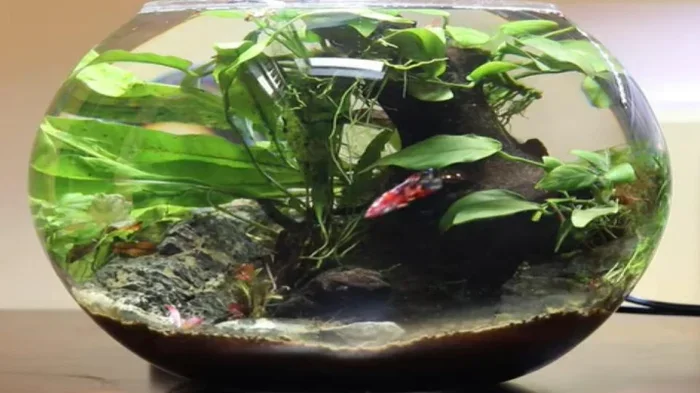
If you keep your betta in a bowl rather than a tank, the cleaning schedule is different. Bowls have no filter and less water volume, so they need more frequent cleaning. Find out how often you should clean your betta fish bowl for specific guidance on bowl maintenance.
Also, remember that feeding schedules play a role in tank cleanliness. The more frequently and heavily you feed, the more waste your betta produces. For more on this, read about how often do you feed betta fish flakes and how often are you supposed to feed betta fish.
Conclusion
So, how often do you have to clean betta fish tank? The answer is every 1-2 weeks for partial water changes and every 2-4 weeks for a full deep clean. But the real secret is consistency. A little effort on a regular schedule keeps your betta healthy and your tank looking great.
Pay attention to the signs your tank gives you. Cloudy water, bad smells, and changes in your betta’s behavior all mean it is time to clean. Avoid common mistakes like over-cleaning or using tap water without conditioner. And remember, prevention is always easier than cure.
With the right routine, betta tank maintenance becomes second nature. Your betta will thank you with vibrant colors, active swimming, and a long, healthy life. Start today and your fish will live in a clean, safe home for years to come.
Frequently Asked Questions
How often do you have to clean a betta fish tank without a filter?
Without a filter, waste builds up much faster. You should do a partial water change every 3-5 days and a full cleaning every 1-2 weeks. A filter makes a huge difference in how often you need to clean. For more details, check out how to clean a betta fish tank without filter.
Can I clean my betta fish tank too often?
Yes, over-cleaning is a real problem. It removes beneficial bacteria that keep your tank cycled. Stick to partial water changes every 1-2 weeks and full cleans only every 2-4 weeks. Your tank needs some good bacteria to stay healthy.
What happens if I don’t clean my betta fish tank?
Waste builds up and ammonia levels rise. This can cause burns, disease, and stress. In severe cases, your betta can die. Regular cleaning keeps the water safe and your fish happy.
How do I know if my betta tank water is dirty?
Cloudy water, a foul smell, and visible debris on the gravel are clear signs. Your betta acting lethargic or staying near the surface can also indicate poor water quality. Test kits give you the most accurate picture of water health.
Do I need to remove my betta when cleaning the tank?
Yes, it is best to remove your betta to a clean container with some original tank water. This protects your fish from any cleaning products and reduces stress. Use a gentle fish net and handle with care.
How long does it take to clean a betta fish tank?
A partial water change takes about 15-20 minutes. A full tank cleaning takes 30-45 minutes. The more you do it, the faster you get. Keeping a checklist of supplies nearby also speeds things up.