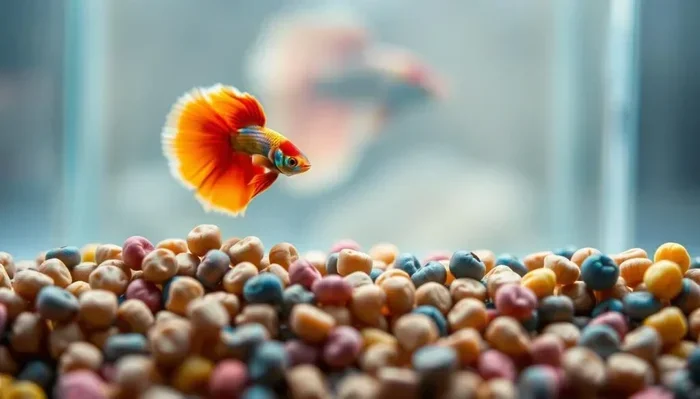
Can Betta Fish Eat Flakes

Can betta fish eat flakes? Yes, but not all flakes are created equal. Betta fish can eat certain types of fish flakes, especially those formulated with high protein content. Choosing the right flake food and feeding it properly ensures your betta stays healthy, colorful, and active.
If you own a betta fish, you have probably stood in front of the pet store shelf staring at all those colorful packages of fish flakes. The question is simple but important: can betta fish eat flakes? The answer is yes, but there is a lot more to it than a simple yes or no.
Choosing the right flakes for your betta can make a huge difference in their health, color, and lifespan. Many fish owners make the mistake of grabbing the cheapest bag off the shelf and calling it a day. That approach can lead to nutrition gaps, digestive problems, and even a shorter life for your fish.
In this guide, we will walk through everything you need to know about feeding flakes to your betta. We will cover which flakes are safe, how much to feed, how often, and what mistakes to avoid. By the end, you will feel confident choosing the best flake food for your betta.
Key Takeaways
- Betta fish can eat flakes: But only flakes that meet their nutritional needs, especially high protein content.
- Not all flakes are safe: Regular fish flakes or goldfish flakes may lack the protein bettas need.
- Feeding amount matters: Overfeeding flakes can cause bloating and water quality issues.
- Variety is key: Combine flakes with pellets, frozen, or live foods for a balanced betta diet.
- Watch for uneaten flakes: They dissolve quickly and can dirty your tank water.
- Baby bettas can eat flakes too: But they need crushed or very small flakes for easy consumption.
📑 Table of Contents
What Kind of Flakes Can Betta Fish Eat?
The short answer is that bettas can eat some flakes but not all. Bettas are carnivorous fish. They need a diet rich in protein. Most generic fish flakes are designed for omnivorous community fish, which means they do not always meet a betta’s nutritional needs.
Betta-Specific Flakes
The best option is to look for flakes that are specifically made for bettas. These flakes are formulated with higher protein content and include ingredients like shrimp meal, fish meal, and spirulina. They are designed to match the natural diet of bettas in the wild.
When shopping, check the ingredient list. The first ingredient should always be a protein source, not wheat or corn filler. Betta-specific flakes will list fish or shrimp protein at the top.
Tropical Fish Flakes
Some tropical fish flakes can work for bettas, especially those with higher protein formulas. However, tropical flakes are often designed for a wider range of fish, so the protein content may be lower than what a betta needs. If you use tropical flakes, look for ones with at least 35% protein content.
Many owners also ask, can betta eat tropical fish flakes? The answer is yes, in moderation. Just make sure the flakes meet the nutritional profile your betta requires.
Goldfish Flakes
Goldfish flakes are a common go-to for many fish owners, but they are not ideal for bettas. Goldfish flakes are formulated for omnivorous fish and tend to have lower protein and higher carbohydrate content. Can betta fish eat goldfish flakes? Technically yes, but they should not be a staple food.
Some brands like TetraFin and Tetra Color make flakes that are marketed for goldfish or tropical fish. You may wonder, can betta fish eat Tetrafin goldfish flakes or can betta fish eat Tetra Color flakes. These can be fed occasionally, but they do not provide the complete nutrition a betta needs long term.
Regular Fish Flakes
Regular fish flakes from the pet store are designed for general community tanks. They often contain fillers and lower protein levels. Can betta fish eat regular fish flakes? They can, but it is not recommended as a primary food source. These flakes may cause nutritional deficiencies over time.
How Often Should You Feed Betta Fish Flakes?
Feeding frequency matters just as much as the type of flakes you choose. Overfeeding is one of the most common mistakes betta owners make. Flakes expand in water, which can cause bloating and digestive issues in bettas.
Daily Feeding Schedule
A good rule of thumb is to feed your betta flakes once or twice a day. Here is a simple schedule you can follow:
- Morning feeding: Give 2 to 3 small flakes. Wait 2 minutes and remove any uneaten flakes.
- Evening feeding (optional): Give 2 to 3 more flakes if your betta finished the morning portion.
Do not feed more than what your betta can eat in under 2 minutes. Flakes start to dissolve within minutes, and uneaten flakes will dirty your water quickly. This can spike ammonia levels and harm your fish.
How Much Is Too Much?
Bettas have small stomachs. A good visual guide is to feed only what fits in their eyeball. Flakes should be small and thin. If you drop in a large pinch, most of it will go uneaten and decay in the water.
Feeding too many flakes can lead to:
- Constipation and bloating
- Poor water quality
- Algae blooms from excess nutrients
- Weight gain and lethargy
Are Flakes Good for Betta Fish?
Flakes can be a good part of a betta’s diet, but they should not be the only thing you feed. A balanced betta diet includes variety. Let us look at the pros and cons of flakes compared to other food options.
Pros of Feeding Flakes
- Convenient: Flakes are easy to store, portion, and feed.
- Affordable: A bag of flakes can last several weeks.
- Widely available: You can find them at any pet store or online.
- Fortified: Many brands add vitamins and minerals to their flakes.
Cons of Feeding Flakes
- Low nutritional density: Flakes lose nutritional value quickly once opened.
- Dissolve fast: This creates waste in the water.
- Not protein-rich enough: Most flakes do not meet a betta’s high protein needs.
- No variety: Bettas can get bored with flakes alone.
Flakes vs. Pellets vs. Frozen Food
Many owners wonder whether flakes or pellets are better. Here is a quick comparison to help you decide:
| Food Type | Protein Content | Sinking or Floating | Best For |
|---|---|---|---|
| Flakes | Moderate (30-40%) | Floating | Occasional feeding |
| Pellets | High (40-50%+) | Sinking or floating | Daily staple |
| Frozen food | Very high (50%+) | Sinking | Treats and variety |
| Live food | Highest | Sinking | Natural diet enrichment |
Many experts recommend using flakes as a supplement and pellets as the main staple. Some owners also ask, do betta fish eat flakes or pellets more readily. Bettas can eat both, but pellets tend to hold their shape better and deliver more concentrated nutrition per serving.
Can Baby Betta Fish Eat Flakes?
If you have a baby betta, also called a fry or juvenile, you might wonder about their food options. Can baby betta fish eat flakes? Yes, but with important adjustments.
Baby bettas have tiny mouths and cannot eat standard-sized flakes. You need to crush the flakes into very small pieces or powder before feeding. Soak the crushed flakes in tank water for a few minutes before offering them. This makes them soft and easy to eat.
For the first few weeks, baby bettas do best with live or frozen baby brine shrimp. You can gradually introduce crushed flakes as they grow. The key is to offer small amounts multiple times a day since baby bettas have fast metabolisms.
Common Mistakes When Feeding Flakes to Bettas
Even experienced fish owners make mistakes with flakes. Here are the most common ones to avoid:
1. Overfeeding
This is the number one mistake. Flakes expand in water, and a betta’s stomach is tiny. A few flakes are enough. If there is leftover food after 2 minutes, you have given too much.
2. Using Stale Flakes
Flakes lose their nutritional value and moisture content over time. Old flakes crumble into dust and provide almost no nutrition. Always check the expiration date and store flakes in a sealed container away from light.
3. Feeding Only Flakes
Flakes alone do not provide a complete diet for bettas. They need variety. Consider alternating between flakes, pellets, frozen bloodworms, and brine shrimp. This keeps your betta healthy and interested in food.
4. Ignoring Uneaten Flakes
Flakes dissolve fast. If you do not remove uneaten flakes within a few minutes, they will break down and release ammonia into the water. Always use a small net or turkey baster to clean up leftovers.
5. Feeding Flakes to Tank Mates Instead
Some owners put flakes in a community tank and expect their betta to eat them. Other fish like tetras or guppies will gobble the flakes before the betta gets any. Always feed your betta separately to make sure they get enough food.
Expert Tips for the Best Flake Feeding Routine
Want to get the most out of your flake feeding routine? Here are some expert-backed tips:
- Soak flakes before feeding: Drop the flakes into a small cup of tank water for 30 seconds before adding them to the aquarium. This prevents them from expanding in your betta’s stomach.
- Use a feeding ring: A feeding ring keeps flakes in one spot so your betta can find them easily and uneaten flakes do not spread across the tank.
- Rotate food types: Feed flakes on some days and pellets on others. Add frozen or live food as a treat once or twice a week.
- Watch your betta’s behavior: A healthy betta will come to the surface eagerly when it sees food. If your betta ignores flakes, they may not like them or the flakes may be too old.
- Check the ingredients: Look for flakes with fish meal, shrimp meal, or krill as the first ingredients. Avoid flakes with artificial colors and fillers.
Some owners also wonder if they can make their own food from flakes. Can I make fish food paste from betta flakes? Yes, you can grind flakes and mix them with water to create a paste. This can be a good way to add variety and ensure your betta gets every bit of nutrition from the flakes.
Conclusion
So, can betta fish eat flakes? Absolutely. Flakes can be a convenient and affordable part of your betta’s diet. But the key is choosing the right flakes, feeding the right amount, and offering variety. Not all flakes are created equal, and a poor-quality flake will not give your betta the nutrition they need to thrive.
Stick to high-protein flakes or betta-specific formulas. Feed small amounts once or twice a day. Remove uneaten flakes promptly. And remember that flakes work best as part of a varied diet that includes pellets, frozen food, or live food.
Your betta fish deserves the best care, and proper nutrition is at the heart of that. With the right flake feeding routine, you can keep your betta healthy, vibrant, and happy for years to come.
Frequently Asked Questions
Can betta fish eat flakes every day?
Yes, you can feed flakes every day, but make sure they are high-quality betta-specific flakes. Feed small amounts once or twice a day and remove any uneaten flakes within 2 minutes to keep your tank water clean.
What happens if a betta eats too many flakes?
Overfeeding flakes can cause bloating, constipation, and poor water quality. Flakes expand in water and produce waste as they dissolve. Always feed only what your betta can consume in under 2 minutes.
Are flakes or pellets better for betta fish?
Pellets generally provide more concentrated nutrition and hold their shape better than flakes. However, flakes can be a good supplement. Many owners use pellets as the staple food and offer flakes occasionally for variety.
Can I feed my betta goldfish flakes?
You can feed goldfish flakes occasionally, but they are not ideal for bettas. Goldfish flakes have lower protein and higher carbohydrate content, which does not match a betta’s dietary needs. Stick to betta-specific food as the main diet.
How do I know if my betta likes the flakes?
A healthy betta will come to the surface eagerly when it sees food. If your betta ignores the flakes, they may be stale, too large, or simply not appealing. Try different brands or switch to pellets to see if your betta prefers them.
Can baby betta fish eat regular flakes?
Baby bettas can eat crushed or powdered flakes, but regular-sized flakes are too big for their tiny mouths. Crush flakes into a fine powder and soak them before feeding. For the first few weeks, baby brine shrimp is the best food option.