Can Betta Fish Be Put Together

The short answer is: it depends. Can betta fish be put together? — Male bettas are highly territorial and usually cannot share a tank with other males. However, female bettas sometimes form groups called sororities, and certain peaceful species can coexist with bettas. This guide breaks down exactly what works, what doesn’t, and how to set up a betta fish tank mates arrangement safely.
So you have a beautiful betta fish, and you are wondering if you can add more fish to the tank. Maybe you want a buddy for your betta, or perhaps you are thinking about building a community aquarium. Either way, the big question is the same: can betta fish be put together?
The answer is not a simple yes or no. Bettas are fascinating creatures with unique personalities and strong instincts. Some combinations work beautifully, while others lead to disaster. In this guide, we will walk through everything you need to know about betta fish compatibility, from understanding their natural behavior to choosing the right tank mates.
Key Takeaways
- Male bettas should never be housed together: Two male bettas will fight, often to the death, due to their territorial nature.
- Female bettas can sometimes live together: A group of 4–6 females in a spacious tank may form a peaceful sorority.
- Tank size and setup matter enormously: A larger tank with plenty of hiding spots reduces aggression significantly.
- Not all fish are safe tank mates: Some species, like goldfish, are entirely incompatible with bettas.
- Careful observation is key: Watch for signs of stress and aggression, and be ready to separate fish if needed.
- Snails and certain shrimp make excellent companions: They are peaceful and pose no threat to bettas.
- Know when to separate: If aggression persists despite your best efforts, removing one fish is always the right call.
📑 Table of Contents
Understanding Betta Fish Behavior
Before we dive into whether can betta fish be put together, it helps to understand why bettas behave the way they do. Bettas, also known as fighting fish or betta splendens, originate from the warm, shallow waters of Southeast Asia.
In the wild, male bettas defend territories in rice paddies and slow-moving streams. They flare their gills, spread their fins, and fight other males that intrude on their space. This is not just posturing — it is a serious survival instinct.
Why Are Male Bettas So Aggressive?
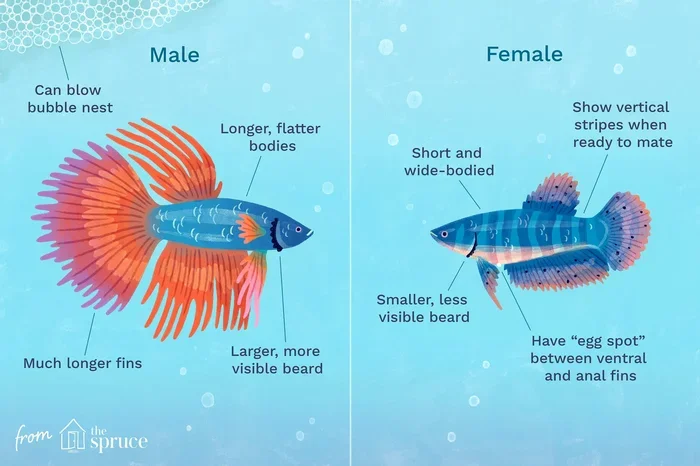
Male bettas have evolved to be aggressive toward other males. Their vibrant colors and long fins make them highly visible, and in their natural habitat, this signals dominance. When two males are placed too close together, they see each other as a threat.
This aggression is hardwired. No amount of training or gentle introduction will change it. That is why the question can betta fish be put together almost always has a negative answer when it involves two males.
Female Betta Behavior Is Different
Female bettas are generally less aggressive than males. They can sometimes live together in groups, a setup known as a betta sorority. However, this is not guaranteed. Even females can be territorial, especially in smaller tanks.
Success with a female group depends heavily on tank size, the number of fish, and the availability of hiding spots. A well-planned sorority can be a stunning and peaceful aquarium display.
Can Betta Fish Be Put Together?
Now let us get to the heart of the matter. Can betta fish be put together? The answer depends on several factors, including gender, tank size, and the species involved.
Here is a quick breakdown:
- Two male bettas: Absolutely not. They will fight, and injuries can be fatal.
- Male and female bettas: Only for brief breeding periods under careful supervision. Keeping them together long-term is risky.
- Two or more female bettas: Sometimes possible in a large enough tank with plenty of cover.
- Bettas with other fish species: Possible with the right tank mates and setup.
If you are considering keeping multiple bettas in one tank, you need to understand the risks. The article Can You Put Two Betta Fish In A Tank Together goes deeper into this specific scenario and explains why most combinations fail without proper planning.
The Role of Tank Size
Tank size is one of the most critical factors. A small tank concentrates aggression. When fish have nowhere to escape, conflicts escalate quickly. A larger tank gives every fish its own territory and reduces the chance of constant confrontation.
For a betta sorority, aim for at least a 20-gallon tank. For a community setup with a betta and other species, 30 gallons or more is ideal. More space means less stress and fewer fights.
Factors That Determine Compatibility
Not all fish are created equal, and not all tank mates are suitable for bettas. Several factors determine whether a particular combination will work.
Temperament and Fin-Nipping
Bettas have long, flowing fins that can attract fin-nipping fish. Species like tiger barbs and some tetras may nip at a betta’s fins, causing stress and injury. Always avoid fish known for aggressive or nippy behavior.
On the flip side, bettas may also harass slower or long-finned fish. Compatibility goes both ways. You need to consider the temperament of every fish in the tank.
Water Parameter Requirements
Bettas thrive in warm water, typically between 76 and 82 degrees Fahrenheit. They prefer slightly acidic to neutral pH levels. If your potential tank mates need colder or different water conditions, they will not be compatible.
Matching water parameters is essential. A fish that is stressed by incorrect water temperature will get sick more easily and may become aggressive. Always research the needs of every species before adding them to the same tank.
Feeding Habits
Bettas are carnivores. They need a protein-rich diet. Some community fish are herbivores or omnivores and may outcompete bettas for food. This can lead to malnutrition and increased aggression.
Make sure all fish in the tank are getting enough to eat. Watch feeding time closely, especially when introducing new tank mates.
Best Tank Mates for Betta Fish
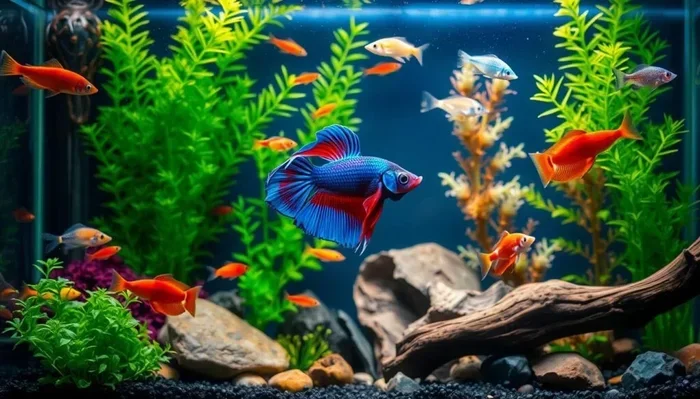
If you want to add companions to your betta’s tank, there are several species that tend to work well. The key is choosing peaceful, non-aggressive fish that share similar water preferences.
Top Compatible Tank Mates
- Neon Tetras: Small, peaceful, and stay in the upper and middle parts of the tank. They rarely bother bettas.
- Corydoras Catfish: Bottom-dwellers that keep to themselves. They are great community fish and do well in warm water.
- Snails: Snails are one of the safest choices. They clean algae and never bother your betta. If you are curious about this pairing, check out Can You Put Snails And Betta Fish Together for a detailed guide.
- Ghost Shrimp: Inexpensive, peaceful, and great algae eaters. Some bettas may chase them, but most leave them alone.
- Kuhli Loaches: Eel-like fish that stay at the bottom and are very peaceful. They add variety without adding conflict.
Fish to Avoid
- Goldfish: Goldfish need cold water and grow too large for a betta tank. The article Can I Put A Betta Fish And Goldfish Together explains why this pairing never works.
- Guppies: While sometimes kept with bettas, guppies’ bright colors and flowing fins can trigger aggression.
- Other male bettas: Never house two males in the same tank.
Setting Up a Community Tank for Bettas
If you decide to create a community tank, proper setup is everything. A well-planned aquarium reduces stress and minimizes the chance of conflict.
Tank Size and Layout
Start with a tank of at least 20 gallons. Add plenty of plants, rocks, and driftwood to create hiding spots and visual barriers. Bettas feel safer when they can retreat to their own space.
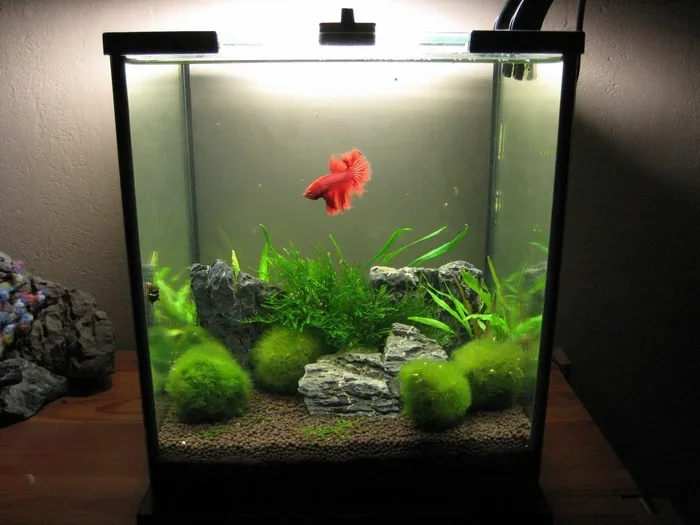
Use a gentle filter to avoid strong currents. Bettas are not strong swimmers and prefer calm water. A sponge filter works well and provides biological filtration without creating too much flow.
Introduction Process
Never add new fish to a betta tank without a quarantine period. Watch new arrivals for signs of disease or parasites for at least two weeks before introducing them.
When you are ready, add the new fish gradually. Use a breeder box or divide the tank temporarily so the betta can get used to the new presence without direct contact.
Monitoring Behavior
Watch your fish closely for the first few days. Signs of stress include clamped fins, loss of color, hiding constantly, or flaring at tank mates. If you notice persistent aggression, separate the fish immediately.
Expert Insight: Even with the best planning, some individual bettas are simply too aggressive for community life. This is not a failure on your part. It is just the nature of the fish. Know when to give your betta a solo tank and respect their needs.
Common Mistakes People Make
Many fish keepers make avoidable mistakes when trying to house bettas together or with other species. Here are the most common ones:
- Underestimating tank size: Too small a tank leads to constant territorial disputes.
- Ignoring water parameters: Mismatched water conditions stress all the fish in the tank.
- Adding too many fish at once: Introduce new fish slowly to give everyone time to adjust.
- Overcrowding the tank: More fish means more waste, more competition, and more aggression.
- Skipping hiding spots: Fish need places to retreat. Without them, stress builds up fast.
For more on why certain combinations fail, read Why Can’t You Put Betta Fish Together to understand the science behind betta aggression.
Quick Tips for Success
- Always have a backup tank ready: You may need to separate fish at a moment’s notice.
- Choose peaceful species: Stick to fish known for calm behavior.
- Keep the tank clean: Poor water quality increases stress and aggression.
- Feed a varied diet: Well-fed fish are less likely to fight over food.
- Research every species: Before adding any new fish, learn about its needs and temperament.
The Final Verdict on Putting Bettas Together
So, can betta fish be put together? The honest answer is: it is complicated. Male bettas should never be housed together. Female bettas can sometimes form peaceful groups, but it requires careful planning and a large enough tank. And when it comes to pairing bettas with other species, the right tank mates make all the difference.
The key takeaway is this: betta fish compatibility depends on gender, tank size, species selection, and setup. Do your research, start with a solid plan, and always be prepared to adjust if things do not go smoothly.
Remember that every betta is an individual. Some are calm and tolerant, while others are fiercely territorial. Pay attention to your fish, learn their personality, and you will give them the best possible life — whether they live alone or with tank mates.
If you want to explore more about betta care and compatibility, check out resources like What Fish Can Be Put With A Betta for a comprehensive list of safe companions.
Conclusion
Putting betta fish together is not something to take lightly. The question can betta fish be put together has different answers depending on the situation. Male bettas need their own space. Female bettas can sometimes share a tank under the right conditions. And certain peaceful species can coexist with bettas in a well-planned community aquarium.
By understanding betta behavior, choosing compatible tank mates, and setting up the right environment, you can create a thriving aquarium that keeps your fish healthy and happy. Always prioritize your fish’s well-being over aesthetics or experimentation. A happy betta is a beautiful betta, whether it lives alone or with gentle companions.
Take your time, do your homework, and enjoy the rewarding experience of building a harmonious aquarium. Your fish will thank you for it.
Frequently Asked Questions
Can two male betta fish be kept in the same tank?
No. Two male bettas will almost always fight, and the results can be fatal. Their territorial aggression is instinctive and cannot be trained away. Always keep males in separate tanks.
How many female bettas can live together?
A group of 4 to 6 female bettas can sometimes live together in a tank of 20 gallons or more. The setup needs plenty of hiding spots and plants to break up lines of sight and reduce tension.
What is the best tank mate for a betta fish?
Snails, corydoras catfish, neon tetras, and ghost shrimp are among the best tank mates for bettas. They are peaceful, share similar water preferences, and do not threaten the betta.
Can betta fish live with goldfish?
No. Goldfish need cold water and grow too large for a betta tank. Their care requirements are completely different, making them incompatible companions for bettas.
How do I know if my betta fish is stressed in a community tank?
Watch for clamped fins, fading color, constant hiding, loss of appetite, or flaring at tank mates. If you notice these signs, consider separating the betta or rearranging the tank to reduce territorial tension.
Is it ever safe to put a male and female betta together?
Only for short breeding periods under close supervision. Long-term housing of a male and female betta together usually leads to aggression, especially from the male. Unless you are an experienced breeder, it is best to keep them separate.