Can Betta Fish Die from Fin Rot
Yes, betta fish can die from fin rot if it is not treated early. Fin rot is a common bacterial or fungal infection that eats away at a betta’s fins and tail. The good news is that fin rot is treatable when caught in time. This guide covers everything you need to know about fin rot symptoms, causes, treatment, and prevention so you can keep your betta fish healthy and safe.
Every betta fish owner worries about their fish getting sick. One of the most common fears is can betta fish die from fin rot. The short answer is yes. But here is the good news. Fin rot is one of the most treatable fish diseases out there. If you act fast, your betta has a very good chance of full recovery.
Fin rot happens when bacteria or fungi attack the fins and tail of a betta fish. It starts as a small tear or discoloration. Left unchecked, it spreads deeper into the tissue. In severe cases, the infection reaches the body and becomes life-threatening. This is why every betta owner needs to understand fin rot symptoms, causes, and treatment.
This guide will walk you through everything you need to know. We will cover what fin rot looks like, what causes it, how to treat it, and how to prevent it from coming back. Whether you are a beginner or a seasoned hobbyist, this article has practical advice you can use right away.
Key Takeaways
- Fin rot can be fatal: Untreated fin rot can kill a betta fish within days or weeks.
- Early detection saves lives: Catching fin rot early makes treatment much easier and more effective.
- Poor water quality is the #1 cause: Dirty tanks and bad water parameters weaken a betta’s immune system.
- Treatment options work well: Antibiotics, aquarium salt, and water changes can reverse fin rot.
- Prevention is simple: Regular tank maintenance and proper feeding keep fin rot away.
- Fins can grow back: With proper care, betta fish can regrow damaged fins after recovery.
📑 Table of Contents
- What Is Fin Rot in Betta Fish?
- Can Betta Fish Die from Fin Rot?
- What Causes Fin Rot in Betta Fish?
- How to Tell If Your Betta Has Fin Rot
- How to Treat Fin Rot in Betta Fish
- Can Betta Fins Grow Back After Fin Rot?
- How to Prevent Fin Rot in the Future
- Common Mistakes Bettas Owners Make with Fin Rot
- When to See a Vet or Fish Expert
- Final Thoughts
What Is Fin Rot in Betta Fish?
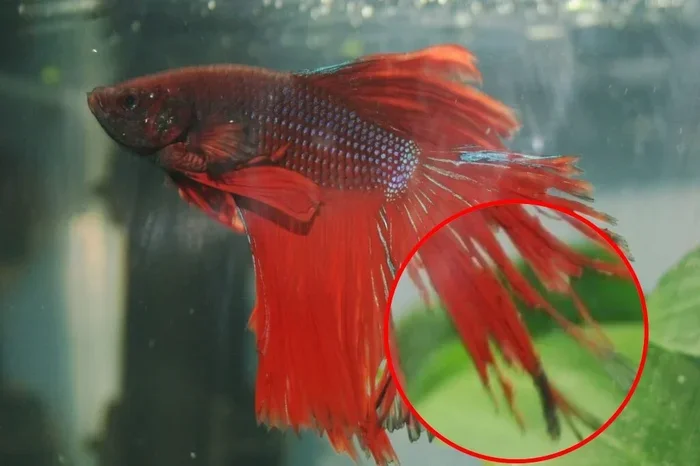
Fin rot is a bacterial or fungal infection that damages a betta fish’s fins and tail. It breaks down the fin tissue little by little. Over time, the fins appear ragged, torn, and discolored. The edges may turn white, black, or red. In serious cases, the fins start to melt away entirely.
Fin rot is not just a cosmetic problem. It is a sign that something is wrong with your betta’s environment or health. The bacteria that cause fin rot are always present in aquarium water. A healthy betta with a strong immune system can fight them off easily. But when a fish is stressed or sick, those bacteria take advantage.
How Fin Rot Spreads
Fin rot usually starts at the edges of the fins. You may notice small white or brown spots. These spots slowly grow and eat into the fin tissue. The fins may appear to be dissolving or shredding. As the infection gets worse, it moves closer to the body of the fish.
Here is what happens in the stages of fin rot:
- Stage 1: Slight discoloration at the fin edges. The fins look a bit milky or white.
- Stage 2: The edges start to look ragged and torn. Small pieces of fin begin to fall off.
- Stage 3: The infection spreads inward. Large chunks of fin tissue are lost.
- Stage 4: The rot reaches the body. The fish becomes very weak and vulnerable to secondary infections.
At stage 4, the fish is in serious danger. This is why early detection matters so much. If you notice any changes in your betta’s fins, act immediately.
Can Betta Fish Die from Fin Rot?
The honest answer is yes. Can betta fish die from fin rot? Absolutely. But it depends on how far the infection has progressed and how quickly you respond. Mild fin rot is very treatable. Severe fin rot can be deadly, especially if the infection reaches the body.
When fin rot reaches the body, it opens the door to other infections. Bacteria can enter the bloodstream. The fish’s organs start to fail. At that point, the chances of survival drop significantly. This is why it is so important to treat fin rot at the first sign.
Think of fin rot like a small cut on your hand. If you clean it and treat it, it heals fine. But if you ignore it, it can become infected and lead to serious health problems. The same principle applies to your betta fish.
How Long Does It Take for Fin Rot to Kill a Betta?
The timeline depends on the severity. Mild cases may take weeks to become dangerous. Severe cases can kill a betta fish in just a few days. Factors like water quality, temperature, and the fish’s overall health all play a role. A stressed betta in dirty water will decline much faster than a healthy betta in a clean tank.
What Causes Fin Rot in Betta Fish?
Understanding the causes of fin rot is the first step in prevention. Fin rot does not just happen out of nowhere. There is always an underlying reason. Here are the most common causes:
Poor Water Quality
This is the number one cause of fin rot. Dirty water contains high levels of ammonia, nitrite, and nitrate. These toxins stress the fish and weaken its immune system. When the immune system is weak, bacteria that are normally harmless start to attack the fins.
Common water quality mistakes include:
- Not doing regular water changes
- Overcrowding the tank with too many fish
- Overfeeding, which creates excess waste
- Skipping filter maintenance
- Not testing water parameters regularly
Stress and Poor Living Conditions
Stressed fish are sick fish. Bettas can get stressed for many reasons. A tank that is too small, water that is too cold, or aggressive tankmates can all cause stress. Even a betta fish dying from loneliness or boredom can lead to a weakened immune system. When a fish is stressed, it cannot fight off infections like fin rot.
Physical Injuries
Betta fins are delicate and beautiful. They can also be easily damaged. Sharp decorations, rough tank mates, or even aggressive flaring can tear the fins. Once the fins are injured, bacteria can enter the wound and cause fin rot. This is why it is important to keep the tank environment safe and gentle.
Improper Diet
Nutrition plays a big role in a betta’s immune system. A betta that is not getting the right nutrients becomes vulnerable to disease. Overfeeding can also cause constipation and other health issues. If you want to boost your betta’s health, consider can changing a betta’s fish food help with fin rot. The answer is yes. A balanced diet strengthens the immune system and supports fin healing.
Temperature Problems
Bettas are tropical fish. They need warm water between 76 and 82 degrees Fahrenheit. Water that is too cold slows down the fish’s metabolism and immune response. On the other hand, water that is too hot can also cause stress. Maintaining a stable temperature is essential for preventing fin rot and other diseases.
How to Tell If Your Betta Has Fin Rot
Spotting fin rot early is the key to saving your betta. Here are the most common fin rot symptoms to watch for:
- White or brown edges on the fins: This is often the first sign. The fin edges look discolored or milky.
- Ragged or shredded fins: The fins start to look torn and uneven. Pieces of fin may fall off.
- Fins shrinking or receding: The fins appear to be getting shorter as the tissue dissolves.
- Red or inflamed fin bases: The area where the fins meet the body becomes red and swollen.
- Fins clamped close to the body: The fish holds its fins tightly against its body instead of spreading them out.
- Lethargy and loss of appetite: The fish becomes less active and stops eating.
If you notice any of these signs, do not wait. Start treatment right away. The faster you act, the better the outcome. You may also want to learn more about can betta fish heal from fin rot to understand the recovery process.
How to Treat Fin Rot in Betta Fish
The good news is that fin rot is very treatable, especially in the early stages. The treatment approach depends on how severe the infection is. Here is a step-by-step guide to treating fin rot.
Step 1: Improve Water Quality
The first thing you should do is improve the water quality. Do a 25 to 50 percent water change immediately. Use a water conditioner to remove chlorine and chloramine from tap water. Make sure the new water is the same temperature as the tank water. Clean the gravel and remove any uneaten food or debris.
After the water change, test the water parameters. Ammonia and nitrite should be at zero. Nitrate should be below 20 ppm. If the levels are off, you may need to do another water change within 24 hours.
Step 2: Add Aquarium Salt
Aquarium salt is a gentle and effective treatment for mild fin rot. It helps the fish fight off infection and promotes healing. Add one teaspoon of aquarium salt per gallon of water. Make sure you use aquarium salt, not table salt, which contains additives that can harm fish.
Step 3: Use Antibacterial Medication
For moderate to severe fin rot, aquarium salt alone may not be enough. You may need to use an antibacterial medication. Products like Melafix or Pimafix are popular choices for betta fish. Follow the dosage instructions carefully and do not overdose. Overmedicating can do more harm than good.
If the fin rot is severe, you may need to move the fish to a quarantine tank for treatment. This keeps the medication concentrated and prevents it from affecting other tank inhabitants.
Step 4: Support Your Betta’s Recovery
Treatment is only half the battle. You also need to support your betta’s recovery. Feed high-quality food in small amounts. Offer a varied diet of betta pellets, frozen bloodworms, and daphnia. Keep the tank stress-free with gentle lighting and plenty of hiding spots.
You can also learn more about how to fix fin rot on betta fish for additional treatment tips and remedies that work well in practice.
Can Betta Fins Grow Back After Fin Rot?
One of the most common questions is whether betta fins grow back after fin rot. The answer is yes, in most cases. Betta fish have the ability to regenerate their fins. Once the infection is cleared, new fin tissue will slowly grow back.
However, the regrowth process takes time. It can take several weeks to several months for fins to fully regenerate. During this time, the new fins may look translucent and delicate. This is completely normal. As the fins mature, they will return to their normal color and shape.
It is important to note that severe fin rot can sometimes cause permanent damage. If the infection reaches the body and destroys the fin rays, the fins may not grow back completely. This is why early treatment is so critical. The sooner you treat fin rot, the better the chances of full fin regrowth.
If you want to learn more about this topic, check out our article on do betta fish fins grow back after fin rot for a detailed look at the regeneration process.
How to Prevent Fin Rot in the Future
Prevention is always better than cure. Once your betta has recovered from fin rot, you want to make sure it never comes back. Here are the best ways to prevent fin rot:
- Do regular water changes: Change 25 to 50 percent of the water every week. This keeps toxins at bay.
- Test water parameters regularly: Keep ammonia and nitrite at zero. Monitor nitrate levels closely.
- Do not overfeed: Feed small amounts twice a day. Remove any uneaten food after a few minutes.
- Keep the tank clean: Vacuum the gravel and clean the filter regularly. A clean tank is a healthy tank.
- Maintain stable temperatures: Use a heater to keep the water between 76 and 82 degrees Fahrenheit.
- Avoid overcrowding: Bettas are solitary fish. Keep them in a tank of their own or with peaceful tankmates.
- Provide a balanced diet: A healthy diet boosts the immune system and keeps the fish strong.
Simple maintenance habits go a long way. A little effort each week can save your betta from a lot of suffering. And remember, a healthy betta is a happy betta.
Common Mistakes Bettas Owners Make with Fin Rot
Even well-meaning owners can make mistakes when dealing with fin rot. Here are the most common ones to avoid:
- Waiting too long to act: Many owners ignore the early signs of fin rot. By the time they notice, the infection has already spread.
- Using the wrong medication: Not all fish medications work the same way. Some treat bacterial infections, while others treat fungal ones. Make sure you are using the right treatment.
- Overmedicating: More is not always better. Overdosing medication can stress the fish and damage the tank’s biological filter.
- Ignoring water quality: Treating fin rot without fixing the water quality is like putting a bandage on a broken bone. The problem will keep coming back.
- Moving the fish too much: Constantly transferring the fish between tanks causes stress. Pick one treatment method and stick with it.
Avoiding these mistakes will make your treatment much more effective and help your betta recover faster.
When to See a Vet or Fish Expert
Most cases of fin rot can be treated at home. But there are times when you need professional help. If your betta is not improving after a week of treatment, it is time to consult a fish expert. Also seek help if the infection has reached the body or if your betta shows signs of severe distress such as labored breathing or complete loss of appetite.
Some fish stores have in-house experts who can help you choose the right treatment. You can also find online communities of betta fish keepers who share advice and experience. Do not be afraid to ask for help. Every betta owner was a beginner at some point.
Final Thoughts
Can betta fish die from fin rot? Yes, they can. But with the right knowledge and quick action, you can save your betta. Fin rot is a treatable disease. The key is catching it early and responding fast. Keep your tank clean, maintain good water quality, feed a balanced diet, and watch your fish closely for any signs of trouble.
Your betta fish depends on you for its health and happiness. By learning about fin rot and how to prevent it, you are already doing a great job as a fish owner. Stay attentive, stay proactive, and your betta will thrive for years to come.
Remember, fin rot does not have to be a death sentence. With proper care and treatment, your betta can make a full recovery and grow beautiful, healthy fins once again.
Frequently Asked Questions
What are the first signs of fin rot in betta fish?
The first signs of fin rot include white or brown discoloration at the fin edges, ragged or torn fins, and fins that appear to be shrinking. You may also notice your betta clamping its fins close to its body and becoming less active. Catching these early signs is the best way to ensure a full recovery.
Can fin rot spread to other fish in the tank?
Fin rot is caused by bacteria that are already present in the water. While the infection itself is not highly contagious, stressed fish in the same tank are more vulnerable to developing it. Maintaining good water quality and reducing stress for all fish helps prevent the spread of fin rot.
How long does it take for fin rot to heal?
Mild fin rot can start improving within a few days of treatment. Full healing of the fins usually takes two to four weeks. Severe cases may take longer, and fin regrowth can take several months. Consistent treatment and good water quality are essential for a speedy recovery.
Is aquarium salt safe for betta fish?
Yes, aquarium salt is safe for betta fish when used at the correct dosage. Use one teaspoon per gallon of water and avoid using table salt or marine salt. Aquarium salt helps fight mild bacterial infections and supports the fish’s natural healing process.
Can overfeeding cause fin rot in betta fish?
Overfeeding does not directly cause fin rot, but it can lead to poor water quality from excess waste. Dirty water weakens the betta’s immune system and makes it more susceptible to infections like fin rot. Feed small amounts and remove uneaten food to keep the water clean.
Should I separate my betta fish if it has fin rot?
It is a good idea to move your betta to a quarantine tank for treatment. This allows you to medicate the fish without affecting other tank inhabitants. A quarantine tank also reduces stress and gives your betta a focused environment for healing.