How to Tell the Gender of Your Betta Fish
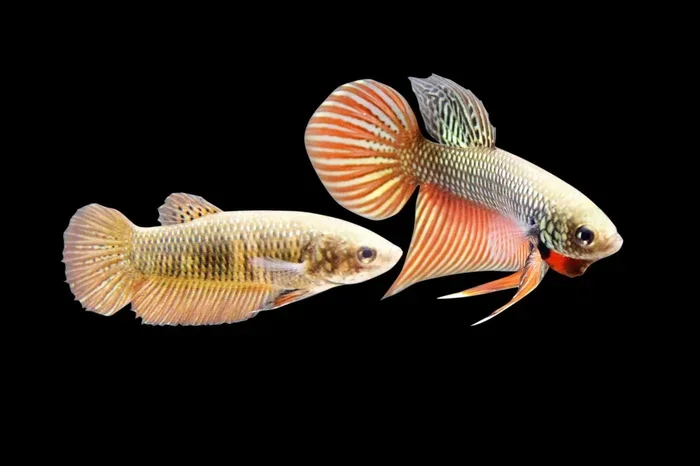
Knowing how to tell the gender of your betta fish is essential for proper care and tank setup. Male and female bettas look and behave very differently, from fin length to body shape. This guide walks you through simple, reliable methods to identify your betta’s sex with confidence.
So, you have a beautiful betta fish, but you are not entirely sure whether it is a boy or a girl. You are not alone. Many fish keepers find themselves asking the same question, especially when they first bring home their colorful companion. Learning how to tell the gender of your betta fish is easier than you might think.
Male and female bettas look strikingly different once you know what to look for. Their body shapes, fin lengths, colors, and even behaviors give away their sex. Whether you want to set up a proper tank, avoid unnecessary conflicts, or explore breeding, identifying your betta’s gender is the first step.
This guide covers every reliable method you can use. We will walk through physical traits, behavioral clues, and age-related changes. By the end, you will feel confident about determining the sex of your betta fish every single time.
Key Takeaways
- Body shape and size: Females are typically rounder and shorter, while males have a more elongated, streamlined body.
- Fin length and shape: Males grow long, flowing fins, but females have shorter, less dramatic fins.
- Color intensity: Males usually display brighter, more vivid colors than females.
- The egg spot: A small white dot on the underside is a telltale sign of a female betta.
- Behavioral differences: Males are more aggressive and build bubble nests, while females are generally calmer.
- Age matters: Gender differences become more obvious as bettas mature past 2-3 months old.
- Practical importance: Knowing the gender helps you plan tank setups, avoid fights, and support breeding efforts.
📑 Table of Contents
- Why Knowing Your Betta Fish Gender Matters
- Physical Traits That Reveal Betta Fish Gender
- Behavioral Differences Between Male and Female Betta Fish
- Age and Development: When Gender Differences Appear
- Common Mistakes People Make When Identifying Betta Fish Gender
- Quick Reference: Male vs Female Betta Fish Comparison
- What to Do After You Identify Your Betta’s Gender
- Conclusion
Why Knowing Your Betta Fish Gender Matters
Understanding the gender of your betta fish goes beyond simple curiosity. It directly affects how you care for your fish. Males and females have different needs, temperaments, and social requirements.
For example, male bettas are highly territorial. Housing two males together almost always leads to fighting. Females, on the other hand, can sometimes live together in groups called sororities, though this requires careful planning. Knowing betta fish gender helps you make smarter decisions about tank layout and companionship.
If you are interested in breeding, gender identification becomes even more critical. You need both a male and a female, and you need to introduce them at the right time. Checking betta fish gender early prevents costly mistakes and stressed fish.
Also, some health concerns differ by sex. Females can develop egg-related issues, while males may show nesting behavior that requires specific tank conditions. Identifying betta fish gender ensures you can address these needs proactively.
Physical Traits That Reveal Betta Fish Gender
The most reliable way to determine gender is by examining physical characteristics. Let us break down the key differences you can observe with the naked eye.
Body Shape and Size
Male bettas tend to have a long, streamlined body shape. They look sleek and elegant when they swim. Females, in contrast, have a rounder, bulkier body, especially around the abdomen area. This is because females carry eggs internally.
In terms of size, both sexes stay relatively similar in length, usually around 2 to 3 inches. However, females often appear slightly shorter and wider. When you look at a betta from above, the female’s body has a more noticeable curve compared to the male’s straight profile.
Fin Length and Shape
One of the most dramatic differences between male and female bettas lies in their fins. Males grow long, flowing fins that trail behind them as they swim. The dorsal fin, caudal fin, and anal fins are all noticeably elongated in males.
Females have much shorter fins. Their fins are compact and practical rather than decorative. If your betta has long, sweeping fins that flow gracefully, there is a very good chance it is a male. Short, neat fins usually point to a female.
How to tell if your betta fish is male or female based on fins alone is one of the quickest methods. Compare the fin length to the body size. Long fins equal male, short fins lean toward female.
Color Intensity and Vibrancy
Male bettas are the show-offs of the fish world. They display brighter, more intense colors across their scales. This vivid coloring helps them attract mates in the wild. You will often see deep blues, rich reds, and brilliant greens on male bettas.
Females tend to have more muted, subdued colors. Their palette is often lighter and less saturated. That said, some female bettas can still be quite colorful, especially when they are in breeding condition or feeling healthy. Enhancing the color of your betta fish through proper diet and tank conditions can make these differences even more visible.
The Egg Spot
This is one of the most definitive signs. Female bettas have a small white or speckled spot on their underside, near the belly area. This is called the ovipositor, and it is where eggs will eventually exit the body.
Males do not have this spot. If you see a tiny white dot on the underside of your betta, you are most likely looking at a female. The egg spot becomes more visible when the female is ready to breed, but it is usually faintly noticeable at all times in mature females.
Use a flashlight to get a better look at the underside. Sometimes the spot can be hard to see in dim lighting. Checking betta fish gender with this method works best on healthy, mature fish.
Behavioral Differences Between Male and Female Betta Fish
Beyond physical traits, behavior offers strong clues about your betta’s gender. Fish are creatures of habit, and their actions often reflect their biological roles.
Bubble Nest Building
Male bettas are famous for building bubble nests. These are clusters of tiny bubbles that float on the water’s surface. Males build these nests as part of their breeding behavior. It is a sign that your male betta feels comfortable and secure in its environment.
Females do not build bubble nests. If you see a raft of bubbles on the surface of your tank, you can be fairly confident you have a male. Not all males build nests constantly, but most will do so occasionally.
Flaring and Aggression
Males are the primary flarers. They spread their gills and fins wide to appear larger and more intimidating. This behavior is directed at other males, reflections, or even perceived threats. Flaring is a natural display of dominance.
Females flare too, but much less frequently and less dramatically. A female’s flare is quicker and more subtle. If your betta flares constantly and aggressively, it is most likely a male.
Territorial Behavior
Male bettas are highly territorial by nature. In the wild, they defend small patches of territory. In a tank, this means they may chase other fish, nip at fins, or guard their favorite spot. This territorial instinct is much stronger in males than in females.
Females can also show territorial behavior, especially in groups. They establish a pecking order, and you might see some chasing or fin-nipping. However, this is usually less intense than what you see from males. Understanding betta fish gender through behavior helps you plan compatible tank setups.
Age and Development: When Gender Differences Appear
Baby bettas do not show clear gender differences right away. Young fish under two months old look very similar regardless of sex. As they mature, the differences gradually become visible.
Most bettas begin showing gender-specific traits around 2 to 3 months of age. Fin growth in males starts becoming noticeable during this period. Colors also begin to deepen. By the time a betta reaches 4 to 5 months old, telling the gender becomes much easier.
If you have a very young betta, be patient. Wait until it is at least 8 to 12 weeks old before trying to determine its sex. Telling the age of a betta fish can also help you gauge when gender differences should start appearing.
Keep in mind that diet and tank conditions affect development. Well-fed bettas in clean water with proper temperature reach maturity faster and display clearer gender traits. Proper betta fish care supports healthy growth and makes identification simpler.
Common Mistakes People Make When Identifying Betta Fish Gender
Even experienced fish keepers sometimes make errors. Here are the most common mistakes to avoid when trying to determine your betta’s sex.
- Relying on color alone: Some females can be quite colorful. Color is a helpful clue but not a definitive one. Always look at multiple traits together.
- Checking too early: Young bettas under two months rarely show clear gender differences. Wait until your fish is mature before making a determination.
- Ignoring body shape: Focusing only on fins and missing the rounder body shape of females leads to misidentification.
- Assuming all short-finned bettas are female: Some male bettas, especially plakat varieties, have shorter fins. Always combine fin length with other indicators.
- Not using good lighting: Dim tanks make it hard to see the egg spot or color differences. Use a flashlight or move your fish to a well-lit area for inspection.
Avoiding these mistakes will save you time and frustration. Learning how to tell the gender of your betta fish gets easier with practice and experience.
Quick Reference: Male vs Female Betta Fish Comparison
Here is a quick side-by-side comparison to help you remember the key differences.
| Trait | Male | Female |
|---|---|---|
| Body Shape | Elongated and sleek | Rounder and wider |
| Fin Length | Long, flowing fins | Short, compact fins |
| Color Intensity | Bright and vivid | Muted and lighter |
| Egg Spot | Absent | Present (small white dot) |
| Bubble Nests | Builds frequently | Does not build |
| Flaring | Frequent and dramatic | Less frequent and subtle |
| Temperament | More aggressive and territorial | Generally calmer |
This table gives you a fast visual reference. When in doubt, check multiple traits rather than relying on just one. How to determine the sex of a betta fish works best when you combine several indicators together.
What to Do After You Identify Your Betta’s Gender
Once you know whether your betta is male or female, you can tailor your care approach accordingly. Let us look at a few practical steps.
If you have a male betta, provide plenty of hiding spots and plants to reduce stress. Males benefit from gentle tank mates or solo housing. Keep the water warm and stable, and offer a varied diet to support their active nature. Taking care of a betta male fish includes maintaining clean water and providing mental stimulation.
For female bettas, consider a sorority setup if you have enough space and experience. A group of 4 to 6 females can coexist peacefully with the right tank layout. Include plenty of plants and break up sightlines to reduce tension. Proper care of betta fish applies to both sexes, but females have slightly different social needs.
If you are planning to breed your bettas, research the process thoroughly first. Breeding requires specific water conditions, a separate breeding tank, and careful introduction procedures. Knowing how to tell if your betta fish is pregnant is another valuable skill that pairs with gender identification.
Finally, keep learning. The more time you spend observing your betta, the better you will understand its unique personality and needs. Growing a bond with your betta fish starts with understanding what makes your fish tick.
Conclusion
How to tell the gender of your betta fish is a skill every betta owner should develop. The differences between males and females are clear once you know what to look for. Body shape, fin length, color intensity, the egg spot, and behavior all provide reliable clues.
Start by checking the physical traits. Look for the egg spot on the underside. Observe fin length and body width. Then watch for behavioral signs like bubble nest building and flaring. Combine these observations, and you will have a confident answer.
Remember that age plays a role. Wait until your betta is at least 2 to 3 months old for the most accurate results. Avoid common mistakes like relying on color alone or checking too early.
Knowing your betta’s gender opens the door to better care. You can plan the right tank setup, choose compatible tank mates, and even explore breeding if you wish. Understanding betta fish gender is one of the most empowering things you can do as a fish keeper. Take your time, observe closely, and enjoy the process of getting to know your betta even better.
Frequently Asked Questions
Can you tell a betta fish’s gender at a young age?
Not reliably. Most bettas under 2 months old look too similar for you to tell the difference. Wait until your fish is at least 8 to 12 weeks old. At that point, physical traits like fin length and body shape start becoming visible.
What is the egg spot on a female betta fish?
The egg spot is a small white or speckled dot on the underside of a female betta, near the belly area. It is called the ovipositor and is where eggs exit the body. Males do not have this spot, making it one of the most reliable gender indicators.
Do female bettas build bubble nests?
No. Bubble nest building is a behavior exclusive to male bettas. Males build these nests on the water’s surface as part of their breeding instinct. If you see bubbles clustered together, you are most likely looking at a male.
Why is my male betta fish so colorful?
Males naturally display brighter, more vivid colors to attract mates. This is a biological trait that has been amplified through selective breeding over generations. Females tend to have softer, more muted colors.
Can two male betta fish live together?
No. Two male bettas will almost always fight, sometimes to the death. They are highly territorial and aggressive toward other males. Always house male bettas separately to keep them safe and stress-free.
How can I make gender identification easier for my betta?
Use a flashlight to examine the underside for the egg spot. Ensure your tank is well-lit when checking. Also, compare your fish against reference images and look at multiple traits together rather than relying on just one sign. Checking betta fish gender becomes much simpler with good lighting and patience.