Can Betta Fish Eat Potatoes

Betta fish are carnivores, not tuber eaters, so raw potatoes are a no‑go. Cooked, plain potatoes can be offered in tiny amounts as an occasional treat, but they should never replace high‑protein Betta foods.
Key Takeaways
- Betta diet basics: Bettas thrive on protein‑rich foods like pellets, live or frozen brine shrimp, and daphnia.
- Potatoes aren’t natural: Raw potatoes contain toxins and indigestible starch that can upset a Betta’s gut.
- Cooked potatoes only: If you really want to experiment, offer a tiny piece of boiled, unseasoned potato once in a while.
- Portion control matters: One bite the size of a pea is more than enough for a 2‑inch Betta.
- Watch for signs: Any loss of appetite, bloating, or cloudy water after feeding indicates you should stop the treat.
- Better alternatives: Stick to foods listed in “What Can Betta Fish Eat” for optimal health.
- Safety first: Always remove uneaten food within a few minutes to prevent water quality issues.
Quick Answers to Common Questions
Can a Betta eat raw potatoes?
No. Raw potatoes are hard to digest and contain solanine, which can be toxic to Betta fish.
Is boiled potato safe for Betta fish?
Only in very tiny, unseasoned pieces and as an occasional treat. It should never replace protein foods.
How often can I feed my Betta a potato treat?
At most once a week, and only a pea‑sized bite. Remove any leftovers within two minutes.
What are the signs of potato poisoning in Betta fish?
Loss of appetite, bloating, cloudy water, and abnormal swimming or lethargy are warning signs.
What should I feed my Betta instead of potatoes?
High‑protein options like Betta pellets, frozen brine shrimp, bloodworms, and daphnia are ideal.
📑 Table of Contents
- Introduction: Why the Potato Question Pops Up
- 1. Understanding Your Betta’s Natural Diet
- 2. Potatoes: Nutrition, Toxins, and Texture
- 3. Can Betta Fish Eat Potatoes? The Verdict
- 4. Safer Alternatives to Potato Treats
- 5. How to Introduce a New Food Safely
- 6. Frequently Overlooked Details
- Conclusion: Stick to What Works
Introduction: Why the Potato Question Pops Up
If you’ve ever watched a Betta swim around a tiny castle, you might wonder what else could make its menu interesting. Humans love potatoes, and it’s easy to think “why not share a little with my fish?” The short answer is: not really. Bettas are strict carnivores, and their digestive systems are built for animal protein, not starchy vegetables.
That said, many Betta owners love to experiment with occasional “treats.” A boiled potato slice, a tiny piece of cucumber, or a sliver of fruit might sound harmless. Before you toss a potato chunk into the tank, let’s explore how a Betta processes food, what makes potatoes risky, and how you can safely offer a tiny taste—if you choose to.
1. Understanding Your Betta’s Natural Diet
1.1. The wild Betta’s menu
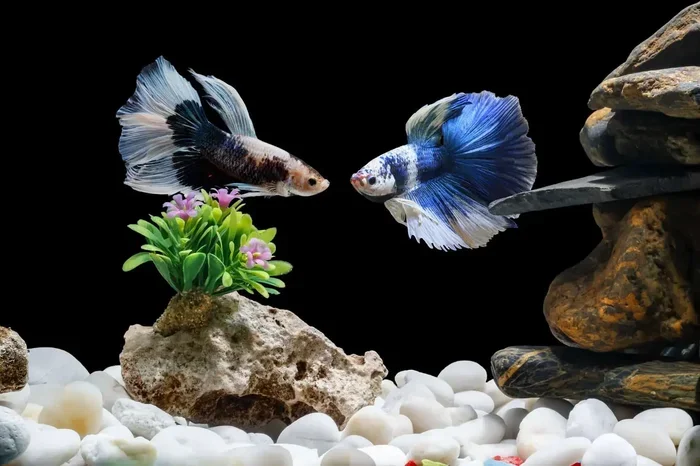
In the warm, shallow waters of Southeast Asia, wild Betta splendens hunt insects, larvae, and tiny crustaceans. Their teeth are tiny, sharp, and perfect for grabbing moving prey. This high‑protein diet fuels their brilliant colors and aggressive courtship displays.
Visual guide about Can Betta Fish Eat Potatoes
Image source: thumb.ac-illust.com
1.2. Commercial Betta foods
Today most hobbyists feed pellets, flakes, or frozen foods that mimic that natural protein punch. Articles like What Can Betta Fish Eat explain why protein‑rich options are essential.
1.3. Why carbs matter (or don’t)
Carbohydrates provide quick energy for humans, but a Betta’s short gut and fast metabolism don’t need them. Excess carbs can lead to bloating, constipation, and poor water quality. That’s why starchy foods like potatoes are generally off the menu.
2. Potatoes: Nutrition, Toxins, and Texture
2.1. What’s in a potato?
Potatoes are packed with starch, a little vitamin C, potassium, and fiber. They contain a natural toxin called solanine, especially when green or sprouted. Solanine can be harmful to many animals, including fish, if ingested in large amounts.

Visual guide about Can Betta Fish Eat Potatoes
Image source: instyle.com
2.2. Raw vs. cooked
Raw potatoes are hard to chew and digest. Cooking breaks down the starch, making it softer and easier on a Betta’s tiny mouth. However, even boiled potatoes still carry some indigestible fiber, which can sit in the gut and cause blockages.
2.3. The water quality factor
Any uneaten potato piece will quickly turn mushy, releasing organic waste into the water. This can spike ammonia and nitrite levels, stressing your Betta and encouraging harmful bacteria.
3. Can Betta Fish Eat Potatoes? The Verdict
3.1. Short answer
In short, no, betta fish should not eat raw potatoes, and cooked potatoes should only be offered as a very occasional, tiny treat.
3.2. When a small cooked piece is acceptable
- Boil the potato until completely soft.
- Cool it to room temperature—no seasoning, salt, or butter.
- Cut a piece no larger than the tip of your fingernail (about 2‑3 mm).
- Offer it once a week at most, and remove any leftovers within two minutes.
3.3. Risks of regular feeding
Feeding potatoes regularly can lead to:
- Digestive upset (constipation or diarrhea).
- Weight gain and fatty liver disease.
- Poor water quality and increased tank cleaning.
- Reduced appetite for essential protein foods.
4. Safer Alternatives to Potato Treats
4.1. High‑protein snacks
If you want to give your Betta a treat, try these proven options:
- Live or frozen brine shrimp (Can Betta Fish Eat Shrimp).
- Bloodworms, daphnia, or microworms.
- Small pieces of high‑quality Betta pellets or freeze‑dried foods.
4.2. Occasionally, a veggie bite?
Some Betta keepers have success with a single pea (shelled and mashed) as a fiber source. The pea must be soft, unsalted, and offered in a pea‑size amount. Even then, it should be a rare addition, not a staple.
5. How to Introduce a New Food Safely
5.1. The “one‑bite” test
Start with a single, tiny bite of the new food. Observe your Betta for 10‑15 minutes. If it eats it quickly and shows no signs of distress, you can try again after a few days.
5.2. Monitor water parameters
After feeding, test ammonia, nitrite, and nitrate levels. A sudden spike indicates the food is decomposing too fast, and you should discontinue it.
5.3. Keep a feeding log
Write down the date, type of treat, amount, and any behavior changes. Over time you’ll see patterns and know what works best for your Betta.
6. Frequently Overlooked Details
6.1. Tank size matters
Even a tiny potato crumb can foul a small bowl faster than a larger, well‑filtered aquarium. If you keep your Betta in a 2‑gallon tank, avoid any extra food that can cloud the water.
6.2. Compatibility with other tank mates
If you share the tank with shrimp or small snails, a potato piece could become a food source for them, altering the balance. For more on tank mates, see What Other Fish Can Live With Betta Fish.
6.3. Seasonal feeding changes
During cooler months Betta metabolism slows. They may eat less, so treat portions should be reduced even further.
Conclusion: Stick to What Works
While the curiosity to share a potato with your Betta is understandable, the safest approach is to keep the diet focused on high‑protein foods that match their natural hunting habits. If you do decide to offer a tiny piece of boiled potato, make it a rare, carefully measured treat and always remove leftovers quickly.
Remember, a healthy Betta is a happy Betta. By feeding the right foods, maintaining clean water, and providing enrichment, you’ll enjoy vibrant colors and lively behavior for years to come.
Frequently Asked Questions
Do Betta fish need carbs in their diet?
Betta fish do not require carbohydrates. Their natural diet is almost exclusively protein, so carbs can cause digestive issues.
Can I give my Betta a small piece of cucumber?
A tiny, seed‑less cucumber slice can be offered occasionally, but like potatoes, it should never replace protein foods.
Will a potato affect my tank’s water quality?
Yes. Uneaten potato bits decompose quickly, raising ammonia and nitrite levels, which can stress your Betta.
Is it okay to feed my Betta frozen peas?
Yes, a single, fully softened pea (without skin) can be given once a month as a fiber source.
Can I feed my Betta the same food as goldfish?
Goldfish food is too low in protein for Betta fish. For more details, see Can Betta Fish Eat Goldfish Food.
How do I know if my Betta is getting enough nutrition?
Watch for active swimming, bright colors, and a steady appetite. If your Betta looks dull or is refusing food, reassess its diet and water conditions.