Can Any Fish Live with Male Betta
Male bettas are beautiful but territorial, making tank mates a delicate choice. This guide reveals which fish can truly live with a male betta, how to set up a harmonious aquarium, and practical steps to avoid aggression. Follow our tips and you’ll create a vibrant, stress‑free community tank.
Key Takeaways
- Temperament matters: Not every fish can live with a male betta; calm, non‑fin‑nipping species are safest.
- Tank size is crucial: A minimum of 10‑20 gallons gives a male betta enough space to establish a territory.
- Water parameters must match: Keep temperature, pH, and hardness within the betta’s preferred range (76‑82 °F, pH 6.5‑7.5).
- Provide plenty of hiding spots: Live plants, driftwood, and caves reduce stress for all inhabitants.
- Monitor behavior daily: Early signs of fin‑nipping or chasing mean it’s time to re‑evaluate the mix.
- Some species are proven companions: Neon tetras, harlequin rasboras, and certain snails often coexist peacefully.
- Never assume compatibility: Even “safe” species can act differently in a new tank; always test with a quarantine period.
📑 Table of Contents
Introduction: Why the Question Matters
Betta fish, especially males, are famous for their flamboyant fins and feisty personalities. Many hobbyists wonder, can any fish live with male betta? The short answer is “it depends,” but the longer answer involves understanding betta behavior, tank conditions, and the needs of potential roommates.
Keeping a single male betta alone is safe, but a community tank can be more colorful and enjoyable. The challenge is finding fish that won’t trigger the betta’s instinct to guard its space. In this article we’ll break down the science, share real‑world examples, and give you a step‑by‑step plan to create a peaceful aquarium.
Understanding the Male Betta’s Nature
Territorial instincts
Male bettas are natural defenders of their domain. In the wild they protect small, shallow pools from rivals. In a tank, this translates to aggressive displays toward anything that looks like a threat—especially bright, flowing fins.
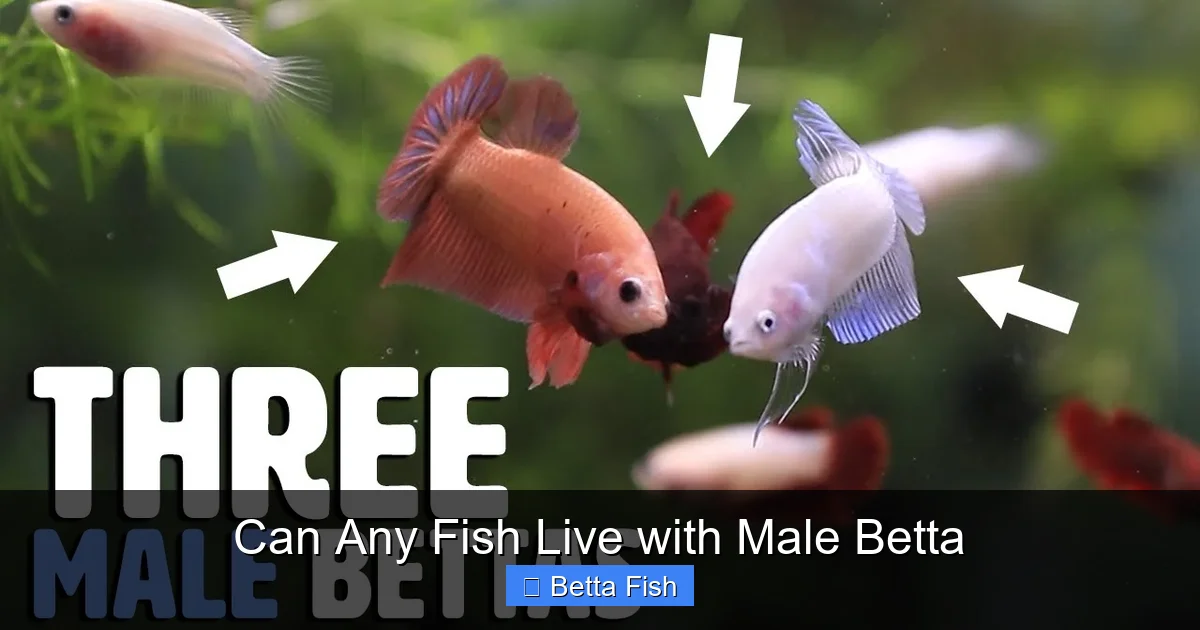
Visual guide about Can Any Fish Live with Male Betta
Image source: i.ytimg.com
What triggers aggression?
- Fast‑moving fish that dart near the surface.
- Species with long, flowing fins that mimic a betta’s own.
- Overcrowding, which reduces the betta’s personal space.
When a male betta can be friendly
Surprisingly, many bettas can tolerate peaceful companions if the environment is right. A larger tank, plenty of plants, and a calm water flow can soften a betta’s defensive mood.
Choosing the Right Tank Mates
Key characteristics of compatible fish
- Size: Small enough not to be seen as competition, but large enough not to become prey.
- Fin shape: Short, non‑showy fins reduce visual triggers.
- Temperament: Peaceful, non‑aggressive swimmers.
- Water needs: Similar temperature and pH preferences.
Top fish that often get along with male bettas
Below are species that have a proven track record of cohabitating with a male betta. Each entry includes why they work and a quick care tip.

Visual guide about Can Any Fish Live with Male Betta
Image source: bettacarefishguide.com
- Neon Tetra (Paracheirodon innesi): Tiny, schooling fish that stay near the bottom. Their bright blue stripe doesn’t resemble a betta’s fins, so they’re usually ignored. Keep them in groups of 6‑10.
- Harlequin Rasbora (Trigonostigma heteromorpha): Peaceful, mid‑level swimmers with a bold pattern that’s different enough to avoid triggering the betta.
- Ember Tetra (Hyphessobrycon amandae): Small, orange‑red fish that add color without aggressive movement.
- Corydoras Catfish (Corydoras spp.): Bottom‑dwelling “clean‑up” crew that rarely interact with the betta’s surface territory.
- Snails (Nerite or Mystery): Live‑in‑animate companions that help control algae and never nip fins.
For more detailed lists, see our article What Fish Can Live With Betta and What Fish Can Live With A Betta.
Fish to avoid
Bright, long‑finmed fish such as guppies, swordtails, and other bettas are almost always a bad idea. Even seemingly harmless species like zebrafish can provoke a fight if they swim near the surface.
Setting Up the Tank for Success
Size and Layout
A minimum of 10 gallons is recommended for a male betta with tank mates. Larger tanks (20‑30 gallons) give each fish more room and dilute any aggressive encounters.

Visual guide about Can Any Fish Live with Male Betta
Image source: ekk4j69ebaa.exactdn.com
Plants and Decorations
- Live plants like Java fern, Anubias, and Amazon swords create natural barriers.
- Floating plants (e.g., duckweed) give the betta a place to rest near the surface without feeling exposed.
- Decor such as driftwood and smooth rocks provide hiding spots for shy companions.
Water Conditions
Maintain a temperature of 78‑80 °F, pH 6.5‑7.5, and gentle filtration. Avoid strong currents; bettas prefer calm water.
Acclimation Process
When adding new fish, use the drip acclimation method over 30‑60 minutes. Keep the betta isolated in a breeder box for the first 24‑48 hours to observe any immediate aggression.
Monitoring and Managing Behavior
Early warning signs
- Flared gills and a puffed‑up body directed at a tank mate.
- Fin tearing or missing tissue on the other fish.
- Chasing that lasts more than a few seconds.
What to do if aggression occurs
- Re‑arrange décor to break line‑of‑sight territories.
- Raise the water level slightly to give the betta more vertical space.
- If problems persist, consider moving the aggressor to a separate tank.
Long‑term health checks
Check all fish weekly for signs of stress: faded colors, clamped fins, or unusual hiding. A healthy community tank will show active swimming and bright coloration.
Case Studies: Real‑World Examples
Case 1: Neon Tetras + Male Betta
John set up a 15‑gallon tank with a male betta, 8 neon tetras, and a few Java ferns. After a two‑week quarantine, the betta ignored the tetras entirely. No fin damage was observed after three months.
Case 2: Guppies Gone Wrong
Emily added a trio of guppies to a 10‑gallon betta tank. Within hours, the betta flared and chased the guppies, resulting in torn fins. She removed the guppies and learned that bright, flowing fins are a red flag.
Case 3: Corydoras and Snails
Mike combined a male betta with a small group of dwarf corydoras and two nerite snails in a 20‑gallon tank. The betta showed occasional curiosity but never attacked. The snails helped control algae, and the corydoras cleaned the substrate.
Final Thoughts: Can Any Fish Live with Male Betta?
The short answer is no—not any fish can live with a male betta. However, with the right species, tank size, and careful observation, you can create a thriving community that showcases the betta’s beauty alongside peaceful companions. Remember to prioritize water quality, provide plenty of hiding places, and always have a backup plan if aggression spikes.
By following the guidelines above, you’ll not only answer the question “can any fish live with male betta” but also become a more confident, successful aquarist.
Frequently Asked Questions
Can a male betta live with guppies?
Generally no. Guppies have long, flowing fins that look like a betta’s, often triggering aggression and fin‑nipping.
What size tank is best for a male betta and tank mates?
A minimum of 10 gallons is recommended, but 20 gallons or larger provides the best chance for peaceful coexistence.
Do bettas get along with other bettas?
Male bettas are highly territorial and should never be housed together. A female can sometimes share a tank with a male if she is larger and the tank is spacious, but it’s risky.
Are snails a good option for betta tanks?
Yes. Snails like nerites or mystery snails are non‑aggressive and help control algae without threatening the betta.
How can I tell if my betta is stressed?
Look for faded colors, clamped fins, constant flaring, or hiding excessively. Stress often precedes aggression toward tank mates.
Is it safe to keep a male betta with tetras?
Many small tetras, especially neon and ember tetras, coexist well with a male betta when the tank is appropriately sized and well‑planted.